Aluminum Stairs Contractor Florida: Expert Guide 2026
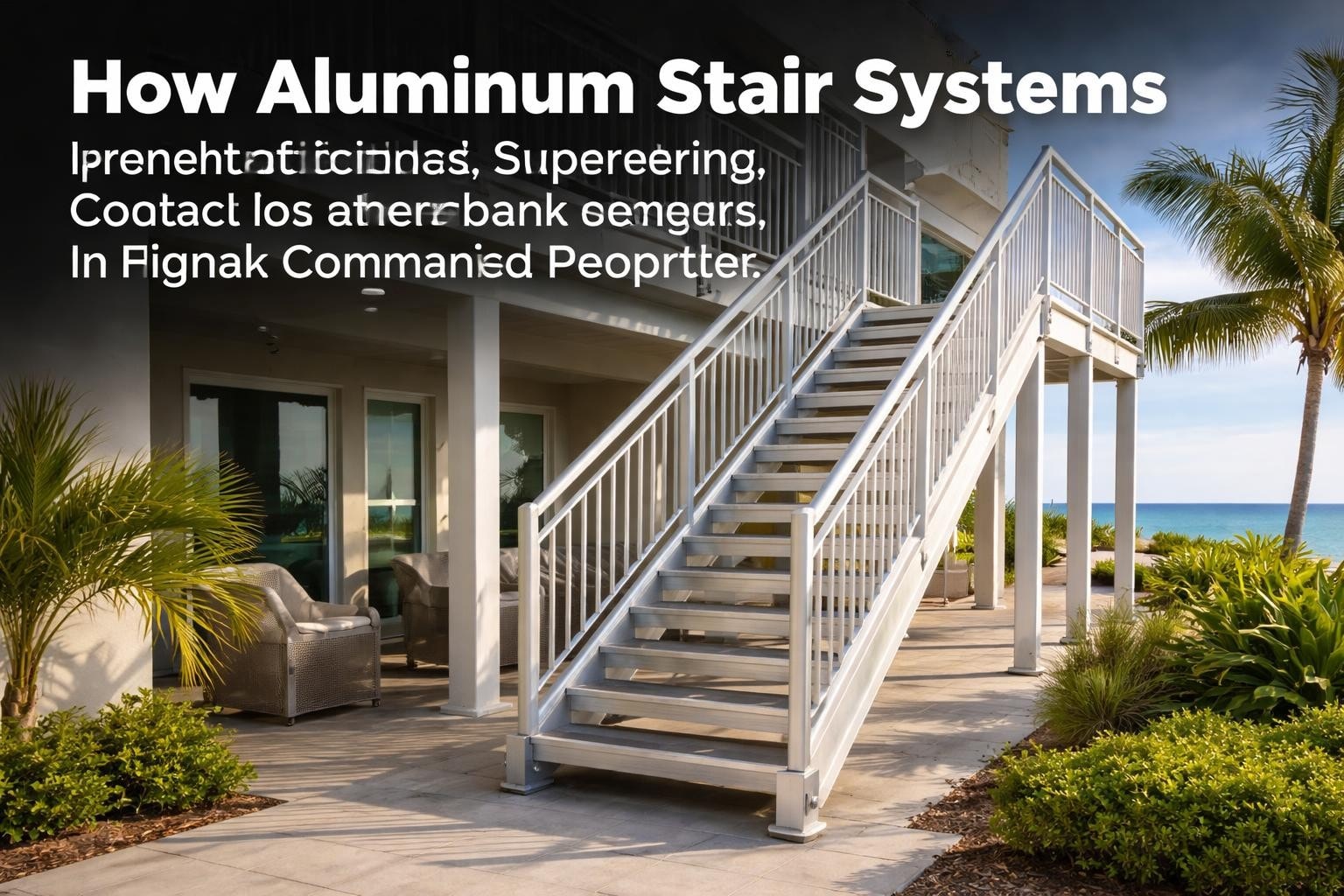
Florida's coastal climate and stringent building codes create unique challenges for property owners seeking durable stair solutions. Whether you're managing a condominium undergoing milestone recertification or planning a commercial renovation, choosing the right aluminum stairs contractor Florida can make the difference between a compliant, long-lasting installation and costly future repairs. Aluminum stair systems offer exceptional corrosion resistance in South Florida's salt-air environment, making them increasingly popular for both exterior and interior applications. This comprehensive guide explores everything you need to know about selecting, installing, and maintaining aluminum stairs with the help of qualified contractors.
Why Aluminum Stairs Dominate Florida's Construction Market
Aluminum has become the preferred material for stair systems across Florida for compelling reasons that extend beyond initial cost considerations. The material's natural resistance to rust and corrosion makes it exceptionally well-suited for the state's humid, salt-laden coastal environment.
Key advantages include:
- Superior corrosion resistance without protective coatings
- Lightweight construction reducing structural load requirements
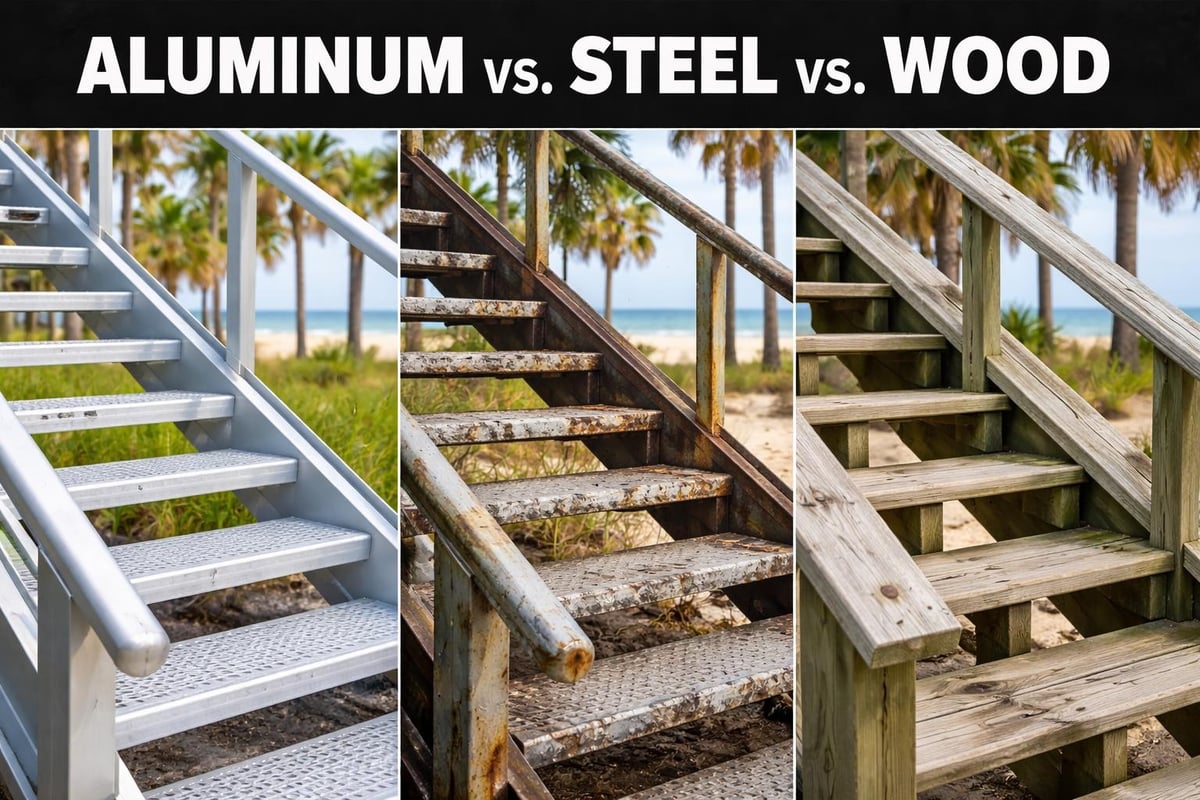
- Low maintenance requirements compared to steel or wood
- Excellent strength-to-weight ratio for long spans
- Compliance with Florida Building Code requirements
The longevity factor particularly matters for properties approaching their 40-year building recertification milestone. Aluminum stairs installed properly can easily exceed 30-40 years of service life with minimal intervention, making them a smart long-term investment.
Material Science Behind Aluminum's Performance
Understanding why aluminum performs so well in Florida helps property owners make informed decisions. The metal naturally forms a protective oxide layer when exposed to air, creating a self-healing barrier against further oxidation. This passive protection system continues functioning even when the surface is scratched or damaged.
Marine-grade aluminum alloys, particularly 5052 and 6061 series, offer enhanced performance characteristics. These alloys incorporate magnesium and silicon to improve strength and corrosion resistance specifically for coastal applications. Many experienced aluminum stairs contractor Florida professionals specify these higher-grade materials for exterior installations.
Selecting a Qualified Aluminum Stairs Contractor Florida
Finding the right contractor requires more than comparing price quotes. The complexity of stair installations, particularly in buildings requiring structural engineering approvals, demands specific qualifications and experience.
Essential Contractor Credentials
Licensed contractors in Florida must hold appropriate state certifications for the work they perform. For aluminum stair installations, verify your contractor maintains:
| Credential Type | Why It Matters | Verification Method |
|---|---|---|
| General Contractor License | Legal authorization to perform work | Florida DBPR website |
| Metal Fabrication Experience | Specialized welding and assembly skills | Portfolio review, references |
| Engineering Collaboration | Ability to work with structural engineers | Past project documentation |
| Insurance Coverage | Protection against liability and workers comp | Certificate of Insurance |
| Building Code Knowledge | Ensures compliant installations | Discussion of recent code updates |
Professional contractors should demonstrate familiarity with Florida Building Code requirements for aluminum railing installations and stay current with evolving standards. This knowledge proves particularly critical for properties undergoing structural engineering reviews.
Evaluating Contractor Portfolios
Request detailed examples of previous aluminum stair installations similar to your project scope. Quality contractors maintain comprehensive portfolios showing:
- Before and after installation photographs
- Projects in similar building types (residential, commercial, institutional)
- Complex installations requiring custom engineering
- Coastal installations demonstrating salt-air durability
- Permit documentation and final inspection approvals
Pay particular attention to detail work around connections, railings, and transitions. These areas reveal craftsmanship quality and attention to code compliance.
Understanding Florida Building Code Requirements
Florida's stringent building codes exist for good reason, particularly following lessons learned from hurricane damage. Aluminum stair installations must comply with multiple code sections addressing structural integrity, safety, and accessibility.
Critical Code Sections for Stair Systems
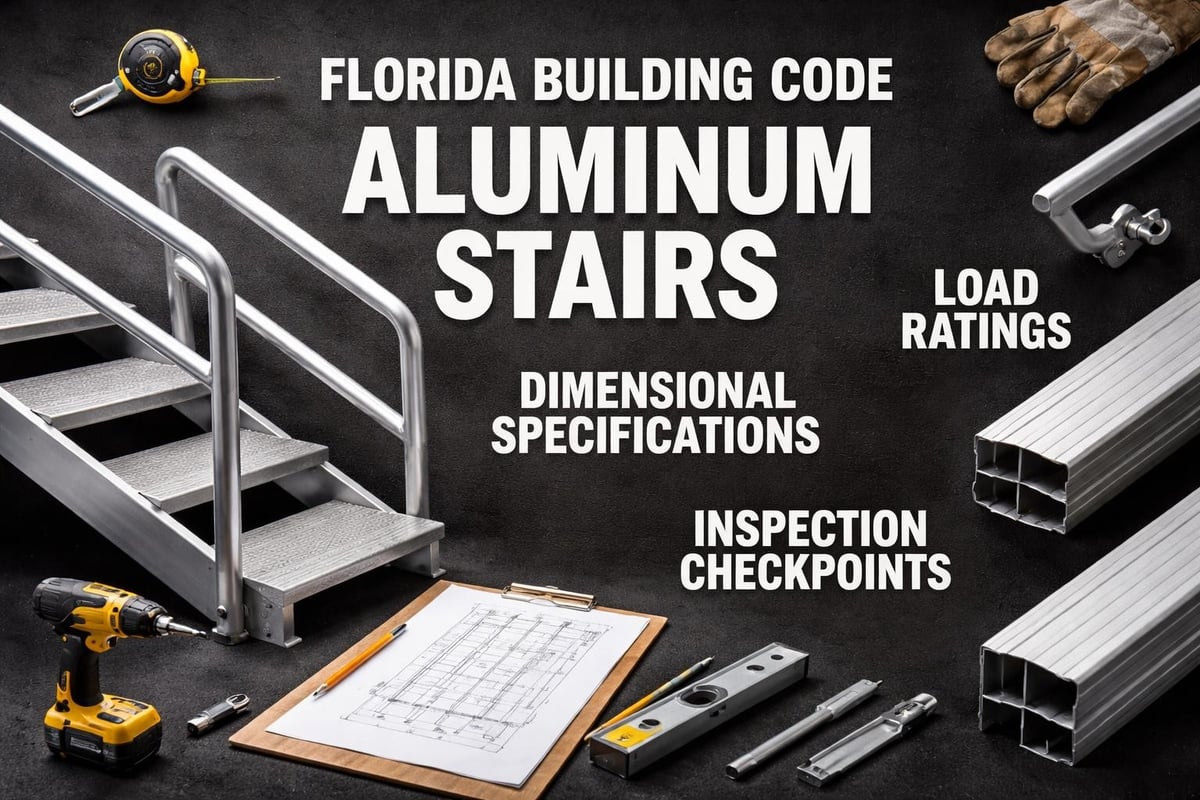
The Florida Building Code, Residential (FBC-R) and Florida Building Code, Building (FBC-B) establish specific requirements contractors must follow. Key provisions include:
Dimensional requirements:
- Maximum riser height: 7.75 inches (residential), 7 inches (commercial)
- Minimum tread depth: 10 inches (residential), 11 inches (commercial)
- Minimum stair width: 36 inches (residential), 44 inches (commercial)
- Headroom clearance: 80 inches minimum
- Handrail height: 34-38 inches above nosing
Load requirements:
- Minimum live load: 100 pounds per square foot
- Concentrated load on handrails: 200 pounds
- Wind load considerations for exterior installations
- Seismic design category considerations
An experienced aluminum stairs contractor Florida understands these requirements intimately and designs installations to exceed minimum standards. Companies like Modern Concepts of South Florida specialize in custom metal fabrication that meets these exacting specifications.
Americans with Disabilities Act (ADA) Compliance
Commercial properties and multi-family buildings with four or more units must address ADA accessibility requirements. While not all stairs require ADA compliance, contractors should identify where regulations apply.
ADA-compliant stairs incorporate specific features including compliant handrails on both sides, tactile warning surfaces at top landings, and consistent riser/tread dimensions throughout each flight. Contractors experienced in commercial building projects navigate these requirements routinely.
Custom Design and Engineering Considerations
Every building presents unique challenges requiring customized stair solutions. Off-the-shelf systems rarely accommodate existing structural conditions, space constraints, or architectural requirements.
When Engineering Certification Becomes Mandatory
Florida law requires engineering approval for stair installations in specific circumstances:
- Structural modifications - Cutting through existing floor systems or load-bearing walls
- Exterior installations - Stairs exposed to wind loads and weather
- Long spans - Stairs exceeding standard support spacing
- Building recertification - Properties undergoing milestone inspection programs
- Historic buildings - Structures with special preservation requirements
Working with contractors who collaborate effectively with structural engineers streamlines the approval process. The engineering review ensures the aluminum stair system integrates properly with existing building structure and meets all safety factors.
Material Selection for Specific Applications
Not all aluminum alloys perform equally across different environments and use cases. Contractors should specify appropriate materials based on:
- Location exposure - Interior, covered exterior, or fully exposed
- Expected traffic volume - Residential, light commercial, or heavy commercial
- Aesthetic requirements - Mill finish, anodized, or powder-coated
- Maintenance access - Areas requiring regular cleaning versus set-and-forget installations
- Budget constraints - Balancing performance requirements with cost limitations
Custom railing fabricators often provide material guidance based on their experience with Florida's demanding conditions. Their expertise helps property owners avoid over-specifying expensive materials where standard grades suffice, or under-specifying where premium performance justifies additional investment.
Installation Process and Timeline Expectations
Understanding the installation sequence helps property owners plan around construction activities and coordinate with residents or tenants. Professional aluminum stairs contractor Florida teams follow systematic approaches that minimize disruption.
Typical Installation Phases
Phase 1: Site Assessment and Measurement (1-2 days)
- Detailed field measurements of existing conditions
- Identification of structural attachment points
- Access route planning for material delivery
- Coordination with building management
Phase 2: Engineering and Permitting (2-4 weeks)
- Structural engineering calculations and drawings
- Building department permit application
- Plan review and approval process
- Any required revisions
Phase 3: Fabrication (2-3 weeks)
- Custom fabrication based on approved drawings
- Quality control inspections during manufacturing
- Surface finishing (anodizing or powder coating)
- Pre-assembly testing of components
Phase 4: Installation (3-7 days depending on scope)
- Site preparation and protection
- Removal of existing stairs if applicable
- Structural mounting and anchoring
- Component assembly and alignment
- Railing installation and finishing
Phase 5: Inspection and Closeout (1-2 days)
- Building inspector final approval
- Punch list completion
- Owner training on maintenance
- Warranty documentation delivery
Companies like Mansilla Metal Works demonstrate the precision fabrication process that ensures field installation proceeds smoothly with minimal modifications.
Cost Factors and Budget Planning
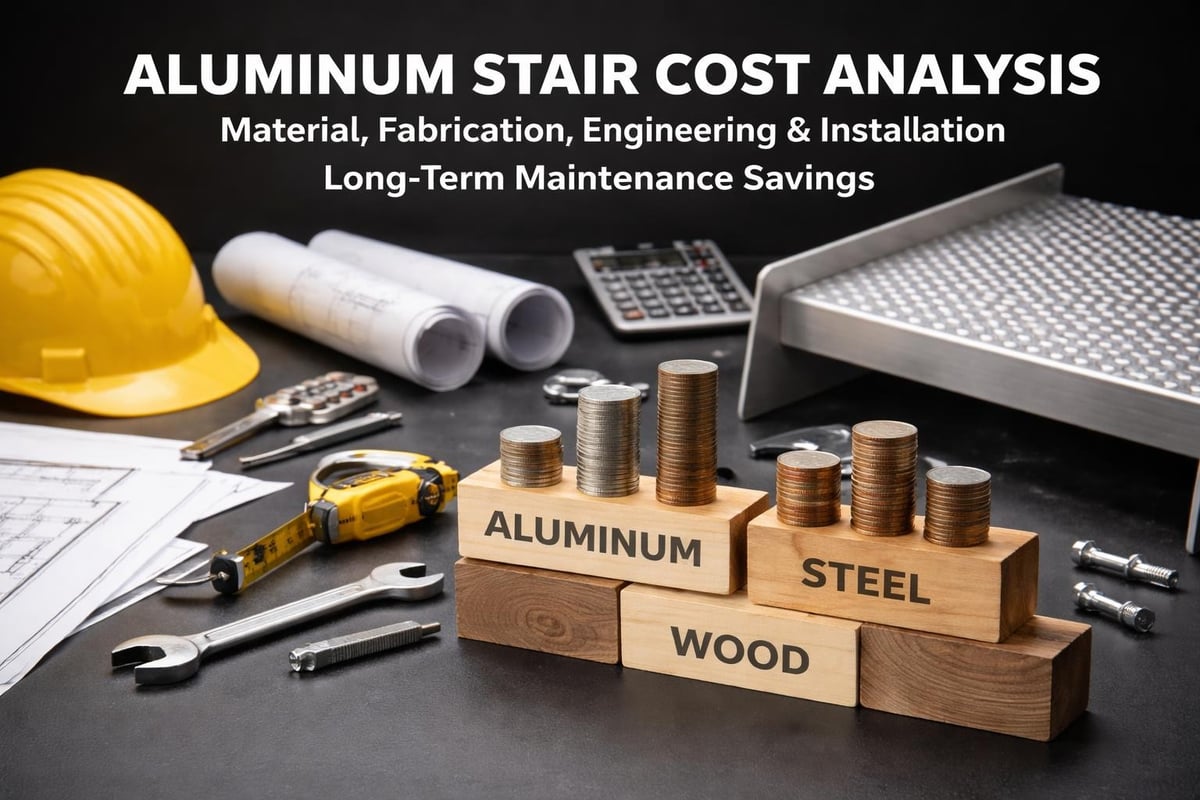
Aluminum stair installation costs vary significantly based on project complexity, material specifications, and site conditions. Understanding cost drivers helps property owners develop realistic budgets and evaluate contractor proposals accurately.
Primary Cost Components
| Cost Category | Typical Percentage | Variables Affecting Price |
|---|---|---|
| Materials | 30-40% | Alloy grade, finish type, railing style |
| Fabrication | 25-35% | Custom design complexity, precision requirements |
| Engineering | 5-10% | Structural calculations, permit drawings |
| Installation Labor | 20-30% | Site access, existing condition removal, height |
| Permits/Inspections | 3-5% | Jurisdiction requirements, project scope |
For a typical straight-run aluminum stair system serving two floors in a commercial building, expect costs ranging from $12,000 to $25,000. Complex installations with multiple landings, custom railings, or challenging site access can exceed $50,000.
Long-Term Value Considerations
Initial installation cost represents only one aspect of total ownership cost. Aluminum stairs offer exceptional long-term value through:
- Minimal maintenance requirements - No painting, refinishing, or rust treatment
- Extended service life - 30-40+ years versus 15-20 for treated steel
- Reduced replacement frequency - Lower lifecycle costs over building ownership
- Enhanced property value - Quality installations improve building marketability
- Lower insurance premiums - Some insurers recognize superior fire-resistant materials
Properties approaching 40-year recertification often discover that investing in aluminum stair replacement during the inspection cycle proves more cost-effective than attempting to certify deteriorated steel or wood systems.
Maintenance Requirements for Aluminum Stair Systems
While aluminum requires significantly less maintenance than alternative materials, proper care extends system life and maintains appearance. Establishing simple maintenance protocols protects your investment.
Recommended Maintenance Schedule
Monthly tasks:
- Visual inspection for loose fasteners or components
- Debris removal from treads and landings
- Drainage check to prevent water accumulation
Quarterly tasks:
- Thorough cleaning with mild detergent and water
- Inspection of railing connections and stability
- Lubrication of any moving components (gates, latches)
Annual tasks:
- Detailed examination by qualified contractor
- Touch-up of any damaged powder coating
- Tightening of all connection hardware
- Documentation of system condition
Five-year tasks:
- Comprehensive structural assessment
- Fastener replacement if showing corrosion
- Professional cleaning and refinishing if needed
Property managers should integrate these activities into broader building maintenance programs, particularly for properties with multiple aluminum stair systems.
Common Issues and Solutions
Even properly installed aluminum stairs occasionally develop problems. Recognizing issues early prevents minor concerns from becoming major repairs:
- Surface staining - Typically from runoff carrying contaminants; addressed through cleaning
- Fastener corrosion - Usually stainless steel fasteners showing surface rust; replacement during routine service
- Coating damage - Scratches or chips in powder coating; touch-up kits available from manufacturers
- Noise development - Loose components creating squeaks or rattles; tightening resolves most issues
- Drainage problems - Water pooling on treads; adjusting slope or adding drainage holes
Contractors who provide ongoing maintenance services, similar to those offering concrete restoration services, ensure aluminum stairs maintain optimal performance throughout their service life.
Integration with Building Recertification Programs
Florida's milestone inspection programs create specific opportunities and requirements for aluminum stair replacement. Understanding how stair systems factor into recertification planning helps property owners budget and schedule effectively.
Stair System Assessment During Inspections
Building inspectors conducting 25-year and 40-year recertification reviews carefully examine stair systems for:
- Structural integrity - Load-bearing capacity and connection security
- Code compliance - Current code conformance regardless of installation date
- Safety hazards - Trip hazards, railing stability, surface conditions
- Accessibility - ADA compliance where required
- Material condition - Corrosion, deterioration, or damage
Stairs showing significant deficiencies typically require replacement or substantial repairs to achieve recertification approval. An aluminum stairs contractor Florida can often complete this work within the inspection timeline, particularly when violation resolution services coordinate engineering, permitting, and construction activities.
Strategic Replacement Timing
Property owners managing recertification programs strategically schedule aluminum stair replacement to align with inspection cycles. This approach offers several advantages:
- Ensures code-compliant systems before formal inspection
- Eliminates potential violation issues proactively
- Combines engineering reviews for multiple building systems
- Coordinates permit activities reducing overall timeline
- Provides fresh warranties covering future inspection periods
Coordinating with contractors experienced in recertification work, such as those providing building recertification inspection services, streamlines the entire process.
Specialty Applications and Advanced Systems
Beyond standard stair replacements, aluminum systems accommodate specialty applications common in Florida's diverse building stock. Understanding these options expands possibilities for challenging installations.
Floating Stair Designs
Modern architectural trends favor floating stairs creating visual lightness while maintaining structural integrity. Aluminum's strength-to-weight ratio makes it ideal for these installations. The systems require:
- Structural engineering calculations for cantilevered treads
- Robust wall anchoring into concrete or reinforced masonry
- Concealed support systems maintaining clean aesthetic
- Careful coordination with architectural finishes
Fabricators like Custom Stairs Orlando specialize in these contemporary designs, delivering Instagram-worthy results that don't compromise safety or code compliance.
Marine and Waterfront Installations
Properties adjacent to saltwater face the most aggressive corrosion environment aluminum can encounter. Specialty marine-grade systems incorporate:
- Enhanced alloy specifications - 5000 and 6000 series aluminum
- Stainless steel fasteners - Marine-grade 316 stainless exclusively
- Isolation bushings - Preventing galvanic corrosion at dissimilar metal junctions
- Sealed connections - Keeping saltwater from penetrating joints
- Sacrificial anodes - Additional corrosion protection for critical applications
Contractors serving waterfront properties should demonstrate specific experience with marine environments and understand the accelerated deterioration potential at oceanfront locations.
Fire-Rated Stair Systems
High-rise buildings and certain commercial occupancies require fire-rated stair enclosures. While aluminum melts at lower temperatures than steel, properly designed systems meet fire rating requirements through:
- Appropriate sizing providing structural capacity at elevated temperatures
- Intumescent coatings expanding to insulate metal during fires
- Hybrid designs combining aluminum with fire-resistant materials
- Engineering certification for specific fire rating periods
These specialized installations require contractors with demonstrated fire-rated system experience and access to qualified fire protection engineers.
Questions to Ask Prospective Contractors
Vetting aluminum stairs contractor Florida candidates requires asking specific questions revealing their expertise, processes, and reliability. Consider these essential inquiries:
Technical capability questions:
- How many aluminum stair projects have you completed in the past 24 months?
- What aluminum alloys do you typically specify for coastal Florida installations?
- Do you maintain in-house engineering capabilities or partner with licensed engineers?
- Can you provide references from recent projects similar to mine?
Process and timeline questions:
- What is your typical timeline from contract signing to project completion?
- How do you handle permit applications and building department coordination?
- What happens if inspectors require modifications during the review process?
- How do you protect surrounding areas during demolition and installation?
Quality and warranty questions:
- What warranties do you provide on materials and workmanship?
- How do you ensure fabrication accuracy before field installation?
- What quality control inspections occur during manufacturing?
- Do you provide maintenance guidance and ongoing service options?
Business practice questions:
- How long has your company operated in Florida?
- Are you licensed, bonded, and insured for this type of work?
- Who will serve as the primary project contact and supervisor?
- How do you handle change orders or unexpected site conditions?
Reputable contractors welcome these questions and provide detailed, specific answers. Evasive responses or generic assurances should raise concerns about contractor qualifications.
Regional Considerations Across Florida
Florida's diverse geography and municipal regulations create regional variations affecting aluminum stair installations. Understanding local factors helps select contractors with relevant experience.
South Florida Specifics
Miami-Dade and Broward counties maintain the nation's strictest building codes following Hurricane Andrew's devastation. Additional requirements include:
- High-velocity hurricane zone (HVHZ) standards - Enhanced wind load ratings
- Product approval protocols - Notice of Acceptance (NOA) for certain components
- Stringent permitting - Detailed engineering required for most projects
- Special inspection requirements - Third-party verification during installation
Working with contractors familiar with Miami-Dade 40-year recertification requirements ensures smooth navigation of these demanding standards. Companies like Aluminum Specialist Inc. demonstrate the engineering-focused approach South Florida projects demand.
Central Florida Considerations
Orlando and surrounding regions balance tourism-driven commercial development with residential growth. Considerations include:
- Mix of modern and older building stock requiring varied approaches
- Theme park and hospitality sector's demanding aesthetic requirements
- Seasonal construction windows around tourism peaks
- Growing focus on sustainable building practices
Gulf Coast and Panhandle Factors
Western Florida presents unique challenges including:
- Extreme humidity levels year-round
- Regular exposure to tropical weather systems
- Mix of high-rise coastal development and low-rise inland construction
- Varying local building department capabilities and requirements
Regional expertise matters because contractors familiar with local conditions anticipate challenges and provide solutions proven in similar environments.
Future Trends in Aluminum Stair Technology
The aluminum stair industry continues evolving with innovations improving performance, aesthetics, and installation efficiency. Property owners planning long-term investments should consider emerging trends.
Manufacturing Advancements
Computer numerical control (CNC) fabrication has revolutionized aluminum stair manufacturing. Benefits include:
- Precision tolerances - Components fit together perfectly during field assembly
- Complex geometries - Curved stairs and unusual configurations become practical
- Reduced field labor - Pre-fabricated assemblies install faster with smaller crews
- Consistent quality - Computer-controlled processes eliminate human error
Sustainable Design Integration
Environmental consciousness drives several aluminum stair innovations:
- Recycled content - Many aluminum products now incorporate 50%+ recycled material
- Energy efficiency - Manufacturing improvements reduce production carbon footprint
- Lifecycle analysis - Emphasis on total environmental impact over building life
- Recyclability - Aluminum's infinite recyclability supports circular economy principles
Properties pursuing LEED certification or other green building standards benefit from specifying sustainable aluminum systems.
Smart Building Integration
As buildings become increasingly connected, stair systems incorporate technology:
- Integrated LED lighting powered by building management systems
- Sensors monitoring usage patterns and maintenance needs
- Access control integration for secure areas
- Emergency communication systems embedded in stairwells
Forward-thinking aluminum stairs contractor Florida professionals design systems accommodating future technology integration even when immediate implementation isn't planned.
Selecting the right aluminum stairs contractor Florida for your property requires balancing technical expertise, code compliance knowledge, and practical experience in the state's demanding coastal environment. Quality installations protect property values while ensuring safety and code compliance for decades. Souffront Construction and Engineering brings comprehensive construction and engineering capabilities to aluminum stair projects throughout South Florida, integrating stair system installations with building recertification programs, structural engineering reviews, and permit-ready solutions. Whether you're planning a single stairway replacement or coordinating multiple building improvements during milestone inspections, our team delivers professional, code-conscious service tailored to your property's specific needs.