40 Year Recertification Engineer Miami-Dade Guide
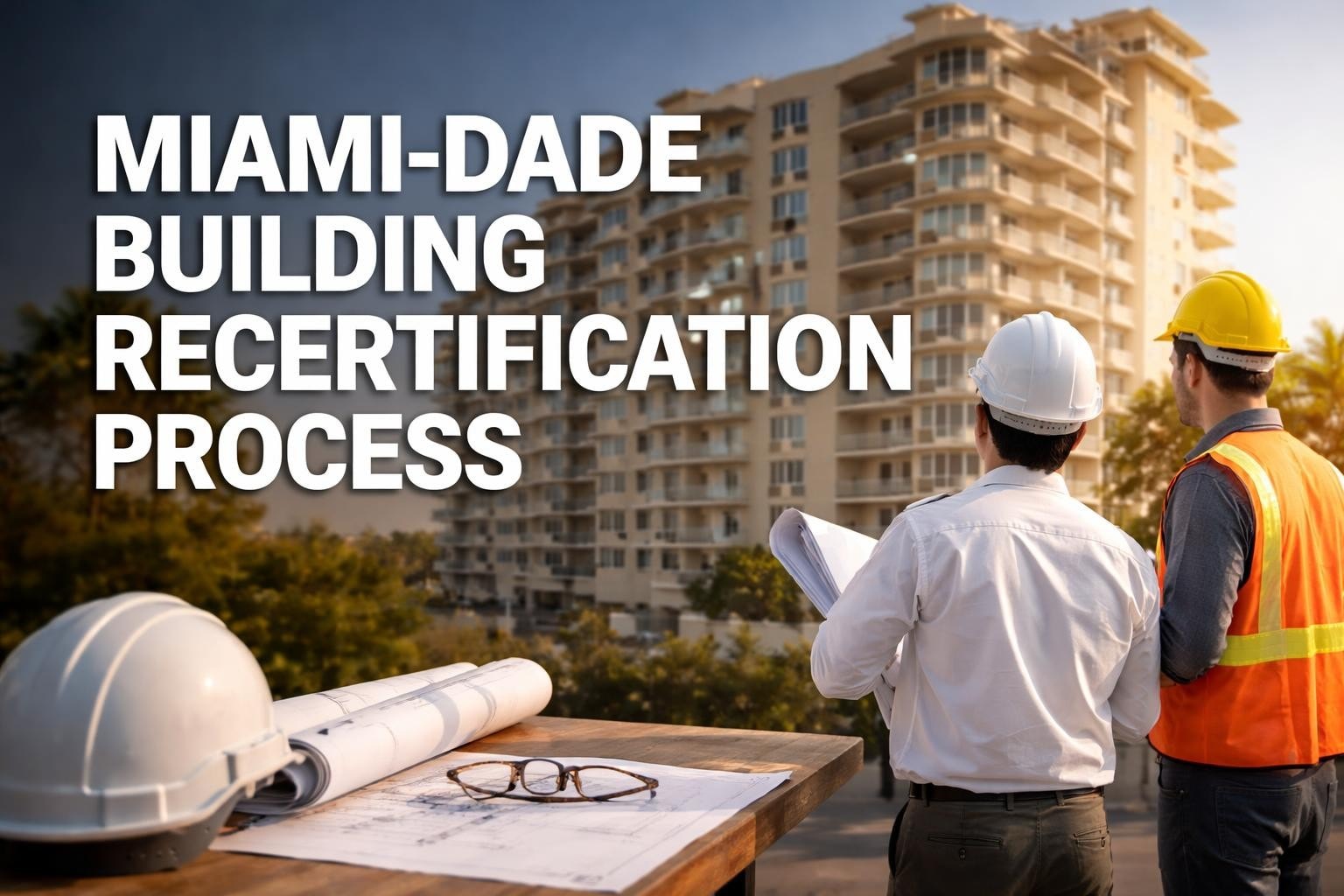
Property owners throughout Miami-Dade County face important decisions when their buildings approach critical age milestones. The recertification process has evolved significantly following recent ordinance changes, and selecting the right 40 year recertification engineer Miami-Dade professional can make the difference between a smooth inspection process and costly delays. Understanding what this certification entails, how the requirements have changed, and what qualifications matter most will help you navigate this mandatory compliance procedure with confidence.
Understanding Miami-Dade Recertification Requirements
Miami-Dade County's building recertification program exists to ensure structural safety and electrical system integrity in aging buildings. Following the Surfside tragedy in 2021, Miami-Dade County implemented significant changes to strengthen oversight and accelerate inspection timelines.
The traditional 40-year recertification has undergone a transformation. Buildings now face their first recertification milestone at 30 years instead of 40, with subsequent inspections required every 10 years. This change affects thousands of properties across Miami-Dade County and creates increased demand for qualified engineering professionals.
What the Recertification Process Involves
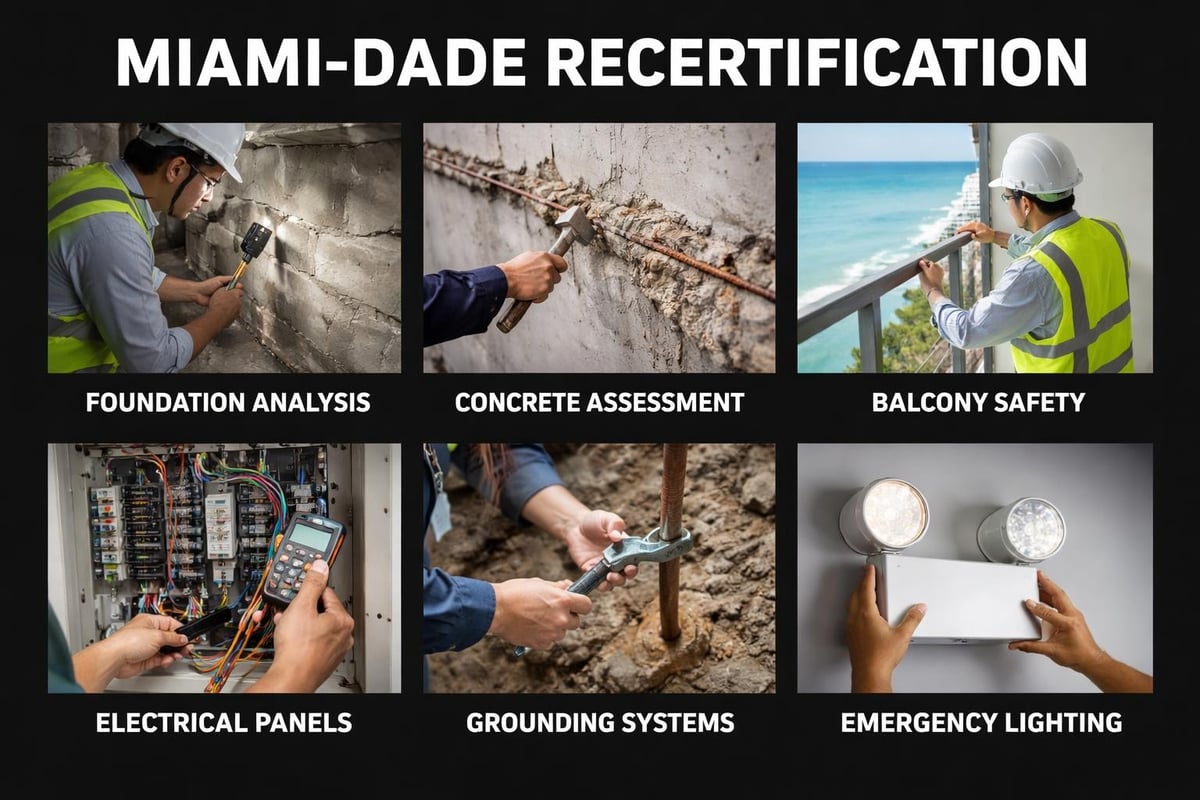
A comprehensive recertification inspection encompasses two primary components: structural assessment and electrical system evaluation. Both require licensed professionals with specific qualifications.
Structural inspections examine:
- Load-bearing walls and columns
- Foundation integrity and settlement
- Roof structural systems
- Balconies, walkways, and stairs
- Parking structures and elevated slabs
Electrical inspections cover:
- Main service panels and distribution
- Grounding and bonding systems
- Emergency lighting and exit systems
- Common area electrical installations
- Code compliance for existing systems
The inspection process requires specialized expertise to identify deficiencies, recommend repairs, and certify compliance with current building codes.
Key Changes to the 40 Year Program
The recertification landscape shifted dramatically in 2022. The new Miami-Dade County ordinance shortened the initial certification period from 40 years to 30 years, creating urgency for many property owners who thought they had more time.
| Requirement | Old Program | New Program (2022+) |
|---|---|---|
| First Inspection | 40 years | 30 years |
| Subsequent Inspections | Every 10 years | Every 10 years |
| Coastal Buildings (<3 miles) | 40 years | 25 years |
| Notification Period | 90 days | 180 days |
| Completion Deadline | Within 90 days | Within 180 days |
These changes particularly impact buildings constructed in the mid-1990s that previously wouldn't have required inspection until the mid-2030s. Now these properties must undergo their first recertification in 2026 and beyond.
Timeline Considerations for Property Owners
Property owners receive notification from Miami-Dade County approximately six months before their building reaches the recertification milestone. This extended timeline provides opportunity to:
- Research and select qualified engineers (60-90 days)
- Schedule and complete inspections (30-60 days)
- Review findings and plan repairs (30-45 days)
- Execute necessary remediation (variable timeline)
- Submit final certification (before deadline)
Buildings located within three miles of the coast face even tighter timelines, with first inspections required at 25 years rather than 30.
Choosing the Right 40 Year Recertification Engineer Miami-Dade
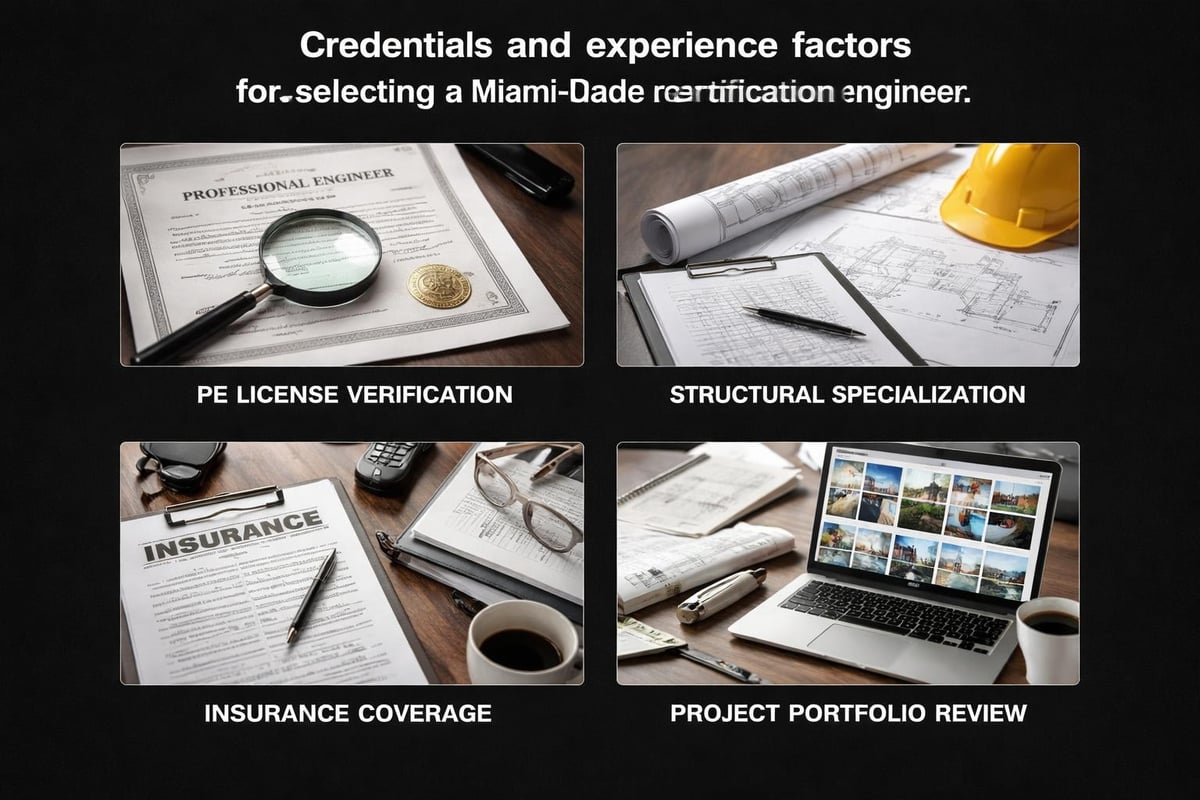
Not all engineering firms offer the comprehensive services required for successful recertification. A qualified 40 year recertification engineer Miami-Dade professional should hold appropriate state licenses, carry adequate insurance, and demonstrate experience with local building codes.
Essential Qualifications to Verify
Professional licensing requirements include:
- Florida Professional Engineer (PE) license
- Structural engineering specialization
- Electrical engineering credentials (if providing electrical certification)
- Active license status with no disciplinary actions
- Errors and omissions insurance coverage
Beyond basic credentials, experience matters significantly. Engineers familiar with Miami-Dade County's specific requirements, common building types in South Florida, and typical age-related deterioration patterns provide more accurate assessments and practical repair recommendations.
The complexity of structural engineering design and analysis requires professionals who understand not just what problems exist, but how to solve them cost-effectively while meeting code requirements.
Questions to Ask Potential Engineers
Before hiring a 40 year recertification engineer Miami-Dade specialist, property owners should conduct thorough vetting:
- How many recertification inspections have you completed in Miami-Dade County?
- What is your typical timeline from initial inspection to final report?
- Do you provide both structural and electrical certifications, or will I need separate professionals?
- Can you provide references from recent recertification projects?
- What is your fee structure, and what does it include?
- Will you assist with repair specifications if deficiencies are found?
- How do you handle communication with condo boards or property managers?
These questions help identify professionals who offer comprehensive support throughout the entire recertification process rather than just basic inspection services.
Common Issues Found During Recertification Inspections
South Florida's unique climate creates specific challenges for aging buildings. Salt air, high humidity, intense sun exposure, and heavy rainfall accelerate deterioration of building materials and systems.
Structural Concerns Frequently Identified
Concrete spalling represents one of the most common issues in older buildings. When moisture penetrates concrete and reaches reinforcing steel, corrosion occurs, causing the concrete to crack and break away. This process often affects:
- Balcony support structures
- Parking garage columns and beams
- Exterior building facades
- Pool deck areas
- Stairwell structures
Water intrusion issues compound structural problems. Forensic water intrusion investigations often reveal complex infiltration patterns that have caused hidden damage over decades.
| Common Deficiency | Typical Repair Approach | Estimated Timeline |
|---|---|---|
| Concrete Spalling | Remove damaged concrete, treat rebar, resurface | 2-6 weeks |
| Balcony Structural Damage | Reinforcement installation, complete reconstruction | 4-12 weeks |
| Foundation Settlement | Underpinning, slab jacking, structural reinforcement | 6-16 weeks |
| Roof Structure Deterioration | Partial or complete replacement, reinforcement | 3-8 weeks |
Electrical System Deficiencies
Electrical systems in buildings constructed 30-40 years ago often fail to meet current code requirements. Common issues include:
- Outdated panel boards without proper circuit protection
- Insufficient grounding and bonding systems
- Aluminum wiring requiring remediation
- Emergency lighting system failures
- Common area electrical code violations
Electrical engineering system design and audits identify these deficiencies and provide upgrade specifications that ensure both safety and code compliance.
The Inspection and Certification Process
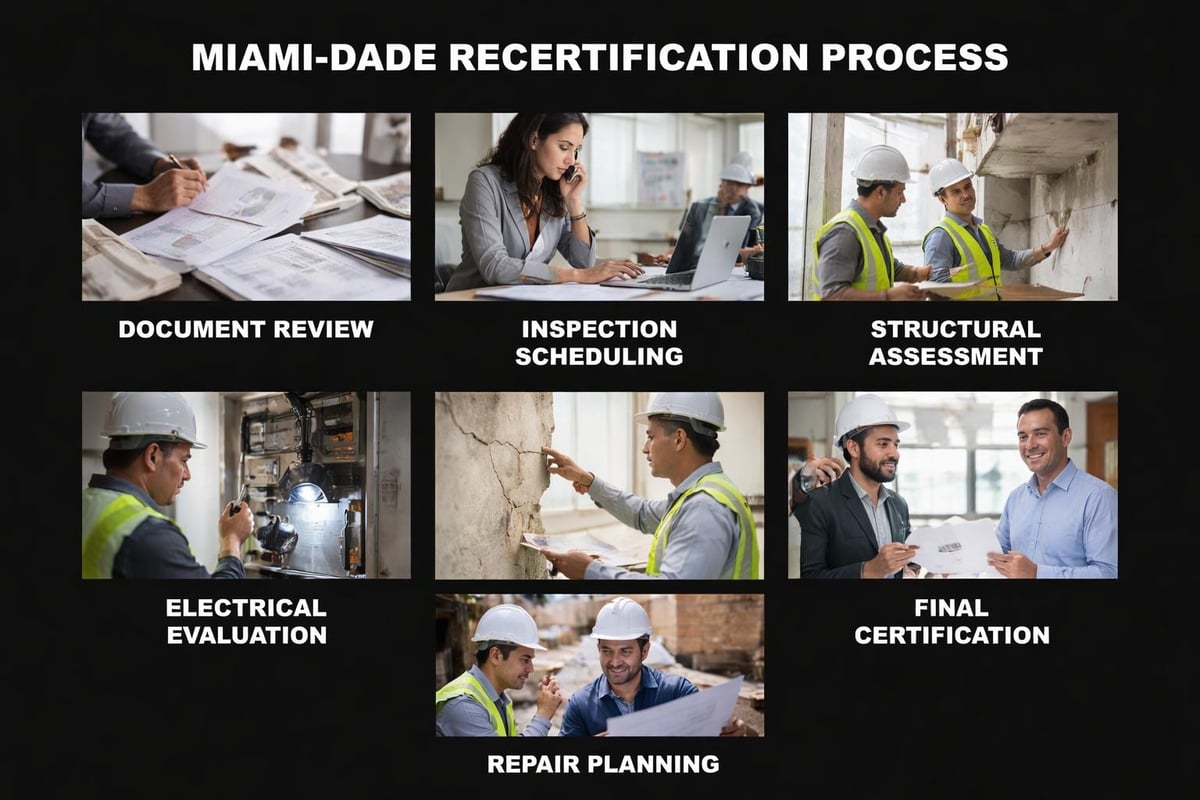
Understanding the step-by-step recertification process helps property owners prepare adequately and avoid delays. A qualified 40 year recertification engineer Miami-Dade professional guides clients through each phase.
Initial Assessment and Documentation Review
The process begins with document collection. Engineers need access to:
- Original building plans and specifications
- Previous inspection reports or maintenance records
- Association documents and reserve studies
- Any prior engineering assessments
- Permit history and violation records
This documentation review provides context for the physical inspection and identifies areas requiring particular attention. Many older buildings lack complete historical records, requiring engineers to make informed assessments based on available information and visual inspection.
Physical Inspection Procedures
Comprehensive physical inspections involve both invasive and non-invasive techniques. Engineers examine accessible areas visually while using specialized tools for detailed assessment:
- Concrete testing: Core samples, impact hammer testing, cover meter scanning
- Structural load analysis: Deflection measurements, load capacity calculations
- Moisture detection: Infrared thermography, moisture meters
- Electrical testing: Circuit analysis, grounding resistance, load evaluation
The thoroughness of this phase directly impacts the accuracy of findings and recommendations. Experienced engineers know where problems typically hide and how to identify issues before they become emergencies.
Coordinating Repairs and Final Certification
When inspections reveal deficiencies, property owners must address them before receiving certification. The scope and cost of repairs vary tremendously based on building condition, previous maintenance history, and the severity of identified issues.
Developing a Repair Strategy
Strategic repair planning balances immediate safety concerns with long-term building preservation. Engineers typically categorize findings into priority levels:
Critical repairs requiring immediate attention:
- Structural instability posing safety risks
- Electrical hazards creating fire or shock danger
- Building envelope failures causing active water intrusion
Important repairs needed for certification:
- Code violations that must be corrected
- Deterioration that will worsen without intervention
- System deficiencies affecting building operations
Recommended repairs for long-term preservation:
- Preventive maintenance items
- Upgrades improving building performance
- Enhancements extending system longevity
Concrete restoration and structural repairs often represent the largest expense category, particularly when extensive spalling or reinforcement damage exists.
Working with Contractors and Engineers
Successful recertification requires coordination between multiple parties: the certifying engineer, repair contractors, the building department, and property management. Clear communication prevents misunderstandings and keeps projects on schedule.
Property owners benefit from engineers who provide:
- Detailed repair specifications for contractor bidding
- Construction administration during repairs
- Progress inspections verifying work quality
- Final verification that repairs meet certification requirements
Some engineering firms offer integrated services, combining inspection, design, and construction management. This approach streamlines the process and ensures consistency from assessment through completion.
Financial Planning for Recertification
Budgeting for recertification involves multiple cost components. Smart planning prevents financial surprises and ensures adequate funding for all required work.
Typical Cost Categories
Inspection and engineering fees:
- Initial structural inspection: $3,000-$8,000 for typical mid-rise buildings
- Electrical inspection: $2,000-$5,000
- Detailed engineering analysis: $5,000-$15,000 if deficiencies require design work
- Construction oversight: 8-15% of repair costs
Repair and remediation costs:
- Minor concrete repairs: $10,000-$50,000
- Moderate structural work: $50,000-$200,000
- Extensive restoration: $200,000-$1,000,000+
- Electrical system upgrades: $15,000-$100,000+
Understanding 40 year recertification costs and budgeting strategies helps associations and property owners plan appropriately.
Reserve studies and structural integrity reserve studies (SIRS) provide financial planning tools specifically designed for recertification preparation. These assessments project future repair needs and recommended funding levels to avoid special assessments.
Financing Options and Assistance
Large recertification projects often exceed available reserve funds. Property owners have several financing options:
- Special assessments paid by unit owners
- Association loans secured by the property
- Payment plans allowing installment funding
- Refinancing existing association debt
- Grant programs for qualified properties
Early planning allows time to explore financing options and select the most cost-effective approach for the specific property and ownership structure.
Selecting Integrated Service Providers
The complexity of recertification creates advantages for working with firms offering comprehensive services. When inspection, engineering, and construction capabilities exist under one roof, coordination improves and accountability becomes clearer.
Benefits of Comprehensive Service Models
Streamlined communication eliminates the confusion that occurs when multiple independent parties each interpret requirements differently. A single point of contact manages the entire process from initial inspection through final certification.
Cost efficiency often results from integrated services. Engineering firms that perform their own repairs eliminate markup layers and reduce coordination overhead. They're also motivated to provide realistic repair specifications since they'll execute the work themselves.
Timeline advantages come from coordinated scheduling. Rather than waiting for independent contractors to bid, schedule, and complete work, integrated providers move directly from assessment to remediation.
Many property owners find that milestone building recertification services delivered by experienced South Florida firms familiar with local conditions provide the best overall value and results.
Preparing Your Building for Inspection
Proactive preparation reduces inspection time, costs, and the likelihood of discovering expensive surprises. A qualified 40 year recertification engineer Miami-Dade specialist can guide preparation efforts, but property owners can take several steps independently.
Pre-Inspection Actions
Document organization tasks:
- Compile all available building plans and specifications
- Gather previous inspection reports and engineering assessments
- Collect maintenance records showing repairs and upgrades
- Document any known issues or ongoing problems
- Prepare association meeting minutes discussing building condition
Physical preparation steps:
- Ensure access to all building areas (roof, mechanical rooms, parking structures)
- Clear storage or debris blocking inspection access
- Notify residents about inspection schedules and access requirements
- Arrange for utilities to be available during testing
- Complete any obvious minor repairs before formal inspection
These preparation activities demonstrate responsible building management and often result in more favorable inspection outcomes.
What to Expect During the Inspection
Professional engineers conduct inspections methodically, documenting conditions with photographs, measurements, and detailed notes. The process typically requires:
- Multiple site visits for thorough assessment of all building systems
- Access to individual units if common element penetrations or issues exist
- Invasive testing including concrete coring or material sampling
- Electrical load testing potentially causing temporary service interruptions
- Several weeks for laboratory analysis and engineering calculations
Understanding the detailed building recertification inspection process helps property managers communicate expectations to residents and minimize disruption.
Maintaining Compliance After Certification
Receiving recertification approval doesn't end building maintenance responsibilities. Smart property owners use the inspection process as a catalyst for improved maintenance programs that preserve building value and simplify future recertifications.
Implementing Preventive Maintenance Programs
Regular maintenance prevents minor issues from becoming major deficiencies. Effective programs include:
- Annual visual inspections of critical structural elements
- Quarterly drainage system maintenance preventing water intrusion
- Electrical system monitoring identifying problems before failure
- Concrete sealing programs protecting against moisture penetration
- Reserve study updates ensuring adequate funding for future needs
Documentation of these maintenance activities provides valuable evidence of responsible stewardship during future recertification cycles.
Planning for the Next Milestone
Buildings undergo recertification every 10 years following the initial milestone. Each subsequent inspection builds on previous findings, making good record-keeping essential.
Best practices for ongoing compliance:
- Maintain a dedicated file with all recertification documents
- Update building plans to reflect any modifications or repairs
- Track all structural or electrical repairs with permits and approvals
- Budget annually for the next recertification cycle
- Address minor deficiencies promptly rather than allowing accumulation
Properties with strong maintenance histories and good documentation typically experience smoother, less expensive recertification processes at each milestone.
Understanding Recent Regulatory Changes
The recertification program continues evolving as Miami-Dade County refines requirements based on experience and changing safety priorities. Staying informed about regulatory updates and program modifications ensures compliance and prevents surprises.
2026 Program Status
As of 2026, the accelerated timeline implemented in 2022 continues affecting buildings throughout Miami-Dade County. Properties built in 1996 now face their first 30-year milestone, while coastal buildings from 2001 reach their 25-year requirement.
The increased inspection volume has created capacity challenges for qualified engineers. Property owners who wait until receiving official notification often struggle to find available professionals within the required timeline. Early planning and engineer selection provides competitive advantages.
Future Considerations
Additional program modifications remain under discussion, potentially including:
- Expanded inspection scope addressing building envelope and waterproofing systems
- Enhanced reporting requirements with more detailed documentation standards
- Stricter deadline enforcement and penalty provisions
- Reserve study mandates ensuring financial preparedness
- Technology integration for digital submission and tracking
Watching for regulatory updates and working with engineers who participate in professional associations helps property owners stay ahead of changing requirements.
Navigating Miami-Dade County's building recertification program requires expert guidance, thorough planning, and qualified professionals who understand both the technical requirements and local conditions. Whether your property approaches its first 30-year milestone or a subsequent 10-year inspection, selecting the right 40 year recertification engineer Miami-Dade specialist ensures compliance while protecting your investment. Souffront Construction and Engineering provides comprehensive recertification services throughout South Florida, combining licensed engineering expertise with construction capabilities to deliver complete solutions from initial inspection through final certification and beyond.