Commercial Balcony Railing Replacement: 2026 Guide
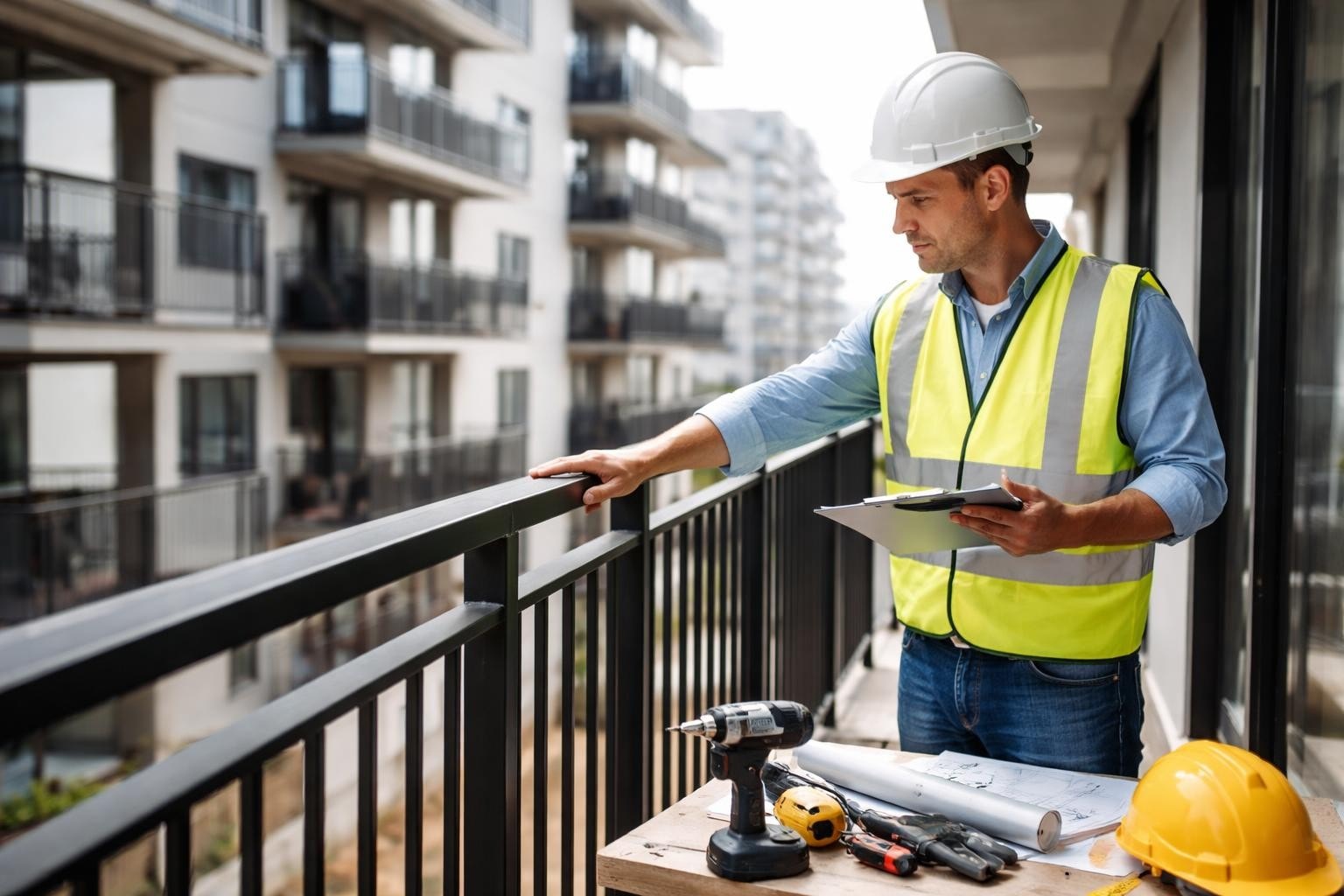
Balcony railings in commercial properties serve as critical safety barriers that protect residents and visitors from falls while also contributing to a building's aesthetic appeal. Over time, exposure to South Florida's harsh coastal environment, combined with normal wear and tear, can compromise these essential structures. When railings show signs of deterioration, property managers and building owners face important decisions about repair versus replacement, material selection, code compliance, and project execution.
Understanding When Replacement Becomes Necessary
Commercial balcony railing systems don't last forever, and recognizing the warning signs of structural compromise is essential for maintaining building safety and avoiding liability issues.
Critical Warning Signs
Visible rust and corrosion represent the most common indicators that metal railings need attention. In coastal South Florida, saltwater exposure accelerates this deterioration process significantly. When rust penetrates deep into metal components, surface treatment becomes insufficient, and full replacement offers the only reliable solution.
Loose or wobbly railings indicate failing connections that compromise safety. If handrails move when pressure is applied, the mounting system has likely deteriorated beyond simple tightening. Understanding the serious risks of railing failures demonstrates why addressing these issues promptly protects both residents and property owners from devastating consequences.
Additional failure indicators include:
- Cracked or damaged welds in metal systems
- Rotting wood components in hybrid systems
- Missing or damaged balusters creating dangerous gaps
- Paint failure exposing underlying materials
- Structural movement during wind events
- Non-compliant spacing between pickets
Code Compliance Considerations
Building codes evolve regularly, and railings installed decades ago may not meet current safety standards. South Florida property owners navigating milestone building recertification often discover their existing railings require updates to meet current requirements.
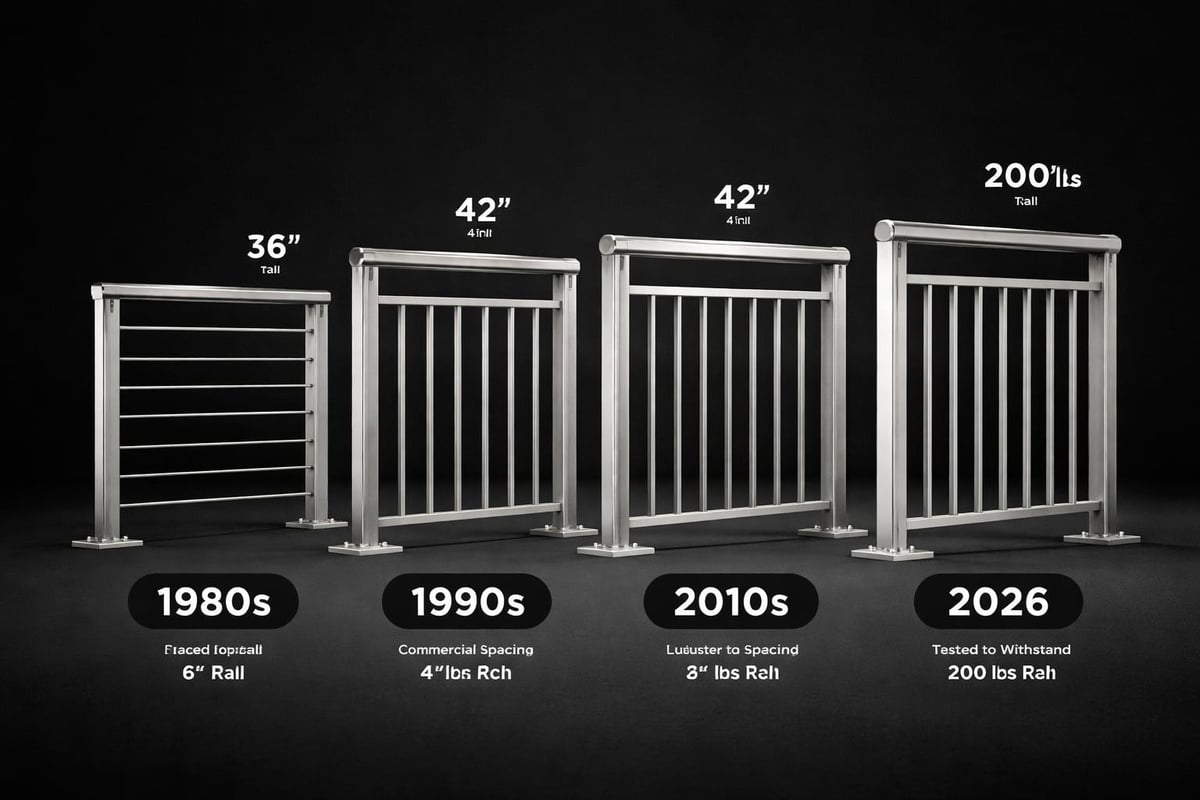
The 2026 code updates have established specific requirements that affect commercial properties. Current balcony railing height requirements mandate minimum heights based on the building's use classification and the elevation of the balcony. Commercial buildings typically require railings between 42 and 48 inches high, with specific load-bearing capacities that older systems may not satisfy.
Material Options for Commercial Applications
Selecting appropriate materials for commercial balcony railing replacement involves balancing durability, maintenance requirements, aesthetics, and budget constraints. Each material option presents distinct advantages and considerations for South Florida's climate.
Aluminum Railing Systems
Aluminum has emerged as the preferred choice for many commercial applications due to its exceptional corrosion resistance and low maintenance requirements. Unlike steel, aluminum doesn't rust when exposed to saltwater, making it ideal for coastal properties.
Modern aluminum systems come powder-coated in various colors and finishes, providing aesthetic versatility while adding an extra protective layer. The material's lightweight nature simplifies installation while maintaining structural integrity that meets or exceeds code requirements.
| Material | Lifespan | Maintenance | Cost Range | Salt Resistance |
|---|---|---|---|---|
| Aluminum | 25-30 years | Low | $$$ | Excellent |
| Stainless Steel | 30-40 years | Moderate | $$$$ | Excellent |
| Galvanized Steel | 15-25 years | Moderate-High | $$ | Good |
| Glass/Aluminum | 20-25 years | Moderate | $$$$ | Excellent |
Stainless Steel Installations
When budget allows, stainless steel provides unmatched longevity and maintains its appearance with minimal maintenance. Marine-grade 316 stainless steel offers superior corrosion resistance compared to standard 304 grades, making it particularly valuable for oceanfront properties.
The sleek, modern aesthetic of stainless steel cable railings or frameless glass panels supported by stainless posts creates upscale appearances that enhance property values. However, the higher initial investment requires careful budget consideration during the planning phase.
Glass and Hybrid Systems
Frameless glass railing systems have gained popularity in commercial settings where maintaining ocean views or creating contemporary aesthetics matters. These systems typically combine aluminum or stainless steel posts with tempered safety glass panels.
Benefits of glass railing systems:
- Unobstructed views preserve property appeal
- Modern appearance attracts premium tenants
- Easy cleaning compared to picket systems
- Excellent wind resistance when properly installed
Retrofitting exterior aluminum or glass guardrails requires specific engineering considerations to ensure proper integration with existing balcony structures.
The Replacement Process Explained
Understanding the commercial balcony railing replacement workflow helps property managers plan effectively and minimize disruption to residents.
Initial Assessment and Engineering
The process begins with comprehensive structural evaluation. Engineers inspect not just the railings but also the balcony deck, attachment points, and supporting structures. This assessment often occurs during structural engineering design and analysis phases for larger properties.
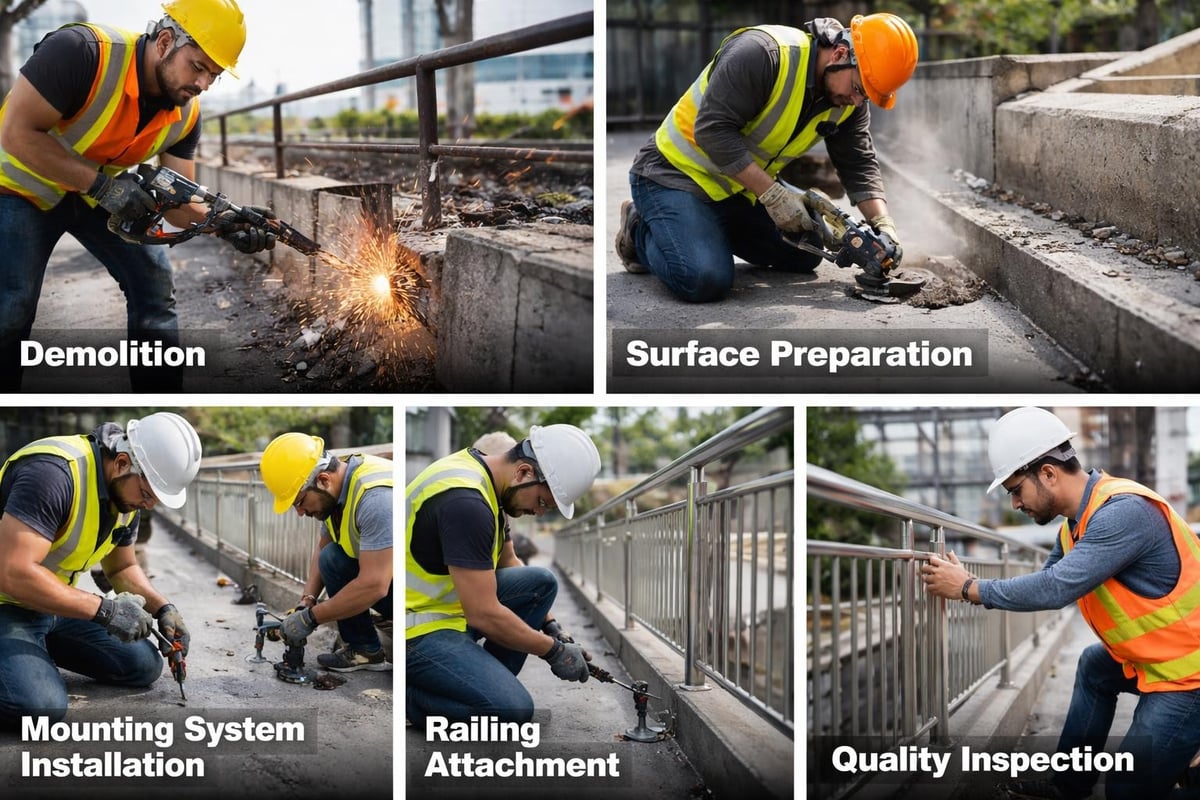
Surface preparation becomes critical when existing mounting points show deterioration. Concrete balcony edges often require repair before new railings can be installed, particularly when corrosion from old railings has caused spalling or cracking. Concrete restoration services frequently work in conjunction with railing replacement to ensure solid foundations.
Design and Permitting
Once assessment is complete, design work begins. This phase includes selecting materials, finalizing dimensions, creating shop drawings, and preparing permit applications. South Florida municipalities require detailed plans and calculations demonstrating code compliance.
The permitting timeline varies by jurisdiction but typically requires 4-8 weeks for approval. Rushing this phase creates problems, as inspectors will reject non-compliant installations requiring costly rework.
Typical project timeline breakdown:
- Initial assessment and engineering (2-3 weeks)
- Design development and material selection (1-2 weeks)
- Permit application and approval (4-8 weeks)
- Material ordering and fabrication (4-6 weeks)
- Installation (varies by building size)
- Final inspection and approval (1-2 weeks)
Installation Coordination
Coordinating installation in occupied buildings requires careful planning. Contractors must schedule work to minimize resident disruption while maintaining productivity. Many projects proceed floor by floor or section by section, allowing residents to maintain balcony access for most of the project duration.
Safety becomes paramount during installation. Professional contractors establish fall protection systems, secure work areas, and protect pedestrian zones below work areas. Top considerations for commercial handrail replacement emphasize these safety protocols throughout the installation process.
Cost Factors and Budgeting
Commercial balcony railing replacement represents a significant investment that varies based on multiple factors. Understanding these variables helps property managers develop realistic budgets and avoid unexpected expenses.
Primary Cost Drivers
Building height directly impacts costs, as work on upper floors requires more expensive equipment, increased safety measures, and slower installation rates. A 20-story building costs substantially more per linear foot than a three-story building, even when using identical materials.
Material selection creates the most visible cost variation. Basic aluminum picket systems might cost $75-125 per linear foot installed, while frameless glass systems with stainless steel posts can exceed $300 per linear foot.
The condition of existing balconies affects total project costs significantly. When concrete restoration work becomes necessary before new railings can be installed, budgets must account for these additional repairs.
| Project Scope | Basic System | Mid-Range System | Premium System |
|---|---|---|---|
| 3-story building (500 linear feet) | $40,000-$65,000 | $75,000-$125,000 | $150,000-$200,000 |
| 10-story building (1,800 linear feet) | $160,000-$225,000 | $300,000-$450,000 | $600,000-$800,000 |
| 20-story building (3,500 linear feet) | $350,000-$500,000 | $650,000-$1,000,000 | $1,200,000-$1,800,000 |
Hidden Expenses to Anticipate
Engineering fees for stamped drawings and calculations typically add 8-12% to material and installation costs. Permit fees vary by municipality but generally range from $500 to $5,000 depending on project scope.
Temporary railing systems may be required during phased installations to maintain safety. These rental costs, while relatively minor, should be included in comprehensive budgets.
Testing and inspection fees occur throughout the project. Pull tests verify railing strength, and final inspections ensure code compliance. Building officials may require additional documentation or modifications before issuing final approval.
Maintaining Safety During Transitions
The period between removing old railings and completing new installations creates temporary safety hazards requiring careful management.
Phased Replacement Strategies
Smart contractors develop phased approaches that never leave large sections of balconies without protective barriers. Work typically progresses in small sections, with temporary barriers installed immediately when old railings are removed.
Some projects install new railings in front of old systems before removing the original barriers. This approach eliminates any gap in protection but requires sufficient balcony depth and may temporarily reduce usable balcony space.
Resident communication best practices:
- Provide 30-day advance notice of project start
- Distribute weekly updates on work progress
- Establish clear communication channels for concerns
- Create restricted access schedules when necessary
- Offer alternative amenity access during work periods
Quality Assurance and Final Inspection
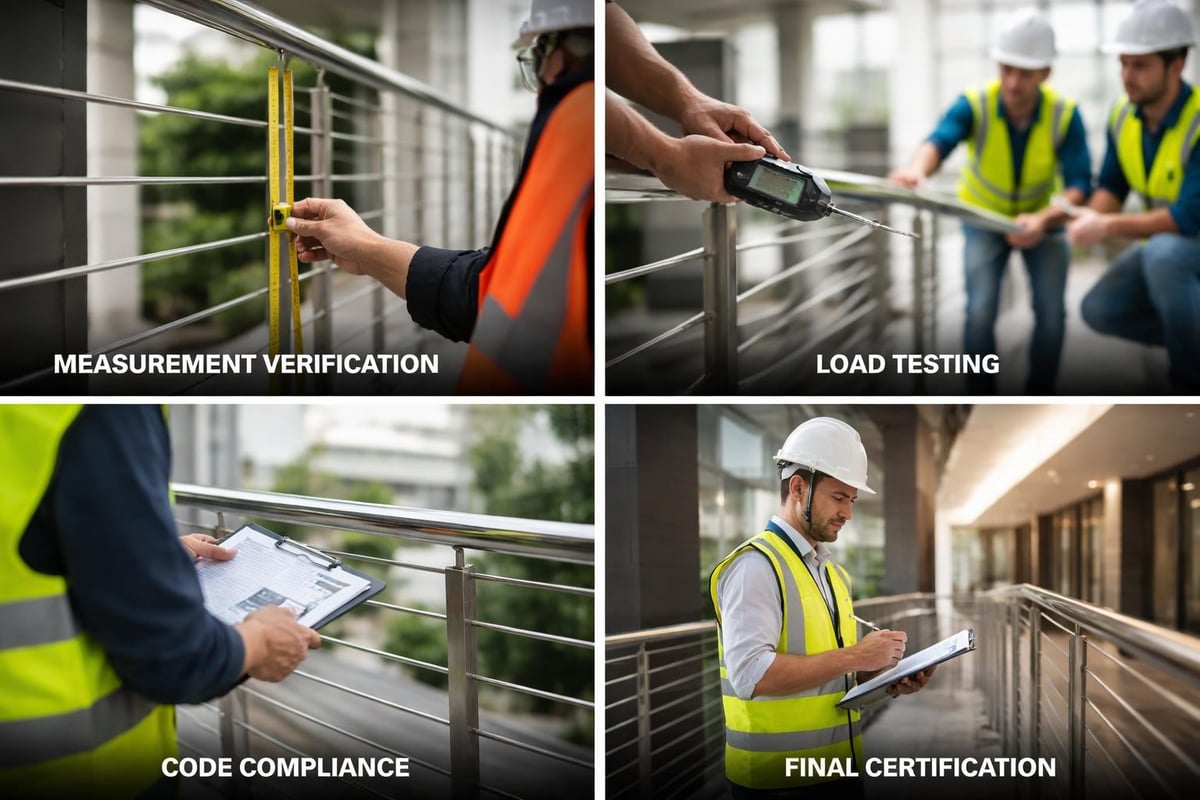
Professional installation teams conduct ongoing quality checks throughout the project. Weld quality, proper spacing, secure mounting, and alignment all receive verification before moving to subsequent sections.
The commercial balcony restoration process includes comprehensive final inspections that verify all work meets engineering specifications and building codes. Building officials conduct their own inspections before issuing certificates of completion.
Selecting Qualified Contractors
The success of commercial balcony railing replacement projects depends heavily on contractor selection. Not all construction companies possess the specialized expertise required for this work.
Essential Qualifications
Contractors should demonstrate specific experience with commercial railing projects, not just general construction work. Request references from similar-sized buildings and contact previous clients about their experiences.
Proper licensing and insurance protect property owners from liability. Verify that contractors carry adequate general liability coverage, workers compensation insurance, and professional liability policies. Florida contractors performing this work should hold appropriate state licenses.
Engineering capabilities distinguish professional firms from basic contractors. Companies that provide building inspections and structural engineering services in-house streamline the process and ensure cohesive project execution.
Evaluating Proposals
Detailed proposals should specify exact materials (including manufacturer and model numbers), provide clear timelines with milestone dates, and outline payment schedules tied to project phases. Vague proposals often lead to misunderstandings and disputes.
Compare proposals on equal bases by ensuring they specify identical materials and scopes of work. The lowest bid frequently indicates missing elements or substandard materials that create problems later.
Case studies of successful commercial projects demonstrate the quality of work contractors can deliver and provide insight into their project management approaches.
Long-Term Value and ROI
While commercial balcony railing replacement requires substantial investment, the project delivers multiple forms of value that extend beyond immediate safety compliance.
Property Value Enhancement
Well-maintained, modern railing systems improve curb appeal and marketability. Properties with updated safety features command higher rents and sales prices compared to buildings with deteriorating railings.
The aesthetic impact of new railings shouldn't be underestimated. Modern systems create clean, contemporary appearances that appeal to prospective tenants and buyers, particularly in competitive markets.
Liability Risk Reduction
Failing railings expose property owners to significant liability. Injuries from railing failures result in costly lawsuits, increased insurance premiums, and potential regulatory penalties. Proactive replacement eliminates these risks before incidents occur.
Insurance companies increasingly scrutinize building maintenance practices. Properties with comprehensive maintenance records and updated safety systems often qualify for better insurance rates and terms.
Compliance with Evolving Standards
Florida's building regulations continue evolving, particularly following high-profile structural failures. Properties that maintain current safety standards avoid enforcement actions and position themselves favorably during milestone inspections.
The 2026 code updates have intensified scrutiny of balcony systems. Buildings approaching their 40-year recertification deadlines often discover that railing updates become necessary components of achieving compliance.
Environmental and Sustainability Considerations
Modern commercial balcony railing replacement projects increasingly incorporate sustainability principles that benefit both the environment and long-term operational costs.
Material Recycling and Reuse
Aluminum railings offer exceptional recyclability at end of life. Responsible contractors salvage removed aluminum for recycling rather than sending it to landfills. This practice reduces environmental impact while potentially generating small credits toward project costs.
Steel components similarly hold recycling value, though rust and corrosion may reduce recovery rates. Glass panels from hybrid systems can often be recycled through specialized processors.
Energy and Resource Efficiency
Powder-coated finishes on modern aluminum systems eliminate the need for periodic repainting, reducing VOC emissions and maintenance costs over the railing's lifespan. These finishes maintain appearance for decades with simple washing.
The durability of quality materials reduces replacement frequency. A properly specified and installed aluminum or stainless steel system should last 25-40 years, minimizing resource consumption compared to cheaper alternatives requiring replacement every 10-15 years.
Commercial balcony railing replacement protects residents, preserves property values, and ensures regulatory compliance for building owners facing aging infrastructure. By understanding material options, planning thoroughly, selecting qualified contractors, and executing projects professionally, property managers transform this necessary maintenance into long-term value creation. Souffront Construction and Engineering provides comprehensive balcony and railing replacement services throughout South Florida, combining structural engineering expertise with proven construction capabilities to deliver safe, code-compliant solutions for commercial and residential properties requiring milestone recertification or proactive maintenance.