Aluminum Railing Installation Florida: 2026 Guide
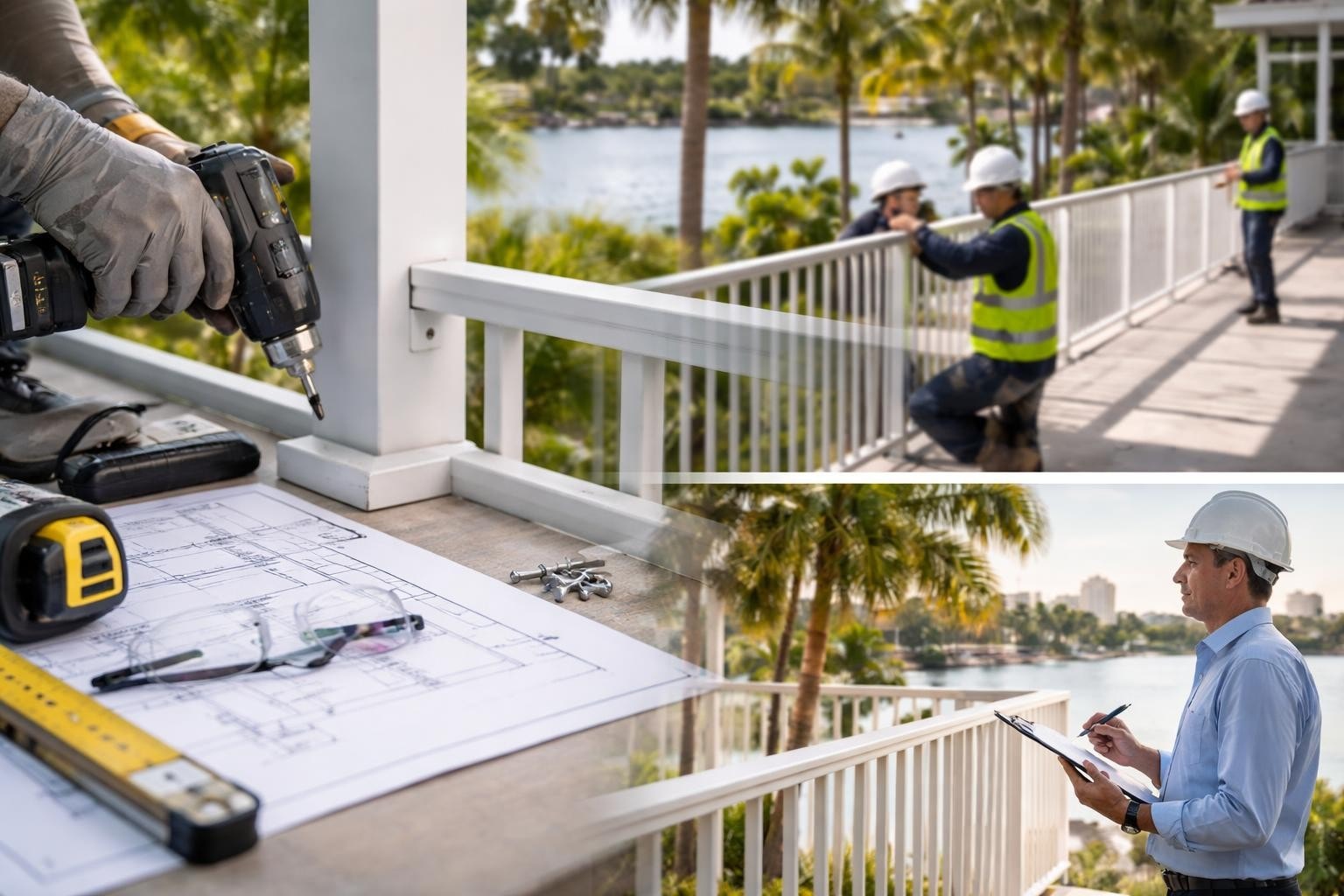
Florida's coastal environment demands exceptional durability from building materials, making aluminum railings a preferred choice for property owners across the state. With updated building codes taking effect in 2026 and enhanced safety requirements following recent legislative changes, understanding proper aluminum railing installation Florida procedures has become more critical than ever. This comprehensive guide explores the technical requirements, material considerations, and installation best practices that ensure your railing systems meet both safety standards and longevity expectations in South Florida's demanding climate.
Understanding Florida Building Code Requirements for Aluminum Railings
Building codes governing aluminum railing installation Florida projects have evolved significantly to address safety concerns and structural integrity. The Florida Building Code mandates specific height requirements, load capacities, and spacing standards that vary depending on the application and building type.
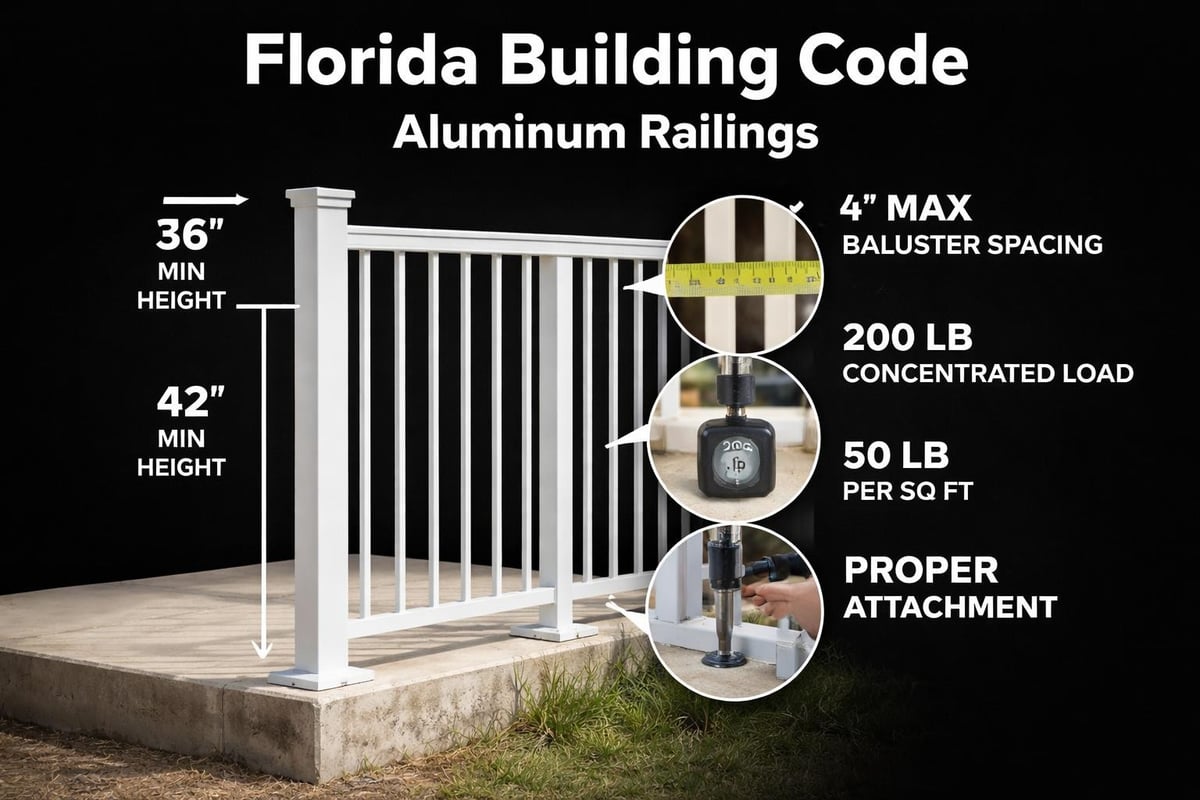
Residential railings must maintain a minimum height of 36 inches for ground-level installations, while guardrails on elevated surfaces require 42 inches. These measurements apply from the walking surface to the top rail. The building codes for aluminum railing installations specify that guardrails must withstand a concentrated load of 200 pounds applied at any point along the top rail.
Critical code compliance factors include:
- Baluster spacing not exceeding 4 inches between vertical members
- Load resistance of 50 pounds per square foot applied horizontally
- Graspable handrails with diameters between 1.25 and 2 inches
- Corrosion-resistant fasteners rated for coastal environments
- Structural attachment points capable of supporting required loads
Miami-Dade County Specific Requirements
Miami-Dade County enforces additional requirements beyond state code minimums. Properties within the High Velocity Hurricane Zone must use railings with product approvals demonstrating wind resistance capabilities. The county's detailed specifications for aluminum railings outline material grades, welding standards, and fastener types approved for coastal installations.
Properties undergoing milestone building recertification must ensure railings meet current code standards, even if they were compliant when originally installed. This becomes particularly relevant for buildings reaching their 40-year inspection milestone, where outdated railing systems frequently require replacement.
Material Selection for Florida's Coastal Climate
Choosing appropriate aluminum alloys makes the difference between a railing system that lasts decades and one requiring premature replacement. Florida's combination of salt air, high humidity, intense UV exposure, and hurricane-force winds demands materials engineered specifically for harsh conditions.
Marine-grade aluminum alloys, particularly 6061-T6 and 6063-T5, offer optimal corrosion resistance and structural strength. The T6 temper designation indicates solution heat treatment followed by artificial aging, producing superior hardness and tensile strength compared to lesser grades.
| Aluminum Alloy | Tensile Strength | Corrosion Resistance | Best Application |
|---|---|---|---|
| 6061-T6 | 45,000 PSI | Excellent | Structural posts, heavy-duty rails |
| 6063-T5 | 27,000 PSI | Excellent | Decorative balusters, infill panels |
| 5052-H32 | 33,000 PSI | Superior | Extreme coastal exposure |
| 3003-H14 | 22,000 PSI | Good | Interior applications only |
Finish Options and Protective Coatings
Powder coating provides superior protection against Florida's elements compared to anodizing or painted finishes. This electrostatically applied coating creates a durable barrier that resists chipping, scratching, and UV degradation. Select powder coatings specifically rated for coastal environments with salt spray resistance certifications.
Factory-applied finishes generally outperform field-applied coatings because controlled environments ensure proper surface preparation and curing temperatures. Many commercial aluminum railing manufacturers offer extensive color selections with warranties extending 10 to 20 years when properly maintained.
Pre-Installation Assessment and Planning
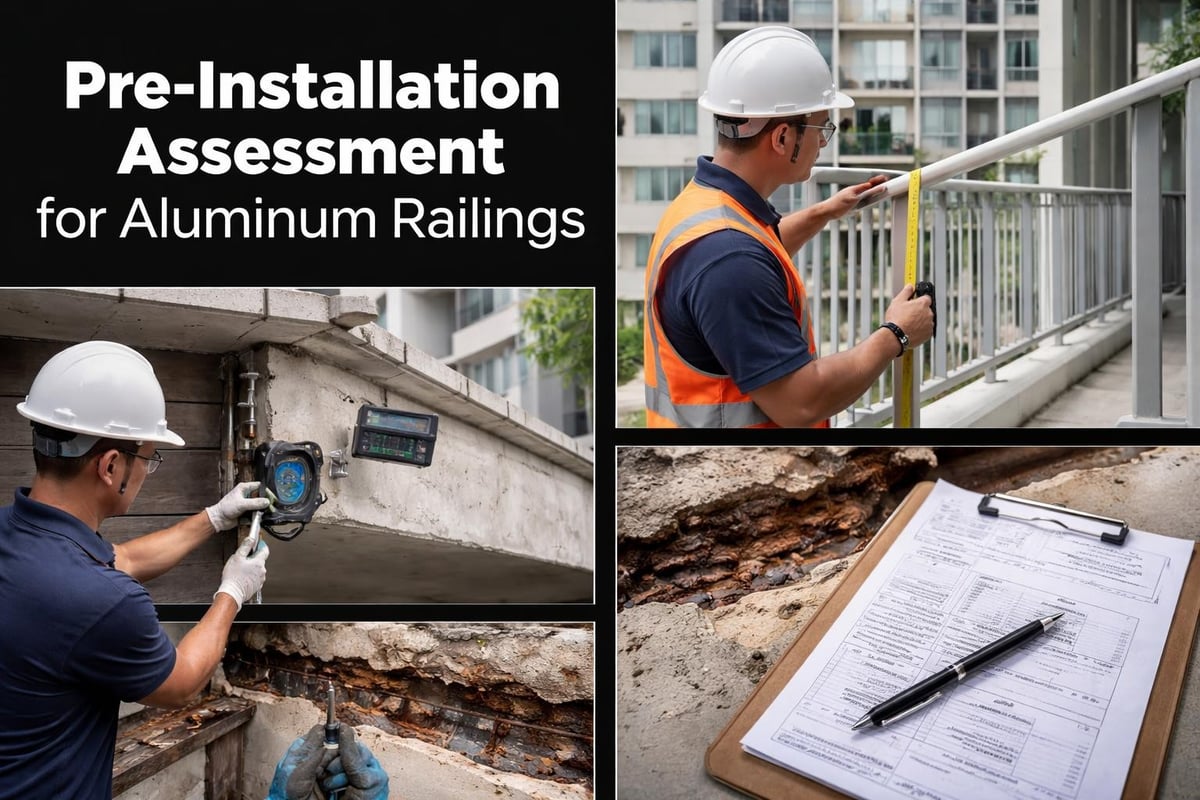
Successful aluminum railing installation Florida projects begin with thorough site evaluation and engineering analysis. Professional assessment identifies structural concerns, code violations, and environmental factors that impact installation methods and material choices.
Structural Capacity Evaluation
Existing attachment surfaces must support both the railing weight and required load ratings. Concrete decks, balconies, and stair landings need evaluation for:
- Concrete strength and condition
- Existing reinforcement adequacy
- Surface degradation or spalling
- Water intrusion damage
- Adequate edge distance for anchoring
Properties showing concrete deterioration may require structural repairs before railing installation proceeds. Installing railings on compromised substrates creates liability concerns and virtually guarantees premature failure.
Forensic water intrusion investigations often reveal hidden damage beneath existing railings. Water migrating through improper flashing or failed sealants compromises attachment points, making thorough inspection essential before proceeding with new installations.
Permit Requirements and Documentation
Most municipalities require building permits for aluminum railing installation Florida projects, particularly when replacing existing systems or installing on elevated surfaces. Understanding Florida railing inspection requirements helps avoid delays and ensures compliance throughout the installation process.
Permit packages typically include:
- Engineered drawings showing railing layout, dimensions, and details
- Product specifications with manufacturer approvals
- Structural calculations demonstrating load compliance
- Installation methods for attachment and waterproofing
- Material certifications verifying alloy grades and finishes
Working with companies that provide structural engineering services streamlines the permit process and ensures designs meet current code requirements while addressing site-specific conditions.
Installation Process and Best Practices
Professional installation requires specialized tools, technical knowledge, and attention to detail that separates quality work from problematic installations. The multi-step process addresses structural attachment, proper alignment, waterproofing, and finish protection.
Surface Preparation and Layout
Clean attachment surfaces thoroughly, removing all contaminants, loose material, and previous coatings. Mark post locations according to approved plans, verifying spacing meets code requirements and architectural intent. Use laser levels or optical transits to establish reference lines ensuring plumb posts and level rails.
Essential preparation steps:
- Grind concrete surfaces to expose sound substrate
- Locate existing reinforcement to avoid cutting steel
- Verify substrate thickness for adequate anchor embedment
- Apply primer coatings if specified by engineering
- Stage materials to minimize handling damage
Anchor Installation and Structural Connection
Mechanical anchors provide reliable connections when installed according to manufacturer specifications and engineering requirements. Expansion anchors, epoxy-set anchors, and through-bolt systems each offer distinct advantages depending on substrate conditions and loading requirements.
Expansion anchors work well in high-strength concrete but require precise hole sizing and torque values. Epoxy-set anchors accommodate larger tolerances and perform better in cracked or lower-strength concrete. Through-bolt systems provide maximum strength but require access to both sides of the substrate.
| Anchor Type | Installation Time | Load Capacity | Best Use Case |
|---|---|---|---|
| Wedge Expansion | Immediate | High | Solid concrete, no cracks |
| Sleeve Expansion | Immediate | Medium-High | General purpose |
| Epoxy-Set | 24-72 hours | Highest | Cracked concrete, critical loads |
| Through-Bolt | Immediate | Highest | Accessible backside |
Waterproofing and Sealant Application
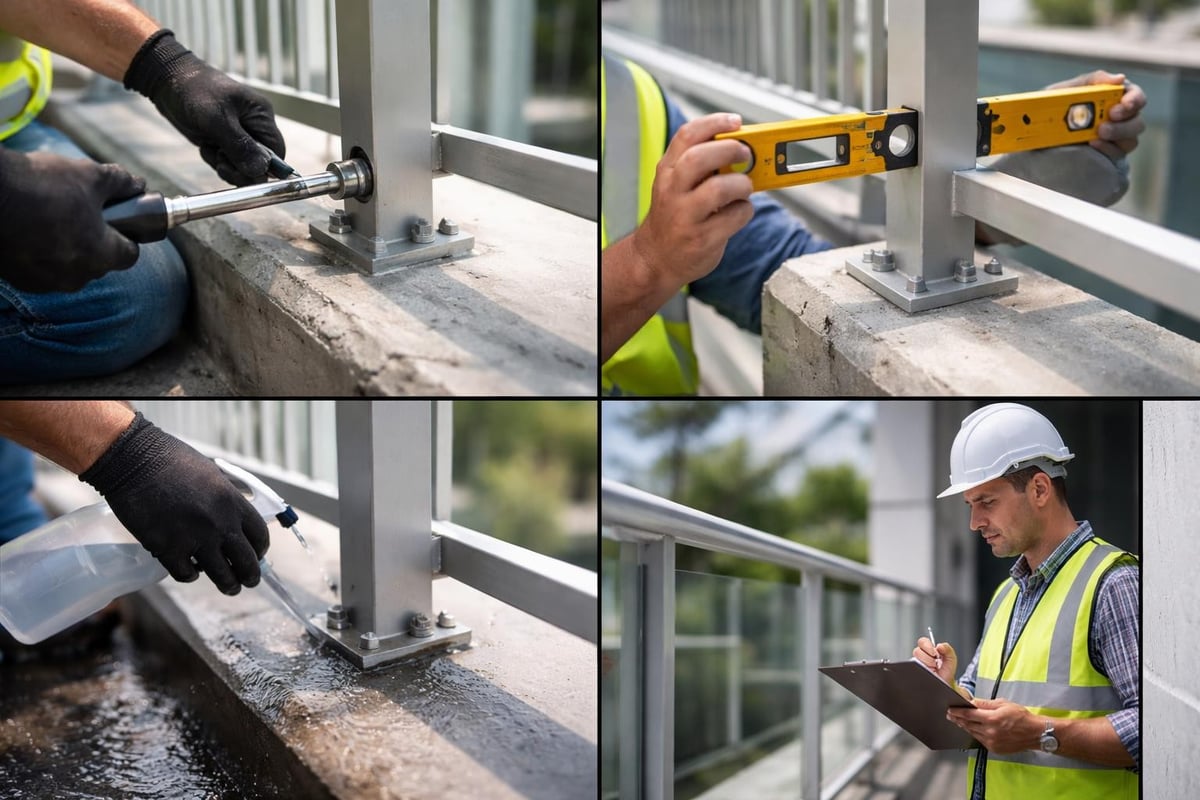
Proper waterproofing around aluminum railing installation Florida penetrations prevents the water intrusion that damages concrete and causes structural deterioration. Every anchor penetration creates a potential water entry point requiring careful sealing.
Apply flexible polyurethane or silicone sealants specifically formulated for aluminum-to-concrete joints. These materials accommodate thermal expansion while maintaining watertight seals. Follow the manufacturer's cure times before exposing joints to water or loading.
Flash post bases using pre-formed aluminum boots or site-fabricated flashing that directs water away from penetrations. Integrate flashing with existing waterproofing membranes, ensuring continuous protection across the entire deck or balcony surface.
Quality Control and Inspection Procedures
Rigorous inspection throughout installation catches problems before they become costly failures. Professional installers implement quality control checkpoints at each phase, documenting compliance with specifications and code requirements.
Installation Verification Checklist
Verify the following before, during, and after installation:
- Pre-installation: Material certifications match specifications, anchor spacing follows approved drawings, substrate preparation meets standards
- During installation: Anchor torque values documented, plumbness and alignment within tolerances, waterproofing properly applied
- Post-installation: Load testing if required, all connections secure, finish protection intact, permits closed with approved inspections
Municipal inspectors evaluate installations against safety and compliance standards during rough-in and final inspections. Address any deficiencies immediately to avoid delays and additional costs.
Common Installation Defects to Avoid
Understanding frequent mistakes helps prevent problems during aluminum railing installation Florida projects. These defects often appear during building recertification inspections years after installation, creating expensive correction requirements.
Typical defects include:
- Insufficient anchor embedment depth
- Over-torqued expansion anchors causing concrete cracking
- Missing or improperly applied waterproofing
- Inadequate spacing between balusters
- Incorrect rail heights or measurement errors
- Incompatible metal contact causing galvanic corrosion
- Poor weld quality on custom fabrications
Maintenance Requirements for Long-Term Performance
Even properly installed aluminum railings require regular maintenance to maximize service life in Florida's aggressive environment. Establishing a maintenance schedule prevents minor issues from developing into major problems requiring extensive repairs.
Regular Cleaning Protocols
Salt accumulation accelerates corrosion even on marine-grade aluminum. Rinse railings monthly with fresh water, increasing frequency for properties directly exposed to ocean spray. Use mild detergent solutions and soft brushes for quarterly deep cleaning, avoiding abrasive materials that damage powder coating.
Properties should maintain documentation of maintenance activities, particularly those approaching 40-year recertification milestones where maintenance records demonstrate responsible property management.
Annual Inspection Points
Conduct detailed inspections annually, examining:
- Anchor connections for looseness or movement
- Sealant joints for cracking or separation
- Coating surfaces for degradation or corrosion
- Weld integrity on fabricated components
- Fastener condition and proper torque
- Drainage functionality around posts
Address identified deficiencies promptly to prevent accelerated deterioration. Small sealant repairs cost minimal amounts compared to replacing corroded posts or repairing water-damaged concrete.
Cost Considerations and Budget Planning
Understanding the complete cost picture helps property owners and managers budget appropriately for aluminum railing installation Florida projects. While material costs remain relatively stable, labor expenses and site-specific factors create significant variability.
Material costs for standard aluminum railing systems range from $45 to $85 per linear foot for supply-only, with premium systems reaching $120 per linear foot. Installation labor typically adds $30 to $60 per linear foot, varying with project complexity, access challenges, and required substrate repairs.
Budget factors to consider:
- Engineering and permit fees: $1,500 to $5,000 depending on project scope
- Substrate repairs: $75 to $150 per square foot for concrete restoration
- Custom fabrication: 25% to 50% premium over standard systems
- Access equipment: $500 to $2,000 for scaffolding or lifts
- Waterproofing upgrades: $15 to $30 per linear foot of deck edge
Return on Investment Analysis
Quality aluminum railing systems provide excellent value through reduced maintenance costs and extended service life. While initial investment exceeds some alternatives, the total cost of ownership favors aluminum in Florida's climate.
Compare lifecycle costs over 20 years:
| Material Type | Initial Cost | Maintenance Cost | Replacement Frequency | Total 20-Year Cost |
|---|---|---|---|---|
| Aluminum | $100/LF | $5/LF annually | None expected | $200/LF |
| Powder-coated steel | $85/LF | $15/LF annually | 15 years | $385/LF |
| Wood composite | $75/LF | $20/LF annually | 12 years | $550/LF |
| Vinyl | $60/LF | $10/LF annually | 10 years | $380/LF |
Properties maintaining aluminum railings according to manufacturer recommendations often exceed 30-year service lives without major repairs. This longevity proves particularly valuable for condominiums and commercial properties where replacement projects involve extensive coordination and disruption.
Integration with Building Systems and Aesthetics
Modern aluminum railing installation Florida projects increasingly emphasize design integration and architectural compatibility. Railings function as both safety elements and visual features that impact property values and resident satisfaction.
Architectural Style Considerations
Contemporary designs favor clean lines and minimal visual interruption, often incorporating glass infill panels or cable rail systems. Traditional properties benefit from ornamental aluminum that replicates wrought iron aesthetics without the maintenance burden. Understanding Florida Building Code requirements for aluminum structures helps coordinate railing designs with other architectural elements like pergolas and shade structures.
Color selection significantly impacts visual appeal and heat absorption. Darker colors create striking contrasts but reach higher surface temperatures in direct sunlight. Lighter neutrals reduce heat gain and show less weathering over time, making them practical choices for frequently touched handrails.
Coordination with Other Building Systems
Effective aluminum railing installation Florida planning considers interaction with:
- Lighting systems: Integrate low-voltage lighting into rail caps or post caps
- Drainage systems: Ensure railings don't obstruct scuppers or create ponding
- Waterproofing: Coordinate penetrations with existing or planned waterproofing
- Electrical conduits: Route wiring through hollow rail sections when applicable
Buildings undergoing electrical system upgrades can efficiently integrate lighting into railing replacement projects, reducing overall installation costs through coordinated planning.
Specialized Applications and Custom Solutions
Standard railing systems address most requirements, but certain applications demand custom engineering and fabrication. Understanding when specialized solutions become necessary helps property owners plan appropriately and avoid unsuitable products.
Curved and Radius Railings
Curved balconies, circular staircases, and radius corners require custom-fabricated railings. Manufacturers produce these systems through multiple methods:
- Segmented construction using short straight sections approximating curves
- Roll-formed components creating true radius configurations
- Welded fabrications offering unlimited design flexibility
- Adjustable systems with swiveling connections for gentle curves
Segmented approaches work well for large-radius curves but create noticeable facets on tight radii. True radius systems provide smooth curves but increase costs 40% to 60% above straight sections.
High-Wind Coastal Installations
Properties in High Velocity Hurricane Zones require railings engineered and tested for extreme wind loads. These systems incorporate:
- Enhanced post spacing (36 inches maximum versus 60 inches standard)
- Increased wall thickness on structural members
- Through-bolt connections rather than surface-mounted anchors
- Additional mid-span supports for extended rail runs
- Impact-resistant infill materials resistant to windborne debris
Proper engineering ensures systems meet product approval requirements while maintaining aesthetic intent. Structural engineering services provide calculations demonstrating compliance with enhanced wind load requirements specific to coastal locations.
ADA Compliance for Public Facilities
Commercial properties and multifamily buildings with public areas must meet Americans with Disabilities Act requirements. ADA-compliant railings feature:
- Continuous graspable handrails at 34 to 38 inches height
- Extensions 12 inches beyond top and bottom stair nosings
- Circular cross-sections between 1.25 and 2 inches diameter
- Clearance of 1.5 inches between rail and wall surfaces
- Contrasting colors for visual differentiation
Understanding these requirements during planning prevents costly modifications discovered during inspections. Many jurisdictions now require ADA compliance even for private residential properties with multiple units.
Proper aluminum railing installation in Florida requires understanding complex building codes, selecting appropriate materials for coastal conditions, and implementing proven installation techniques that ensure long-term performance. Whether you're managing a property approaching its 40-year recertification milestone or planning proactive upgrades, professional guidance makes the difference between compliant installations and problematic systems. Souffront Construction and Engineering provides comprehensive railing replacement services backed by structural engineering expertise, building inspection knowledge, and construction experience specific to South Florida's demanding requirements. Contact our team today to discuss your aluminum railing project and ensure your property meets 2026 code standards with systems engineered for decades of reliable service.