Condominium Railing Replacement South Florida Guide
South Florida's coastal environment presents unique challenges for condominium associations managing aging infrastructure. Salt air, humidity, and intense UV exposure accelerate deterioration of building components, particularly railings that serve as critical safety barriers. When condominium railing replacement south florida projects become necessary, property managers and association boards face complex decisions involving code compliance, material selection, budgeting, and resident coordination. Understanding the regulatory landscape and best practices ensures successful outcomes that protect both property values and resident safety.
Understanding Florida's Railing Compliance Requirements
Florida law mandates specific standards for condominium railings following the Champlain Towers South collapse in 2021. The structural safety amendments introduced stricter inspection protocols and maintenance requirements for all condominium buildings. These regulations directly impact when and how associations must address railing replacement projects.
Key compliance elements include:
- Height requirements of 42 inches for most applications
- Maximum opening spacing to prevent falls
- Load-bearing capacity specifications
- Regular inspection intervals
- Documentation of maintenance activities
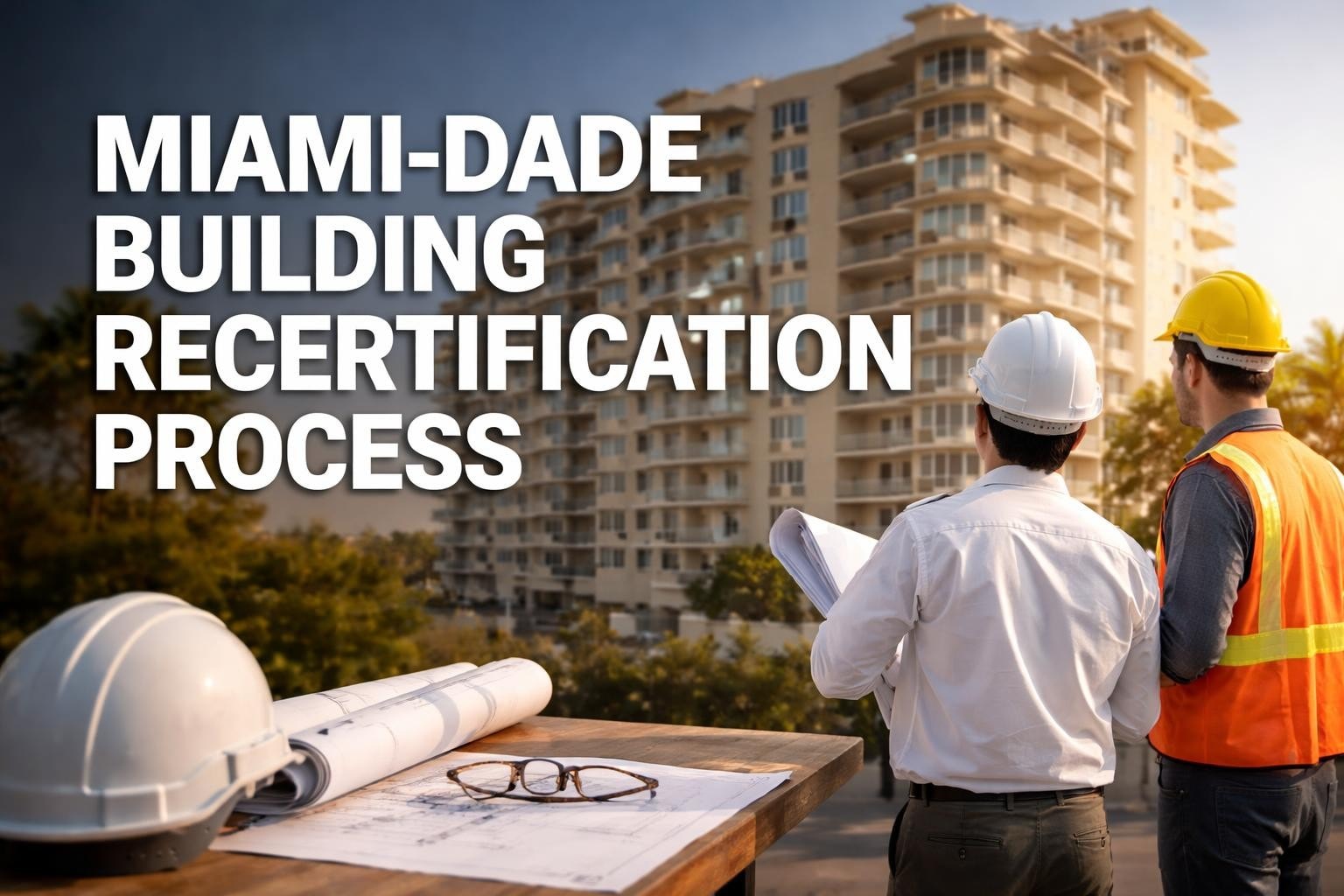
The Florida railing inspection requirements establish clear timelines for when professional assessments must occur. Buildings approaching their milestone recertification dates face particularly rigorous scrutiny of railing systems during building recertification inspections.
Milestone Inspection Triggers for Railing Assessment
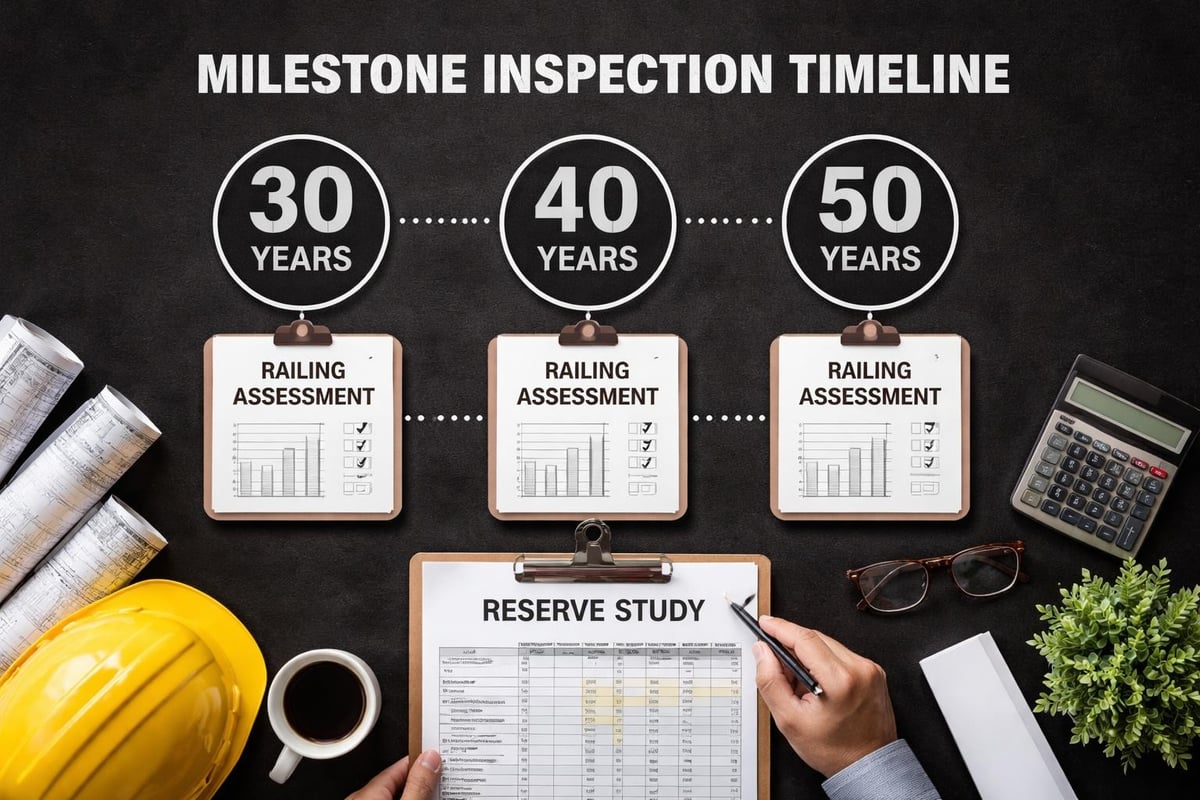
Condominium associations must understand how milestone inspections intersect with railing maintenance planning. Buildings reaching 30, 40, or 50 years of age undergo comprehensive structural evaluations that frequently identify railing deficiencies requiring immediate attention.
Florida Statute 718.112 defines the legal obligations for condominium associations regarding structural maintenance and reserve funding. Associations must conduct structural integrity reserve studies that project railing replacement costs and timing, ensuring adequate funding when projects become necessary.
Material Selection for Coastal Environments
Choosing appropriate materials for condominium railing replacement south florida projects requires understanding how different metals and finishes perform in salt-air conditions. The wrong material selection leads to premature failure, costly emergency replacements, and potential liability issues.
| Material Type | Lifespan (Coastal) | Corrosion Resistance | Maintenance Level | Initial Cost |
|---|---|---|---|---|
| Aluminum (Powder-Coated) | 20-25 years | Excellent | Low | Moderate |
| Stainless Steel (316 Marine Grade) | 25-30 years | Superior | Very Low | High |
| Galvanized Steel | 10-15 years | Fair | High | Low |
| Glass with Aluminum Frame | 20+ years | Excellent | Moderate | High |
| Composite Materials | 15-20 years | Good | Low | Moderate-High |
Salt air maintenance challenges affect different materials in varying ways. Aluminum railings with proper powder-coating resist corrosion effectively while maintaining aesthetic appeal. Marine-grade stainless steel offers superior performance but commands premium pricing that may challenge association budgets.
Aluminum Versus Stainless Steel Performance
The debate between aluminum and stainless steel dominates material discussions for South Florida condominium projects. Aluminum advantages include lighter weight, easier installation, and lower material costs. Modern powder-coating technologies provide exceptional durability when properly applied and maintained.
Stainless steel, particularly 316-grade alloys, delivers unmatched corrosion resistance in oceanfront locations. The material withstands direct salt spray and maintains structural integrity for decades. However, initial costs run 40-60% higher than comparable aluminum systems, creating budgeting challenges for associations with limited reserves.
Professional contractors specializing in aluminum railing installation Florida understand the specific grade requirements and installation techniques that maximize performance in coastal zones.
Common Failure Patterns in South Florida Condominiums
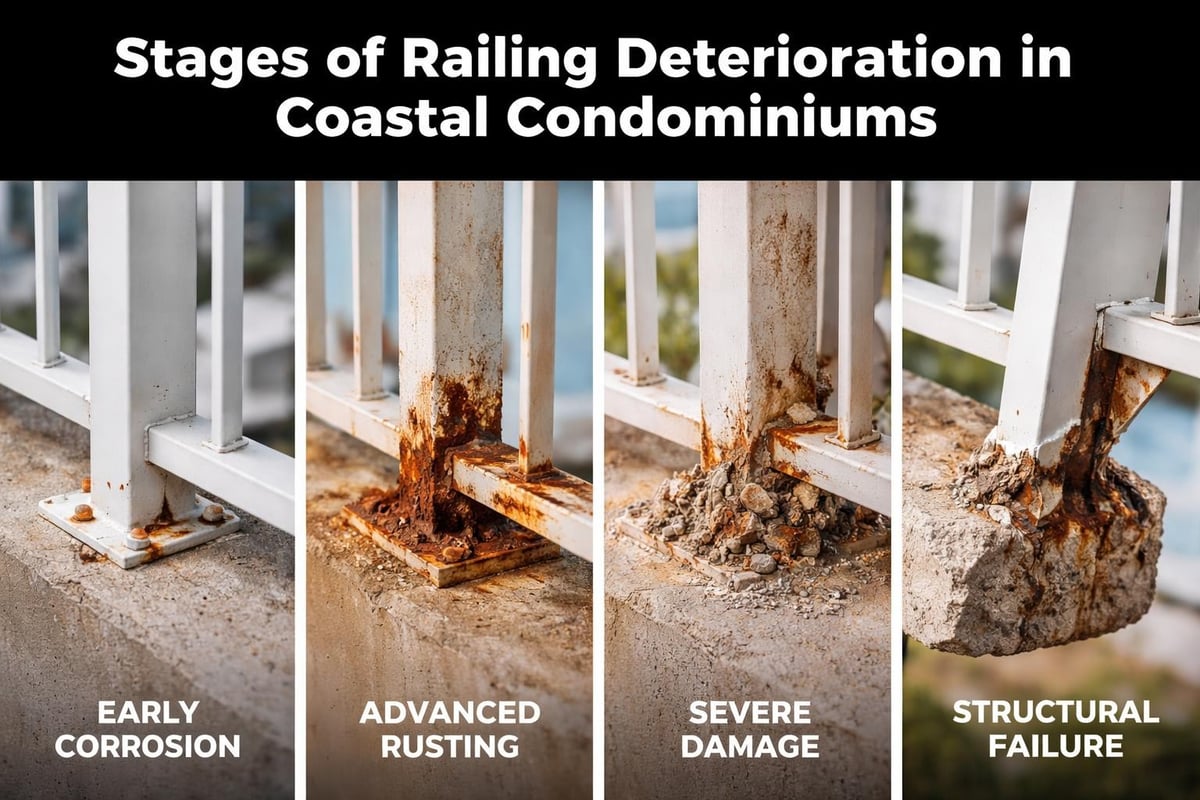
Identifying deterioration patterns helps associations plan proactive condominium railing replacement south florida projects before safety emergencies arise. Case studies of railing failures reveal recurring issues that competent inspections should detect early.
Typical failure modes include:
- Base plate corrosion where railings anchor to concrete
- Fastener deterioration causing structural looseness
- Weld joint separation from thermal cycling
- Powder coating breakdown exposing base metal
- Concrete spalling around embedment points
Balcony railing issues frequently begin at connection points where dissimilar metals create galvanic corrosion cells. Water infiltration accelerates this process, particularly when drainage systems fail or waterproofing membranes deteriorate.
The Inspection-to-Replacement Timeline
Understanding the progression from initial defect identification to full replacement helps associations manage projects efficiently. Minor corrosion spots detected during routine inspections may allow targeted repairs, deferring complete replacement for several years. However, widespread deterioration, structural compromise, or code violations demand immediate action.
Structural engineering assessments provide definitive guidance on whether repair or replacement represents the appropriate response. Engineers evaluate load capacity, connection integrity, and compliance with current codes before recommending project scope.
Project Planning and Association Responsibilities
Successful condominium railing replacement south florida projects require careful planning that addresses technical, legal, and financial considerations. Maintenance obligations and responsibilities vary based on condominium declarations, creating potential confusion about funding and decision-making authority.
Most associations bear responsibility for common element railings, while unit owners may control interior balcony rails in some declarations. Clarifying these boundaries prevents disputes and ensures comprehensive project execution.
Creating Effective Bid Packages
Developing detailed specifications ensures contractors provide comparable proposals that facilitate informed decision-making. Bid packages should include:
- Detailed scope descriptions with railing locations
- Required material specifications and finishes
- Installation timeline expectations
- Code compliance documentation requirements
- Warranty terms and coverage
- Payment schedules tied to completion milestones
Working with firms experienced in concrete restoration and structural repairs ensures that underlying substrate issues receive appropriate attention. Railing replacement often reveals concealed concrete deterioration requiring remediation before new installations proceed.
Coordinating Multi-Building Replacement Programs
Large condominium communities with multiple buildings face additional complexity when planning railing replacement programs. Phased approaches balance budgetary constraints against safety priorities and minimize resident disruption.
Effective phasing strategies consider:
- Building age and inspection findings
- Proximity to saltwater exposure
- Previous maintenance history
- Occupancy patterns and seasonal factors
- Available reserve funding
Best practices for condominium replacements emphasize consistent material specifications across phases to maintain aesthetic uniformity while allowing projects to span multiple budget cycles. This approach prevents mismatched appearances that diminish property values.
Resident Communication and Access Management
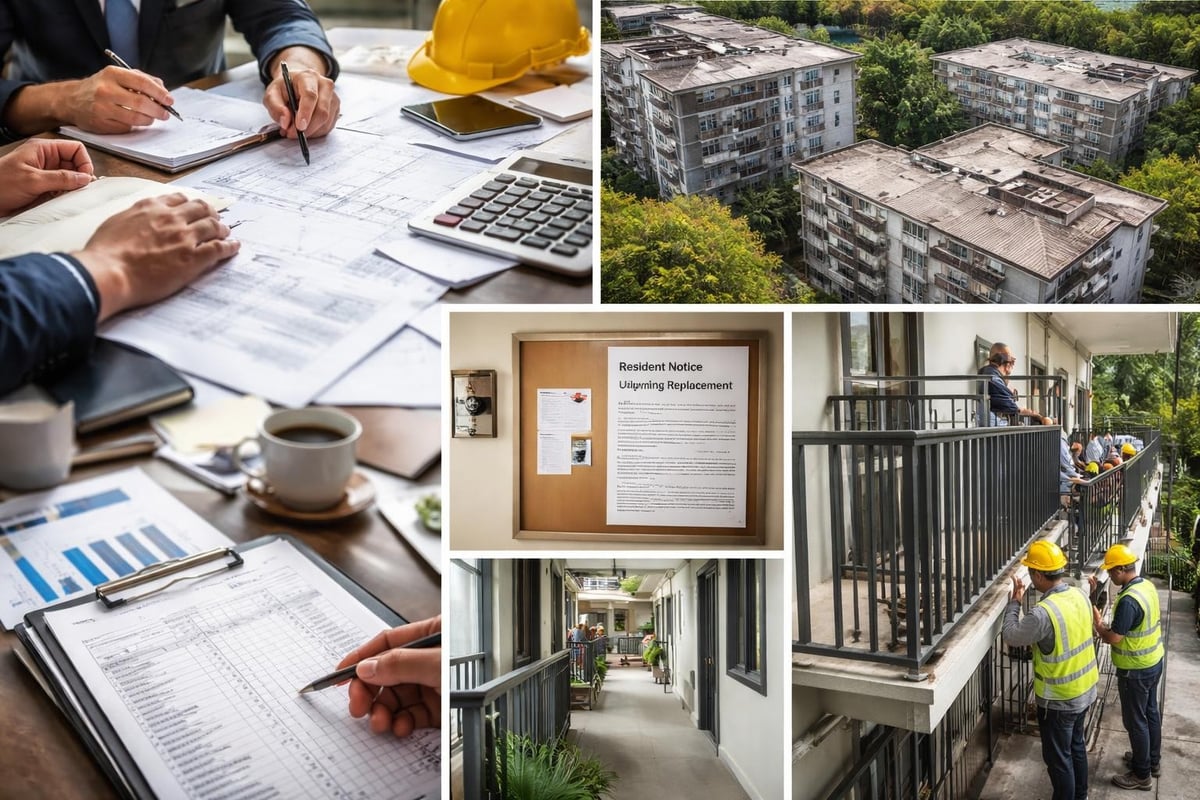
Transparent communication prevents misunderstandings and resistance that derail project timelines. Associations should provide:
- Early notification of inspection findings and project necessity
- Clear timelines showing when each building or unit will be affected
- Access requirements explaining when contractors need balcony entry
- Safety protocols describing temporary conditions and restrictions
- Progress updates maintaining stakeholder engagement throughout construction
Projects affecting individual balconies require coordinated scheduling that respects resident privacy while maintaining construction efficiency. Weekend or evening work may accommodate occupied units, though this flexibility typically increases labor costs.
Financial Planning and Reserve Adequacy
Condominium railing replacement south florida projects represent significant capital expenditures requiring careful financial preparation. Typical costs range from $150 to $400 per linear foot depending on material selection, building height, and installation complexity.
A 200-unit mid-rise condominium with 1,500 linear feet of railings faces project costs between $225,000 and $600,000. Oceanfront properties requiring marine-grade materials and specialized installation techniques cluster toward the upper range.
Reserve Study Integration
Properly funded reserves prevent special assessments that create financial hardship for unit owners. Structural integrity reserve studies must accurately project replacement timing and costs, incorporating inflation factors and contingencies for unexpected conditions.
| Project Component | Typical % of Total Budget |
|---|---|
| Materials | 35-45% |
| Labor | 30-40% |
| Engineering/Permits | 8-12% |
| Substrate Repairs | 10-15% |
| Project Management | 5-8% |
Associations should budget 15-20% contingencies for condominium projects where concealed conditions frequently emerge during demolition. Water damage behind existing railings, deteriorated concrete, or non-compliant structural elements require unplanned remediation that impacts costs and schedules.
Permitting and Code Compliance Documentation
All condominium railing replacement south florida projects require building permits ensuring compliance with current codes. The permitting process involves:
- Architectural drawings showing railing layouts and details
- Structural calculations verifying load capacity
- Product specifications documenting code-compliant materials
- Installation procedures addressing anchoring methods
- Inspection protocols for quality verification
Permit requirements vary by municipality, with oceanfront communities often imposing additional scrutiny based on hurricane resistance standards. Working with contractors experienced in permit-ready repair solutions streamlines approval processes and prevents costly rejections.
Special Considerations for Historic Buildings
Condominiums in designated historic districts face additional restrictions on material selection and aesthetic modifications. Replacement railings must maintain period-appropriate appearances while meeting modern safety standards, creating design challenges that require specialized expertise.
Alternative compliance pathways may allow variance from strict code interpretations when historic preservation concerns justify modifications. These negotiations require documentation showing equivalent safety levels through alternative means.
Installation Best Practices for Longevity
Quality installation determines whether railing systems achieve their projected lifespan or fail prematurely. Condominium replacement best practices emphasize proper surface preparation, anchoring techniques, and protective measures during construction.
Critical installation considerations include:
- Concrete surface preparation removing all loose material
- Proper embedment depth for anchor bolts
- Isolation barriers preventing galvanic corrosion
- Sealant application at all penetrations
- Powder coat touch-up for field modifications
Experienced contractors coordinate with structural engineers when existing concrete conditions require reinforcement or specialized anchoring solutions. Deteriorated substrates cannot support code-required loads without remediation.
Quality Control and Inspection Protocols
Third-party inspection during critical installation phases verifies compliance with specifications and identifies deficiencies before they become permanent. Key inspection points include:
- Substrate preparation acceptance
- Anchor installation and torque verification
- Alignment and plumbness checks
- Weld quality for steel components
- Final load testing
Documentation of inspections creates defensible records proving code compliance and proper workmanship. These records become valuable during future sale transactions and insurance claims.
Ongoing Maintenance Programs
Even properly installed condominium railing replacement south florida projects require regular maintenance to achieve full service life. Salt accumulation, UV degradation, and mechanical wear gradually compromise protective coatings and connections.
Recommended maintenance intervals:
- Monthly: Visual inspection for obvious damage
- Quarterly: Freshwater rinse to remove salt deposits
- Annually: Detailed inspection of connections and finishes
- Every 3-5 years: Professional assessment and coating renewal
Associations should establish documented maintenance programs that assign clear responsibility for inspections and corrective actions. Water intrusion assessments during railing inspections identify drainage issues that accelerate deterioration.
Protective Coating Maintenance
Powder-coated finishes require periodic renewal to maintain corrosion protection. Small chips or scratches should receive immediate touch-up preventing water infiltration to base metal. Widespread coating failure indicates the need for professional refinishing before substrate corrosion develops.
Marine environments demand more aggressive maintenance schedules than inland locations. Oceanfront properties may require coating renewal every 7-10 years, while buildings several blocks inland extend intervals to 12-15 years.
Balancing Safety, Aesthetics, and Budget
Condominium boards must balance competing priorities when planning railing replacement projects. Premium materials and installations provide superior longevity but strain budgets. Economy approaches risk premature failure and repeated special assessments.
Value engineering identifies cost savings that don't compromise safety or durability. Examples include:
- Standardizing designs to reduce custom fabrication
- Scheduling projects during off-peak construction periods
- Bundling multiple building systems for contractor efficiency
- Selecting materials offering optimal performance-to-cost ratios
Professional construction managers help associations navigate these tradeoffs, ensuring decisions reflect accurate cost-benefit analyses rather than incomplete information or emotional reactions.
Addressing Emergency Replacement Scenarios
Some condominium railing replacement south florida situations arise from emergency conditions requiring immediate action. Structural failures, violation notices, or sudden deterioration discoveries compress normal planning timelines into urgent response protocols.
Emergency projects face additional challenges:
- Limited contractor availability and premium pricing
- Accelerated permitting through emergency provisions
- Temporary safety measures during replacement
- Special assessment requirements for unbudgeted costs
- Resident displacement in severe cases
Establishing relationships with qualified contractors before emergencies arise ensures rapid response capability. Associations should identify firms providing emergency structural repairs and maintain current contact information.
Violation Resolution Strategies
Building department violation notices mandate correction within specified timeframes, often 30-90 days. Non-compliance results in fines, legal action, and potential condemnation. Violation and unsafe structures resolution requires coordinated efforts between legal counsel, engineers, and construction professionals.
Negotiating reasonable compliance timelines demonstrates good faith while allowing proper project execution. Building officials typically accommodate associations making documented progress toward corrections.
Regional Considerations Across South Florida
Condominium railing replacement south florida requirements vary by jurisdiction across Miami-Dade, Broward, and Palm Beach counties. Each municipality maintains specific code interpretations, permitting procedures, and inspection requirements affecting project execution.
Oceanfront versus inland locations experience dramatically different environmental exposures. Buildings directly facing Atlantic waters require marine-grade materials and enhanced protective measures. Properties several miles inland use less expensive specifications while still addressing humidity and occasional salt spray.
Understanding these regional variations prevents specification errors that cause permit rejections or premature system failures. Local contractors bring essential knowledge about jurisdiction-specific requirements and inspector expectations.
Successful condominium railing replacement projects in South Florida require comprehensive planning that addresses technical requirements, regulatory compliance, and financial realities. The post-Champlain Towers regulatory environment demands rigorous attention to structural safety and documented maintenance programs. When your association faces railing replacement needs, partnering with experienced professionals ensures code-compliant solutions that protect residents and property values. Souffront Construction and Engineering provides the structural engineering expertise, construction services, and permit coordination South Florida condominium associations need for successful railing replacement projects that stand the test of time.