Custom Metal Stair Systems South Florida: Complete Guide
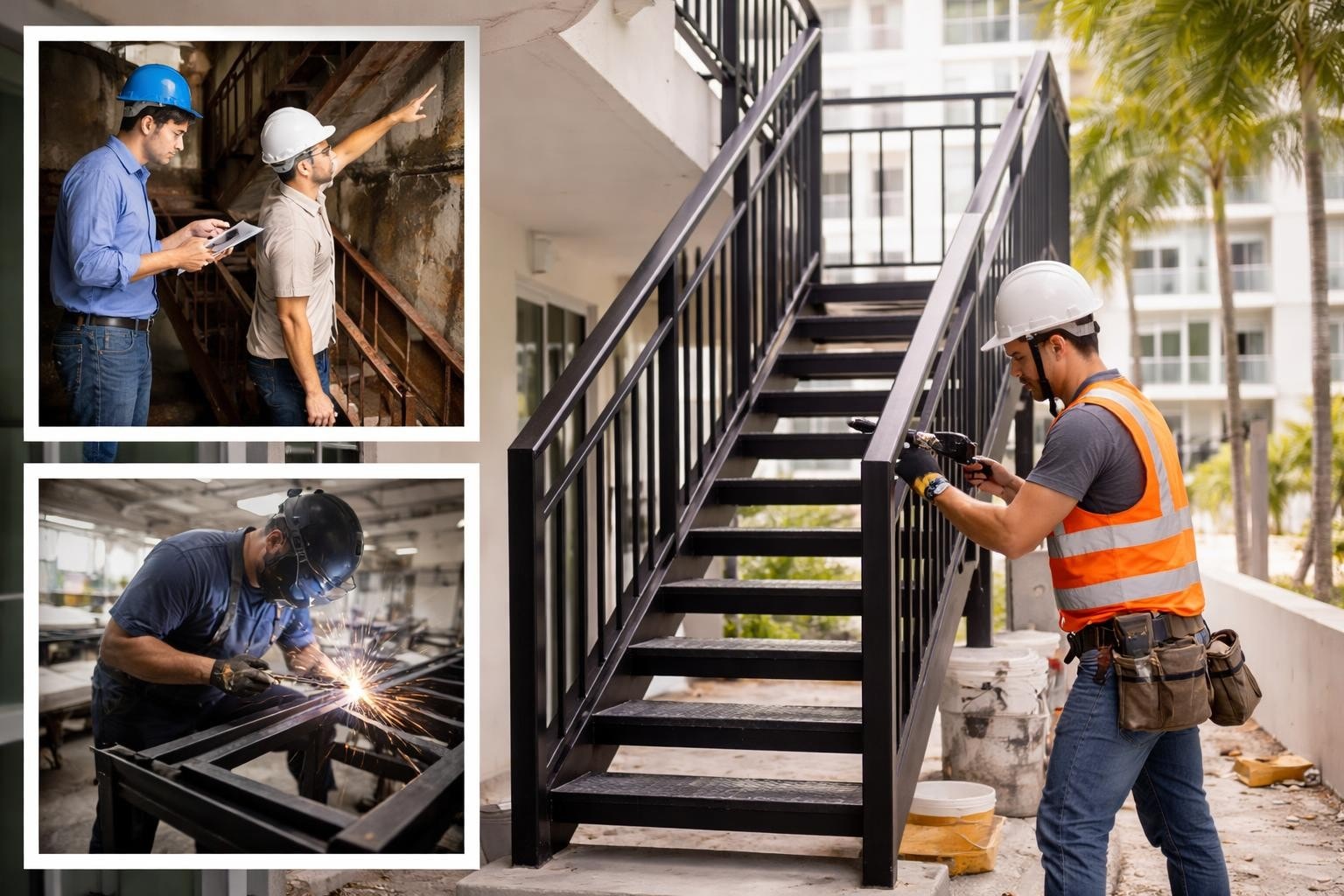
South Florida's coastal environment presents unique challenges for building materials, making the selection of durable, code-compliant stair systems critical for property longevity. Custom metal stair systems south florida installations have become the preferred solution for property owners, associations, and managers seeking long-term reliability combined with architectural flexibility. Whether addressing milestone recertification requirements, replacing deteriorated concrete stairs, or upgrading existing structures, understanding the options, materials, and installation processes ensures successful project outcomes.
Why Metal Stair Systems Excel in South Florida's Climate
The subtropical environment of South Florida creates demanding conditions for building components. Salt air, intense UV exposure, high humidity, and frequent tropical storms accelerate deterioration of traditional materials.
Metal stair systems offer distinct advantages:
- Superior corrosion resistance when properly specified
- Minimal maintenance requirements compared to wood or concrete
- Enhanced structural integrity for high-traffic applications
- Compliance with evolving Florida Building Code standards
- Extended service life reducing replacement frequency
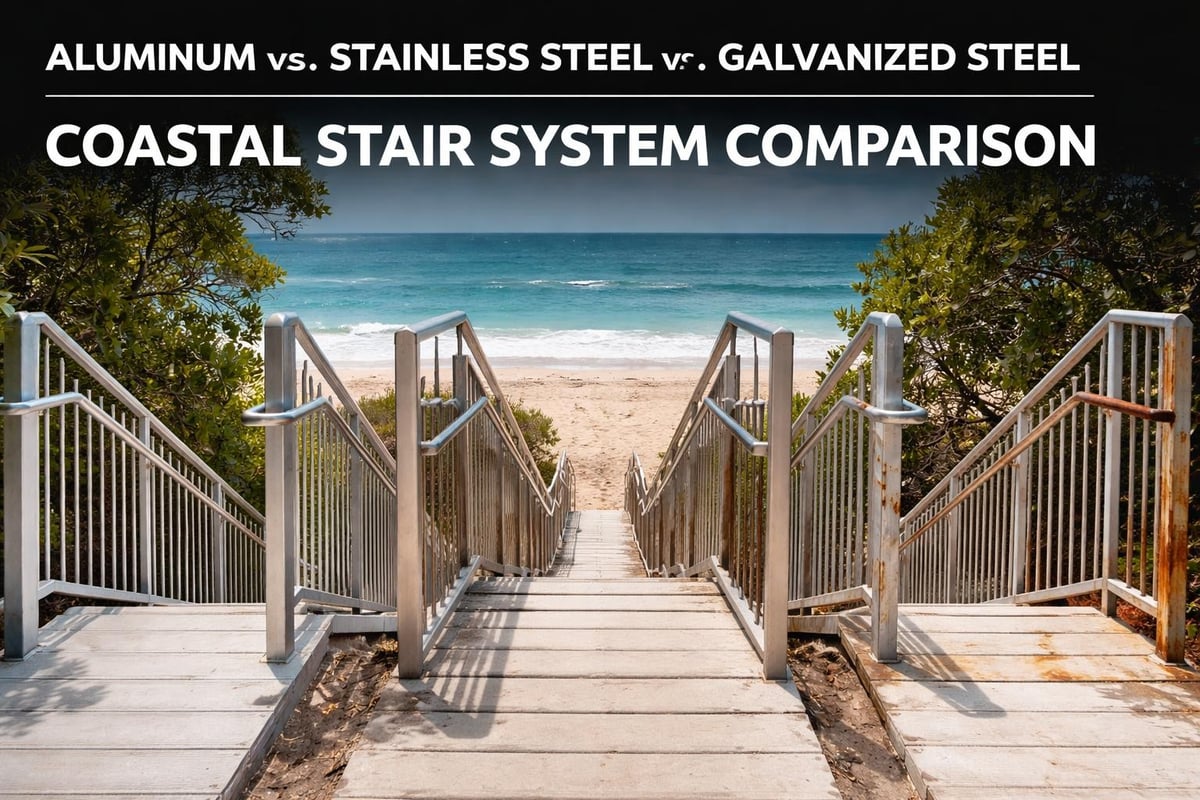
Aluminum and stainless steel compositions withstand coastal conditions more effectively than alternative materials. When property managers face building recertification inspection requirements, structural components including stairs receive thorough evaluation for safety and code compliance.
Regulatory Compliance and Code Requirements
Florida Building Code mandates specific requirements for stair construction, particularly in multi-family residential and commercial properties. Custom metal stair systems south florida installations must meet stringent standards for dimensions, load capacity, and safety features.
Critical compliance factors include:
- Minimum tread depth and maximum riser height specifications
- Handrail height and grip diameter requirements
- Guardrail strength and opening limitations
- Load-bearing capacity calculations
- Egress path compliance for emergency evacuation
Properties undergoing milestone building inspections frequently discover existing stairs fail to meet current standards. Replacement with engineered metal systems addresses deficiencies while providing enhanced safety margins.
Material Selection for Coastal Environments
Choosing appropriate materials determines long-term performance and maintenance costs. Each metal option presents specific benefits suited to different applications and budget constraints.
| Material Type | Corrosion Resistance | Initial Cost | Maintenance Level | Best Applications |
|---|---|---|---|---|
| 316 Stainless Steel | Excellent | High | Very Low | Oceanfront, high-exposure |
| 304 Stainless Steel | Very Good | Moderate-High | Low | General coastal use |
| Aluminum (6061) | Good | Moderate | Low | Protected areas, interior |
| Galvanized Steel | Fair | Low-Moderate | Moderate | Inland, painted applications |
Stainless steel grades 304 and 316 represent the gold standard for custom metal stair systems south florida projects. The 316 grade contains molybdenum, providing superior resistance to chloride-induced corrosion prevalent in beachfront properties. Many fabricators specializing in steel stair systems recommend this material for ultimate durability.
Aluminum vs. Steel: Making the Right Choice
Aluminum offers significant weight advantages, reducing structural loads on existing buildings. This characteristic proves particularly valuable during concrete restoration projects where minimizing additional stress on compromised structures matters.
Aluminum advantages:
- Naturally corrosion-resistant without coatings
- Lightweight installation reduces labor costs
- Excellent strength-to-weight ratio
- Easy fabrication for complex designs
Steel provides greater rigidity and strength, making it preferable for high-traffic commercial applications. When powder-coated or properly finished, steel delivers exceptional longevity. Companies like Mansilla Metal Works focus on structural integrity through precise engineering and quality materials.
Design Considerations for Custom Applications
Custom metal stair systems south florida projects demand careful planning to balance aesthetics, functionality, and budget constraints. Design decisions affect not only initial costs but long-term maintenance and property value.
Architectural Integration
Modern metal stair designs range from minimalist industrial aesthetics to ornate traditional patterns. Property owners can select from numerous railing styles, tread configurations, and finish options to complement existing architecture.
Popular design elements include:
- Open riser configurations for enhanced visibility
- Closed risers for privacy and sound reduction
- Cable rail systems offering unobstructed views
- Glass panel inserts creating contemporary appearances
- Decorative balusters providing traditional character
Luxury custom stair specialists demonstrate how metal systems elevate property aesthetics while maintaining structural requirements. The visual impact of well-designed stairs enhances property appeal and marketability.
Space Optimization Strategies
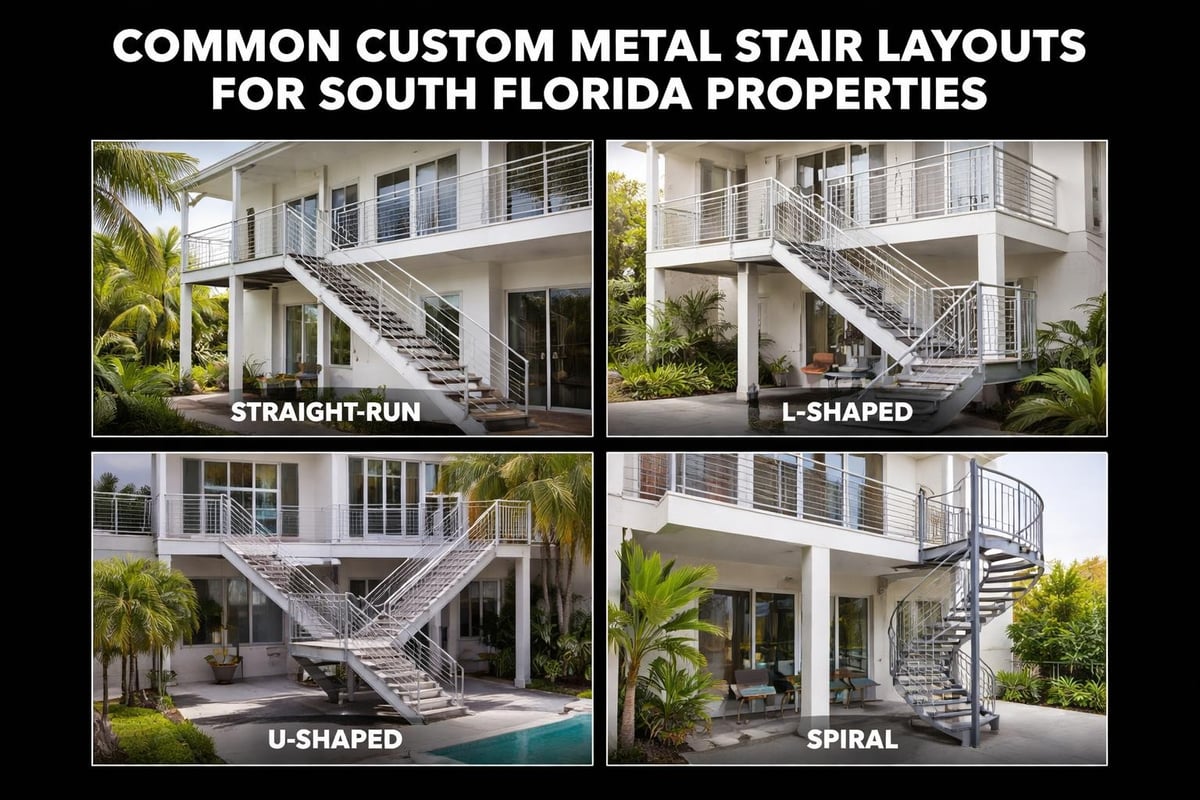
South Florida properties often face space constraints requiring creative stair solutions. Spiral configurations, switchback designs, and compact footprints maximize usable square footage while maintaining code compliance.
Engineering analysis determines optimal configurations based on:
- Available floor-to-floor height
- Horizontal space limitations
- Required egress capacity
- Traffic flow patterns
- Accessibility requirements
Structural engineering services provide calculations ensuring designs meet load requirements and safety factors. Proper engineering prevents costly modifications during installation.
Installation Process and Timeline Expectations
Understanding the installation sequence helps property managers plan disruptions and coordinate with occupants. Custom metal stair systems south florida projects typically progress through distinct phases from initial assessment to final inspection.
Standard installation timeline:
| Phase | Duration | Key Activities |
|---|---|---|
| Initial Assessment | 1-2 weeks | Site measurement, structural evaluation, code review |
| Design Development | 2-3 weeks | Engineering drawings, permit preparation, material selection |
| Permit Approval | 2-6 weeks | Building department review, revisions, approval |
| Fabrication | 4-8 weeks | Metal cutting, welding, finishing, quality control |
| Installation | 1-2 weeks | Demolition, mounting, railing installation, cleanup |
| Final Inspection | 1 week | Building department approval, punch list completion |
Total project duration typically ranges from three to five months depending on complexity and permit processing times. Properties requiring violation resolution may face expedited timelines to address safety concerns.
Structural Attachment Methods
Proper anchoring to existing structures ensures stability and longevity. Installation approaches vary based on building construction and stair configuration.
Common attachment techniques:
- Embedded anchor bolts in concrete structural members
- Through-bolt connections to steel beams
- Post-installed anchors for retrofit applications
- Welded connections to existing steel frames
- Bracket mounting systems for modular installation
Professional installation services emphasize structural integration, ensuring stairs function as designed throughout their service life. Inadequate attachment represents the primary failure mode in metal stair systems.
Maintenance and Lifecycle Management
While metal stairs require less maintenance than alternatives, regular inspection and care maximize performance and appearance. South Florida's environment demands proactive attention to potential corrosion points.
Recommended Maintenance Schedule
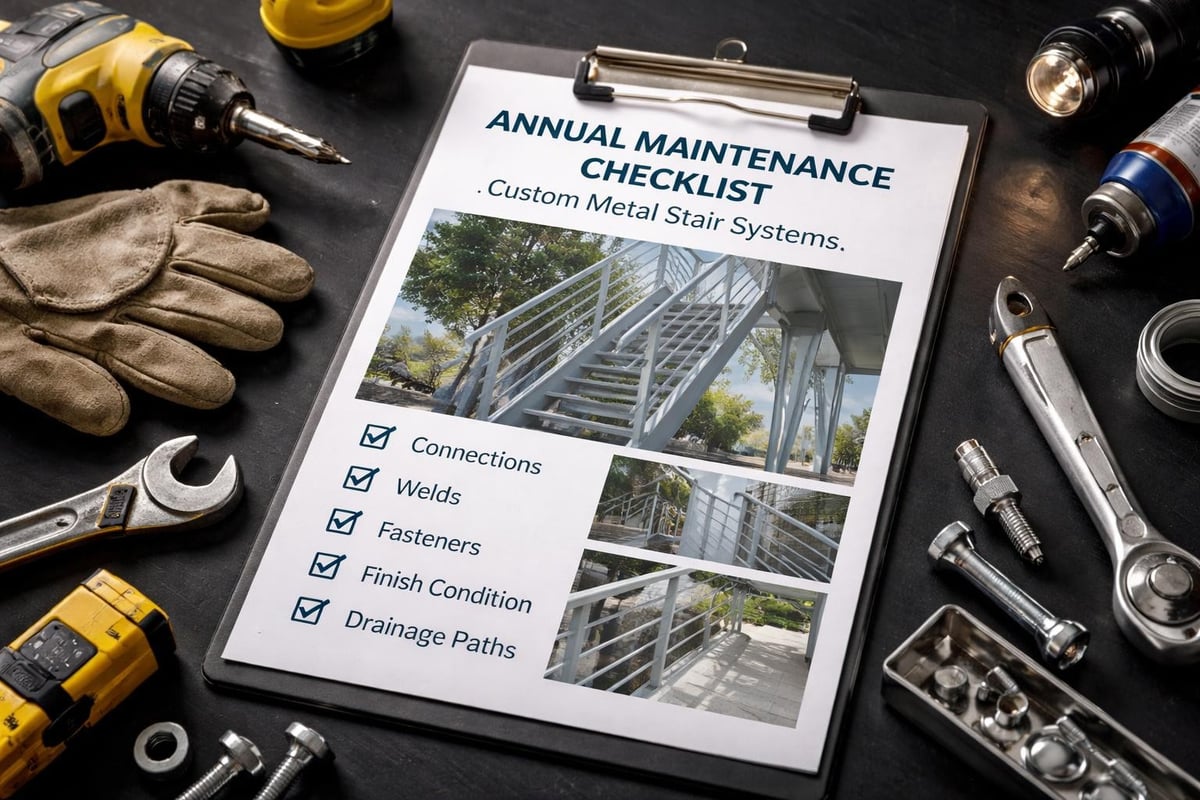
Annual inspections should verify:
- Structural connection tightness
- Surface finish integrity
- Corrosion development at joints
- Handrail security and stability
- Tread surface condition and slip resistance
Properties undergoing 40-year recertification receive comprehensive structural assessment including stair system evaluation. Identifying minor issues before they escalate prevents costly emergency repairs.
Preventive maintenance extends service life significantly. Simple cleaning with mild soap and water removes salt deposits that accelerate corrosion. Aluminum specialists recommend specific care protocols for maintaining finish appearance.
Cost Factors and Budget Planning
Custom metal stair systems south florida pricing varies substantially based on materials, complexity, and site conditions. Understanding cost drivers enables realistic budget development and value comparisons.
Primary cost components:
- Material selection - Stainless steel costs 2-3 times more than aluminum
- Design complexity - Custom fabrication increases labor requirements
- Site accessibility - Difficult access raises installation costs
- Finish specifications - Powder coating, polishing add expense
- Engineering requirements - Structural calculations and stamped drawings
Typical residential projects range from $8,000 to $25,000 for standard configurations, while commercial installations with extensive customization exceed $50,000. Comprehensive stair system providers offer complete packages including design, engineering, fabrication, and installation.
Value Considerations Beyond Initial Cost
Evaluating total ownership costs provides better perspective than initial investment alone. Metal stair longevity and minimal maintenance create favorable lifecycle economics.
Long-term value factors:
- Reduced replacement frequency compared to wood or concrete
- Lower annual maintenance expenditures
- Enhanced property values and marketability
- Improved safety reducing liability exposure
- Compliance with evolving code requirements
Properties managed by associations benefit from predictable maintenance budgets when choosing quality metal systems. Structural integrity studies help associations plan capital improvements including stair replacements.
Commercial vs. Residential Applications
While both sectors utilize custom metal stair systems south florida installations, specific requirements and priorities differ significantly between commercial and residential contexts.
Commercial Property Considerations
Commercial buildings face higher traffic volumes, stricter accessibility requirements, and more frequent inspections. Metal stair systems must accommodate heavy use while maintaining appearance standards.
Commercial-specific requirements:
- ADA compliance for accessibility
- Higher load capacity ratings
- Fire-resistance certifications
- Durability for continuous traffic
- Minimal maintenance windows
Commercial metal fabrication specialists understand code complexities and design accordingly. Commercial projects often require coordination with multiple trades and building management.
Residential Property Needs
Residential applications prioritize aesthetics alongside functionality. Homeowners and condominium associations seek designs complementing architectural styles while meeting safety standards.
Customization options expand in residential contexts, allowing personalized touches through:
- Custom railing patterns and designs
- Specialty finishes matching interior decor
- Integrated lighting systems
- Glass or acrylic panel combinations
- Unique tread materials and textures
Traditional craftsmanship combined with modern techniques produces residential stairs blending beauty with durability. Residential projects typically allow more design flexibility than commercial counterparts.
Selecting Qualified Installation Contractors
Contractor selection critically impacts project success. Custom metal stair systems south florida installations require specialized expertise in fabrication, engineering, and code compliance.
Essential contractor qualifications:
- Licensed general contractor or specialty fabricator
- Proven experience with metal stair projects
- In-house engineering capabilities or partnerships
- Knowledge of Florida Building Code requirements
- Liability insurance and workers' compensation coverage
- Portfolio demonstrating quality workmanship
Requesting references from similar projects provides insight into contractor reliability and quality standards. Established construction and engineering firms bring comprehensive capabilities to complex renovation projects.
Questions to Ask Potential Contractors
Interview process should cover:
- How many metal stair projects have you completed in the past two years?
- Do you handle permitting and engineering in-house?
- What warranties do you provide on materials and workmanship?
- Can you provide references from recent commercial or residential projects?
- What is your typical project timeline from contract to completion?
Thorough contractor vetting prevents problems during installation and ensures quality results. Teams with diverse expertise coordinate multiple project aspects efficiently.
Emerging Trends and Innovations
The metal stair industry continues evolving with new materials, finishes, and design approaches. Staying informed about innovations helps property owners make forward-looking decisions.
Current trends include:
- Hybrid systems combining metal with wood or glass
- LED lighting integration for safety and aesthetics
- Modular prefabricated components reducing installation time
- Sustainable materials and recycled content options
- Smart monitoring systems detecting structural issues
Custom metal design specialists push creative boundaries while maintaining structural integrity. Innovation in fabrication techniques enables previously impossible designs at competitive prices.
Sustainable and Eco-Friendly Options
Environmental consciousness influences material selection and fabrication processes. Metal stair systems offer inherent sustainability advantages through recyclability and longevity.
Eco-friendly considerations:
- Aluminum contains significant recycled content
- Metal components are fully recyclable at end of life
- Durable systems reduce replacement frequency
- Low-VOC powder coating finishes minimize emissions
- Local fabrication reduces transportation impacts
Properties pursuing green building certifications find metal stairs contribute to sustainability goals while meeting performance requirements.
Custom metal stair systems deliver the durability, code compliance, and aesthetic flexibility South Florida properties demand in challenging coastal environments. Understanding material options, design considerations, and installation processes empowers property owners to make informed decisions protecting their investments. Whether you're facing milestone recertification requirements, addressing structural deficiencies, or planning property upgrades, Souffront Construction and Engineering provides comprehensive expertise in metal stair systems, structural engineering, and permit-ready solutions tailored to your property's specific needs.