New Steel Stair Installation Contractor Guide 2026

When commercial or residential properties require durable, compliant, and aesthetically pleasing stairway solutions, finding the right new steel stair installation contractor becomes a critical decision. Steel stairs offer exceptional longevity, structural integrity, and design versatility, making them ideal for buildings undergoing milestone recertification, renovation, or new construction. For property owners, managers, and associations in South Florida, understanding what separates exceptional contractors from average ones ensures your investment delivers safety, compliance, and lasting value.
Understanding Steel Stair Systems and Their Applications
Steel stair systems have become the preferred choice for many building applications due to their superior strength-to-weight ratio and adaptability. Unlike traditional wood or concrete stairs, steel provides consistent performance in humid climates and coastal environments where corrosion resistance and structural stability are paramount.
Modern steel stairs serve multiple purposes across various property types:
- Emergency egress routes in commercial buildings requiring fire-rated assemblies
- Exterior access stairs for condominiums and apartment complexes
- Industrial platforms connecting equipment areas and rooftop access
- Interior feature stairs combining functionality with architectural appeal
- Temporary or permanent replacement during building recertification projects
The metal stair design considerations involve balancing structural requirements with aesthetic goals. A qualified new steel stair installation contractor must navigate building codes, load calculations, and material specifications while delivering a finished product that enhances property value.
Material Selection and Engineering Requirements
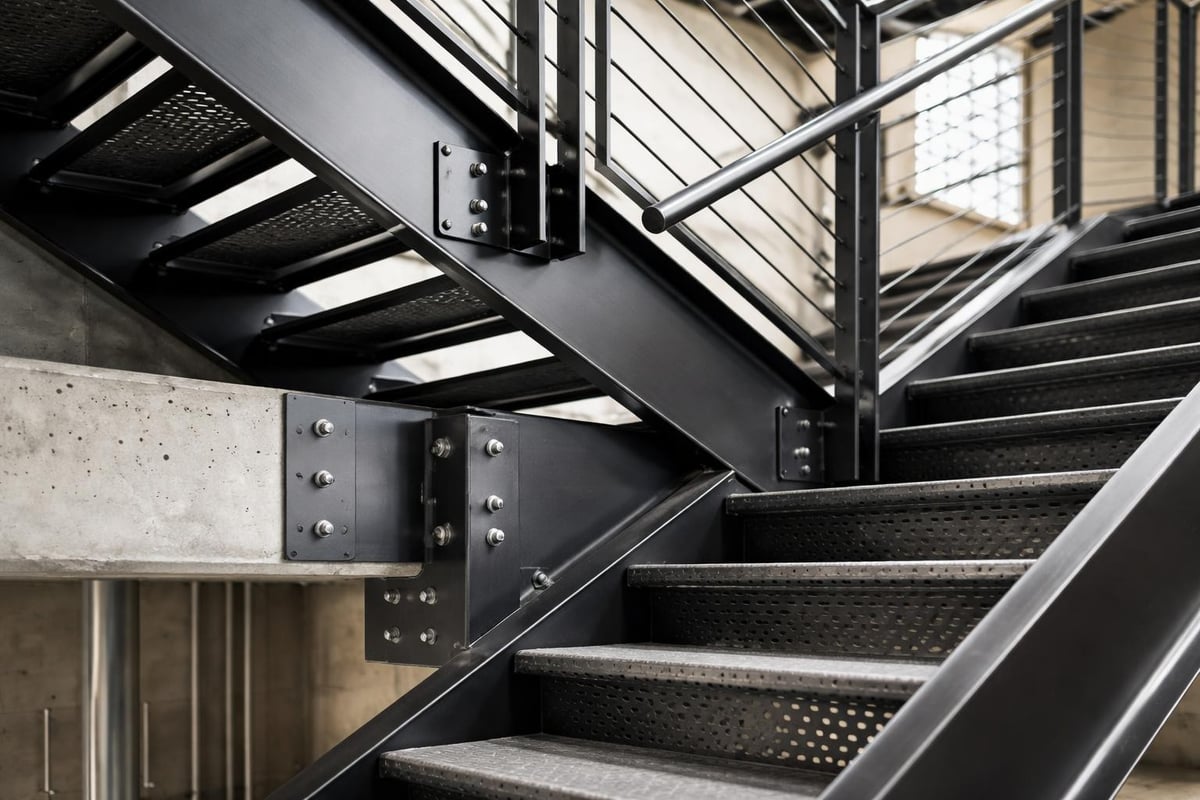
Choosing the appropriate steel grade and finish affects both performance and maintenance needs. Galvanized steel offers excellent corrosion resistance for coastal properties, while stainless steel provides premium aesthetics with minimal upkeep. Carbon steel with protective coatings represents a cost-effective solution for interior applications.
Engineering calculations determine the proper sizing for stringers, treads, and connections. Professional contractors work with structural engineering teams to ensure designs meet Florida Building Code requirements and accommodate expected loads. This collaboration becomes especially critical during milestone building inspections when existing stairs require evaluation or replacement.
| Steel Type | Corrosion Resistance | Cost Level | Best Application |
|---|---|---|---|
| Galvanized | Excellent | Moderate | Exterior coastal environments |
| Stainless 304 | Superior | High | High-visibility interior/exterior |
| Stainless 316 | Maximum | Very High | Marine and salt exposure |
| Carbon Steel | Good (coated) | Low | Interior protected areas |
What to Look for in a New Steel Stair Installation Contractor
Selecting a contractor requires evaluating technical capabilities, licensing, and project experience. The right new steel stair installation contractor brings together fabrication expertise, installation precision, and regulatory knowledge that ensures compliant, safe results.
Licensing and Professional Credentials
Florida requires contractors performing structural work to maintain proper licensing through the Department of Business and Professional Regulation. Verify your contractor holds current general contractor or specialty structural licenses appropriate for the scope of work. Additionally, contractors should carry comprehensive liability insurance and workers' compensation coverage.
Professional affiliations with organizations like the American Institute of Steel Construction or local building industry associations often indicate commitment to industry standards and continuing education. When reviewing potential contractors, request:
- Active contractor license numbers
- Certificate of insurance with adequate coverage limits
- Recent project references from similar building types
- Evidence of fabricator qualifications and certifications
- Safety program documentation and OSHA compliance records
Technical Expertise and Fabrication Capabilities
Understanding steel stair engineering and design separates competent contractors from exceptional ones. The fabrication process requires precise measurements, proper welding techniques, and quality control throughout production. Contractors maintaining in-house fabrication facilities typically deliver better quality control and faster project timelines.
Ask prospective contractors about their approach to design challenges specific to your building. For properties undergoing milestone building inspections, replacement stairs must integrate with existing structural systems while meeting current code requirements. This often involves custom engineering solutions rather than standard prefabricated options.
The Steel Stair Installation Process
Professional installation follows a structured sequence ensuring structural integrity and code compliance. Understanding this process helps property owners recognize quality workmanship and maintain realistic project expectations.
Site Assessment and Design Development
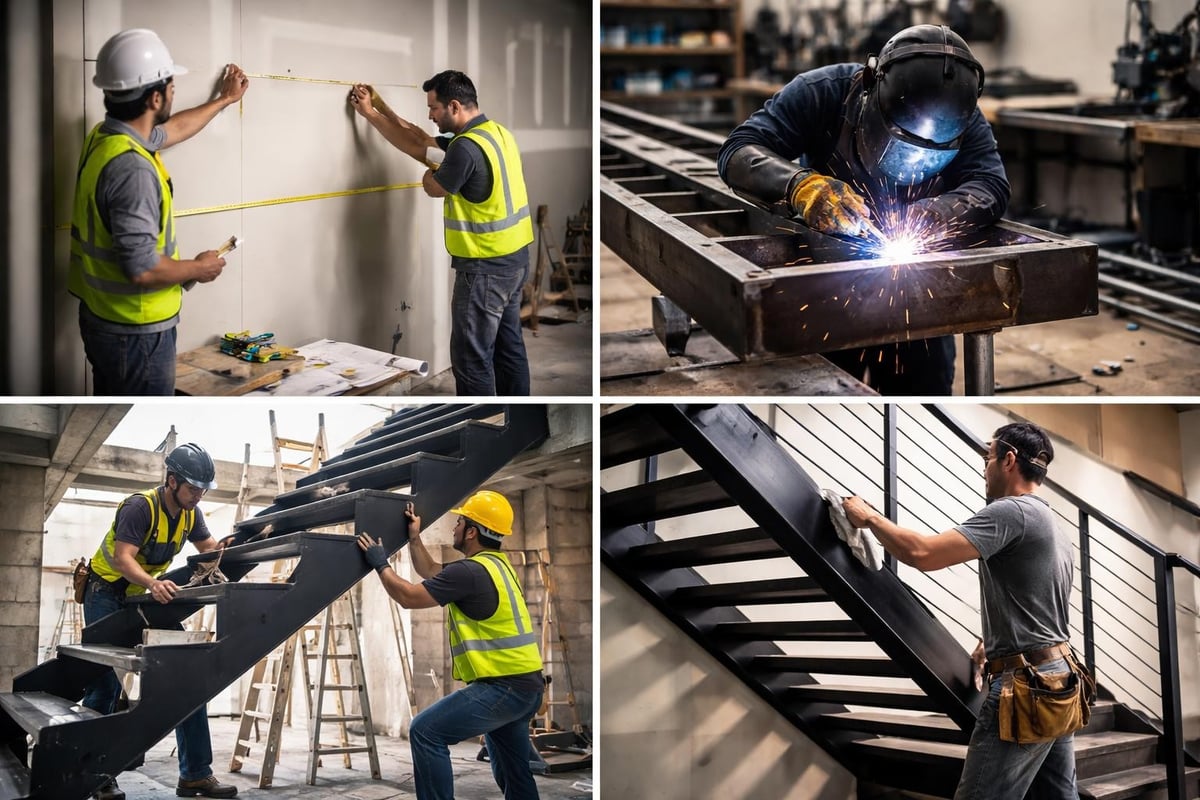
The process begins with thorough site evaluation. A qualified new steel stair installation contractor measures existing conditions, identifies structural connection points, and documents clearance requirements. This information feeds into design drawings showing:
- Stair geometry including rise, run, and tread dimensions
- Structural connections to building framing
- Handrail and guardrail specifications
- Load paths and support requirements
- Material specifications and finish details
Design development often requires coordination with building owners, architects, and structural engineers. For properties managing concrete restoration projects, stair replacement may coincide with broader structural repairs, requiring integrated planning and phased construction.
Fabrication and Quality Control
Once designs receive approval, fabrication begins in controlled shop environments. Modern steel stair fabrication uses CNC cutting equipment, precision welding, and surface preparation systems that ensure consistent quality. Steel stair fabrication techniques have advanced significantly, with digital modeling allowing contractors to identify fit-up issues before installation begins.
Quality fabricators implement inspection protocols at multiple production stages:
- Material verification ensuring correct grades and dimensions
- Weld quality inspection using visual and non-destructive testing methods
- Dimensional checks confirming components match design specifications
- Surface finish application meeting environmental exposure requirements
- Pre-assembly testing to verify component compatibility
On-Site Installation and Structural Integration
Installation day requires careful planning, especially in occupied buildings where disruption must be minimized. Professional contractors coordinate material delivery, crane or rigging equipment, and installation crews to execute efficiently and safely.
The installation sequence typically progresses through these stages:
- Structural preparation including cleaning connection surfaces and verifying anchor locations
- Component positioning using temporary bracing and alignment tools
- Permanent connection through welding, bolting, or engineered fastening systems
- Alignment verification ensuring treads are level and handrails meet height requirements
- Final assembly including tread installation, handrail attachment, and finish touchup
Contractors familiar with building recertification requirements understand that installations may require third-party inspection and testing before receiving final approval. Building this into project schedules prevents delays and ensures compliance.
Code Compliance and Safety Standards
Steel stairs must satisfy multiple code requirements addressing structural capacity, dimensional standards, and safety features. A knowledgeable new steel stair installation contractor navigates these regulations seamlessly while helping property owners understand compliance obligations.
Florida Building Code Requirements
The Florida Building Code adopts International Building Code provisions with state-specific amendments addressing hurricane resistance and coastal conditions. Key requirements include:
Dimensional Standards:
- Maximum riser height: 7 inches (residential), 7.75 inches (commercial)
- Minimum tread depth: 10 inches (residential), 11 inches (commercial)
- Minimum width: 36 inches clear (residential), 44 inches (commercial assembly)
- Headroom clearance: 80 inches minimum vertical clearance
Structural Requirements:
- Live load capacity: 100 psf (residential), 100 psf (commercial)
- Concentrated load: 300 lbs applied over 4 square inches
- Guardrail strength: 200 lbs horizontal and vertical load
- Handrail strength: 200 lbs in any direction
OSHA and Accessibility Considerations
Commercial and industrial applications must address Occupational Safety and Health Administration requirements for employee safety. OSHA-compliant metal stair installation includes specific provisions for industrial access, platform stairs, and alternating tread devices.
The Americans with Disabilities Act influences stair design even though stairs themselves don't constitute accessible routes. Handrail extensions, visual contrast on tread nosings, and tactile warnings at stair approaches may be required depending on building occupancy and local amendments.
| Code Aspect | Residential Standard | Commercial Standard | Industrial Standard |
|---|---|---|---|
| Riser Height Max | 7.75" | 7.0" | 9.5" (alternating tread) |
| Tread Depth Min | 10" | 11" | 8.5" (alternating tread) |
| Handrail Height | 34"-38" | 34"-38" | 42" (OSHA platform) |
| Guardrail Height | 36" minimum | 42" minimum | 42" minimum |
Cost Factors and Project Investment
Understanding cost components helps property owners budget appropriately and evaluate contractor proposals. Steel stair projects involve material costs, fabrication labor, installation complexity, and finish specifications that collectively determine total investment.
Material and Fabrication Costs
Raw material represents 30-40% of total project costs for typical installations. Steel prices fluctuate based on market conditions, but galvanized and painted carbon steel generally cost less than stainless steel alternatives. The complexity of stair geometry affects fabrication time-straight-run stairs cost less than stairs with landings, turns, or curved sections.
Fabrication labor accounts for precise cutting, welding, and assembly work. Contractors with efficient shop operations and experienced welders complete fabrication faster while maintaining quality standards. Custom details like decorative infill panels, specialized tread patterns, or architectural finishes add both material and labor costs.
Installation Complexity and Site Conditions
Site accessibility significantly impacts installation costs. Ground-level exterior stairs with crane access install more efficiently than interior stairs requiring material handling through occupied buildings. Projects within milestone recertification timelines may require expedited schedules or off-hours work, affecting labor rates.
Additional cost factors include:
- Structural modifications needed to support new stair loads
- Demolition and disposal of existing stairways
- Temporary stairs or access maintaining building egress during construction
- Permit fees and inspection costs for code compliance verification
- Finish coordination matching existing building aesthetics
Maintenance and Long-Term Performance
Properly installed steel stairs provide decades of reliable service with minimal maintenance. However, understanding care requirements helps property managers preserve appearance and structural integrity while controlling lifecycle costs.
Preventive Maintenance Programs
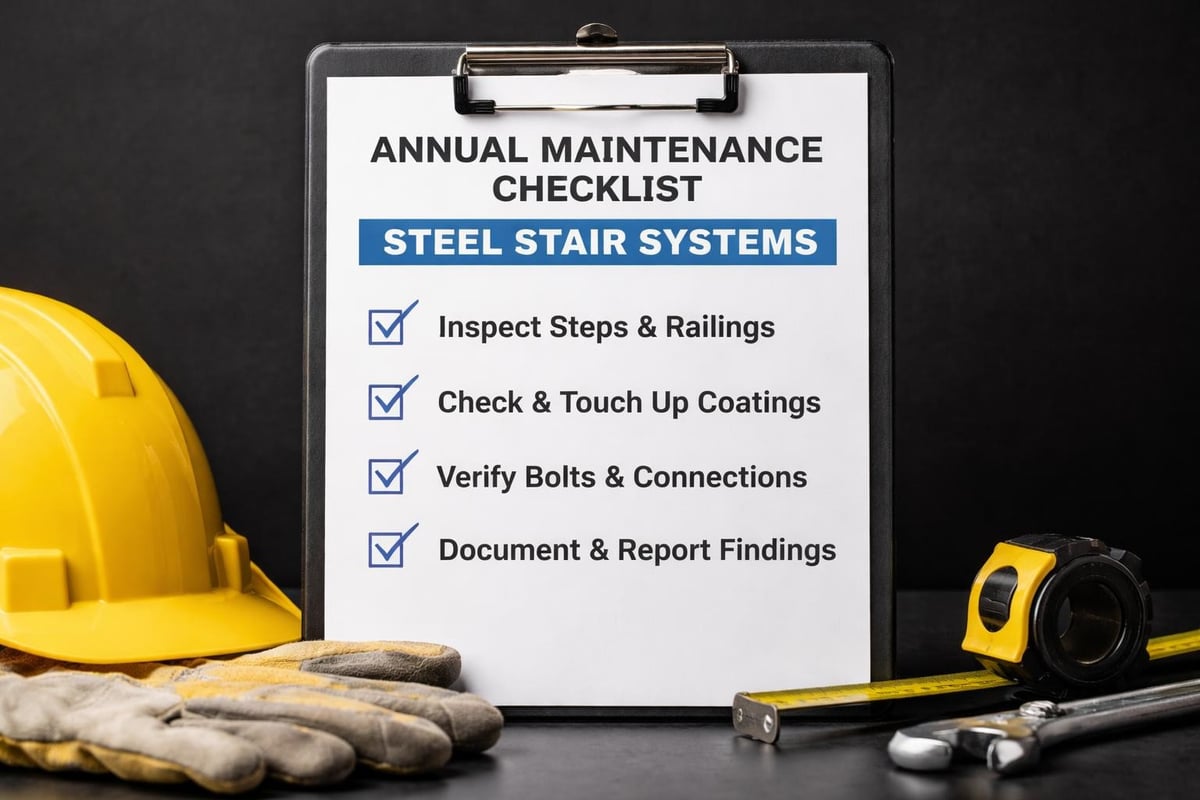
Regular inspection identifies minor issues before they become costly repairs. Property managers should implement quarterly visual inspections checking for:
- Loose connections or fasteners requiring tightening
- Surface coating damage exposing bare steel to corrosion
- Tread wear patterns indicating replacement needs
- Handrail looseness or damage affecting safety
- Drainage issues allowing water accumulation
Annual professional inspections by qualified contractors provide detailed assessments documenting stair condition and recommending repairs. This documentation supports structural integrity reserve studies required for condominium associations and planned maintenance budgets.
Coating Systems and Corrosion Protection
South Florida's coastal environment demands robust corrosion protection. Galvanized coatings provide excellent base protection, while powder coating or marine-grade paint systems add color and additional barrier protection. Outdoor steel stair design must account for salt spray, humidity, and temperature variations affecting coating performance.
Recoating intervals depend on exposure conditions and initial coating quality. Sheltered interior stairs may need refinishing every 10-15 years, while exposed exterior stairs in salt environments may require attention every 5-7 years. Professional contractors recommend coating systems appropriate for specific exposure conditions, balancing performance with budget constraints.
Selecting the Right Contractor for Your Project
With numerous contractors offering steel stair services, distinguishing qualified professionals from less capable alternatives requires systematic evaluation. Property owners should approach contractor selection as a partnership that extends beyond initial installation through long-term building stewardship.
Proposal Evaluation and Contract Terms
Request detailed proposals from multiple contractors including scope descriptions, material specifications, project timelines, and payment schedules. Avoid selecting based solely on lowest price-value comes from quality materials, skilled installation, and reliable project execution.
Comprehensive proposals should specify:
- Detailed scope of work including demolition, fabrication, installation, and cleanup
- Material specifications identifying steel grades, finishes, and component sources
- Project schedule with milestone dates and completion timeline
- Payment structure tied to project progress and inspection approvals
- Warranty terms covering materials, workmanship, and performance guarantees
Contract documents should clearly allocate responsibilities for permits, inspections, and code compliance. For projects involving electrical system upgrades or other concurrent work, define coordination responsibilities and communication protocols.
Communication and Project Management
Effective contractors maintain transparent communication throughout project execution. Expect regular progress updates, prompt responses to questions, and proactive problem-solving when field conditions differ from design assumptions.
Quality project management includes:
- Pre-construction meetings reviewing logistics and expectations
- Site protection measures preventing damage to adjacent areas
- Daily cleanup maintaining safe, professional work environments
- Change order documentation for scope modifications
- Final walkthroughs verifying work completion and owner satisfaction
For property owners managing building recertification in South Florida, contractors familiar with inspection processes and documentation requirements streamline approval and minimize delays. Experience with local building departments and understanding of regional code interpretation proves invaluable during permit review and final inspection.
Integration with Broader Building Systems
Steel stair installations rarely exist in isolation-they connect with structural, architectural, and life safety systems throughout buildings. A sophisticated new steel stair installation contractor recognizes these relationships and coordinates effectively with other trades and professionals.
Structural Coordination and Load Paths
New stairs must transfer loads safely to building foundations without overstressing existing structural elements. This requires engineering analysis verifying adequate capacity in supporting beams, columns, and foundations. Properties built before modern code requirements may need structural reinforcement before accommodating new stair loads.
Contractors coordinate with structural engineers to detail connections ensuring proper load transfer while accommodating movement and preventing stress concentrations. Connection design balances structural efficiency with constructability, ensuring field installation proceeds smoothly without compromising safety factors.
Fire Rating and Life Safety Compliance
Stairs serving as required egress routes must maintain appropriate fire ratings separating them from adjacent spaces. This involves fire-rated enclosure walls, self-closing doors, and sometimes fire-rated stair construction itself. The building code compliance framework addresses these requirements through detailed specifications contractors must implement precisely.
Emergency lighting, exit signage, and fire alarm integration coordinate with electrical contractors. Professional project management ensures these systems install in proper sequence, avoiding conflicts and rework that increase costs and extend schedules.
Choosing a new steel stair installation contractor impacts building safety, compliance, and property value for decades. Quality contractors bring engineering expertise, fabrication precision, and installation excellence that deliver reliable performance through changing codes and environmental conditions. When your South Florida property needs steel stair replacement or installation, whether for milestone recertification, building upgrades, or new construction, working with experienced professionals ensures code-compliant results that protect your investment. Contact Souffront Construction and Engineering to discuss your project requirements and receive expert guidance on steel stair solutions tailored to your building's specific needs.