Architectural and Structural Engineering in South Florida
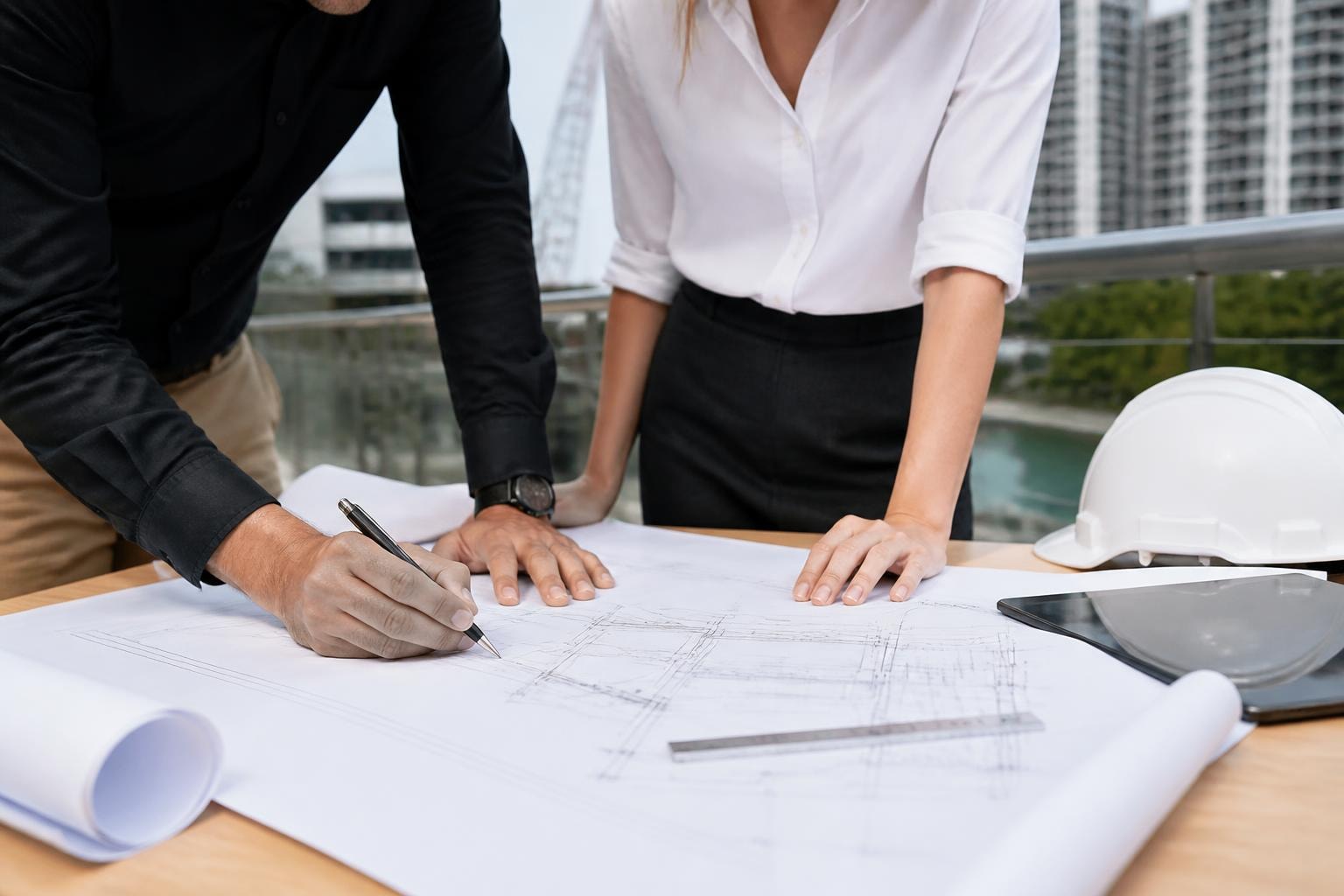
The relationship between architectural vision and structural reality defines every successful building project, particularly in South Florida where environmental demands test both design creativity and engineering precision. Understanding how architectural and structural elements work together is essential for property owners, managers, and associations navigating building recertification requirements. When these two disciplines collaborate effectively, buildings not only meet aesthetic goals but also achieve the structural integrity necessary for long-term safety and compliance with evolving building codes.
Understanding the Architectural and Structural Partnership
Architectural and structural engineering represent two sides of the same coin in construction. Architects envision spaces that serve human needs while creating visually compelling environments, but these visions can only become reality through sound structural engineering. This partnership becomes especially critical in South Florida, where buildings must withstand hurricane-force winds, salt air corrosion, and heavy rainfall while maintaining their intended function and appearance.
The fundamental principles of architectural design emphasize form, function, and contextual integration. However, every architectural decision carries structural implications. When an architect specifies floor-to-ceiling windows for ocean views, structural engineers must ensure lateral load resistance through alternative means. When open floor plans eliminate traditional load-bearing walls, engineering solutions like steel beams or post-tension systems become necessary.
The Science Behind Structural Integrity
Structural engineering transforms architectural concepts into buildable realities through mathematical analysis and material science. Engineers calculate loads, stresses, and deflections to ensure buildings can safely support their own weight plus occupancy loads, wind forces, and environmental factors specific to coastal Florida.
Key structural considerations include:
- Dead loads from building materials and permanent fixtures
- Live loads from occupants, furniture, and moveable equipment
- Environmental loads including wind, seismic activity, and rain
- Load path continuity from roof to foundation
- Material properties and degradation over time
The American Society of Civil Engineers (ASCE) standards provide the technical framework for calculating these factors. ASCE 7 specifically addresses minimum design loads that engineers must consider when evaluating existing structures during milestone building recertification inspections.
How Building Codes Shape Architectural and Structural Decisions
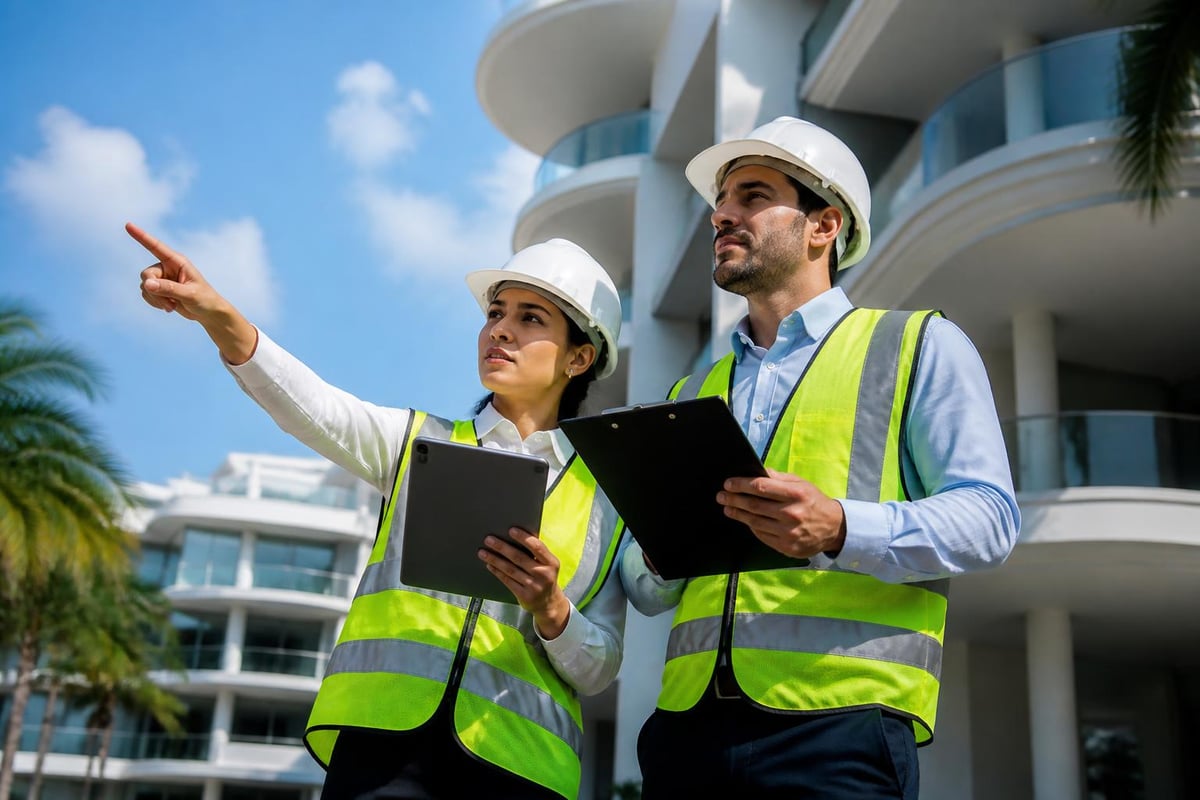
Building codes establish the minimum safety standards that govern both architectural design and structural engineering. In South Florida, the Florida Building Code incorporates provisions from the International Building Code while adding specific requirements for high-velocity hurricane zones. These regulations directly impact how architectural and structural professionals approach everything from foundation design to roof attachment.
Code compliance isn't static. Following major events like the Surfside condominium collapse, Florida enacted SB 4-D, which strengthened building recertification requirements for older structures. Properties now face more rigorous architectural and structural evaluations at the 30-year mark rather than 40 years, with subsequent inspections every 10 years.
Material Selection and Longevity
The choice of building materials represents a crucial intersection of architectural and structural thinking. Architects may prefer certain materials for their aesthetic qualities, but structural engineers must evaluate their performance characteristics, especially in South Florida's aggressive coastal environment.
| Material | Architectural Benefits | Structural Considerations | Longevity in Coastal Climate |
|---|---|---|---|
| Reinforced Concrete | Versatile, fire-resistant | High compressive strength | Vulnerable to chloride penetration |
| Structural Steel | Clean lines, large spans | Excellent tensile strength | Requires corrosion protection |
| Post-Tension Systems | Thinner slabs, fewer columns | Reduced deflection | Cable corrosion if not properly maintained |
| Aluminum | Lightweight, corrosion-resistant | Lower strength-to-weight ratio | Excellent for railings and cladding |
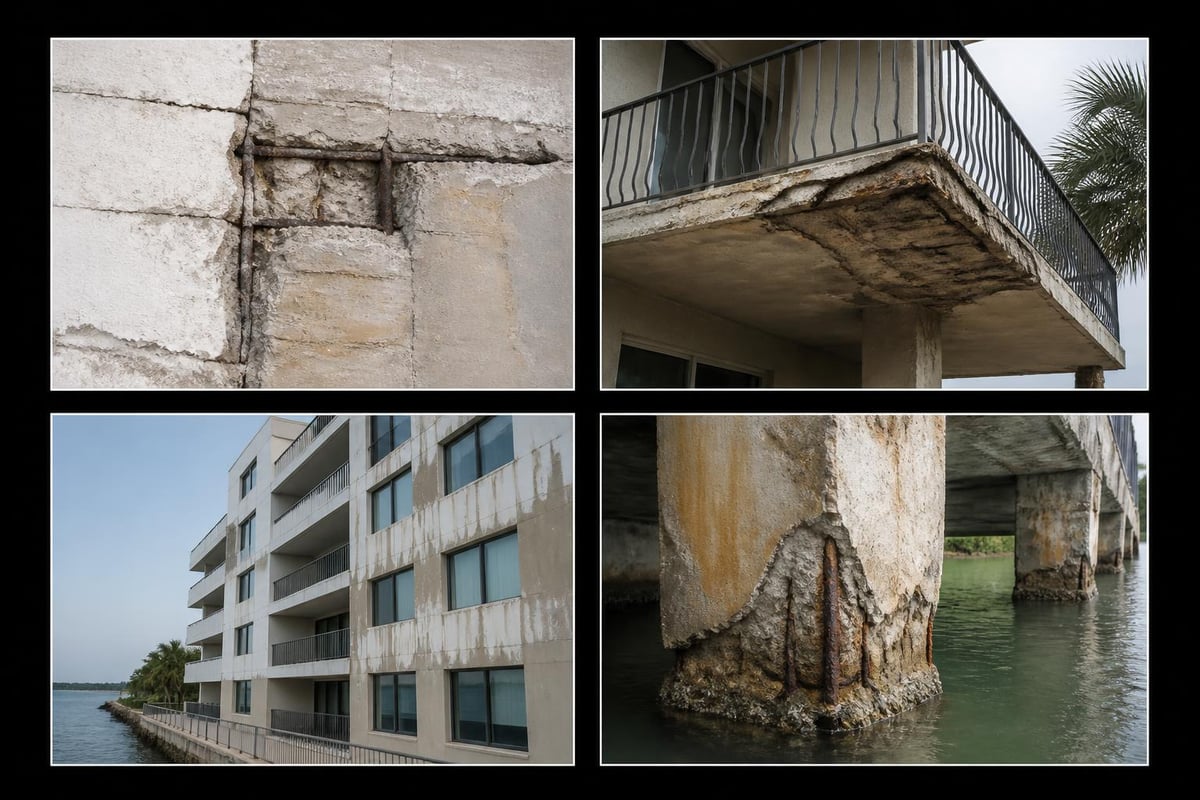
Concrete restoration and structural repairs become inevitable in aging buildings where material degradation compromises both architectural finishes and structural capacity. Spalled concrete doesn't just create aesthetic problems; it exposes reinforcing steel to accelerated corrosion that weakens load-bearing capacity.
The Role of Structural Analysis in Existing Buildings
While new construction allows architects and structural engineers to collaborate from the beginning, existing buildings present unique challenges. During structural engineering assessments, engineers must reverse-engineer architectural and structural decisions made decades earlier, often with limited documentation.
The structural analysis process typically includes:
- Visual inspection of architectural and structural elements
- Material testing through core samples and non-destructive methods
- Load capacity calculations based on as-built conditions
- Code comparison against current requirements
- Repair recommendations that preserve architectural intent
Advanced techniques like infrared thermal inspections reveal hidden water intrusion that affects both architectural finishes and structural components. Moisture behind stucco facades can corrode reinforcing steel inside concrete columns, creating a structural deficiency that wasn't visible during basic architectural review.
Water Intrusion: The Silent Destroyer
Water represents the greatest threat to both architectural and structural integrity in South Florida buildings. What begins as a minor architectural issue like a compromised window seal can evolve into serious structural damage if moisture penetrates concrete or corrodes steel framing members.
Forensic water intrusion investigations trace moisture pathways through building assemblies to identify architectural failures that create structural vulnerabilities. Balconies present particularly complex challenges where architectural waterproofing systems must work in concert with structural drainage design.
Balancing Design Vision with Engineering Reality
The tension between architectural ambition and structural feasibility drives innovation in the construction industry. Modern computational tools allow engineers to analyze complex geometries that would have been impossible to build economically just decades ago. However, fundamental structural principles still govern what's possible within budget and code constraints.
Architects working on renovation projects often discover that their architectural and structural assumptions don't match reality. Original drawings may show concrete strength that laboratory testing proves incorrect. Assumed reinforcing bar spacing might differ from what's actually in the walls. These discoveries require creative problem-solving that honors architectural intent while ensuring structural safety.
Common Conflicts and Solutions
The most frequent conflicts between architectural and structural requirements occur in these areas:
- Column placement: Architects want open spaces; engineers need vertical support elements
- Ceiling heights: Design preferences versus beam depth requirements
- Fenestration: Large openings reduce shear wall capacity
- Roof slopes: Architectural aesthetics versus structural drainage and wind resistance
- Material transitions: Design details that create structural weak points
Successful resolution of these conflicts requires early collaboration. When structural engineering design and analysis begins during the architectural concept phase rather than after design completion, teams can explore creative solutions that satisfy both disciplines.
Compliance Through Integrated Thinking
Meeting Florida's increasingly stringent building requirements demands that architectural and structural professionals think holistically about building performance. A Structural Integrity Reserve Study (SIRS) examines how architectural and structural components will age over time, projecting maintenance and replacement needs that affect reserve funding for condominiums and cooperatives.
This integrated approach recognizes that architectural finishes protect structural elements, and structural integrity supports architectural function. When balcony railings deteriorate, the issue isn't purely architectural. Balcony railing replacement must address both code-compliant attachment to structural members and proper waterproofing details that prevent future deterioration.
Critical integration points include:
- Foundation waterproofing systems that protect structural concrete
- Facade attachment systems that transfer wind loads to structural frames
- Roof-to-wall connections that resist uplift forces
- Expansion joints that accommodate structural movement without compromising architectural weather barriers
- Penetrations for MEP systems that don't compromise structural members
The National Park Service structural engineering standards emphasize how historic preservation requires particularly careful integration of architectural and structural considerations, balancing character-defining features with modern safety requirements.
Engineering Solutions for Aging Infrastructure
South Florida's building stock includes thousands of structures approaching or exceeding their first milestone recertification. Many were designed to earlier code standards that didn't anticipate current wind loads or the cumulative effects of decades in a salt-air environment. Bringing these buildings into compliance requires architectural and structural interventions that often work invisibly behind existing finishes.
Structural strengthening strategies must preserve architectural character while adding capacity. Carbon fiber wrapping can increase column strength without changing room dimensions. Post-installed anchors can upgrade inadequate concrete connections. These solutions reflect sophisticated understanding of both architectural and structural requirements.
The Economic Dimension
Building owners evaluating repair options face complex cost-benefit analyses. Architectural improvements that enhance property values must be balanced against structural necessities that ensure safety. A comprehensive 40-year building recertification inspection reveals the full scope of needed architectural and structural work, allowing owners to prioritize investments strategically.
| Repair Category | Typical Cost Range | Urgency Level | Architectural Impact |
|---|---|---|---|
| Concrete spall repair | $50-150 per sq ft | High if reinforcing exposed | Visible patching |
| Structural steel replacement | $150-300 per sq ft | Critical for load-bearing | Often hidden |
| Balcony waterproofing | $25-75 per sq ft | High to prevent structural damage | Surface refinishing |
| Foundation underpinning | $1,000-3,000 per linear ft | Critical if settlement active | Minimal if done properly |
Understanding these relationships helps property managers make informed decisions about when architectural repairs can be deferred and when structural interventions require immediate action, regardless of cost.
Future-Proofing Through Smart Design
As climate change intensifies weather patterns and sea levels rise, the architectural and structural demands on South Florida buildings will only increase. Forward-thinking property owners are already incorporating resilience measures that exceed minimum code requirements, recognizing that today's extra investment prevents tomorrow's emergency repairs.
Resilient design integrates architectural and structural strategies:
- Elevated mechanical systems that combine architectural screening with structural platforms above projected flood levels
- Impact-resistant building envelopes where architectural glass selection meets structural attachment requirements
- Redundant load paths that maintain structural integrity even if individual elements fail
- Corrosion-resistant materials selected for both architectural durability and structural performance
- Adaptable spaces designed architecturally and engineered structurally to accommodate future modifications
These principles align with the comprehensive architectural design approaches that emphasize sustainability, structural integrity, and long-term building performance.
The Professional Partnership
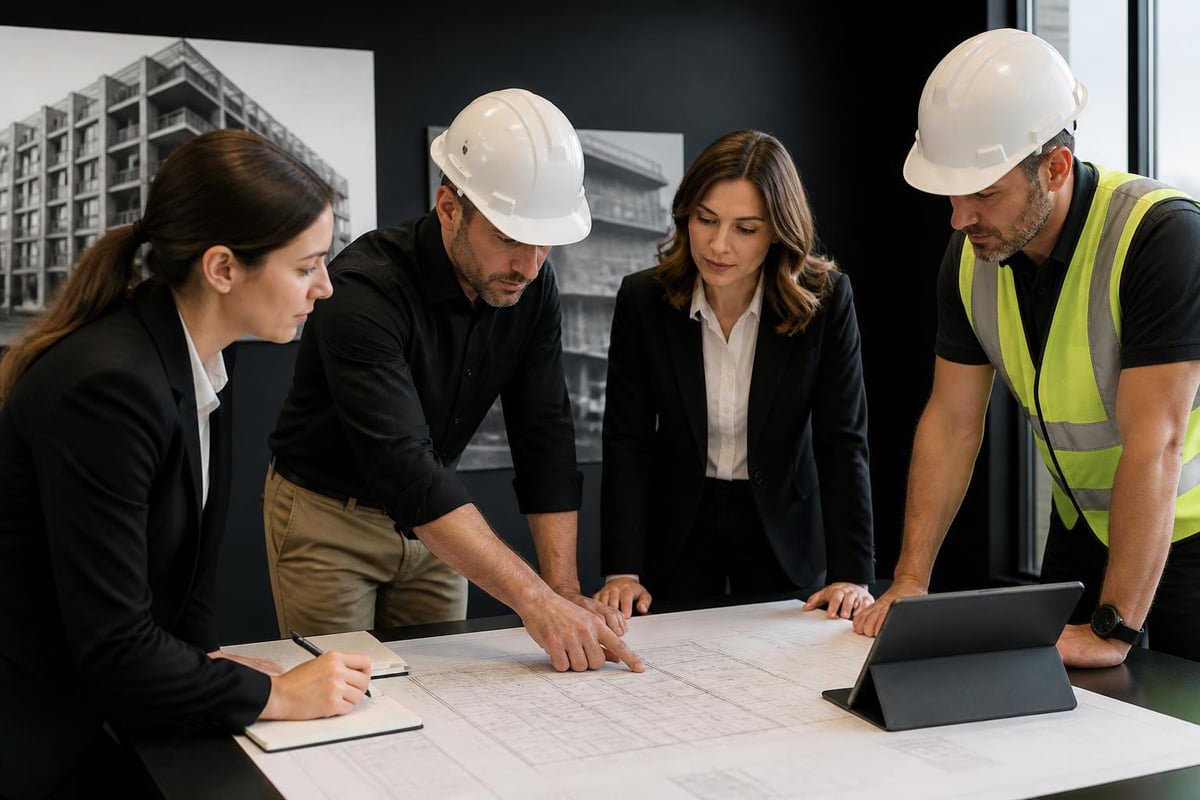
Effective building recertification requires seamless collaboration among multiple professionals. The civil engineer and site engineer work alongside structural specialists, architects, and contractors to diagnose problems and implement solutions. This team approach ensures that architectural and structural repairs don't conflict with geotechnical considerations, electrical systems, or plumbing infrastructure.
When violations or unsafe conditions are identified during inspections, resolution strategies must address root causes rather than merely treating symptoms. A cracked facade might reflect architectural installation errors, structural movement, or foundation settlement. Proper diagnosis requires professionals who understand the interconnected nature of building systems.
Communication between disciplines prevents costly mistakes. An architect specifying new cladding must coordinate with structural engineers to verify that existing framing can support additional dead load. Contractors installing electrical system upgrades need structural guidance about where penetrations through beams or slabs are permissible.
Maintaining Compliance Over Time
Building recertification isn't a one-time event but the beginning of an ongoing maintenance cycle. Architectural and structural elements that pass inspection today will continue aging and require monitoring. Establishing proactive maintenance protocols prevents minor issues from becoming major structural problems.
Recommended monitoring intervals:
- Annual visual inspections of architectural and structural conditions
- Five-year detailed assessments of high-risk areas like balconies and parking structures
- Post-storm evaluations following hurricanes or severe weather events
- Ongoing moisture monitoring in areas with previous water intrusion
- Material testing at intervals recommended by engineering professionals
This systematic approach aligns with environmental sustainability principles that view buildings as long-term assets requiring stewardship rather than disposable commodities. Properly maintained architectural and structural systems can serve multiple generations of occupants.
Understanding how architectural and structural engineering principles intersect provides the foundation for maintaining safe, compliant buildings in South Florida's challenging environment. From initial design through decades of service life, these disciplines must work in harmony to ensure that buildings not only look good but perform reliably under stress. Whether you're approaching your first milestone inspection or managing ongoing compliance for an aging property, Souffront Construction and Engineering brings the integrated architectural and structural expertise South Florida property owners need to protect their investments and ensure occupant safety.