Civil Engineer Site Engineer: Roles & Responsibilities
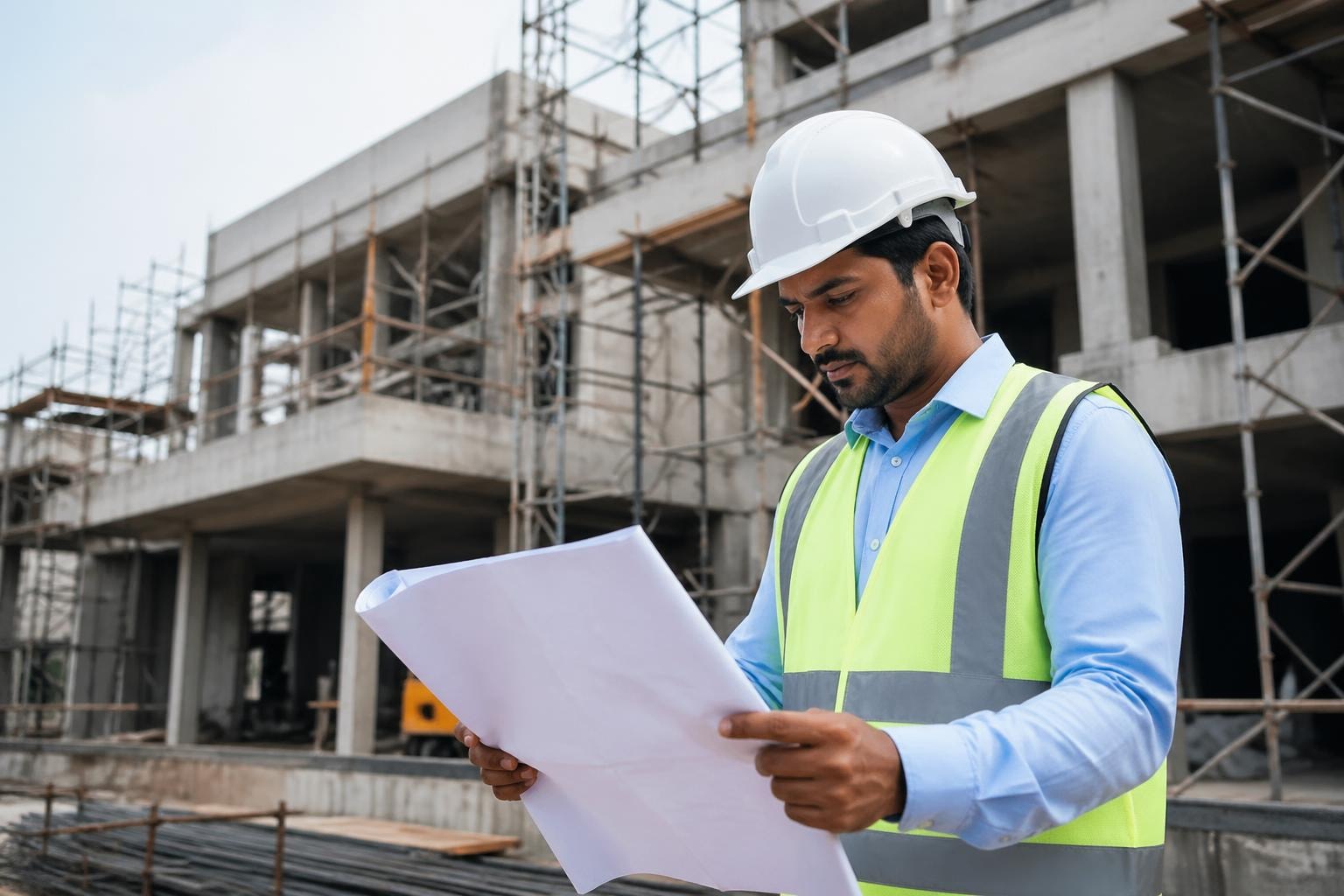
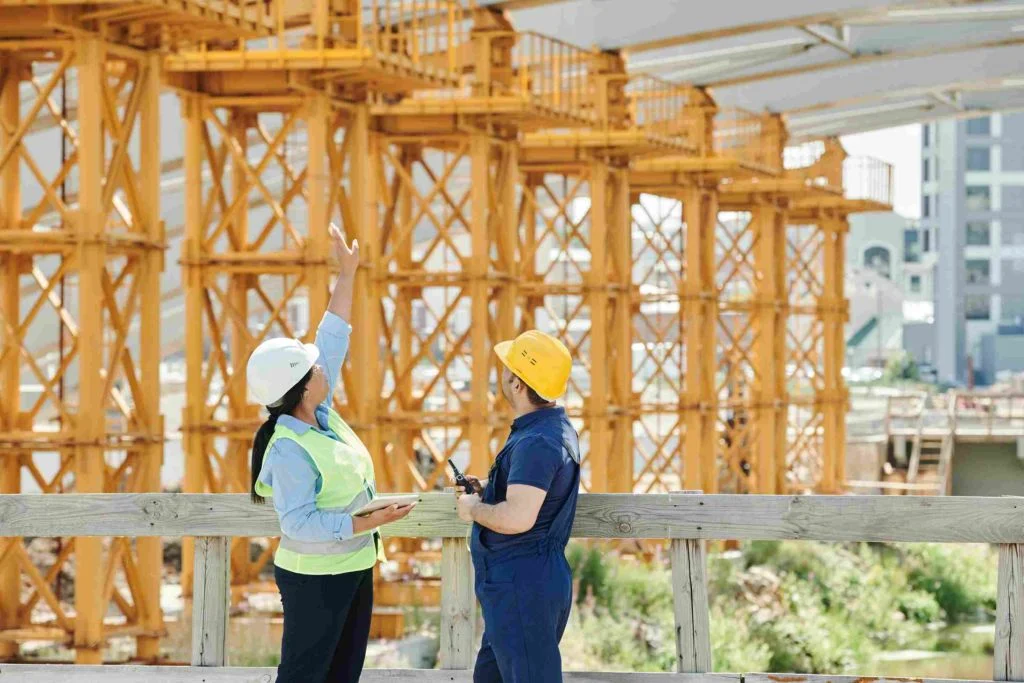
Understanding the role of a civil engineer site engineer is essential for anyone involved in construction projects, especially in South Florida where building codes and recertification requirements demand meticulous attention to detail. These professionals serve as the critical link between engineering design and physical construction, ensuring that every aspect of a project meets safety standards, regulatory requirements, and quality expectations. From milestone building inspections to concrete restoration projects, the civil engineer site engineer's expertise shapes how structures are built and maintained throughout their lifecycle.
What Does a Civil Engineer Site Engineer Do?
The civil engineer site engineer occupies a unique position in construction management, combining technical engineering knowledge with hands-on project supervision. Unlike engineers who work exclusively in design offices, site engineers spend their days on active construction sites, translating blueprints into reality while solving unexpected challenges.
Their core responsibilities include:
- Interpreting structural drawings and engineering specifications
- Supervising construction activities and contractor performance
- Conducting quality control inspections at critical construction phases
- Ensuring compliance with building codes and safety regulations
- Managing project schedules and coordinating multiple trades
These professionals must understand both the theoretical principles of civil engineering and the practical realities of construction work. The dynamic responsibilities of civil site engineers require them to make real-time decisions that can significantly impact project timelines, budgets, and safety outcomes.
Quality Control and Inspection Duties
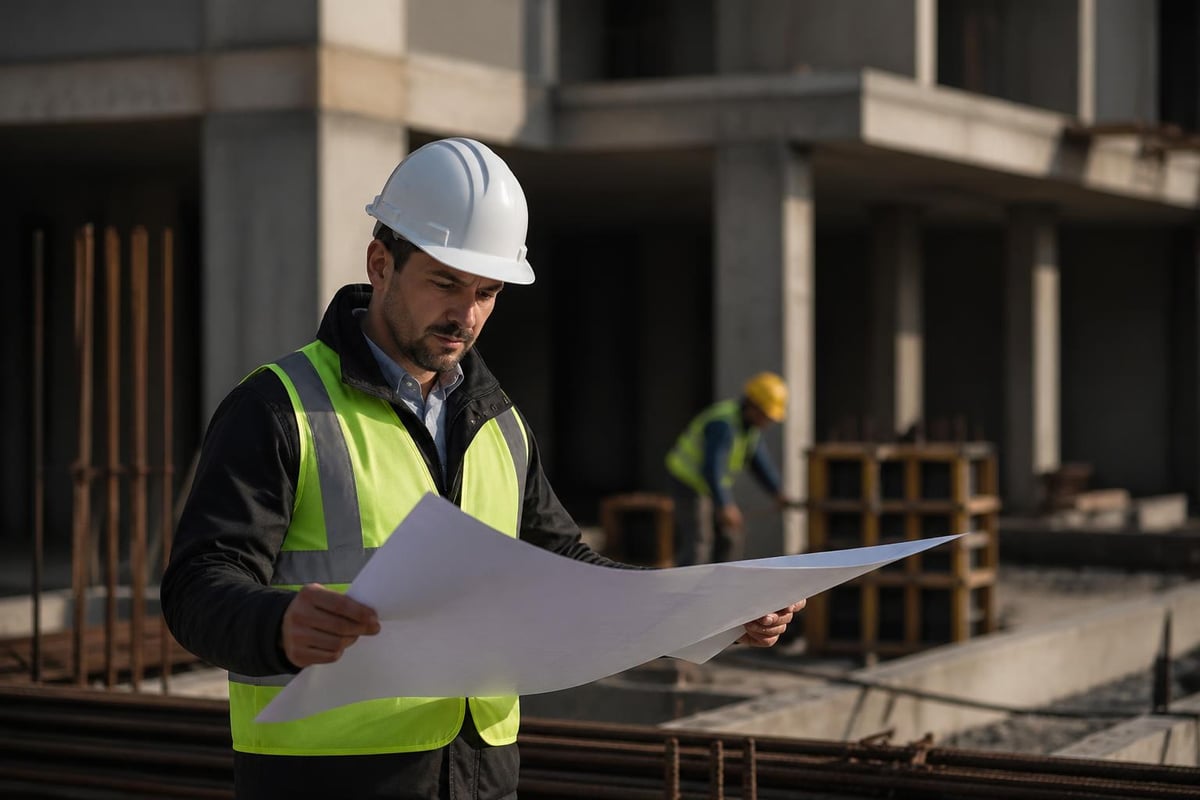
Quality assurance represents one of the most critical functions performed by a civil engineer site engineer. In South Florida's challenging coastal environment, where structures face constant exposure to salt air, humidity, and severe weather, maintaining construction quality isn't optional-it's essential for long-term building integrity.
Site engineers conduct inspections at multiple project stages. During foundation work, they verify that excavations reach proper depths, soil conditions match geotechnical reports, and reinforcement placement follows engineering specifications. For concrete work, they monitor mix designs, placement procedures, curing processes, and strength testing schedules.
When working on projects involving structural engineering and building assessments, the civil engineer site engineer coordinates closely with structural engineers to ensure repair work addresses underlying issues rather than just cosmetic concerns.
| Inspection Phase | Key Activities | Documentation Required |
|---|---|---|
| Pre-construction | Site preparation, layout verification, utility coordination | Survey reports, permit verification, baseline photos |
| Foundation | Excavation depth, rebar placement, concrete placement | Soil tests, rebar inspection reports, concrete test cylinders |
| Structural | Formwork alignment, reinforcement details, concrete quality | Shop drawings approval, pour schedules, strength test results |
| Final | Code compliance, punch list completion, system testing | Final inspection certificates, as-built drawings, warranty documentation |
This systematic approach to quality control helps prevent the types of structural deficiencies that later appear during milestone building recertification inspections.
Project Management and Coordination
Beyond technical oversight, the civil engineer site engineer serves as a project coordinator, managing the complex interactions between multiple stakeholders. On any given day, they might communicate with architects, contractors, subcontractors, inspectors, suppliers, and property owners.
Effective project coordination requires:
- Daily site meetings to review progress and address concerns
- Schedule management to keep trades working in proper sequence
- Material coordination ensuring supplies arrive when needed
- Problem-solving when conflicts arise between trades or designs
- Documentation of all decisions, changes, and field conditions
The civil engineer site engineer must anticipate potential conflicts before they disrupt construction. For example, when electrical and plumbing systems compete for the same overhead space, the site engineer determines appropriate routing based on code requirements, accessibility for future maintenance, and coordination with structural elements.
Many property managers first encounter these coordination challenges during building recertification processes, when aging systems need comprehensive assessment and repair planning.
Communication and Reporting
Clear communication distinguishes effective civil engineer site engineers from merely competent ones. They must translate technical engineering concepts into practical instructions for construction crews while also explaining field realities to designers and owners who may not visit the site regularly.
Daily reports document progress, materials received, equipment on site, weather conditions, workforce numbers, and any issues requiring attention. These reports create a chronological record that proves invaluable when questions arise about project decisions or timeline impacts.
Weekly progress reports provide higher-level summaries for stakeholders, highlighting completed work, upcoming activities, potential delays, and budget implications. Monthly reports typically include photographic documentation showing project evolution and quality of completed work.
Code Compliance and Regulatory Knowledge
Building codes exist to protect public safety, and the civil engineer site engineer bears significant responsibility for ensuring compliance. Their multifaceted role includes understanding and implementing safety regulations that govern everything from structural loading to fire protection systems.
In South Florida, this responsibility carries additional weight due to:
- Hurricane resistance requirements demanding enhanced structural connections
- Flood zone regulations affecting foundation and elevation design
- Coastal construction codes addressing corrosion protection
- Energy efficiency standards for building envelope performance
The civil engineer site engineer must stay current with code changes. Florida's evolving building recertification requirements, particularly following recent legislative updates, demand that site engineers understand not just new construction standards but also how those standards apply to existing building assessments and repairs.
When conducting water intrusion investigations, site engineers apply their code knowledge to identify violations that may contribute to moisture problems, such as improper flashing details, inadequate drainage systems, or building envelope failures.
Permit Management and Inspector Relations
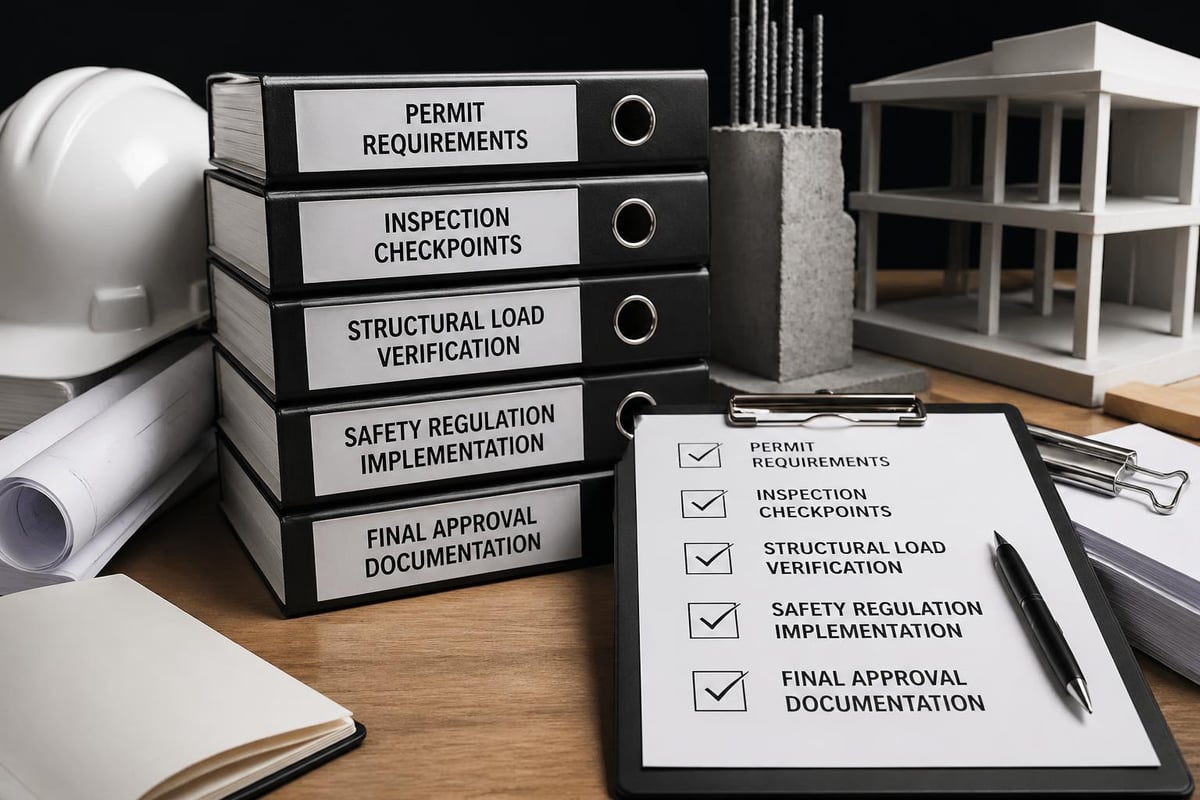
Obtaining and managing construction permits represents another critical function. The civil engineer site engineer typically coordinates permit applications, ensuring that all required documentation accompanies submissions and that construction activities align with permitted scope.
Permit-related responsibilities include:
- Preparing permit application packages with required drawings and calculations
- Scheduling municipal inspections at appropriate construction milestones
- Addressing inspector comments and correction notices
- Obtaining sign-offs before proceeding to subsequent work phases
- Maintaining permit files and inspection records for project closeout
Building positive working relationships with municipal inspectors facilitates smoother project progression. Experienced site engineers understand that inspectors serve as partners in ensuring quality construction rather than obstacles to overcome.
Technical Problem-Solving on Active Projects
Theory meets reality on construction sites, and not every condition matches the assumptions made during design. The civil engineer site engineer must identify discrepancies and develop practical solutions that maintain engineering integrity while keeping projects moving forward.
Common field challenges include:
- Unexpected soil conditions differing from geotechnical reports
- Conflicts between existing utilities and new construction elements
- Material substitutions when specified products become unavailable
- Weather-related construction delays affecting cure times and sequencing
- Existing building conditions discovered during renovation work
When concrete restoration projects uncover more extensive deterioration than initial assessments revealed, the civil engineer site engineer coordinates with structural engineers to modify repair approaches while documenting changes for owner approval and cost tracking.
Field Engineering Calculations
Site engineers regularly perform calculations to address field conditions. These might include:
| Calculation Type | Purpose | Typical Scenarios |
|---|---|---|
| Concrete volume | Material ordering | Foundation pours, slab placements, structural elements |
| Load capacity | Temporary support | Shoring design, construction loading, material storage |
| Drainage | Site management | Dewatering plans, stormwater control, erosion prevention |
| Survey adjustments | Layout verification | Grade checking, alignment confirmation, as-built documentation |
While major design changes require review by the engineer of record, 12 key site engineer responsibilities include making minor field adjustments that fall within acceptable tolerances and engineering judgment.
Safety Management and Risk Mitigation
Construction sites present inherent hazards, and the civil engineer site engineer plays a crucial role in maintaining safe working conditions. While dedicated safety officers may handle training and regulatory compliance on larger projects, site engineers integrate safety considerations into all construction planning and oversight.
Safety responsibilities include:
- Identifying potential hazards before they cause incidents
- Ensuring proper shoring and excavation protection
- Verifying fall protection systems for elevated work
- Confirming equipment operations follow manufacturer guidelines
- Stopping work when unsafe conditions develop
In South Florida's building environment, where many projects involve occupied buildings undergoing renovation or recertification repairs, safety extends beyond worker protection to include resident and tenant safety. Violation and unsafe structure resolution often requires careful coordination to maintain building safety during construction activities.
The civil engineer site engineer must recognize when structural conditions pose immediate danger, requiring temporary shoring or occupancy restrictions until permanent repairs can be completed.
Material Testing and Verification
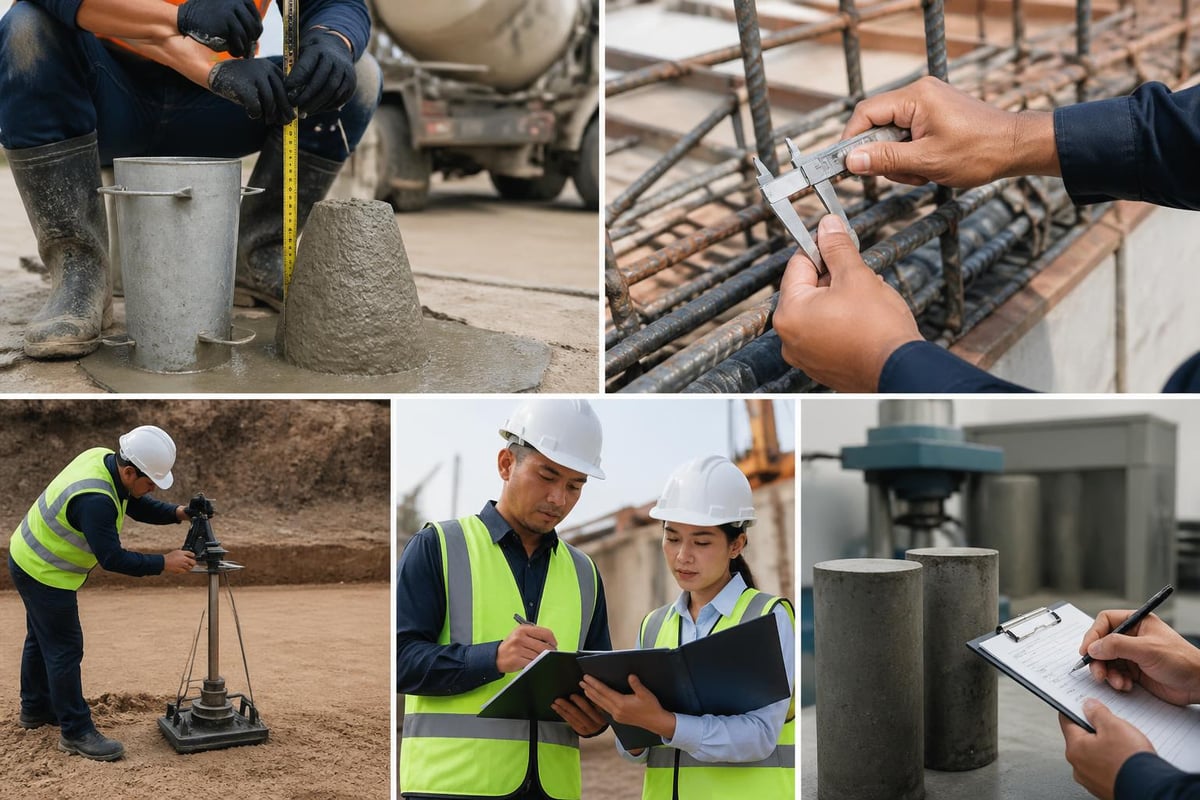
Construction quality depends heavily on material quality, making material testing and verification essential site engineering functions. The civil engineer site engineer coordinates testing schedules, collects samples, and interprets test results to ensure materials meet specifications.
Common material tests include:
- Concrete cylinder compression tests
- Reinforcing steel tensile tests
- Soil compaction verification
- Masonry unit strength testing
- Welding quality inspections
Test failures require immediate response. When concrete cylinders fail to achieve specified strength, the site engineer must determine whether the affected concrete needs replacement, additional testing through core sampling, or engineering evaluation to accept lower strength with design modifications.
For projects involving electrical system upgrades, material verification extends to confirming that components meet specified ratings, certifications, and compatibility requirements.
Documentation and Record-Keeping
Comprehensive documentation protects all project stakeholders by creating a factual record of construction activities, decisions, and conditions. The civil engineer site engineer maintains multiple documentation systems throughout construction.
Essential documentation includes:
- Daily construction reports with weather, workforce, and progress notes
- Photographic records showing construction sequence and quality
- Material delivery logs and test result files
- Request for Information (RFI) responses and clarifications
- Change order documentation with cost and schedule impacts
- As-built drawings marked up to reflect actual installed conditions
This documentation becomes particularly valuable during warranty periods and future building assessments. When conducting structural integrity reserve studies, engineers rely on construction records to understand original building conditions and past repair work.
Digital Documentation Tools
Modern site engineers increasingly use digital platforms for documentation, replacing traditional paper reports with cloud-based systems that provide real-time access to project information. These tools enable:
- Photo annotation with GPS coordinates and date stamps
- PDF drawing markup for field modifications
- Collaborative RFI management systems
- Automated report generation and distribution
- Centralized document storage accessible to all stakeholders
Digital documentation improves accuracy while reducing administrative time, allowing site engineers to focus more attention on actual construction oversight.
Career Development and Professional Growth
The pathway to becoming an effective civil engineer site engineer typically begins with a civil engineering degree, followed by an Engineer-in-Training (EIT) certification. However, the crucial role and varied responsibilities require continuous learning throughout one's career.
Professional development opportunities include:
- Obtaining Professional Engineer (PE) licensure
- Pursuing specialized certifications in construction management
- Attending continuing education courses on code updates
- Participating in industry associations and technical committees
- Learning new construction technologies and building systems
Many civil engineer site engineers eventually transition into project management roles, structural engineering design positions, or specialized consulting focusing on building assessment and forensic investigation.
For those interested in building preservation and recertification work, experience as a civil engineer site engineer provides invaluable perspective on how buildings are constructed, how they deteriorate, and how repairs should be properly executed to restore structural integrity.
Industry Trends Affecting Site Engineering
The construction industry continues evolving, and civil engineer site engineers must adapt to emerging trends and technologies. Building Information Modeling (BIM) increasingly replaces traditional 2D drawings, providing three-dimensional coordination tools that help identify conflicts before construction begins.
Sustainability and energy efficiency drive changes in construction practices. Understanding green building standards, solar panel integration considerations, and sustainable material selection becomes increasingly important. For property owners interested in renewable energy solutions, working with experienced professionals who understand structural implications-similar to how solar installation experts evaluate roof capacity and mounting requirements-ensures system safety and performance.
Prefabrication and modular construction methods change how site engineers approach quality control, shifting some inspection activities from the field to manufacturing facilities while requiring different coordination approaches for site assembly.
The growing emphasis on building resilience, particularly in hurricane-prone South Florida, demands that civil engineer site engineers understand enhanced structural connection details, impact-resistant materials, and flood mitigation strategies.
The Site Engineer's Role in Building Lifecycle
While site engineers focus primarily on construction phases, their work influences buildings throughout their entire lifecycle. Proper construction oversight prevents future problems that might otherwise require expensive repairs during building ownership.
Their involvement in high-rise building construction and renovation projects creates the foundation for successful long-term building performance. When construction quality meets engineering intent, buildings require less maintenance, experience fewer premature failures, and pass recertification inspections with minimal corrective work.
The relationship between construction quality and future building performance becomes particularly evident during 40-year recertification processes, where original construction details significantly impact structural condition and required repair scope.
For property owners seeking to understand how construction decisions affect long-term building value, consulting with professionals experienced in both construction and building assessment provides valuable perspective. Similar to how experienced real estate professionals help buyers understand property condition and value, knowledgeable civil engineer site engineers can explain how construction quality impacts building longevity and maintenance costs.
Specialized Applications in Building Recertification
The civil engineer site engineer's skill set proves particularly valuable during building recertification and major renovation projects. These complex undertakings require someone who understands both existing building conditions and modern construction requirements.
During recertification projects, site engineers coordinate investigation activities, oversee structural repairs, ensure code compliance for modifications, and manage the complex logistics of working in occupied buildings. They must balance engineering requirements with minimal resident disruption, scheduling work during appropriate hours and maintaining safe access throughout construction.
Structural engineering services for recertification projects benefit from site engineers who understand both structural assessment findings and practical repair implementation. This dual perspective helps develop repair scopes that address identified deficiencies effectively while remaining constructible within building constraints.
When repairs involve multiple building systems-such as when concrete restoration work requires coordination with waterproofing, painting, and sometimes electrical or plumbing upgrades-the civil engineer site engineer ensures proper sequencing and quality across all trades.
Collaboration With Other Building Professionals
Successful projects require effective collaboration between the civil engineer site engineer and other professionals including architects, structural engineers, MEP designers, contractors, and specialty consultants. Each brings specific expertise, and the site engineer coordinates these inputs during construction.
When roof repairs or replacements become necessary, understanding roofing system performance and installation requirements ensures structural modifications accommodate roofing needs. Working with experienced roofing professionals who provide detailed documentation and clear communication aligns with the site engineer's own standards for construction quality and accountability.
The civil engineer site engineer serves as the owner's representative during construction, protecting their interests while maintaining productive working relationships with contractors. This balanced approach ensures that projects achieve quality standards while remaining on schedule and within budget.
Effective collaboration requires:
- Clear communication channels between all parties
- Regular coordination meetings to address issues promptly
- Mutual respect for each professional's expertise and responsibilities
- Documented decision-making processes
- Commitment to project success rather than individual agendas
These collaborative skills often prove just as important as technical knowledge in determining project outcomes and professional success.
The civil engineer site engineer performs essential functions that directly impact construction quality, safety, and long-term building performance. From daily quality inspections to complex problem-solving and regulatory compliance, these professionals ensure that engineering designs become safe, durable structures. Whether you're planning new construction, managing building recertification requirements, or addressing structural concerns in your South Florida property, working with experienced professionals makes all the difference. Souffront Construction and Engineering combines comprehensive engineering expertise with hands-on construction experience to deliver reliable, code-compliant solutions for commercial and residential properties throughout South Florida.