Structural Engineering Services: A Complete Guide
Modern buildings face constant challenges from environmental stresses, aging materials, and evolving safety codes. Structural engineering services form the critical foundation that ensures buildings remain safe, functional, and compliant throughout their entire lifecycle. Whether you're managing a coastal condominium, overseeing commercial property maintenance, or preparing for mandatory recertification, understanding the scope and importance of professional structural engineering can make the difference between proactive protection and costly emergency repairs.
What Structural Engineering Services Include
Structural engineering services encompass far more than initial building design. These specialized services address the complete structural health of a building from conception through decades of use.
Professional structural engineers evaluate how buildings resist gravity, wind loads, seismic activity, and environmental factors unique to their location. In South Florida, this means accounting for hurricane-force winds, saltwater corrosion, and high humidity that accelerates material deterioration.
Core Service Categories
The breadth of structural engineering services typically includes:
- Structural analysis and design for new construction and additions
- Load-bearing capacity assessments for renovations and alterations
- Forensic investigations to identify failure causes and damage origins
- Repair and retrofit design for aging or damaged structures
- Code compliance reviews ensuring adherence to current building standards
- Foundation evaluations addressing settlement, cracking, and soil interaction
Each category requires specialized knowledge and licensed professionals who understand both engineering principles and local regulatory requirements. The Structural Engineering Institute provides extensive resources on professional standards and continuing education for practitioners.
Structural Analysis and Design Services
When modifications alter a building's structural system, professional engineering analysis becomes essential. Adding a rooftop HVAC unit, removing a load-bearing wall, or converting spaces all change how forces distribute through the structure.
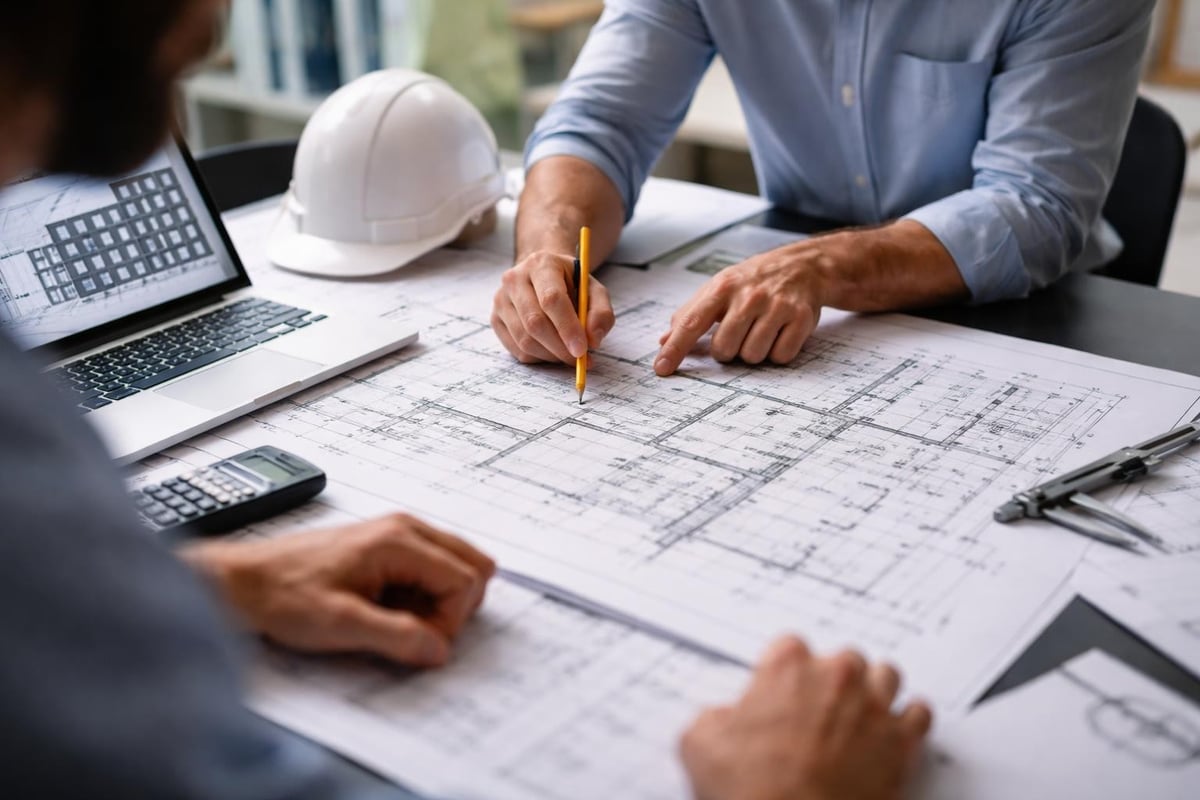
Structural engineers use advanced calculation methods and computer modeling to verify that existing structures can safely accommodate proposed changes. This process examines:
| Analysis Component | Purpose | Outcome |
|---|---|---|
| Load calculations | Determine forces acting on structural elements | Safe capacity ratings |
| Material testing | Verify existing material strength and condition | Accurate design assumptions |
| Connection review | Assess how components transfer forces | Proper load distribution |
| Code compliance | Ensure designs meet current requirements | Permit approval |
The National Institute of Standards and Technology continues to advance structural engineering through research on building resilience and innovative analysis techniques.
Building Addition and Renovation Design
Property improvements frequently require structural engineering expertise. A second-story addition must integrate seamlessly with existing foundations and framing. Pool decks, balconies, and covered patios all demand proper structural design to prevent failure.
Engineers prepare detailed construction documents showing how new elements connect to existing structures. These drawings specify materials, fasteners, reinforcement requirements, and construction sequences. Without this professional guidance, contractors may inadvertently compromise structural integrity while attempting improvements.
Inspection and Assessment Services
Regular structural inspections identify problems before they escalate into dangerous or expensive failures. Structural engineering services include comprehensive evaluations that go beyond surface-level observations.
Professional structural assessments examine:
- Concrete deterioration including spalling, cracking, and exposed rebar
- Steel corrosion particularly in coastal environments with salt exposure
- Foundation movement revealing settlement or soil-related issues
- Water intrusion damage affecting structural components
- Connection failures in beams, columns, and load transfer points
South Florida properties face unique challenges that make regular structural inspections particularly important. The combination of coastal salt air, heavy rainfall, and hurricane exposure accelerates material degradation compared to inland or northern climates.
Milestone Building Recertification Requirements
Florida law mandates milestone building inspections at 30, 40, and 50 years for certain structures. These comprehensive evaluations require licensed engineers to assess all structural and life-safety systems.
The inspection process involves visual examinations, material testing, and detailed reporting on structural conditions. Engineers identify deficiencies, recommend repairs, and provide cost estimates for necessary work. Property owners must complete all required repairs to maintain their certificate of occupancy.
Understanding recertification scope:
- Visual inspection of all accessible structural elements
- Concrete testing to assess strength and deterioration
- Electrical system safety evaluation
- Plumbing and mechanical system assessment
- Comprehensive written report with findings and recommendations
- Repair prioritization based on safety and code requirements
For properties approaching these milestones, engaging structural engineering design and analysis services early helps owners budget appropriately and plan repairs strategically.
Forensic Engineering and Failure Investigation
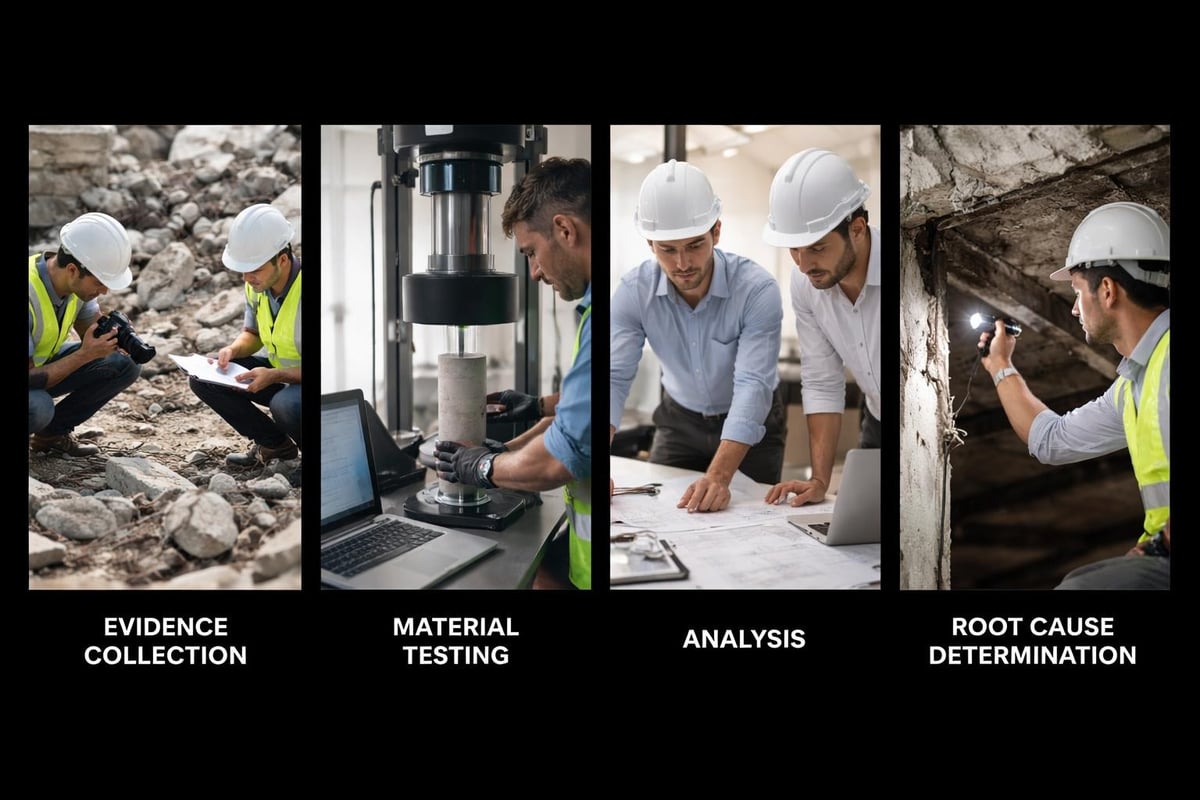
When structures fail or show concerning deterioration, forensic structural engineering identifies root causes and guides effective solutions. This investigative work combines field observation, laboratory testing, and engineering analysis.
Common forensic investigation triggers:
- Unexpected cracking in walls, floors, or ceilings
- Sagging or deflection in structural members
- Water intrusion with unknown source
- Door and window misalignment suggesting movement
- Visible corrosion or material deterioration
- Post-disaster damage assessment
Forensic engineers document existing conditions through photographs, measurements, and material samples. Laboratory testing reveals concrete strength, steel properties, and the extent of chemical deterioration like chloride contamination from salt exposure.
Water Intrusion and Structural Damage
Water represents one of the most destructive forces affecting building structures. Beyond obvious leaks, moisture infiltrates through tiny cracks, porous materials, and failed waterproofing systems. Over time, this moisture corrodes reinforcing steel, weakens concrete, and promotes mold growth.
Forensic water intrusion investigations require specialized expertise to trace moisture sources, evaluate structural damage, and recommend permanent solutions. Engineers may use infrared imaging, moisture meters, and destructive testing to fully understand water's impact on structural integrity.
Coastal properties particularly benefit from proactive water intrusion assessments. Salt-laden moisture accelerates corrosion dramatically compared to fresh water, making early detection crucial for preventing catastrophic failure.
Concrete Restoration Engineering
Deteriorating concrete threatens both safety and property values. Professional structural engineering services guide concrete repair projects from initial assessment through final restoration.
The restoration process begins with comprehensive condition surveys that map all deteriorated areas. Engineers then design repair strategies addressing both symptoms and underlying causes:
| Repair Type | Application | Structural Benefit |
|---|---|---|
| Patch repairs | Localized spalling and damage | Restores surface protection |
| Structural overlays | Widespread deterioration | Adds strength and protection |
| Carbon fiber reinforcement | Flexural strengthening | Increases load capacity |
| Cathodic protection | Active corrosion | Stops ongoing deterioration |
| Joint sealing | Expansion joint damage | Prevents water intrusion |
Engineers specify materials compatible with existing concrete and appropriate for South Florida's aggressive environment. Repair designs must account for building movement, thermal expansion, and continued exposure to moisture and salt.
Concrete restoration and structural repairs require careful engineering to ensure repairs integrate properly with existing structures without creating new stress concentrations or failure points.
Balcony and Exterior Structure Engineering
Balconies, railings, and exterior stairs experience severe exposure conditions while supporting critical life-safety functions. Structural failures in these elements have led to tragic collapses, making proper engineering essential.
Key balcony engineering considerations:
- Live load capacity for assembly and emergency egress
- Cantilevered support system design and connections
- Waterproofing membrane integration with structural elements
- Drainage to prevent water accumulation on structural components
- Railing attachment and pull-out resistance
- Corrosion protection in coastal environments
Engineers evaluating existing balconies look for warning signs including soft concrete, visible rust staining, cracking at support points, and water ponding. These symptoms often indicate serious underlying deterioration requiring immediate attention.
When replacement becomes necessary, structural engineers design new systems meeting current codes while integrating with existing building structures. This includes specifying appropriate materials, connection details, and waterproofing systems that address the failures of original construction.
Foundation and Soil Engineering Integration
While geotechnical engineers specialize in soil behavior, structural engineers must integrate foundation designs with soil characteristics. This collaboration ensures buildings transfer loads safely into supporting soils without excessive settlement or failure.
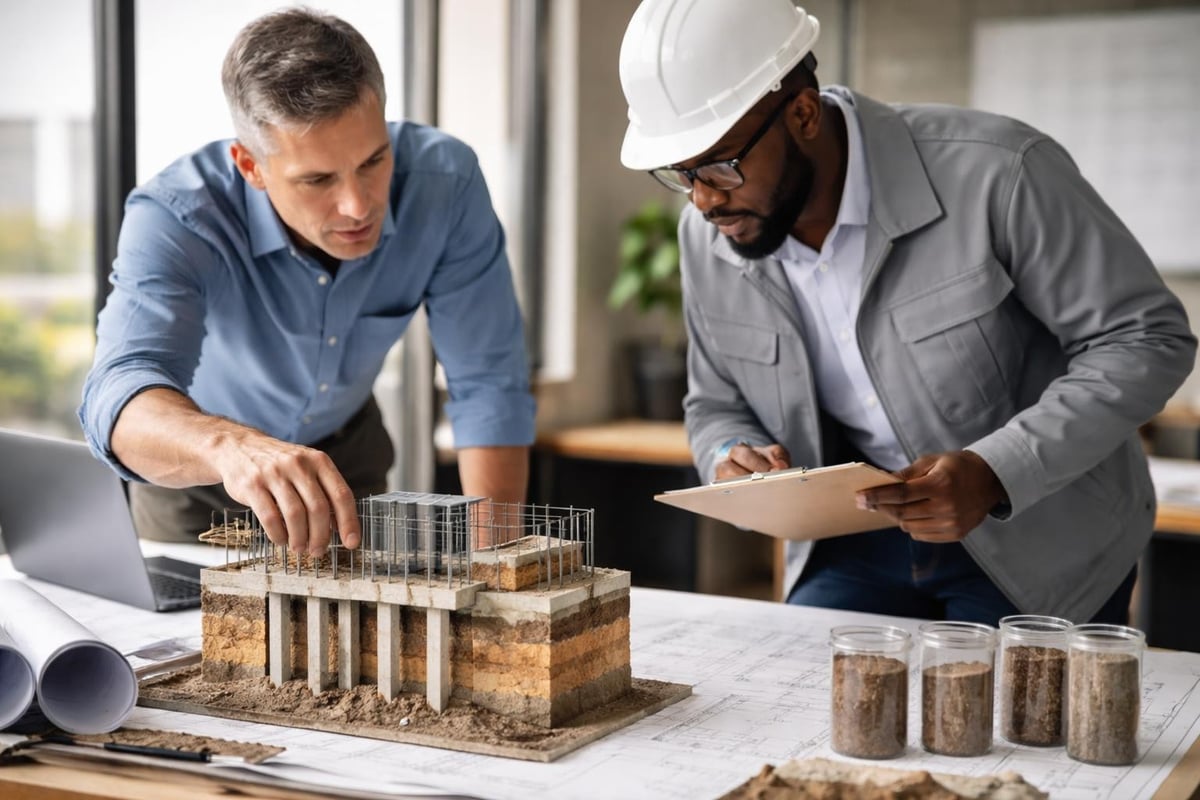
Foundation engineering addresses:
- Bearing capacity calculations matching soil strength
- Settlement predictions under building loads
- Deep foundation design for weak or variable soils
- Lateral resistance for wind and seismic loads
- Waterproofing and drainage to protect below-grade spaces
South Florida's unique geology, including limestone, sandy soils, and high water tables, creates specific foundation challenges. Structural engineers working in this region must understand how soil conditions affect foundation performance and building behavior.
For properties experiencing foundation problems, geotechnical engineering services combined with structural analysis identify causes and develop effective remediation strategies.
Code Compliance and Permit-Ready Solutions
Building codes evolve continuously, incorporating lessons from structural failures and advancing engineering knowledge. Properties built to older codes may not meet current safety standards, particularly for hurricane resistance and structural integrity.
Structural engineering services ensure code compliance through:
- Analysis of existing structures against current requirements
- Retrofit designs bringing non-compliant elements up to standard
- Permit-ready construction documents for approval
- Construction administration verifying proper implementation
- Final inspections and certifications
Understanding key factors in selecting structural engineering services helps property owners choose qualified professionals who can navigate complex permitting processes effectively.
Many renovation and repair projects require permits demonstrating compliance with current codes. Engineers prepare stamped drawings and calculations satisfying building department requirements, streamlining approval processes that might otherwise stall construction.
Violation Resolution Engineering
When code violations involve structural elements, professional engineering becomes essential for developing acceptable remediation plans. Building departments require licensed engineer involvement for corrections affecting structural safety.
Engineers document existing conditions, identify specific code deficiencies, and design corrections meeting official requirements. This process often involves coordination with building officials to ensure proposed solutions satisfy regulatory concerns before submitting formal applications.
The violation and unsafe structures resolution process benefits from early engineering involvement, preventing costly redesigns and construction delays.
Structural Integrity Reserve Studies
Beyond immediate safety concerns, property owners must plan financially for long-term structural maintenance. Structural Integrity Reserve Studies (SIRS) provide the engineering analysis required under Florida law for certain condominium and cooperative properties.
These comprehensive studies evaluate all structural components and common elements, estimating remaining useful life and replacement costs. Engineers inspect:
- Building structural systems and support elements
- Roofing and waterproofing systems
- Exterior walls and facades
- Parking structures and pavements
- Pool decks and recreational facilities
- Seawalls and marine structures
The resulting report guides reserve funding, ensuring associations accumulate adequate resources for future repairs and replacements. This financial planning protects property values and prevents special assessments when major work becomes necessary.
Professional SIRS structural integrity reserve study services combine engineering expertise with cost estimating to create realistic funding plans for property associations.
Emergency Structural Assessment
Disasters, accidents, and sudden failures require immediate engineering response. Structural engineers provide emergency assessments determining whether buildings remain safe for occupancy following damage events.
Emergency structural services include:
- Post-hurricane damage evaluation and safety certification
- Fire damage assessment and structural integrity verification
- Vehicle impact analysis and repair recommendations
- Explosion or collapse investigation and stabilization design
- Emergency shoring and temporary support engineering
These rapid assessments require experienced judgment and comprehensive understanding of structural behavior under extreme conditions. Engineers must quickly distinguish between cosmetic damage and serious structural compromise threatening safety.
Following assessment, engineers develop emergency repair plans stabilizing damaged structures and preventing further deterioration. These temporary measures protect buildings until permanent repairs can be properly designed and implemented.
Integration with Construction Services
Structural engineering services deliver maximum value when integrated with qualified construction capabilities. This coordination ensures engineered solutions translate into proper field execution.
Engineers working closely with construction teams can:
- Provide field observations verifying proper implementation
- Adapt designs to unexpected field conditions
- Answer contractor questions preventing costly mistakes
- Conduct material testing ensuring quality standards
- Certify completed work meets design requirements
The research presented in structural engineering methodologies demonstrates how advanced analytical techniques continue improving structural assessment and design processes.
For South Florida property owners, selecting firms offering both engineering and construction streamlines projects, improves communication, and provides single-source accountability for results. This integrated approach particularly benefits complex projects like building recertification where inspection findings must quickly convert into permitted repair solutions.
Material Hazard Coordination
Older buildings may contain hazardous materials requiring special handling during structural work. While structural engineers focus on building integrity, coordination with environmental specialists ensures complete project safety.
For properties in the UK requiring asbestos management, specialists like Asbestosurv Ltd provide comprehensive surveys and monitoring services ensuring regulatory compliance during renovation work. Similar coordination becomes necessary when structural projects encounter lead paint, mold, or other environmental hazards requiring specialized remediation.
Structural engineers incorporate hazardous material findings into construction documents, specifying appropriate abatement procedures and worker protection measures. This holistic approach protects both construction crews and building occupants throughout the repair process.
Advanced Analysis Technologies
Modern structural engineering services leverage sophisticated technologies improving accuracy and expanding analytical capabilities. Computer modeling, finite element analysis, and advanced testing methods enable engineers to solve complex problems once considered intractable.
Technology applications in structural engineering:
- 3D modeling visualizing load paths and stress distributions
- Non-destructive testing revealing internal conditions without damage
- Infrared thermography detecting moisture and insulation failures
- Drone inspections accessing difficult or dangerous areas
- Ground-penetrating radar mapping subsurface conditions
Research into machine learning applications for structural design demonstrates how artificial intelligence may soon assist engineers in developing optimized solutions during early design phases.
These technologies complement rather than replace engineering judgment. Experienced professionals interpret test results, validate computer outputs, and apply practical knowledge developed through years of field observation.
Selecting Qualified Structural Engineering Professionals
The importance of structural engineering services demands careful selection of qualified professionals. Not all engineers possess equal expertise, particularly in specialized areas like coastal construction or historic building restoration.
Essential qualifications include:
- Professional Engineering (PE) license in the state of practice
- Relevant experience with similar project types and building conditions
- Professional liability insurance protecting clients
- Knowledge of local codes and building department requirements
- References from previous clients and completed projects
Additional certifications from organizations like the American Society of Civil Engineers demonstrate commitment to continued professional development and specialization.
For South Florida properties, engineers with coastal construction experience understand unique challenges like hurricane resistance, salt corrosion, and high water tables. This regional expertise proves invaluable when designing repairs and assessing structural conditions.
The Engineering Resource platform provides comprehensive information about structural engineering organizations, publications, and professional development resources.
Cost Considerations and Value
Professional structural engineering services represent significant investments, but the costs pale compared to structural failures or improperly designed repairs requiring later correction.
Engineering fees typically depend on:
- Project complexity and scope of required analysis
- Building size and accessibility for inspection
- Testing requirements and laboratory work needed
- Document preparation and calculation intensity
- Construction administration and inspection services
While hourly rates or flat fees may seem substantial, professional engineering prevents expensive mistakes, ensures regulatory compliance, and protects against liability. For milestone inspections and major repairs, engineering costs typically represent less than ten percent of total project budgets.
Understanding reliability and risk analysis methods used in structural engineering reveals the sophisticated approaches professionals employ to ensure building safety while optimizing costs.
Property owners should view engineering as risk management rather than pure expense. The knowledge gained through professional structural assessment enables informed decisions about repair timing, budget allocation, and long-term property planning.
Professional structural engineering services protect building investments, ensure occupant safety, and maintain property values through comprehensive analysis, inspection, and repair design. From routine maintenance planning through emergency response, qualified structural engineers provide the expertise South Florida property owners need to address unique coastal challenges and evolving building codes. Souffront Construction and Engineering combines licensed engineering professionals with comprehensive construction capabilities, delivering integrated solutions for milestone inspections, concrete restoration, structural repairs, and permit-ready improvements throughout South Florida. Contact us today to schedule your structural assessment and protect your property investment with professional engineering expertise.