Civil Engineering IS Codes: A Guide for Property Owners
Understanding civil engineering is codes is crucial for property owners, managers, and associations navigating building recertification, structural repairs, and compliance requirements in South Florida. These standardized documents provide the technical framework that ensures buildings remain safe, structurally sound, and compliant with current regulations. Whether you're facing a milestone inspection or planning concrete restoration work, knowing how these codes influence engineering decisions can save time, money, and potential safety issues. For property stakeholders in Miami-Dade and Broward counties, where stringent building requirements follow events like the Surfside collapse, code compliance isn't just a checkbox, it's a fundamental responsibility.
What Are Civil Engineering IS Codes and Why They Matter
Civil engineering is codes refer to the standardized specifications and guidelines that govern design, construction, materials, and testing procedures across engineering projects. The "IS" designation typically refers to Indian Standards, though the broader concept encompasses various national and international code systems including American standards like those from ASCE's comprehensive standards program.
These codes serve multiple critical functions:
- Safety assurance through minimum design requirements
- Quality control for materials and construction methods
- Uniformity across engineering practices
- Legal compliance for permitting and approvals
- Professional liability protection for engineers and contractors
In South Florida's demanding coastal environment, civil engineering is codes become even more critical. Salt air, humidity, hurricane forces, and aging infrastructure create unique challenges that require strict adherence to both national standards and local amendments. Properties undergoing milestone building inspections must demonstrate compliance with current code requirements, not just those in effect when originally constructed.
The Relationship Between Codes and Standards
While often used interchangeably, codes and standards have distinct meanings in engineering practice. Standards are technical documents developed by professional organizations that specify materials, testing methods, and design criteria. Codes are legally enforceable requirements adopted by jurisdictions that often reference these standards.
For example, when structural engineering design and analysis is performed for a concrete restoration project, engineers reference ACI (American Concrete Institute) standards for material specifications while ensuring compliance with Florida Building Code requirements. This layered approach creates a comprehensive safety framework.

Key Categories of Civil Engineering IS Codes
Civil engineering is codes cover an extensive range of technical areas. Understanding these categories helps property owners recognize which standards apply to their specific projects and maintenance needs.
Structural Design and Analysis Codes
Structural codes govern how buildings resist gravity loads, wind forces, seismic activity, and other stresses. Essential IS codes for structural design include specifications for concrete, steel, masonry, and timber construction.
For South Florida properties, key considerations include:
| Code Area | Application | Relevance to Property Owners |
|---|---|---|
| Concrete design | Load-bearing capacity, reinforcement | Critical for concrete restoration projects |
| Steel structures | Connections, corrosion protection | Important for balcony railings and metal stairs |
| Foundation design | Soil bearing, settlement | Essential for older buildings showing distress |
| Wind resistance | Hurricane loading, envelope integrity | Required for recertification compliance |
When buildings undergo 40-year recertification inspections, engineers evaluate structural systems against current code provisions, identifying deficiencies that require remediation.
Materials Testing and Quality Standards
Civil engineering is codes establish testing protocols and acceptance criteria for construction materials. These standards ensure that concrete, steel, masonry, and other materials meet minimum strength and durability requirements.
Common material standards include:
- Concrete strength testing (compression, flexure)
- Steel reinforcement properties (yield strength, ductility)
- Aggregate quality (gradation, soundness)
- Chemical admixtures and their effects
- Corrosion protection systems
For coastal buildings, material selection becomes particularly important. The aggressive marine environment accelerates deterioration, making compliance with enhanced durability standards essential. Property managers scheduling forensic water intrusion investigations often discover that material failures stem from inadequate specifications or poor quality control during original construction.
Geotechnical and Foundation Codes
Foundation performance directly impacts structural integrity. Civil engineering is codes for geotechnical work establish procedures for soil investigation, bearing capacity determination, and foundation design.
South Florida's geology presents unique challenges. Variable soil conditions, high water tables, and limestone bedrock require careful analysis. Properties experiencing settlement, cracking, or structural movement need geotechnical engineering assessments to determine whether foundation remediation is necessary.
How Civil Engineering IS Codes Impact Building Recertification
Building recertification programs in Miami-Dade and Broward counties require that existing structures meet current safety standards. This is where understanding civil engineering is codes becomes essential for property owners facing milestone requirements.
The recertification process involves several code-related considerations:
- Current code compliance: Buildings must meet present standards, not just original construction codes
- Structural adequacy: Load-carrying capacity must satisfy modern requirements
- Life safety systems: Egress, fire protection, and accessibility standards apply
- Material condition: Deterioration must be repaired to restore code-compliant capacity
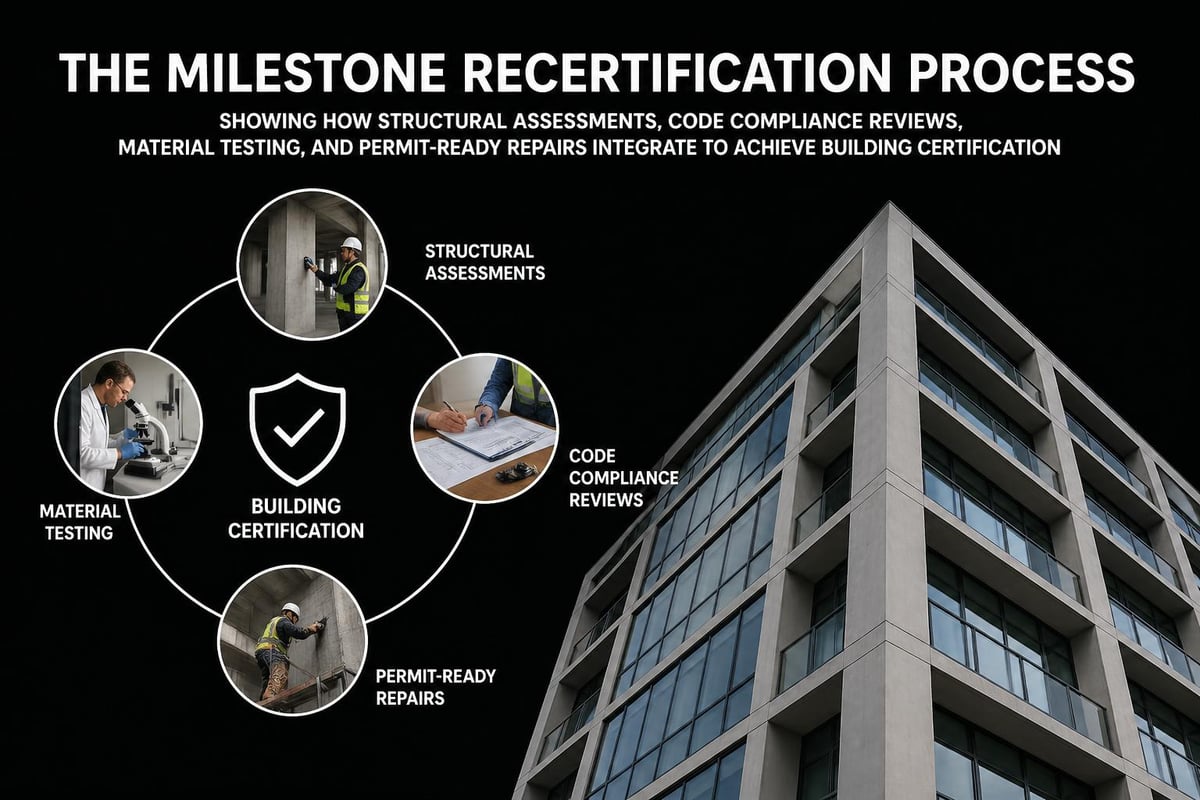
When engineers conduct structural integrity reserve studies, they're essentially creating a roadmap for maintaining code compliance over the building's remaining service life. This proactive approach prevents emergency repairs and costly violations.
Common Code Deficiencies Found During Inspections
Property owners should be aware of typical code-related issues that surface during recertification inspections:
Structural deficiencies:
- Insufficient concrete cover over reinforcement
- Corroded or damaged structural members
- Inadequate connections or anchorage
- Non-compliant modifications or alterations
Building envelope issues:
- Water intrusion through facades or roofs
- Deteriorated sealants and waterproofing
- Inadequate drainage systems
- Damaged or missing flashings
Electrical and mechanical concerns:
- Outdated panel boards and wiring
- Non-compliant grounding systems
- Code violations in common areas
- Safety hazard conditions
Building inspections for recertification systematically identify these deficiencies, allowing property owners to develop comprehensive repair plans that address all code requirements simultaneously.
Accessing and Understanding Engineering Standards
Finding relevant civil engineering is codes can be challenging for non-engineers. However, several resources make these documents more accessible to property owners and managers who want to understand the technical basis for required repairs.
Professional Resources and Libraries
Many academic institutions maintain civil engineering standards collections. Florida Institute of Technology's standards guide provides access to key documents relevant to Florida construction. Similarly, UC Berkeley's engineering library offers guidance on locating and interpreting technical standards.
For South Florida property owners, working with experienced professionals who understand both the codes and local enforcement practices is essential. The technical complexity of civil engineering is codes requires specialized knowledge to apply correctly.
Working With Code-Knowledgeable Professionals
Selecting engineers and contractors who prioritize code compliance protects property owners from future problems. When evaluating service providers for concrete restoration and structural repairs, consider these factors:
| Selection Criteria | Why It Matters | Questions to Ask |
|---|---|---|
| Engineering credentials | Licensed professionals understand codes | Are engineers PE-licensed in Florida? |
| Local experience | Familiar with jurisdictional requirements | How many local recertifications completed? |
| Code knowledge | Current with 2026 standards | What continuing education completed? |
| Permit success | Designs approved without issues | What's your permit approval rate? |
The Penn State building codes guide explains how codes are developed and adopted, helping property owners understand the regulatory framework that governs their buildings.
Practical Applications for Property Owners
Understanding how civil engineering is codes influence real-world projects helps property managers make informed decisions about repairs, maintenance, and capital improvements.
Concrete Restoration and Code Compliance
When spalling concrete, exposed reinforcement, or structural cracks appear, repairs must restore the building to code-compliant condition. This means more than just cosmetic fixes.
Code-compliant concrete restoration includes:
- Structural assessment to determine load capacity
- Material testing to verify existing conditions
- Engineering design following current ACI standards
- Proper surface preparation per specifications
- Quality control testing during repairs
- Documentation for permit closeout
Property owners who attempt repairs without engineering oversight risk creating conditions that fail future inspections. Violation and unsafe structure resolution often requires this comprehensive approach when code enforcement becomes involved.
Electrical System Upgrades and Standards
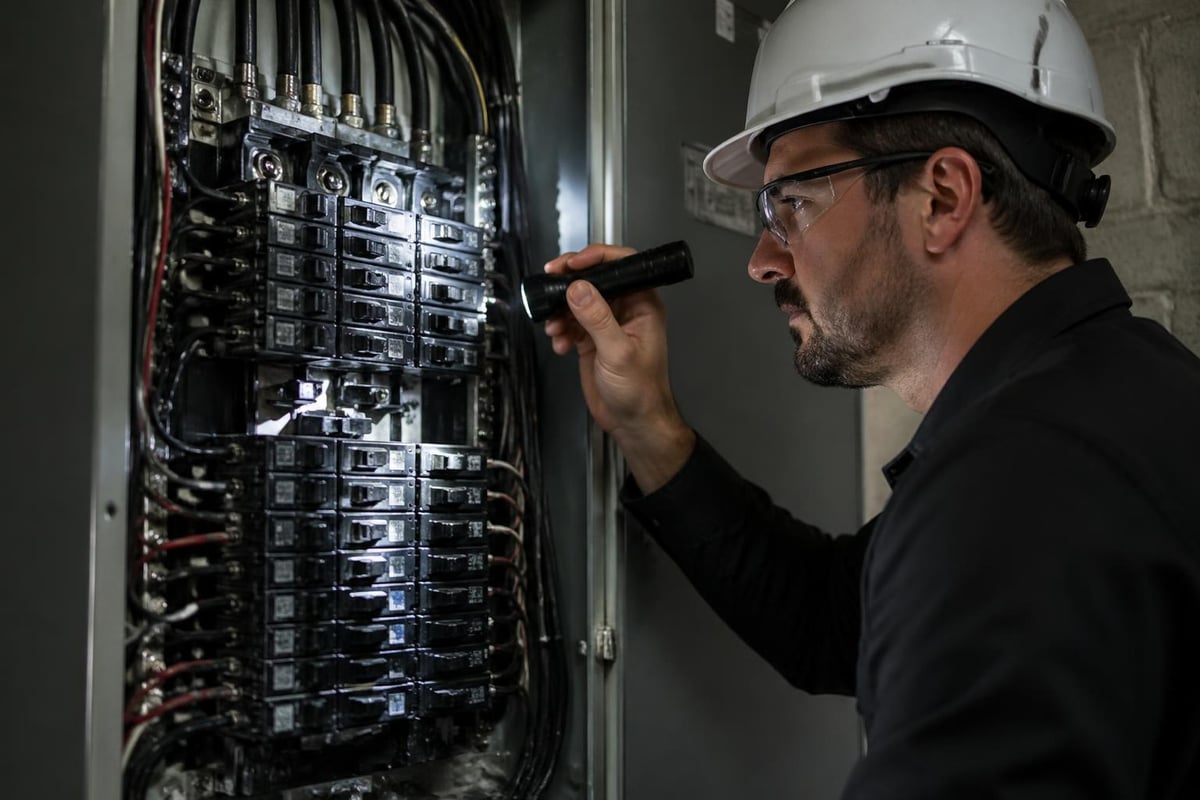
Electrical codes protect occupants from fire and shock hazards. Older buildings often have systems that no longer meet current National Electrical Code (NEC) requirements. When electrical system upgrades and repairs become necessary, several code considerations apply:
- Panel capacity and proper sizing
- Ground fault protection requirements
- Arc fault circuit interrupters in living areas
- Emergency lighting and exit signs
- Common area compliance with accessibility standards
Civil engineering is codes for electrical systems evolve rapidly as new safety concerns emerge and technology advances. What was acceptable in 1980 may create serious hazards by 2026 standards.
Balcony and Railing Replacement Projects
Following the Surfside tragedy and subsequent legislation, balcony safety has become a major focus for South Florida property owners. Balcony and railing replacement projects must comply with stringent structural and safety codes.
Key code requirements for balconies include:
- Load capacity (residential vs. assembly occupancy)
- Railing height and spacing of intermediate rails
- Guard strength and attachment to structure
- Corrosion resistance in coastal environments
- Waterproofing and drainage provisions
- Accessibility where required by law
Engineers designing balcony repairs reference multiple civil engineering is codes covering structural design, materials, connections, and protective systems. The integrated approach ensures long-term performance and occupant safety.
Regional Variations and Local Amendments
While civil engineering is codes provide national standards, local jurisdictions often adopt amendments addressing regional concerns. South Florida's unique challenges have resulted in significant local code modifications.
Florida Building Code Enhancements
The Florida Building Code (FBC) incorporates international standards while adding provisions specific to hurricane exposure, coastal construction, and high water tables. Property owners must understand that civil engineering is codes applied in South Florida often exceed minimum national requirements.
Florida-specific considerations include:
- Enhanced wind design requirements for coastal zones
- Stringent waterproofing standards for below-grade construction
- Corrosion protection requirements for structural elements
- Impact resistance for building envelope components
- Special inspection requirements for critical structural elements
When planning building recertification inspection projects, engineers must apply both base code requirements and all local amendments. This complexity underscores the importance of working with locally experienced professionals.
Post-Surfside Regulatory Changes
The 2021 Surfside condominium collapse led to sweeping legislative changes affecting building recertification timelines and requirements. Understanding these updated standards is essential for property owners approaching milestone dates.
Recent changes include:
- Accelerated recertification timelines for coastal buildings
- Mandatory structural integrity reserve studies
- Enhanced reporting requirements
- Stricter enforcement and penalties
- Expanded scope of required inspections
These regulatory updates reflect an evolution in how civil engineering is codes are applied to existing buildings, emphasizing proactive maintenance over reactive repairs.
The Role of Standards Organizations
Multiple organizations develop the civil engineering is codes that govern construction practice. Understanding their roles helps property owners recognize the authority behind various requirements.
NIST's overview of standards in civil engineering explains how these organizations contribute to safety and reliability. Key standards developers include:
- American Concrete Institute (ACI): Concrete design and construction
- American Institute of Steel Construction (AISC): Structural steel
- American Society of Civil Engineers (ASCE): Load standards and general practice
- International Code Council (ICC): Building codes and enforcement
- National Fire Protection Association (NFPA): Fire safety and electrical codes
These organizations continuously update standards based on research, failure investigations, and technological advances. The evolving nature of civil engineering is codes means that older buildings inevitably require updates to meet current safety expectations.
How Codes Are Developed and Updated
The code development process involves extensive collaboration between engineers, researchers, manufacturers, and regulatory officials. Resources on finding civil engineering standards explain how these documents are created and revised.
The typical cycle includes:
- Research identifying safety concerns or technological advances
- Committee review and proposal development
- Public comment periods allowing industry input
- Consensus voting among committee members
- Publication and adoption by jurisdictions
- Implementation and enforcement
For property owners, this means that civil engineering is codes represent vetted best practices backed by extensive technical review. Compliance isn't arbitrary; it's based on proven methods for protecting building occupants and structural integrity.
Cost Implications of Code Compliance
Understanding the financial impact of civil engineering is codes helps property owners budget appropriately for recertification and repairs. While code compliance adds cost, non-compliance creates far greater risks.
Direct Costs of Code-Compliant Repairs
Meeting current standards often requires more extensive work than minimum cosmetic repairs. Understanding 40-year recertification costs includes factoring in code upgrade requirements.
Budget considerations include:
| Cost Category | Typical Impact | Planning Strategy |
|---|---|---|
| Engineering fees | 8-12% of construction | Select qualified professionals early |
| Enhanced materials | 15-25% premium | Specify durable, code-compliant products |
| Additional testing | Variable by project | Include in contingency budget |
| Permit fees | Based on valuation | Research local fee schedules |
| Inspection costs | Ongoing through project | Schedule efficiently to minimize delays |
Properties that defer maintenance often face compounded costs when code violations accumulate. Proactive compliance through regular maintenance proves more economical than emergency repairs under enforcement pressure.
Long-Term Value of Code Compliance
Beyond avoiding violations, maintaining code compliance protects property values and marketability. Prospective buyers and insurers increasingly scrutinize building condition and compliance status.
Long-term benefits include:
- Enhanced property marketability and resale value
- Lower insurance premiums and better coverage
- Reduced liability exposure for boards and owners
- Extended building service life through proper maintenance
- Improved occupant satisfaction and retention
The Farmingdale State College guide on engineering standards emphasizes how standards protect investments by ensuring quality and durability. For property associations, viewing code compliance as value preservation rather than unnecessary expense leads to better decision-making.
Documentation and Recordkeeping Requirements
Civil engineering is codes establish documentation requirements that property owners must maintain. These records prove compliance, support future engineering assessments, and protect against liability claims.
Essential Construction Documents
Code-compliant projects generate extensive documentation that must be preserved:
- As-built drawings showing actual construction conditions
- Engineering calculations supporting design decisions
- Material test reports verifying quality compliance
- Inspection reports documenting construction oversight
- Permit documents and final approval certificates
- Manufacturer warranties and product certifications
When buildings undergo water intrusion inspection services, engineers review historical records to understand original construction methods and previous repairs. Missing documentation complicates assessments and may require additional invasive investigation.
Ongoing Maintenance Records
Beyond construction documentation, property managers should maintain detailed maintenance logs showing:
- Regular inspection findings and recommendations
- Repairs performed and contractors used
- Material suppliers and product specifications
- Compliance with manufacturer maintenance requirements
- Reserve study updates and capital planning decisions
This documentation demonstrates due diligence in maintaining code compliance and can prove invaluable during recertification inspections or insurance claims. Organized records also facilitate efficient project planning when repairs become necessary.
Emerging Trends in Engineering Standards
Civil engineering is codes continue evolving to address new challenges, materials, and construction methods. Property owners benefit from understanding these trends as they may affect future recertification requirements.
Sustainability and Resilience Standards
Climate change and environmental concerns are driving new code provisions focused on durability, energy efficiency, and disaster resilience. South Florida property owners should anticipate:
- Enhanced flood resistance requirements as sea levels rise
- Stricter energy codes affecting building envelopes and systems
- Emphasis on resilient design for hurricane and storm surge
- Green building standards integrated into code requirements
- Life cycle analysis considerations for material selection
These emerging requirements align with civil engineering is codes' fundamental purpose: protecting building occupants and ensuring long-term structural performance under changing conditions.
Technology Integration in Code Compliance
Digital tools are transforming how engineers apply and verify code compliance:
- Building Information Modeling (BIM) for integrated design and analysis
- Automated code checking software reducing errors and omissions
- Remote sensing technology for inspection and documentation
- Digital permitting platforms streamlining approval processes
- Cloud-based project management improving coordination
Property owners working with structural engineering service providers who leverage these technologies benefit from improved accuracy, faster project delivery, and enhanced documentation quality.
Civil engineering is codes provide the technical foundation that keeps South Florida buildings safe, functional, and compliant with evolving safety standards. Understanding these requirements helps property owners make informed decisions about maintenance, repairs, and capital improvements that protect both their investments and building occupants. Whether facing milestone recertification, addressing structural deficiencies, or planning upgrades, working with code-knowledgeable professionals ensures projects meet all technical and regulatory requirements. Souffront Construction and Engineering brings deep expertise in applying civil engineering standards to South Florida's unique challenges, providing property owners with comprehensive, code-compliant solutions for inspections, structural engineering, and construction services that stand the test of time.