Water Intrusion Inspection Florida: A Complete Guide
Florida's unique climate presents significant challenges for building owners and property managers. High humidity, intense tropical storms, and constant exposure to moisture create perfect conditions for water damage. A comprehensive water intrusion inspection Florida property owners schedule can identify problems before they escalate into costly structural failures, mold growth, or safety hazards. Understanding when to conduct these inspections and what they involve is essential for maintaining building integrity across South Florida's commercial and residential properties.
Understanding Water Intrusion in Florida Buildings
Water intrusion occurs when moisture penetrates building envelopes through compromised barriers, faulty construction, or deteriorated materials. In Florida's harsh environment, this problem affects structures of all ages and types.
The state's coastal location exposes buildings to saltwater spray, which accelerates material degradation. Concrete spalling, metal corrosion, and sealant failure are common consequences. These issues allow water to infiltrate wall assemblies, ceiling systems, and foundation structures. Once inside, moisture creates a cascade of problems including rot, mold, and structural weakness.
Primary Causes of Water Infiltration
Several factors contribute to water intrusion in South Florida properties:
- Hurricane and storm damage to roofing systems and exterior cladding
- Aging building envelopes with deteriorated sealants and membranes
- Construction defects from improper installation or material selection
- Groundwater pressure pushing moisture through foundation walls
- HVAC condensation from improperly maintained climate control systems
- Plumbing failures within walls and beneath slabs
Understanding saltwater intrusion is particularly important for coastal properties where environmental factors compound typical moisture problems.
The complexity of water intrusion means professional inspections are essential for accurately identifying moisture sources and extent of damage.
The Water Intrusion Inspection Process
A thorough water intrusion inspection Florida professionals conduct follows systematic procedures to detect both visible and hidden moisture problems. This process combines visual assessment with advanced detection technology.
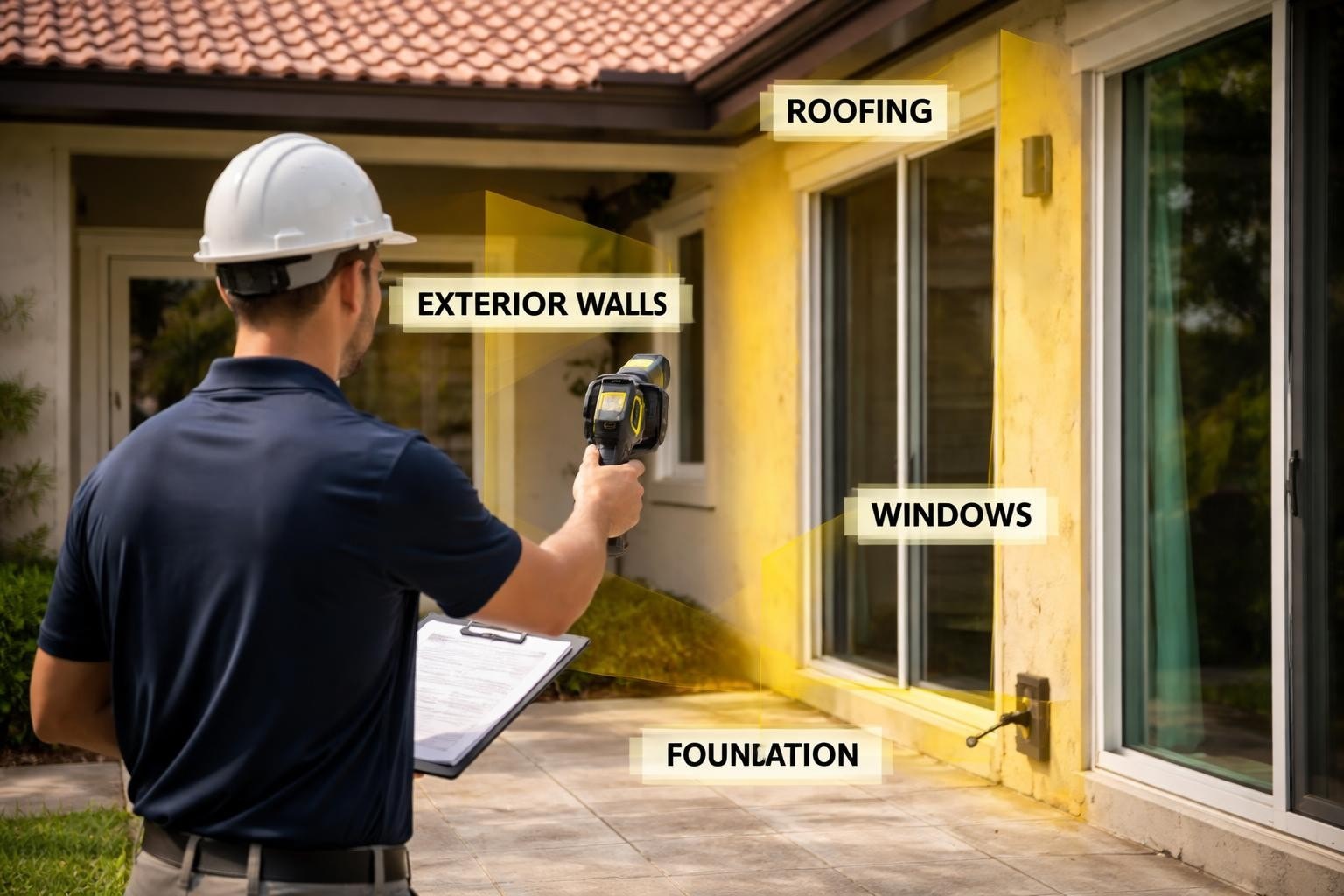
Inspectors begin with exterior evaluations, examining roofing materials, flashing details, wall cladding, windows, doors, and foundation perimeters. They look for obvious signs like staining, efflorescence, cracks, gaps, or deterioration. But surface-level examination only tells part of the story.
Advanced Detection Technologies
Modern water intrusion inspections utilize specialized equipment:
| Technology | Application | Benefits |
|---|---|---|
| Infrared Thermography | Detects temperature variations indicating moisture | Non-invasive, covers large areas quickly |
| Moisture Meters | Measures moisture content in materials | Precise readings, quantifiable data |
| Borescopes | Inspects inside walls and cavities | Visual confirmation without demolition |
| Hygrometers | Measures relative humidity levels | Identifies condensation risk areas |
Infrared thermography has proven particularly effective for identifying water intrusion patterns in Florida buildings where temperature differentials reveal moisture-laden materials.
Thermal imaging technology allows inspectors to see behind finished surfaces without destructive testing. This capability is invaluable during milestone building recertification inspections where comprehensive assessment is required.
Interior Investigation Methods
Inside the building, inspectors evaluate ceiling systems, interior walls, flooring, and mechanical spaces. They check for:
- Water stains and discoloration patterns
- Musty odors indicating hidden moisture
- Warped or buckling materials
- Soft spots in drywall or plaster
- Visible mold growth
- Failed sealants around fixtures
Documentation is critical. Inspectors photograph all findings, record moisture meter readings, and create thermal images showing problem areas. This evidence supports repair prioritization and insurance claims.
When to Schedule Water Intrusion Inspections
Timing matters significantly when protecting Florida properties from water damage. Certain situations demand immediate professional assessment.
After severe weather events, inspections should occur within days to identify storm-related damage before secondary issues develop. Even minor roof damage can lead to extensive interior water intrusion during subsequent rain events.
Mandatory Inspection Scenarios
Property owners must schedule water intrusion inspection Florida building codes require in these circumstances:
- Pre-purchase evaluations before acquiring commercial or residential property
- Building recertification at mandated intervals for structures over certain ages
- Pre-renovation assessments to identify existing moisture problems
- Post-repair verification confirming remediation effectiveness
- Insurance claim documentation following water damage incidents
The forensic water intrusion investigations conducted by engineering firms provide detailed analysis suitable for legal proceedings or complex insurance situations.
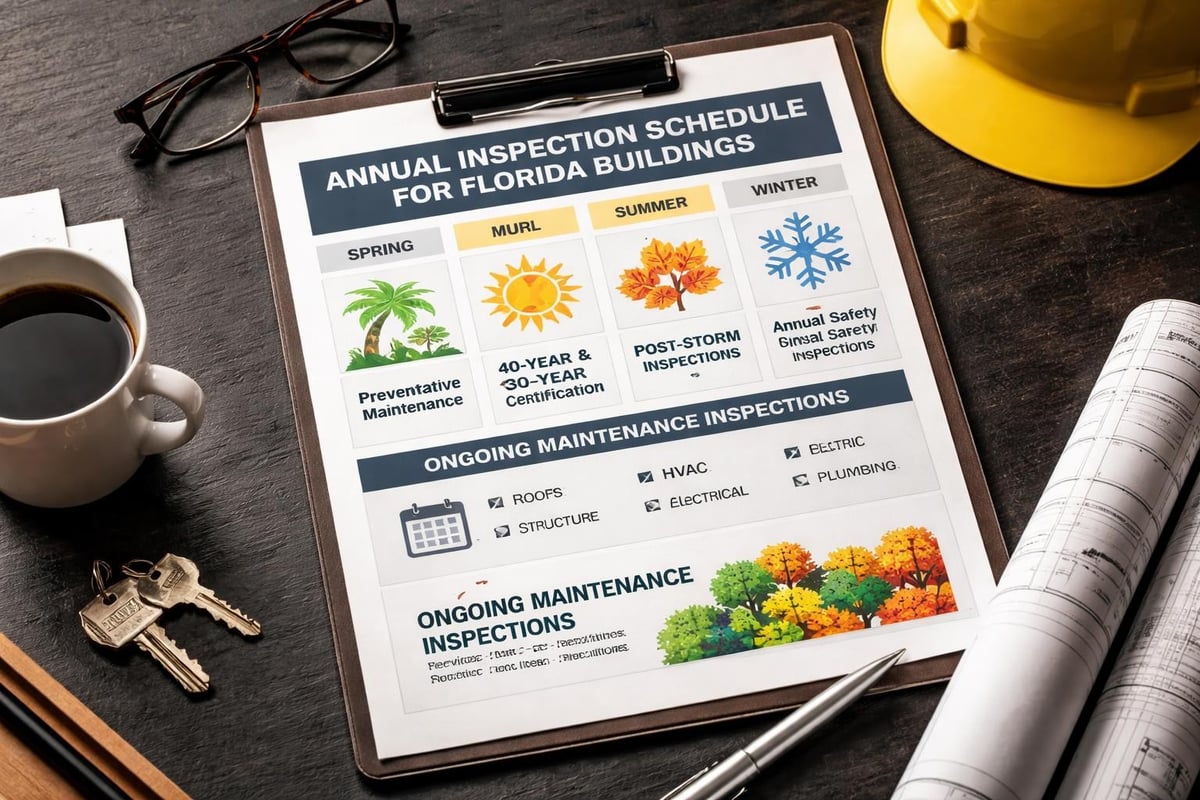
Regular preventive inspections make financial sense. Annual or biannual assessments cost significantly less than emergency repairs resulting from undetected moisture damage. For buildings approaching their 40-year recertification milestone, scheduling comprehensive water intrusion evaluations helps property owners address issues before official milestone building inspections occur.
Health and Safety Implications
Water intrusion creates serious health risks beyond structural concerns. Moisture promotes mold growth, which releases spores and mycotoxins into indoor air. These contaminants cause respiratory problems, allergic reactions, and other health issues for building occupants.
Florida's warm, humid climate accelerates mold colonization. Within 24-48 hours of water intrusion, mold can begin growing on organic materials like drywall, wood, and insulation. Once established, mold spreads rapidly throughout HVAC systems, distributing spores building-wide.
Recognizing Mold-Related Problems
Building occupants may experience:
- Persistent coughing or wheezing
- Nasal congestion and sinus infections
- Skin rashes and irritation
- Headaches and fatigue
- Worsening asthma symptoms
Health risks from mold make prompt water intrusion detection essential. Property managers face liability exposure when moisture problems create unhealthy environments for tenants or employees.
Mold assessments following water intrusion discoveries help determine contamination extent and guide remediation strategies. These assessments identify moisture sources that must be eliminated before mold removal can succeed permanently.
Cost Considerations and Financial Planning
Understanding water intrusion inspection costs helps property owners budget appropriately for building maintenance. Inspection fees vary based on property size, building complexity, and assessment scope.
Basic visual inspections for single-family homes typically range from $300 to $600. Comprehensive assessments using thermal imaging and moisture mapping for larger residential properties cost $800 to $2,000. Commercial building inspections requiring extensive testing can exceed $5,000 depending on square footage and accessibility challenges.
Investment vs. Consequence Analysis
| Scenario | Proactive Inspection Cost | Reactive Repair Cost |
|---|---|---|
| Roof leak detection | $500 - $1,500 | $15,000 - $50,000+ |
| Window seal failure | $400 - $800 | $3,000 - $12,000 |
| Foundation moisture | $1,000 - $2,500 | $20,000 - $100,000+ |
| Plumbing infiltration | $600 - $1,200 | $5,000 - $25,000 |
These figures demonstrate how preventive water intrusion inspection Florida property owners invest in saves substantial money compared to emergency repairs after significant damage occurs.
For condominium associations and commercial property managers, budgeting for 40-year recertification requires allocating funds for comprehensive assessments including water intrusion evaluations. Structural integrity cannot be properly assessed without understanding moisture-related deterioration.
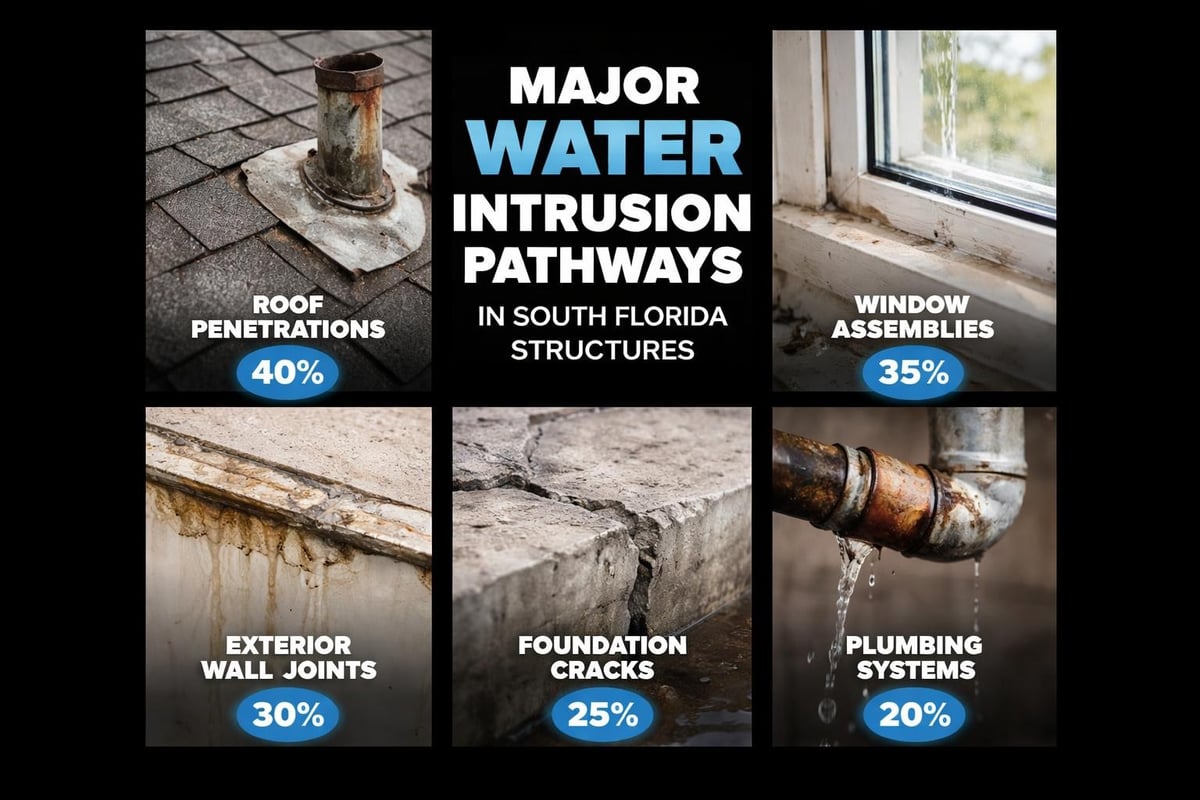
Common Water Intrusion Points in South Florida Structures
Florida buildings have predictable vulnerability zones where water intrusion frequently occurs. Recognizing these areas helps property owners focus preventive maintenance efforts.
Roofing systems represent the primary defense against water intrusion. Flat or low-slope roofs common in South Florida commercial construction are particularly susceptible. Membrane failures, poor drainage, and penetration flashing defects allow water entry. Tile roofs on residential properties develop problems when underlayment deteriorates or tiles crack.
Critical Building Envelope Areas
Window and door assemblies require proper installation and maintenance:
- Sealant joints must remain flexible and intact
- Flashing systems should direct water away from openings
- Weep holes need clearing to drain trapped moisture
- Impact-resistant glazing seals must withstand pressure cycling
Balconies and terraces pose unique challenges. Waterproofing membranes beneath tile or coating systems fail over time, allowing water to reach structural concrete below. This moisture causes rebar corrosion and concrete spalling that compromises structural engineering design.
Foundation and below-grade walls experience hydrostatic pressure from saturated soils during Florida's rainy season. Inadequate drainage systems, failed waterproofing, or construction defects permit groundwater infiltration into basements and ground-floor spaces.
Interpreting Inspection Results and Next Steps
After completing a water intrusion inspection Florida engineers provide detailed reports documenting findings, moisture readings, thermal images, and recommendations. Understanding these reports helps property owners make informed decisions about repairs.
Severity classifications typically range from minor cosmetic issues to critical structural concerns requiring immediate attention. Inspectors prioritize recommendations based on safety risks, damage progression rates, and cost-effectiveness of interventions.
Action Plan Development
Report recommendations generally fall into these categories:
- Emergency repairs addressing active leaks or safety hazards
- Priority corrections preventing damage escalation
- Maintenance items for routine upkeep scheduling
- Monitoring points requiring periodic reassessment
Some findings necessitate additional investigation. When inspectors identify moisture patterns suggesting hidden damage, concrete restoration specialists may need to perform exploratory demolition to assess structural member condition.
Property owners should obtain multiple repair quotes from qualified contractors. Permit-ready repair solutions ensure corrections meet building code requirements and pass municipal inspections. Unpermitted work creates liability and can complicate future property transactions.
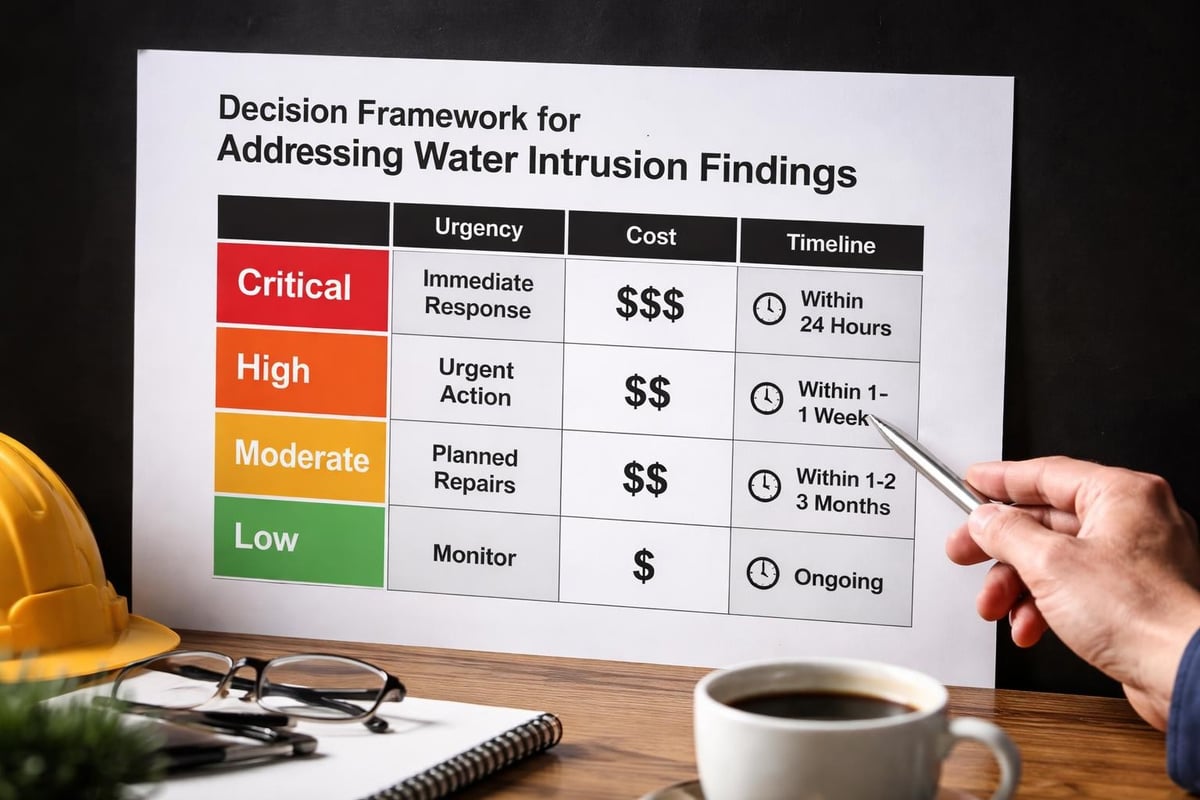
Documentation retention is essential. Inspection reports, repair contracts, and completion certifications create valuable property maintenance records. These documents support insurance claims, satisfy recertification requirements, and demonstrate due diligence in property stewardship.
Prevention Strategies for Long-Term Protection
Preventing water intrusion costs far less than remediation after damage occurs. Implementing comprehensive moisture management strategies protects Florida properties effectively.
Regular maintenance schedules should include quarterly exterior inspections, annual roofing assessments, and biannual window and door seal evaluations. These routine checks identify minor problems before they escalate.
Building Envelope Maintenance Checklist
Property managers should establish protocols covering:
- Roof membrane and flashing condition
- Gutter and downspout functionality
- Exterior caulking and sealant integrity
- Window and door weatherstripping replacement
- Foundation drainage system performance
- HVAC condensate line clearance
Vegetation management matters more than many property owners realize. Trees and shrubs planted too close to buildings create moisture traps and root systems that damage foundation waterproofing. Irrigation systems should direct water away from structures, not toward them.
Emergency roofing repairs performed promptly after storms prevent water intrusion that would otherwise cause extensive interior damage. Having relationships established with qualified contractors before emergencies occur ensures rapid response when needed.
Climate control system maintenance indirectly prevents water intrusion. Properly functioning HVAC equipment controls interior humidity levels, reducing condensation that can accumulate within wall assemblies. Electrical system upgrades supporting dehumidification equipment protect buildings in especially humid environments.
Regulatory Requirements and Building Codes
Florida's building codes address water intrusion prevention through specific requirements for waterproofing, drainage, and building envelope construction. Property owners must understand these regulations, especially during renovation or recertification processes.
The Florida Building Code mandates secondary water barriers beneath exterior cladding systems. These barriers provide backup protection when primary surfaces fail. Requirements specify material types, installation methods, and integration with window and door flashing systems.
Recertification and Compliance
Buildings subject to milestone building recertification must demonstrate adequate moisture protection as part of structural integrity assessments. Inspectors verify that building envelopes meet current code standards, even for structures built under earlier regulations.
South Florida municipalities have strengthened requirements following high-profile building failures. Miami-Dade and Broward counties now require more comprehensive structural evaluations including water intrusion assessments during recertification cycles.
Property owners addressing violation and unsafe structures often discover water intrusion contributed to code violations. Correcting these issues requires both remediation of existing damage and upgrades preventing future moisture problems.
Insurance companies increasingly require documentation of regular inspections and maintenance. Properties lacking evidence of proactive water intrusion management may face coverage limitations or premium increases. Timely water damage restoration following intrusion events helps protect insurance coverage.
Selecting Qualified Inspection Professionals
Water intrusion inspection quality depends entirely on inspector expertise and equipment capabilities. Property owners should carefully vet professionals before engaging services.
Qualified inspectors possess relevant certifications, insurance coverage, and experience specific to Florida construction and climate challenges. Professional engineer licenses, general contractor credentials, or specialized moisture inspection certifications indicate appropriate qualifications.
Evaluation Criteria for Inspection Companies
Ask potential inspection providers about:
- Years of experience with Florida buildings
- Types of detection technology utilized
- Report format and detail level
- Turnaround time for deliverables
- References from similar property types
- Professional liability insurance coverage
Multi-disciplinary firms offering both inspection and repair services provide continuity from problem identification through resolution. Companies like Souffront Construction and Engineering combine inspection capabilities with engineering analysis and construction expertise, streamlining the process from assessment through permitted repairs.
Beware of inspectors who guarantee findings or promise specific outcomes. Legitimate professionals provide objective assessments without predetermined conclusions. Their value lies in thorough investigation and accurate reporting, not in confirming what property owners hope to hear.
Integration with Comprehensive Building Assessments
Water intrusion inspection Florida property owners schedule often occurs as part of broader building evaluations. Moisture problems rarely exist in isolation from other structural or systems issues.
Comprehensive assessments examine all building components including structural framing, mechanical systems, electrical infrastructure, and life safety equipment. Water intrusion findings often reveal related problems requiring coordinated solutions.
For example, moisture penetration causing concrete deterioration may also affect embedded reinforcing steel, creating structural concerns beyond the waterproofing failure itself. Addressing only the surface symptom without correcting underlying structural damage leaves buildings vulnerable.
Coordinated Repair Planning
Effective building management integrates water intrusion remediation with:
- Structural integrity reserve studies forecasting future needs
- Electrical system audits identifying moisture-related hazards
- Plumbing system assessments detecting hidden leaks
- Concrete restoration addressing spalling and corrosion
This holistic approach ensures repair investments address root causes rather than merely treating symptoms. Property owners achieve better long-term outcomes and avoid repeated remediation costs.
Protecting Florida buildings from water intrusion requires vigilant inspection, prompt remediation, and preventive maintenance tailored to the state's challenging climate. Property owners who invest in regular professional assessments avoid the costly consequences of undetected moisture damage while maintaining safe, healthy environments for occupants. When you need comprehensive water intrusion inspection services backed by engineering expertise and construction capabilities, Souffront Construction and Engineering delivers the professional, code-conscious solutions South Florida property owners trust to protect their most valuable assets.