Structural Engineering in Civil Engineering Explained
Structural engineering in civil engineering represents one of the most critical disciplines protecting our built environment, particularly in regions like South Florida where environmental challenges and aging infrastructure demand specialized expertise. Property owners and managers rely on structural engineers to assess, design, and restore buildings that withstand hurricanes, saltwater exposure, and decades of service. Understanding this field helps you make informed decisions about building safety, compliance, and long-term asset protection.
The Foundation of Structural Engineering Principles
Structural engineering in civil engineering focuses on ensuring that buildings, bridges, and infrastructure can safely support their intended loads while resisting environmental forces. This discipline combines physics, materials science, and mathematics to create structures that remain stable under stress.
Engineers analyze multiple force types affecting buildings:
- Dead loads from permanent structural components like concrete slabs and steel beams
- Live loads from occupants, furniture, and equipment
- Environmental loads including wind pressure, seismic activity, and thermal expansion
- Impact loads from waves, debris, or accidental collisions
In South Florida specifically, coastal buildings face unique challenges that require specialized knowledge. Saltwater accelerates concrete deterioration through chloride penetration, while hurricane-force winds create uplift pressures that can compromise roof connections and wall assemblies. Understanding structural engineering research provides professionals with evidence-based approaches to these regional challenges.
Material Behavior and Building Systems
Concrete, steel, masonry, and wood each respond differently to stress, temperature, and moisture. A structural engineer must understand how these materials age and interact within building systems.
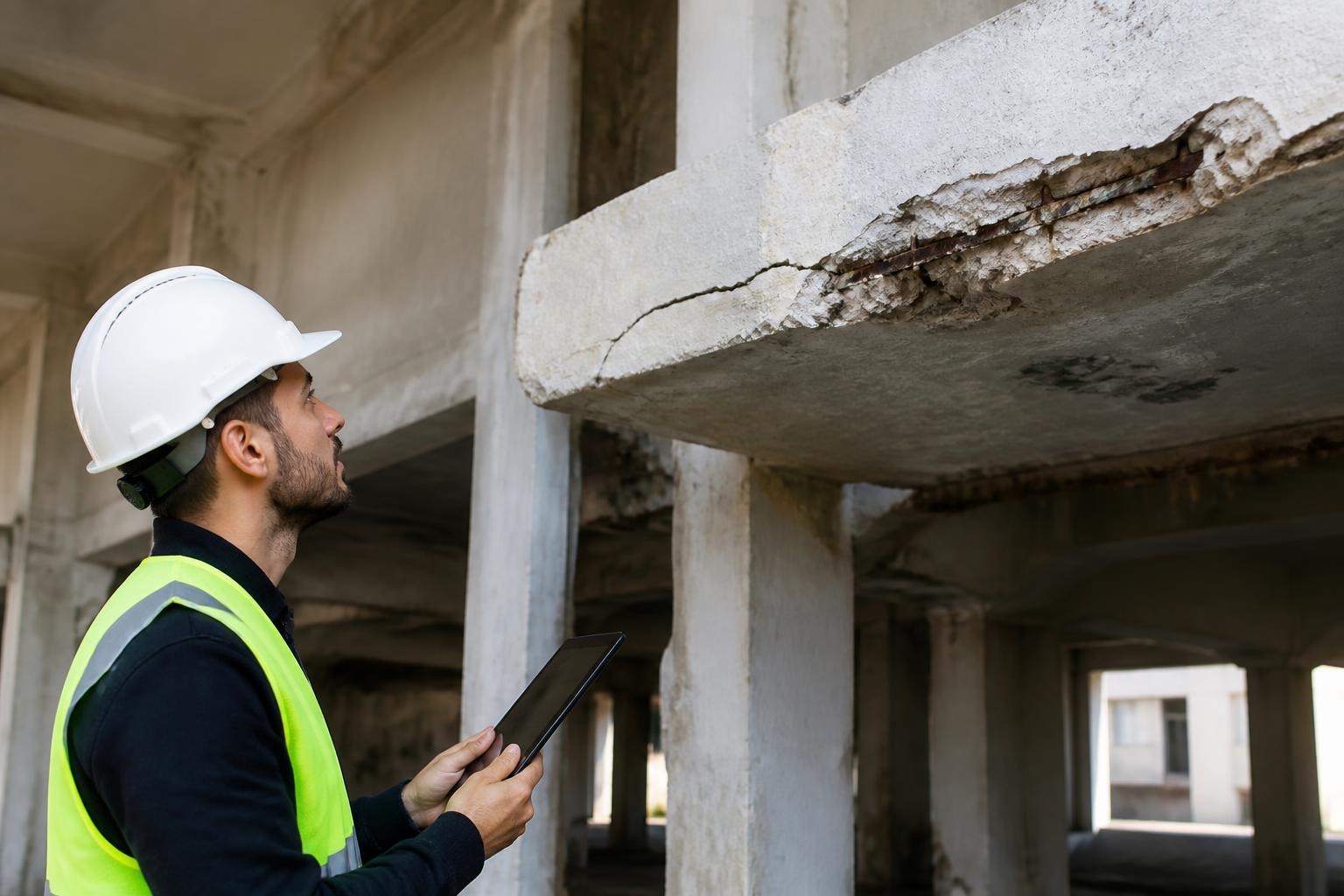
Reinforced concrete, common in South Florida construction, relies on steel reinforcement to handle tensile forces that concrete alone cannot resist. Over time, water infiltration causes steel corrosion, which expands the rebar and creates spalling concrete. This deterioration pattern appears frequently during milestone building inspections, where engineers identify structural deficiencies requiring immediate attention.
| Material | Primary Strength | Common Failure Mode | Inspection Focus |
|---|---|---|---|
| Reinforced Concrete | Compression | Spalling, cracking | Delamination, rebar exposure |
| Structural Steel | Tension & compression | Corrosion, fatigue | Connection integrity, rust |
| Masonry | Compression | Mortar degradation | Joint condition, cracking patterns |
| Wood Framing | Tension in specific orientations | Rot, termite damage | Moisture content, insect activity |
Structural Analysis Methods and Modern Applications
The evolution of structural engineering in civil engineering has transformed how professionals assess existing buildings and design interventions. Computer modeling now allows engineers to simulate decades of environmental exposure and predict failure modes before they occur.
Finite element analysis (FEA) divides complex structures into thousands of small elements, calculating stress distribution across each component. This technology proves invaluable when evaluating unusual building geometries or determining whether aging structures can support additional loads from rooftop equipment or building additions.
For buildings requiring structural engineering design analysis repair, engineers combine traditional calculation methods with advanced software to:
- Model existing conditions based on field measurements and material testing
- Identify stress concentrations and potential failure points
- Design reinforcement strategies that restore structural capacity
- Generate permit-ready drawings showing repair specifications
- Specify materials and construction methods meeting current codes
Field Investigation Techniques
No amount of computer analysis replaces hands-on structural investigation. Engineers conduct comprehensive field surveys using specialized equipment to gather accurate data about building conditions.
Non-destructive testing methods include:
- Ground-penetrating radar to locate reinforcement and detect voids
- Ultrasonic pulse velocity testing measuring concrete quality
- Rebound hammer tests estimating concrete strength
- Chloride concentration testing assessing corrosion risk
- Infrared thermography identifying moisture infiltration patterns
These investigative techniques become particularly important during water intrusion inspection services, where hidden moisture damages structural components long before visible signs appear. The combination of visual inspection and instrumental testing provides the complete picture engineers need for accurate assessment.
Code Compliance and Building Recertification Requirements
Structural engineering in civil engineering operates within a framework of building codes and standards designed to protect public safety. In Florida, recent legislative changes have strengthened recertification requirements following tragic building failures.
The Florida Building Code requires buildings in certain jurisdictions to undergo comprehensive structural inspections at specific intervals. These milestone inspections examine all load-bearing components, identifying deterioration that compromises structural integrity. ASCE codes and standards provide the technical foundation for these evaluation protocols.
Milestone Inspection Process
Engineers conducting milestone inspections follow systematic procedures ensuring no critical element goes unexamined:
Phase 1: Document Review
- Original structural drawings and specifications
- Previous inspection reports and repair records
- Building permit history and modification approvals
- Maintenance logs and tenant improvement records
Phase 2: Visual Assessment
- Roof structure and drainage systems
- Exterior walls and cladding attachments
- Balconies, railings, and exterior access components
- Foundation and below-grade waterproofing
- Primary structural frame and connections
Phase 3: Detailed Investigation
- Intrusive probes at deteriorated locations
- Material sampling for laboratory analysis
- Load testing of critical components
- Comprehensive photographic documentation
Property managers dealing with 40 year building recertification inspection requirements should understand that engineers cannot certify buildings with substantial structural deficiencies until repairs restore code-compliant conditions.
Common Structural Deficiencies in Aging Buildings
Decades of service reveal predictable patterns of structural deterioration, especially in coastal environments where moisture and salt create aggressive conditions. Recognizing these issues helps property owners prioritize maintenance and budget for necessary repairs.
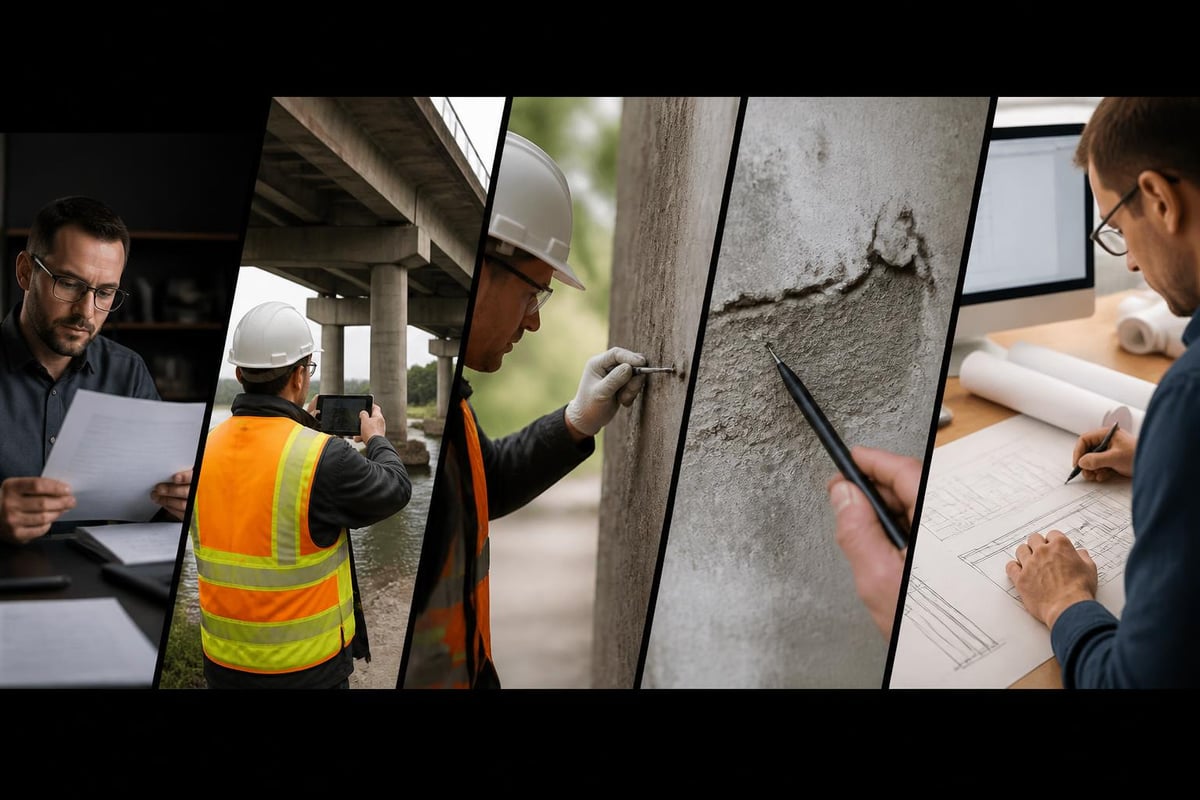
Concrete spalling and delamination rank among the most frequent problems identified during structural evaluations. Water penetrates concrete through cracks or porous surfaces, reaching embedded reinforcement. Corrosion forms rust, which occupies greater volume than original steel, creating internal pressure that fractures surrounding concrete.
| Deficiency Type | Typical Locations | Structural Impact | Repair Approach |
|---|---|---|---|
| Spalled concrete | Balconies, soffits, columns | Reduced load capacity, safety hazard | Remove damaged concrete, clean rebar, apply repair mortar |
| Cracked beams | Mid-spans, support connections | Potential for progressive failure | Epoxy injection, carbon fiber reinforcement, or beam replacement |
| Corroded connections | Roof attachments, balcony supports | Connection failure risk | Replace corroded hardware, improve drainage |
| Foundation settlement | Perimeter walls, interior columns | Uneven load distribution, cracking | Underpinning, helical piers, slab stabilization |
The complexity of concrete restoration and structural repairs demands engineering oversight ensuring repairs restore original structural capacity while meeting current code requirements.
Balcony and Railing Systems
Cantilevered balconies present particular challenges in structural engineering evaluations. These projecting slabs rely entirely on their connection to the main building structure, with no supporting columns underneath. Water infiltration at the connection point weakens the attachment, while deterioration of the balcony slab itself reduces its ability to resist bending forces.
Railing systems must withstand specified lateral loads without excessive deflection. Engineers verify that railing attachments transfer forces properly into supporting structures. Deteriorated concrete at attachment points often requires complete replacement rather than simple patching to ensure adequate connection strength.
Structural Repair Design and Implementation
Once engineers identify deficiencies, they develop repair strategies balancing structural performance, constructability, and cost-effectiveness. The goal extends beyond simply fixing visible damage to addressing root causes preventing future deterioration.
Comprehensive repair design includes:
- Detailed specifications for material removal and surface preparation
- Reinforcement placement and concrete mix designs
- Waterproofing systems protecting repaired areas
- Quality control testing verifying repair performance
- Phasing plans minimizing disruption to occupied buildings
Engineers working on structural engineering services coordinate with contractors, building officials, and property managers throughout the repair process. This collaboration ensures designs remain constructible while meeting all regulatory requirements.
Permitting and Regulatory Approval
Structural repairs affecting load-bearing components require building permits and plan review by local authorities. Engineers prepare permit packages including:
- Existing condition drawings showing deficiencies
- Proposed repair details with material specifications
- Structural calculations demonstrating code compliance
- Special inspection requirements for critical work
- Construction sequencing maintaining building safety during repairs
The permitting process protects building occupants by ensuring independent review of engineering work. While sometimes viewed as bureaucratic delay, this oversight catches design errors and ensures repairs meet minimum safety standards established by professional engineering organizations.

Integration with Other Engineering Disciplines
Structural engineering in civil engineering rarely operates in isolation. Building performance depends on coordinated systems where structure, mechanical, electrical, and plumbing components work together.
Water intrusion investigations exemplify this interdisciplinary approach. While structural engineers assess damage to concrete and steel, they must coordinate with:
- Waterproofing consultants identifying envelope failures allowing moisture penetration
- Electrical engineers evaluating corrosion damage to conduit and junction boxes in affected areas
- Mechanical engineers assessing ductwork and equipment compromised by water exposure
- Geotechnical engineers investigating foundation movement contributing to cracks and joint separation
Buildings undergoing forensic water intrusion investigations benefit from comprehensive assessments addressing all affected building systems rather than isolated structural repairs that ignore underlying causes.
Technology Integration and Future Trends
Artificial intelligence applications in civil engineering are transforming how structural engineers analyze building performance and predict maintenance needs. Machine learning algorithms trained on thousands of building inspections can identify deterioration patterns human observers might miss.
Building Information Modeling (BIM) creates digital representations of structures incorporating geometric data, material properties, and component relationships. Engineers use BIM for renovation projects, ensuring new structural elements integrate properly with existing systems while maintaining complete documentation of as-built conditions.
Sensor networks embedded in critical structural components provide real-time monitoring of building behavior. Strain gauges, tilt sensors, and vibration monitors detect changes indicating developing problems, allowing intervention before minor issues become major failures.
Regional Considerations for South Florida Structures
South Florida's unique climate and geology create specific challenges requiring specialized knowledge in structural engineering applications. High water tables, limestone bedrock, and hurricane exposure demand design and repair approaches tailored to regional conditions.
Hurricane wind loads govern structural design in coastal zones. Engineers must verify that existing buildings meet current wind speed requirements, which have increased substantially since many older buildings were constructed. Roof-to-wall connections often require retrofitting to prevent catastrophic failures during major storms.
Saltwater exposure accelerates deterioration of reinforced concrete through multiple mechanisms:
- Chloride ions penetrate concrete, initiating corrosion at embedded steel
- Salt crystallization in porous concrete creates expansion forces
- Wet-dry cycles at the waterline concentrate deterioration
- Marine organisms may colonize partially submerged structural elements
Buildings requiring milestone building inspection SB4-D compliance face rigorous evaluation of all elements exposed to these aggressive environmental conditions. Engineers must determine whether existing protection systems remain effective or require enhancement.
Foundation Systems and Soil Conditions
The porous limestone underlying much of South Florida creates foundation conditions unlike other regions. While load-bearing capacity generally proves adequate, limestone's solubility in acidic groundwater can create voids and sinkholes threatening structural stability.
Pile foundations extend through soil layers to bear on competent bedrock, transferring building loads safely to stable strata. Over time, soil erosion around pile caps or differential settlement between piled and non-piled elements creates structural distress requiring engineering evaluation and potential remediation.
Professional Practice and Quality Assurance
The practice of structural engineering in civil engineering operates under strict professional licensing requirements protecting public safety. Licensed Professional Engineers (PE) must demonstrate technical competence through education, examination, and experience before legally offering engineering services.
Quality assurance in structural engineering involves:
- Independent peer review of complex or critical designs
- Construction observation verifying contractor compliance with drawings
- Materials testing confirming specified products meet project requirements
- Special inspections of structural welding, bolting, and concrete placement
- Documentation maintaining complete project records
Property owners selecting engineering firms should verify proper licensing and professional liability insurance. The lowest fee proposal rarely delivers optimal value when building safety and regulatory compliance depend on engineering quality. Firms providing comprehensive structural engineering design analysis repair services invest in continuing education, advanced analysis tools, and quality control systems ensuring reliable professional service.
Ethical Responsibilities and Public Safety
Structural engineers bear significant ethical responsibilities given their work's direct impact on public safety. Professional codes of conduct require engineers to prioritize safety over economic considerations, refuse assignments beyond their competence, and report unsafe conditions to appropriate authorities.
When engineers discover serious structural deficiencies during inspections, they must clearly communicate risks to building owners while providing realistic options for remediation. This balance between technical accuracy and practical guidance helps property managers make informed decisions protecting building occupants.
Cost Considerations and Budget Planning
Understanding the economics of structural engineering and repair work helps property owners plan appropriately for building maintenance and recertification requirements. While quality engineering requires professional fees, proper assessment prevents wasteful repairs addressing symptoms rather than underlying problems.
Typical engineering costs include:
- Initial inspection and assessment fees based on building size and complexity
- Structural calculations and analysis for identified deficiencies
- Repair drawing preparation and specification writing
- Permit application review and approval processing
- Construction administration and observation services
Repair costs vary dramatically depending on deficiency extent, access challenges, and building occupancy during construction. Understanding 40 year recertification costs helps property managers budget appropriately and avoid financial surprises when inspection reports identify necessary work.
Value Engineering and Repair Prioritization
When comprehensive inspections reveal multiple deficiencies exceeding available budgets, engineers can help prioritize repairs based on:
- Immediate safety hazards requiring urgent correction
- Code compliance issues preventing recertification
- Progressive deterioration that worsens rapidly if left unaddressed
- Preventive measures reducing future repair costs
- Cosmetic improvements with minimal structural impact
This risk-based approach allows property owners to address critical issues immediately while developing phased plans for less urgent work. Proper prioritization requires engineering judgment balancing technical factors with practical constraints.
Structural engineering in civil engineering provides the technical foundation ensuring buildings remain safe and functional throughout their service lives, particularly in demanding environments like South Florida's coastal communities. Property owners and managers who understand structural principles, inspection requirements, and repair processes can make informed decisions protecting their investments and occupants. When your building requires comprehensive structural assessment, certified engineering services, or code-compliant repair solutions, Souffront Construction and Engineering delivers the expertise and reliability South Florida properties deserve, combining thorough inspections with practical solutions tailored to your specific needs.