Home Structural Engineer Near Me: Your Local Expert Guide

Finding a qualified home structural engineer near me has become increasingly important for property owners across South Florida, especially with stricter building codes and recertification requirements. Whether you're dealing with foundation concerns, planning a renovation, or navigating milestone inspections, understanding what structural engineers do and how to select the right one can save you time, money, and considerable stress. This comprehensive guide walks you through everything you need to know about hiring local structural engineering professionals for your residential or commercial property needs.
What Does a Home Structural Engineer Actually Do?
Structural engineers specialize in analyzing and designing the bones of your building. Unlike general contractors or home inspectors, these licensed professionals have advanced education in physics, mathematics, and material science specifically focused on how structures bear loads and resist environmental forces.
When you search for a home structural engineer near me, you're looking for someone who can:
- Evaluate foundation integrity and settlement issues
- Assess load-bearing walls and structural framing
- Design repair solutions for damaged concrete or steel
- Provide engineering calculations for renovations
- Prepare permit-ready documentation
- Investigate water intrusion and structural damage
- Conduct milestone building inspections
The scope of work varies significantly based on your property's condition and your specific needs. A structural engineer might spend an hour doing a visual assessment or several days conducting comprehensive testing with specialized equipment. Understanding what structural engineers assess during inspections helps you prepare realistic expectations for the engagement.
Residential vs. Commercial Structural Engineering
| Property Type | Common Issues | Typical Services |
|---|---|---|
| Single-Family Homes | Foundation cracks, roof sagging, wall bowing | Pre-purchase inspections, addition design, repair plans |
| Condominiums | Balcony deterioration, parking garage damage, facade issues | Recertification inspections, reserve studies, restoration design |
| Commercial Buildings | Structural overloading, code violations, aging infrastructure | Forensic analysis, permit compliance, tenant improvement design |
The distinction matters because milestone building recertification requirements in South Florida apply differently to multi-family and commercial properties compared to single-family homes.
When You Need to Search "Home Structural Engineer Near Me"
Certain situations absolutely require professional structural engineering expertise. Don't wait until minor concerns become major problems.
Critical Warning Signs
You should immediately seek a home structural engineer near me if you notice:
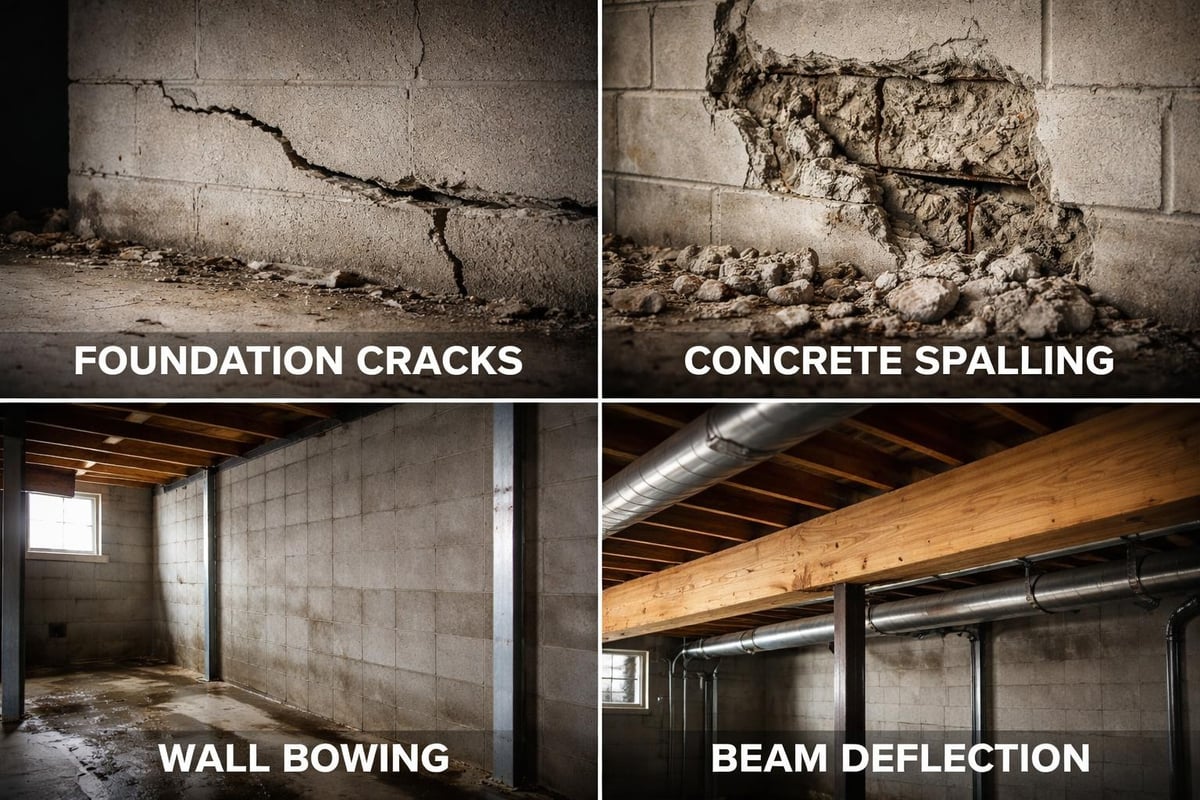
- Foundation movement: Cracks wider than 1/4 inch, doors that won't close, or sloping floors
- Structural cracks: Diagonal cracks at window corners or stair-step patterns in masonry
- Water damage: Persistent leaks causing concrete spalling or steel corrosion
- Visible deflection: Sagging beams, bowing walls, or roof ridge lines that aren't straight
- Post-disaster assessment: After hurricanes, floods, or other significant weather events
Beyond emergency situations, proactive engineering assessments protect your investment. Many property owners contact structural engineers during routine transactions and improvements.
Planned Projects Requiring Engineering
- Pre-purchase inspections for older homes or properties with visible concerns
- Major renovations involving wall removal, room additions, or second-story expansions
- Code compliance when municipalities flag violations or safety concerns
- Recertification requirements for buildings reaching 30, 40, or 50 years of age
- Insurance claims documenting structural damage from covered events
Florida's evolving regulations, particularly following the Surfside tragedy, have made structural integrity assessments mandatory for many aging buildings. Understanding when professional evaluation becomes legally required versus simply advisable helps you plan appropriately.
How to Find the Right Home Structural Engineer Near Me
Not all structural engineers offer the same services or have equivalent qualifications. Your search strategy should match your specific needs.
Essential Qualifications to Verify
Before hiring any structural professional, confirm they possess:
- Active PE license in Florida with structural engineering designation
- Professional liability insurance with adequate coverage limits
- Local experience with South Florida building codes and construction methods
- Relevant specialization matching your project type (residential, commercial, forensic)
- Good standing with the Florida Board of Professional Engineers
The quality of service and thoroughness varies dramatically between firms, so don't select based solely on price. Engineers who rush inspections or provide generic reports often create more problems than they solve.
Questions to Ask During Initial Consultation
| Question Category | What to Ask | Why It Matters |
|---|---|---|
| Experience | How many similar projects have you completed? | Ensures relevant expertise |
| Process | What does your inspection include? | Sets clear expectations |
| Timeline | How quickly can you provide deliverables? | Aligns with your schedule |
| Cost Structure | What's included in your fee? | Prevents surprise charges |
| References | Can you provide recent client contacts? | Validates track record |
Communication style matters as much as technical competence. You need an engineer who explains findings clearly and provides actionable recommendations, not just technical jargon. The ability to communicate effectively separates truly valuable professionals from those who simply generate reports.
The Structural Engineering Inspection Process
Understanding what happens during a professional assessment helps you prepare your property and ask informed questions.
Initial Visual Assessment
The engineer begins with a comprehensive visual examination of accessible areas. This non-invasive phase identifies obvious deficiencies and determines whether additional testing is warranted.
During this stage, expect the engineer to:
- Photograph visible damage or concerning conditions
- Measure crack widths and deflections
- Review available construction documents or previous reports
- Access attics, crawl spaces, and mechanical areas
- Examine exterior elements including foundations and facades
Most residential inspections take 2-4 hours depending on property size and complexity. Commercial buildings or those with significant concerns require substantially more time. What to expect from a structural engineer home inspection varies based on the scope of work you've commissioned.

Advanced Testing and Analysis
When visual inspection reveals potential problems, engineers deploy specialized equipment:
- Concrete testing: Core sampling, hammer tests, or ground-penetrating radar
- Moisture detection: Infrared cameras or invasive probes to locate hidden water
- Load calculations: Computer modeling to verify structural capacity
- Foundation surveys: Elevation measurements to quantify settlement
- Material analysis: Laboratory testing of samples for deterioration
These investigations generate data that engineers use to determine root causes and design appropriate repairs. For water-related concerns, forensic water intrusion investigations combine structural analysis with building science to identify moisture sources.
Report Deliverables and Recommendations
A professional engineering report should be clear, comprehensive, and actionable. Standard deliverables include:
- Executive summary of findings
- Detailed observations with photographs
- Analysis of structural deficiencies
- Repair recommendations with priority levels
- Estimated scope of remediation work
- Engineer's seal and signature for permit submittal
The best reports distinguish between urgent safety issues, necessary maintenance, and optional improvements. This prioritization helps property owners budget realistically and address critical concerns first.
Cost Factors for Home Structural Engineering Services
Pricing for structural engineering services varies widely based on complexity and scope. Understanding typical cost structures prevents sticker shock.
Typical Fee Ranges
- Basic residential inspection: $500-$1,500 for straightforward assessments
- Comprehensive evaluation: $1,500-$5,000 for detailed analysis with testing
- Repair design services: $2,500-$10,000+ depending on project complexity
- Expert testimony: $250-$500 per hour for litigation support
- Recertification inspections: $3,000-$15,000 based on building size
These are general ranges; your actual costs depend on numerous variables. Property size, accessibility, testing requirements, and timeline urgency all influence final fees. Engineers at Souffront Construction and Engineering provide transparent quotes that outline exactly what's included in their services.
What Affects Engineering Costs?
Several factors drive pricing differences between projects:
- Building size and age: Larger, older structures require more extensive evaluation
- Accessibility: Hard-to-reach areas increase inspection time
- Testing requirements: Laboratory analysis and specialized equipment add costs
- Documentation needs: Permit-ready drawings require additional engineering time
- Project urgency: Rush services typically command premium rates
- Follow-up consultations: Construction administration and site visits extend engagement
Investing in thorough structural engineering saves money long-term. Incomplete assessments often miss critical issues that become exponentially more expensive to repair after they worsen. The difference between structural home inspections and general inspections justifies the additional cost when structural concerns exist.
Working with Your Structural Engineer Through Repairs
Finding qualified contractors to implement engineering recommendations presents its own challenges. The engineer's role doesn't necessarily end with report delivery.
Construction Administration Services
Many structural engineers offer ongoing support during repairs:
- Review contractor bids for accuracy and completeness
- Answer contractor questions about specifications
- Conduct site visits to verify proper implementation
- Approve material substitutions or field modifications
- Provide final certification upon completion
This oversight ensures repairs meet engineering intent and satisfy code requirements. For complex projects like concrete restoration and structural repairs, having the design engineer involved throughout construction prevents costly mistakes.
Permit and Code Compliance
Most structural repairs require permits and inspections from local building departments. Your engineer should provide sealed drawings and calculations that satisfy municipal requirements.
The permit process typically involves:
- Engineer submits plans to building department
- Plan reviewer checks calculations and code compliance
- Revisions address any reviewer comments
- Permit issued for construction to proceed
- Building inspections verify proper installation
- Final approval and certificate of completion
Engineers familiar with local jurisdictions navigate this process more efficiently. When dealing with violation and unsafe structures resolution, experienced professionals know exactly what documentation municipalities require.
Special Considerations for South Florida Properties
Coastal environments and unique building codes make South Florida properties different. Your home structural engineer near me should understand regional challenges.
Regional Structural Concerns
South Florida buildings face specific threats:
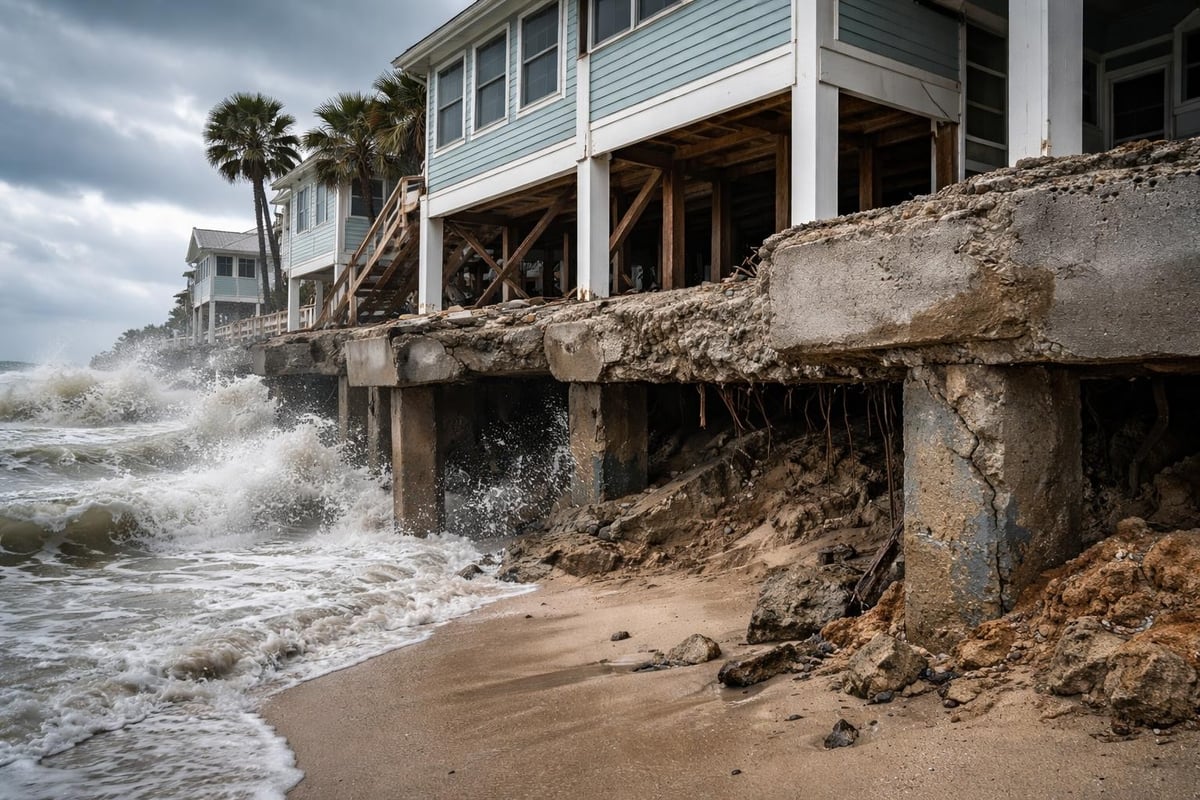
- Hurricane exposure: Wind and water intrusion cause significant structural stress
- Saltwater corrosion: Coastal locations experience accelerated steel deterioration
- Limestone geology: Soil conditions affect foundation design and performance
- High water tables: Hydrostatic pressure impacts below-grade construction
- Termite damage: Wood framing in older homes suffers from pest activity
These factors compound over time, making proactive maintenance essential. Buildings approaching milestone inspections often reveal decades of accumulated damage requiring immediate attention.
Milestone Inspection Requirements
Florida law now mandates structural inspections for many aging buildings:
- Initial inspection: Buildings reaching 30 years (coastal) or 40 years (inland)
- Subsequent inspections: Every 10 years after initial certification
- Scope requirements: Licensed engineers must evaluate structural and electrical systems
- Reserve study: Financial planning for identified repairs
- Reporting deadlines: Strict timelines with penalties for non-compliance
Milestone building inspection requirements continue evolving as legislators respond to building failures. Property owners must stay current with changing regulations to avoid violations.
Maximizing Value from Your Structural Engineering Investment
Getting the most from your engineering engagement requires preparation and follow-through. These strategies optimize outcomes.
Before the Inspection
Prepare your property and documentation:
- Gather historical records: Previous reports, permits, or renovation documentation
- Provide full access: Clear paths to attics, crawl spaces, and mechanical rooms
- List specific concerns: Document where and when you've noticed problems
- Review insurance policies: Understand what structural damage might be covered
- Note recent changes: Inform engineers about renovations or repairs
The more information you provide upfront, the more efficiently engineers work. They can focus investigation on areas of concern rather than starting completely from scratch.
After Receiving the Report
Take action on engineering recommendations:
- Prioritize repairs based on safety and urgency
- Obtain contractor quotes using engineering specifications
- Budget for proper fixes rather than temporary patches
- Pull required permits before starting work
- Maintain documentation of all repairs for future reference
Implementing proper repairs protects your investment and prevents recurring problems. Band-aid solutions that don't address root causes waste money and allow damage to progress.
Building Long-Term Relationships
Consider establishing an ongoing relationship with your structural engineer:
- Annual check-ups for buildings with known concerns
- Renovation planning before undertaking major projects
- Emergency response when unexpected damage occurs
- Expert referrals for complementary services you might need
Engineers who understand your building's history provide more valuable insights over time. They recognize changes and can track whether previous repairs perform as intended.
Red Flags When Hiring a Structural Engineer
Certain warning signs indicate you should look elsewhere for professional services. Trust your instincts when something seems off.
Avoid Engineers Who:
- Provide quotes without visiting the property
- Guarantee specific findings before conducting assessment
- Lack appropriate licensure or insurance
- Refuse to provide references from recent clients
- Pressure you into immediate repair contracts
- Offer suspiciously low fees compared to competitors
- Can't explain their methodology in understandable terms
- Have ownership interests in recommended contractors
Professional structural engineers maintain ethical boundaries and transparent practices. Those who blur the line between engineering and construction sales often prioritize profits over your best interests.
Verifying Credentials and Reputation
Before hiring, take these verification steps:
- Check license status through Florida Department of Business and Professional Regulation
- Review complaints filed with state licensing board
- Read online reviews from multiple independent sources
- Ask for insurance certificates directly from their carrier
- Contact references and ask specific questions about their experience
- Verify specializations and relevant project experience
Due diligence up front prevents problems later. When your search for a home structural engineer near me leads to someone with questionable credentials or practices, keep looking.
Integrating Structural Engineering with Other Services
Structural concerns rarely exist in isolation. Comprehensive property assessment often requires multiple specialists working together.
Complementary Professional Services
Structural engineers frequently coordinate with:
- General contractors: Implementing repair recommendations
- Geotechnical engineers: Analyzing soil conditions and foundation support
- Waterproofing specialists: Addressing moisture intrusion sources
- Electrical engineers: Evaluating system capacity and safety
- Building envelope consultants: Assessing facade performance
- Restoration contractors: Executing concrete and masonry repairs
Structural engineering design, analysis, and repair services work best when integrated with related disciplines. This collaborative approach ensures all aspects of building performance receive appropriate attention.
Full-Service Solutions
Some firms offer integrated engineering and construction services under one roof. This model provides several advantages:
- Seamless communication between design and construction teams
- Single point of accountability for project outcomes
- Streamlined permitting and inspection processes
- Reduced coordination overhead and timeline delays
- Comprehensive warranties covering design and installation
When searching for a home structural engineer near me, consider whether you'd benefit from a firm that can also execute recommended repairs. This one-stop approach works particularly well for time-sensitive projects or complex remediation work.
Finding the right home structural engineer near me requires understanding what these professionals do, when you need their services, and how to select qualified candidates. Whether you're addressing immediate concerns, planning renovations, or meeting recertification requirements, working with experienced structural engineers protects your property investment and ensures code compliance. For South Florida property owners navigating milestone inspections, concrete deterioration, or structural concerns, Souffront Construction and Engineering combines licensed engineering expertise with construction capabilities to deliver comprehensive, permit-ready solutions from assessment through completion.