Detailed Engineering: A Complete Guide for 2026
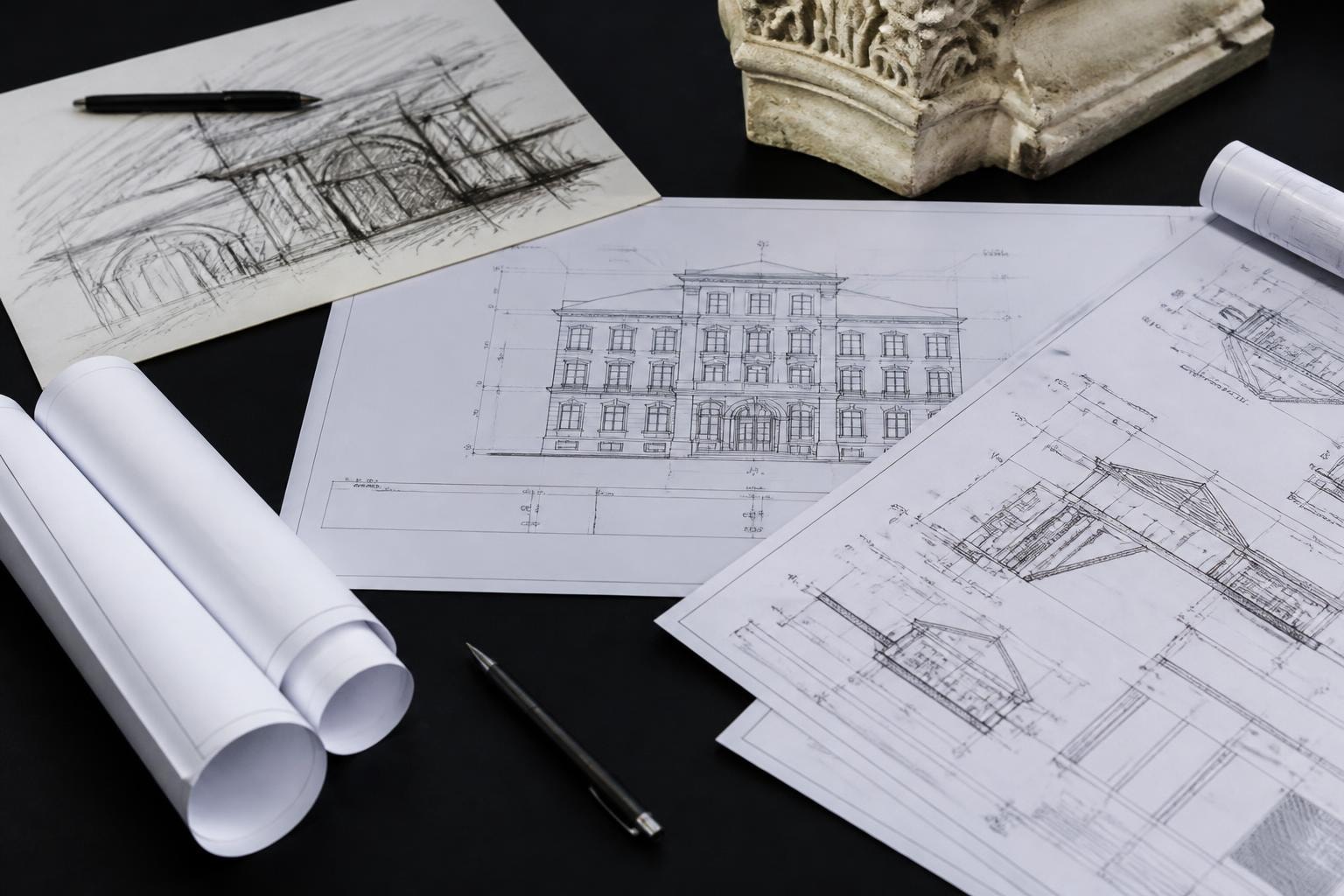
The construction and engineering landscape in South Florida demands precision, especially when working on building recertification, concrete restoration, and structural repairs. At the heart of successful project execution lies detailed engineering-the critical phase where conceptual designs transform into actionable, construction-ready documentation. For property owners, managers, and associations facing milestone inspections or building code compliance, understanding this process can mean the difference between costly delays and smooth project delivery. This comprehensive guide explores what detailed engineering involves, why it matters for your property, and how it ensures safety and regulatory compliance in 2026.
What Is Detailed Engineering and Why It Matters
Detailed engineering represents the comprehensive phase of project development where initial concepts and preliminary designs become fully specified, construction-ready documents. According to the formal definition of detailed engineering, this stage produces complete technical specifications, material lists, installation procedures, and quality control measures that contractors need to execute projects accurately.
For building owners in South Florida, detailed engineering serves as the blueprint for everything from concrete restoration and structural repairs to electrical system upgrades. Without this thorough documentation, construction teams would lack the precise measurements, material specifications, and installation sequences necessary for code-compliant work.
The Critical Role in Building Recertification
When properties undergo milestone building inspections, engineers identify deficiencies that require repair. The detailed engineering phase translates those findings into specific repair plans.
This process includes:
- Exact dimensions and reinforcement specifications for concrete repairs
- Load calculations for structural modifications
- Material specifications that meet current building codes
- Installation sequences that maintain building occupancy and safety
- Quality assurance procedures for verification
The difference between preliminary and detailed engineering becomes evident in permit applications. Building departments require comprehensive documentation that only detailed engineering provides-stamped drawings, calculations, and specifications that demonstrate code compliance.

Components of Detailed Engineering Documentation
Detailed engineering produces multiple document types, each serving specific purposes throughout construction. Understanding these components helps property managers appreciate the thoroughness required for successful projects.
| Document Type | Purpose | Key Contents |
|---|---|---|
| Construction Drawings | Visual representation of work | Dimensions, details, sections, elevations |
| Technical Specifications | Material and quality standards | Product requirements, installation methods, acceptance criteria |
| Calculations | Structural verification | Load analysis, member sizing, code compliance demonstrations |
| Bill of Quantities | Cost estimation and procurement | Material quantities, labor estimates, equipment needs |
| Quality Control Plans | Verification procedures | Inspection points, testing requirements, acceptance standards |
Drawings and Specifications
Construction drawings form the visual foundation of detailed engineering. For structural repairs, these include reinforcement layouts showing exact bar sizes, spacing, and placement depths. Electrical drawings specify circuit routing, panel locations, and connection details for electrical system upgrades.
Specifications complement drawings by defining acceptable materials, installation methods, and workmanship standards. A concrete restoration specification might require specific compressive strengths, curing periods, and surface finish tolerances that drawings alone cannot communicate.
Calculations and Analysis
Structural engineering design and analysis requires detailed calculations proving that repairs will safely support intended loads. These documents demonstrate compliance with the Florida Building Code and provide justification for design decisions.
Engineers must account for:
- Dead loads (permanent structural elements)
- Live loads (occupancy and equipment)
- Wind loads (critical for South Florida's hurricane exposure)
- Seismic considerations (as applicable)
- Material properties and safety factors
Each calculation receives professional engineer stamping, making them legally binding documents that building departments and insurance companies rely upon.
The Detailed Engineering Process for Building Projects
The journey from inspection findings to construction-ready documents follows systematic stages. Following best practices for quality and compliance management ensures nothing gets overlooked during this critical phase.
Initial Assessment and Requirements Gathering
Detailed engineering begins with thorough understanding of project requirements. For recertification projects, this means reviewing inspection reports, existing building drawings, and current code requirements. Engineers conduct site visits to verify conditions and identify constraints that affect design solutions.
Property managers should provide:
- Previous inspection reports
- Historical building modifications
- Known problems or failures
- Occupancy requirements during construction
- Budget and timeline constraints
This information gathering phase establishes project scope and identifies potential challenges before design work begins.
Design Development and Coordination
Engineers develop solutions that address identified deficiencies while minimizing disruption to building operations. This involves coordination between structural, electrical, and mechanical disciplines to ensure integrated solutions.
For example, balcony concrete repairs might require:
- Structural analysis of existing framing
- Waterproofing design coordination
- Railing replacement specifications
- Electrical conduit relocation (if present)
- Temporary shoring requirements during construction
Cross-discipline coordination prevents conflicts that would cause expensive field changes during construction.

Specification Writing and Material Selection
Detailed engineering includes comprehensive specifications covering every material and procedure. This documentation protects property owners by establishing clear quality standards and acceptance criteria.
Modern specifications reference industry standards while including project-specific requirements. A waterproofing specification might reference ASTM standards while specifying additional testing for South Florida's climate conditions.
Material selection balances performance, durability, and cost. Engineers evaluate:
- Long-term performance in coastal environments
- Availability and lead times
- Compatibility with existing building materials
- Maintenance requirements
- Life-cycle costs versus initial investment
These decisions significantly impact project success and long-term building performance.
Quality Control and Code Compliance in Detailed Engineering
Ensuring accuracy and compliance requires systematic quality control throughout detailed engineering. The requirements engineering best practices used in other industries apply equally to construction engineering.
Review and Verification Procedures
Professional engineering firms implement multiple review stages before releasing documents for construction. Senior engineers verify calculations, check drawing accuracy, and confirm specification completeness.
Typical review checkpoints include:
- Internal technical review by discipline leads
- Cross-discipline coordination verification
- Code compliance confirmation
- Constructability review
- Final quality assurance check
This systematic approach catches errors before they reach the construction site, where corrections become exponentially more expensive.
Building Code Compliance Documentation
Florida's building codes require specific documentation demonstrating compliance. Detailed engineering must address all applicable code sections, particularly for building recertification inspection projects where existing conditions may not meet current standards.
Engineers prepare code analysis summaries identifying:
- Applicable code sections for each building element
- How designs satisfy requirements
- Alternate methods or materials (when applicable)
- Justification for any requested variances
This documentation streamlines permit approval by clearly demonstrating how projects meet or exceed minimum code requirements.
| Compliance Area | Documentation Required | Typical Review Authority |
|---|---|---|
| Structural Safety | Calculations, drawings, special inspections | Building Department structural plan reviewer |
| Fire Protection | Life safety plans, egress analysis | Fire marshal or designated reviewer |
| Accessibility | ADA compliance documentation | Accessibility specialist |
| Energy Efficiency | Energy calculations, envelope details | Energy code reviewer |
| Wind Resistance | Wind load calculations, connection details | Structural reviewer with hurricane focus |
Detailed Engineering for Common Recertification Repairs
Different repair types require specific detailed engineering approaches. Understanding these variations helps property managers appreciate the scope involved in addressing inspection findings.
Concrete Restoration Projects
Concrete restoration detailed engineering begins with condition assessment documentation. Engineers specify repair methods based on deterioration extent, structural requirements, and compatibility with existing materials.
Detailed drawings show:
- Limits of concrete removal
- Reinforcement replacement or supplementation
- Repair material application sequences
- Surface preparation requirements
- Protection and curing procedures
Specifications define concrete properties, reinforcement grades, bonding agents, and application methods. Quality control procedures establish inspection frequencies and acceptance testing.
Waterproofing and Building Envelope Repairs
Water intrusion investigations identify failure locations, but detailed engineering designs permanent solutions. This requires understanding water migration patterns, substrate conditions, and weathering exposure.
Engineers specify:
- Surface preparation methods removing failed coatings
- Substrate repair procedures for damaged areas
- Waterproofing system selection and installation
- Flashing and termination details
- Drainage improvements preventing future problems
Comprehensive details prevent the installation errors that commonly cause waterproofing failures.

Electrical System Upgrades
Detailed engineering for electrical system upgrades addresses both capacity improvements and code compliance updates. Engineers analyze existing system loading, calculate required capacity, and design distribution improvements.
Documentation includes:
- Single-line diagrams showing system architecture
- Panel schedules with circuit assignments
- Conduit and wiring routing plans
- Grounding and bonding details
- Arc flash analysis and labeling requirements
Coordination with utility companies ensures adequate service capacity and proper metering configurations.
Leveraging Technology in Detailed Engineering
The engineering profession continues adopting advanced technologies that improve detailed engineering accuracy and efficiency. In 2026, these tools have become standard practice for firms committed to quality.
Building Information Modeling (BIM)
BIM technology creates three-dimensional models containing comprehensive building information. For renovation and repair projects, BIM helps identify conflicts between new work and existing conditions before construction begins.
Benefits for recertification projects include:
- Clash detection between disciplines
- Accurate quantity takeoffs for estimating
- Visualization helping owners understand proposed work
- Coordinated documentation across all trades
- As-built documentation for future reference
While not every project requires full BIM implementation, the technology proves invaluable for complex repairs involving multiple building systems.
Digital Documentation and Collaboration
Cloud-based project management platforms facilitate collaboration between engineers, contractors, and property managers. Following documentation best practices ensures information remains accessible and current throughout projects.
These systems provide:
- Centralized document repositories with version control
- Real-time updates visible to all stakeholders
- Comment and markup tools for collaborative review
- Mobile access for field personnel
- Permanent project archives for future reference
Digital workflows reduce errors from outdated drawings and improve communication between project participants.
Common Challenges in Detailed Engineering and How to Address Them
Even with systematic processes, detailed engineering faces challenges requiring proactive management. Understanding these obstacles helps property managers support successful project outcomes.
Incomplete or Inaccurate Existing Building Information
Many older buildings lack complete as-built documentation. Detailed engineering requires investigating existing conditions through exploratory demolition, non-destructive testing, or forensic investigation.
Solutions include:
- Early investigation work identifying unknowns
- Contingency allowances in budgets and schedules
- Flexible design approaches accommodating variations
- Clear communication about discovery processes
Infrared thermal inspection services can reveal hidden conditions without invasive procedures, reducing uncertainty during detailed engineering.
Balancing Code Compliance with Budget Constraints
Current codes often exceed requirements from original construction dates. Bringing older buildings into full compliance can strain budgets, requiring creative engineering solutions.
Engineers can:
- Identify code sections requiring strict compliance versus those allowing alternative methods
- Design phased improvements spreading costs across multiple budget cycles
- Recommend cost-effective materials meeting performance requirements
- Prioritize life safety items requiring immediate attention
Transparent communication about code requirements helps property managers make informed decisions about compliance strategies.
Coordinating Multiple Stakeholders
Recertification projects involve building departments, engineering firms, contractors, property managers, and residents. Keeping everyone aligned requires clear communication and expectations.
Successful coordination involves:
- Regular progress meetings with documented action items
- Clear decision-making authority and approval processes
- Defined communication protocols and response timeframes
- Transparency about schedule impacts and dependencies
- Proactive identification and resolution of conflicts
Property managers play crucial roles facilitating stakeholder coordination throughout detailed engineering.
Selecting Engineering Partners for Detailed Work
The quality of detailed engineering directly impacts project success. Property managers should evaluate engineering firms based on relevant experience, technical capabilities, and communication practices.
Technical Qualifications and Experience
Look for firms with specific experience in building types and repair types matching your needs. Structural engineering services for residential buildings differ from commercial or industrial structures.
Evaluation criteria should include:
- Professional engineer licensing in Florida
- Experience with local building departments
- Knowledge of South Florida climate challenges
- Technical capabilities across required disciplines
- Professional liability insurance coverage
Request examples of similar projects and references from comparable properties.
Communication and Collaboration Approach
Technical competence matters little if engineers cannot communicate effectively with property managers and contractors. Assess how firms explain complex concepts and respond to questions.
Strong engineering partners:
- Explain recommendations in understandable terms
- Provide realistic cost and schedule expectations
- Respond promptly to questions and concerns
- Proactively identify potential issues
- Collaborate effectively with other project participants
Initial conversations reveal whether firms prioritize client service alongside technical excellence.
Detailed engineering transforms building recertification findings into actionable, code-compliant repair solutions that protect property values and occupant safety. Understanding this critical phase helps property managers navigate complex projects with confidence, ensuring thorough documentation that prevents costly surprises during construction. Souffront Construction and Engineering provides comprehensive detailed engineering services for South Florida properties, from milestone inspections through permit-ready construction documents and professional execution. Contact our experienced team to discuss how detailed engineering can address your building's specific needs with precision and reliability.