Construction Owners Rep: Your Advocate in Complex Projects
Managing a construction project without specialized expertise can feel overwhelming, especially when dealing with critical repairs, milestone building recertification, or structural restoration work. A construction owners rep serves as your professional advocate throughout the entire building process, protecting your interests while ensuring quality, budget compliance, and timely completion. For property owners, condo associations, and facility managers in South Florida facing complex regulatory requirements and aging infrastructure challenges, understanding this role becomes essential to project success.
Understanding the Construction Owners Rep Role
A construction owners rep functions as the owner's eyes, ears, and technical expert on construction projects of all sizes. This professional acts independently from contractors and architects, providing unbiased oversight and advocacy exclusively for the property owner's benefit.
Key responsibilities include:
- Contract negotiation and vendor selection
- Budget development and cost control
- Schedule monitoring and timeline enforcement
- Quality assurance and code compliance verification
- Risk identification and mitigation strategies
- Communication coordination between all project stakeholders
The value proposition centers on expertise that most property owners simply don't possess. Understanding the owner's representative role requires recognizing that construction projects involve hundreds of technical decisions, regulatory requirements, and coordination challenges that can significantly impact final outcomes.
Why South Florida Properties Need This Expertise
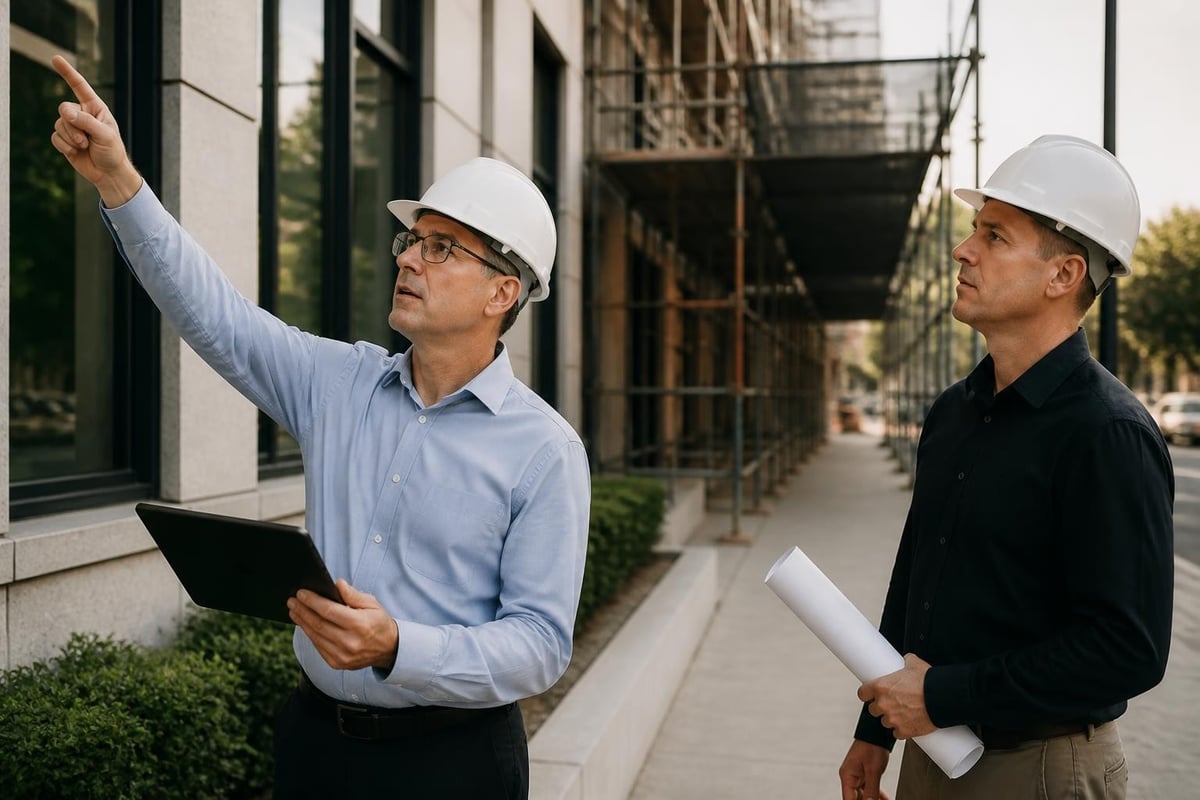
South Florida presents unique construction challenges that make the construction owners rep role particularly valuable. Coastal conditions, strict building codes following recent legislative changes, and the prevalence of aging concrete structures create a complex environment for building projects.
Property owners managing milestone building recertification face particularly demanding requirements. The inspection process often reveals structural deficiencies requiring immediate remediation, creating urgent timelines and budget pressures that benefit from professional project management.
| Project Phase | Owner's Rep Involvement | Value Delivered |
|---|---|---|
| Pre-Construction | Feasibility analysis, budget development | Realistic expectations, funding preparation |
| Design | Review plans, verify code compliance | Cost-effective solutions, regulatory alignment |
| Procurement | Contractor vetting, bid analysis | Qualified vendors, competitive pricing |
| Construction | Daily oversight, quality control | On-time delivery, specification compliance |
| Closeout | Punch list management, warranty setup | Complete deliverables, long-term protection |
Project Planning and Development Support
The construction owners rep becomes most valuable during early project stages when fundamental decisions shape everything that follows. Before breaking ground or even finalizing designs, this professional helps property owners define realistic scopes, budgets, and timelines based on actual conditions rather than assumptions.
For commercial and residential properties requiring concrete restoration and structural repairs, initial assessments determine repair strategies that balance immediate safety needs against long-term durability and cost considerations. An experienced representative interprets engineering reports, translates technical requirements into actionable plans, and develops procurement strategies that attract qualified contractors.
Budget Development and Financial Protection
Creating accurate construction budgets requires understanding both obvious costs and hidden expenses that emerge during complex projects. The construction owners rep develops comprehensive budgets that account for:
- Direct construction costs and materials
- Engineering and permitting fees
- Contingencies for unforeseen conditions
- Escalation factors for price fluctuations
- Soft costs including insurance and financing
This financial planning proves especially critical for condo associations and property managers who must justify expenses to boards and unit owners. A construction owners rep provides documentation, comparative analysis, and cost-benefit evaluations that support informed decision-making and stakeholder buy-in.
Risk mitigation strategies include:
- Market analysis to time procurement advantageously
- Value engineering to identify cost savings without compromising quality
- Phasing plans that spread financial impact across budget cycles
- Contingency planning for weather delays and material shortages
- Alternative delivery methods when traditional approaches prove inefficient
Contractor Selection and Procurement Management
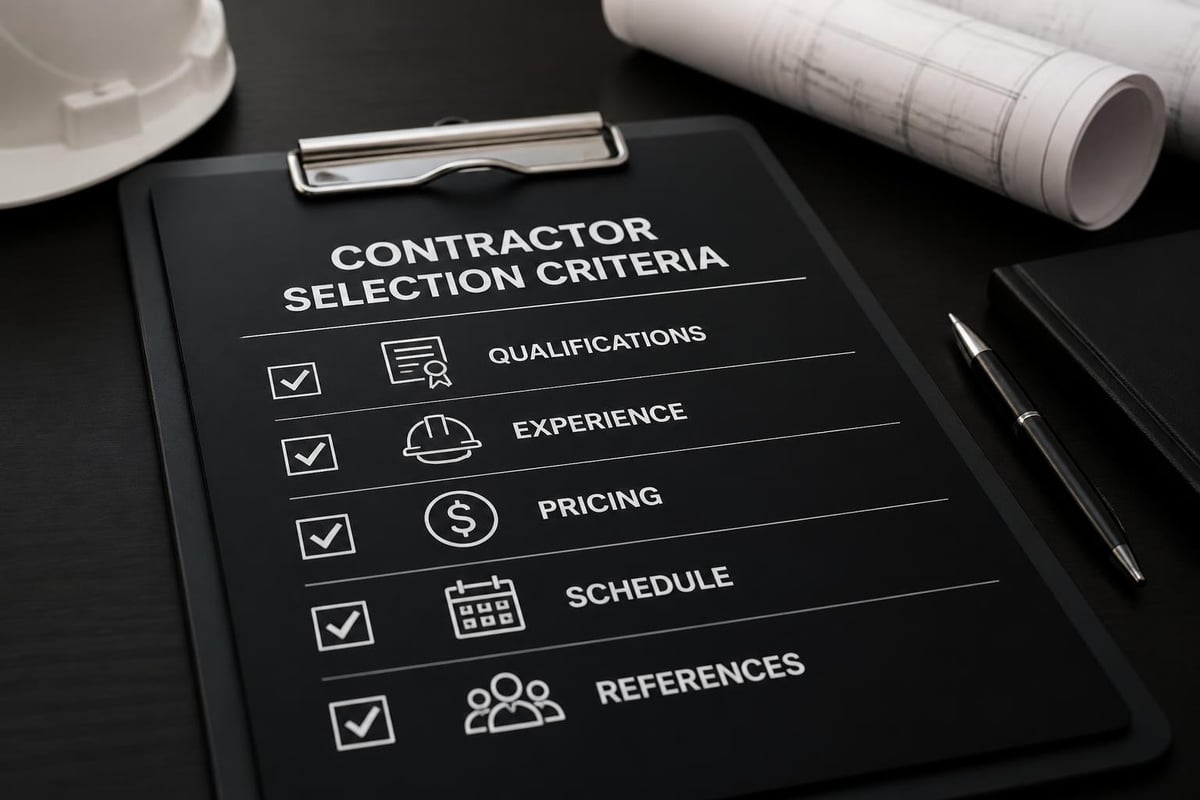
Perhaps no decision impacts project outcomes more than contractor selection. A construction owners rep manages the competitive bidding process from developing request for proposals through final contract negotiation, ensuring property owners secure qualified professionals at fair market rates.
The critical role in commercial building projects extends to thorough contractor vetting that examines financial stability, licensing status, insurance coverage, safety records, and relevant project experience. This due diligence protects owners from contractors who underbid to win work then cut corners during execution.
The procurement process involves multiple steps that benefit from professional management. After pre-qualifying potential bidders, the construction owners rep ensures all contractors receive identical information, clarifies technical requirements, and evaluates proposals on factors beyond just price.
Negotiating Contracts That Protect Owner Interests
Contract language determines how risks get allocated between owners and contractors. Standard construction contracts often favor contractor interests, including broad force majeure clauses, limited warranty periods, and dispute resolution terms that create owner disadvantages.
A construction owners rep negotiates balanced agreements that clearly define scope, quality standards, payment terms, change order procedures, and completion criteria. For properties undergoing building recertification inspection requirements, contracts must address tight deadlines, phasing to maintain occupancy, and coordination with inspection authorities.
Construction Phase Oversight and Quality Control
Daily construction oversight separates successful projects from those that spiral into disputes, delays, and cost overruns. The construction owners rep serves as the owner's on-site presence, monitoring work quality, verifying material deliverables, and ensuring contractors follow approved plans and specifications.
This hands-on involvement catches problems early when corrections cost less and cause minimal schedule impact. Issues identified during weekly site visits get documented, communicated to contractors, and tracked through resolution. The construction owners rep maintains detailed records that protect owners if disputes arise later.
Quality control functions include:
- Verifying material certifications and testing results
- Inspecting workmanship against industry standards
- Coordinating third-party testing and inspections
- Reviewing shop drawings and submittal packages
- Enforcing safety protocols and site cleanliness
For projects involving structural engineering and repair work, the construction owners rep ensures contractors follow engineered solutions precisely. Deviations from structural plans can compromise building safety and create liability exposure that far exceeds any short-term cost savings.
Schedule Management and Progress Monitoring
Construction schedules represent contractor commitments that require active enforcement. The construction owners rep tracks actual progress against baseline schedules, identifies delays as they develop, and holds contractors accountable for recovery plans that bring work back on track.
This proactive approach prevents the schedule slippage that commonly occurs when contractors juggle multiple projects or encounter coordination challenges. Understanding phase-by-phase responsibilities helps property owners recognize how consistent oversight maintains project momentum and prevents costly delays.
| Schedule Risk | Detection Method | Mitigation Strategy |
|---|---|---|
| Material delays | Supply chain monitoring | Early procurement, alternate sourcing |
| Weather impacts | Seasonal planning | Weather contingencies, covered work areas |
| Subcontractor conflicts | Progress tracking | Coordination meetings, sequencing adjustments |
| Change orders | Scope management | Prompt decisions, time impact analysis |
| Inspection delays | Permit coordination | Agency relationships, complete submittals |
Change Order Management and Cost Control
Construction projects rarely proceed exactly as originally planned. Unforeseen conditions, owner-requested modifications, and design clarifications generate change orders that can dramatically increase project costs if not properly managed.
A construction owners rep evaluates every change order request for validity, necessity, and fair pricing. Many contractor change order requests inflate costs or claim extra compensation for work already included in the original contract scope. Professional review protects owners from paying twice for the same work.
The evaluation process examines whether changes stem from contractor errors, design deficiencies, or truly unforeseen conditions. For water intrusion assessments that reveal hidden damage, change orders may be unavoidable, but pricing should reflect actual cost impacts rather than contractor profit maximization.
Maintaining Budget Discipline Throughout Construction
Cost control requires more than rejecting excessive change orders. The construction owners rep implements financial tracking systems that monitor spending against budgets in real-time, forecast final costs based on trends, and alert owners to potential overruns while correction options still exist.
Monthly payment applications receive detailed review before approval. The construction owners rep verifies that billed quantities match actual installed work, retainage gets calculated correctly, and stored materials receive proper protection. This scrutiny prevents contractors from front-loading payments that create financial leverage later.
Communication and Stakeholder Coordination
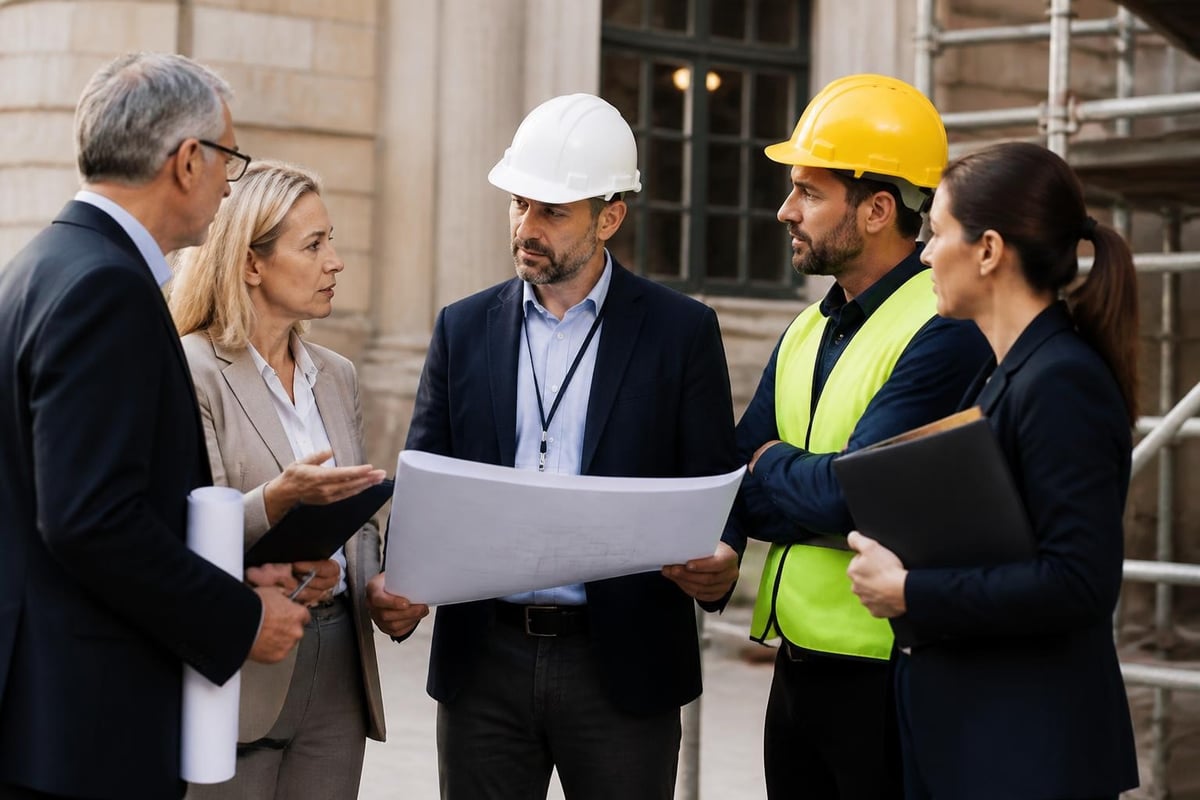
Construction projects involve numerous parties with different priorities, technical languages, and communication styles. The construction owners rep serves as the central coordination point, translating between architects, engineers, contractors, inspectors, and property owners to maintain alignment and prevent misunderstandings.
Regular progress meetings bring stakeholders together to review completed work, address emerging issues, and coordinate upcoming activities. The construction owners rep develops meeting agendas, documents decisions, and distributes action items that keep everyone accountable.
For condo associations and commercial properties, the construction owners rep also manages communication with residents, tenants, and the public. Construction activities create disruptions that require clear explanation, advance notice, and responsive problem-solving to maintain positive relationships.
Effective communication strategies include:
- Weekly progress reports with photos and schedule updates
- Monthly financial summaries comparing spending to budgets
- Immediate notification of safety issues or major problems
- Regular stakeholder meetings with documented minutes
- Accessible project contacts for questions and concerns
Regulatory Compliance and Permitting Navigation
South Florida's construction regulatory environment demands expertise that most property owners lack. Building codes, zoning requirements, environmental regulations, and life safety standards create complex compliance obligations that vary by jurisdiction and project type.
The construction owners rep manages the permitting process from initial applications through final approvals and certificates of occupancy. This includes preparing submittal packages, coordinating with plan reviewers, addressing review comments, and scheduling required inspections at appropriate construction milestones.
For properties subject to milestone building recertification requirements, the construction owners rep ensures repair work satisfies inspection findings and receives proper documentation for submission to building departments. Incomplete or non-compliant work can delay recertification and expose property owners to enforcement actions.
Working with Engineers and Design Professionals
Construction projects requiring structural engineering services benefit from the construction owners rep's ability to coordinate between designers and contractors. Technical questions arise during construction that need engineering clarification, and shop drawings require professional review before fabrication proceeds.
The construction owners rep facilitates this coordination while protecting the owner's interests. When contractors propose value engineering alternatives or claim designs are unbuildable, the representative evaluates proposals objectively and coordinates engineering review to determine whether changes serve owner interests or simply increase contractor profits.
Risk Management and Problem Resolution
Construction inherently involves risks that can impact costs, schedules, quality, and safety. Understanding the evolving role of owner's representatives emphasizes their importance in identifying potential problems before they materialize and implementing mitigation strategies that protect owner interests.
The construction owners rep maintains comprehensive documentation throughout the project, creating records that support owner positions if disputes arise. Meeting minutes, site observation reports, correspondence files, and photo documentation establish timelines and facts that prove invaluable during claim negotiations or litigation.
When problems occur despite preventive efforts, the construction owners rep takes charge of resolution strategies. This might involve negotiating contractor back-charges, coordinating warranty repairs, or managing insurance claims for damage or accidents.
Managing Contractor Performance Issues
Not every contractor performs as promised. Schedule delays, quality deficiencies, safety violations, and unpaid subcontractors signal performance problems that require immediate attention. The construction owners rep documents issues thoroughly and implements progressive enforcement strategies that protect owner rights while maintaining project progress.
For serious performance failures, the construction owners rep advises owners on contract termination procedures, coordinates transition to replacement contractors, and manages claim processes to recover damages. This expertise prevents costly mistakes that could compromise owner positions in subsequent disputes.
Value Engineering and Cost Optimization
Throughout the construction process, opportunities emerge to reduce costs without sacrificing quality or functionality. The construction owners rep identifies these value engineering possibilities and evaluates whether proposed changes align with owner priorities.
Legitimate value engineering maintains or improves performance while reducing costs through smarter material selections, alternative construction methods, or elimination of unnecessary features. Contractors sometimes propose changes they label as value engineering that actually reduce quality or shift maintenance burdens to owners.
Professional evaluation distinguishes between true value creation and disguised cost-cutting that creates long-term problems. For electrical system upgrades and repairs, cheaper materials might reduce upfront costs but increase failure rates and maintenance expenses over system lifecycles.
Long-Term Warranty and Closeout Management
Construction completion doesn't end the construction owners rep's responsibilities. Project closeout involves numerous tasks that ensure owners receive complete deliverables and full warranty protection for completed work.
The construction owners rep manages the punch list process, documenting incomplete or deficient work items and tracking contractor corrections through final acceptance. This systematic approach prevents contractors from abandoning minor items or claiming substantial completion before work truly meets contract requirements.
Closeout deliverables include:
- As-built drawings reflecting actual installed conditions
- Operation and maintenance manuals for installed systems
- Warranty documentation for materials and workmanship
- Training for building staff on new systems
- Spare parts and special tools for equipment
- Final lien releases from all contractors and suppliers
For properties like those served by Souffront Construction and Engineering, comprehensive closeout documentation supports future maintenance planning and provides reference materials when additional work becomes necessary.
Selecting the Right Construction Owners Rep
Not all construction owners rep professionals bring equal value. Property owners should evaluate candidates based on relevant experience, technical expertise, industry relationships, and alignment with project-specific needs.
Experience with similar project types matters significantly. A construction owners rep who primarily works on ground-up development may lack the specialized knowledge needed for complex restoration work, building recertification compliance, or occupied building renovations that characterize many South Florida projects.
Technical credentials provide another evaluation criterion. Engineering backgrounds, construction management certifications, and professional licenses demonstrate formal training and ongoing education that ensure current knowledge of codes, materials, and best practices.
References from previous clients reveal how candidates perform under pressure, handle disputes, and deliver on commitments. Speaking with property owners who have completed similar projects provides insights that resumes and interviews cannot capture.
Engaging a construction owners rep transforms how property owners experience construction projects, providing professional expertise that protects investments and ensures successful outcomes. Whether managing building recertification repairs, structural restoration, or system upgrades, this advocacy role delivers value through budget control, quality assurance, and risk mitigation that typical owners cannot achieve independently. Souffront Construction and Engineering brings comprehensive construction and engineering expertise to South Florida property owners, combining technical knowledge with hands-on project management that protects your building investment from initial assessment through final completion.