Water Intrusion Specialist Near Me: Protection Guide
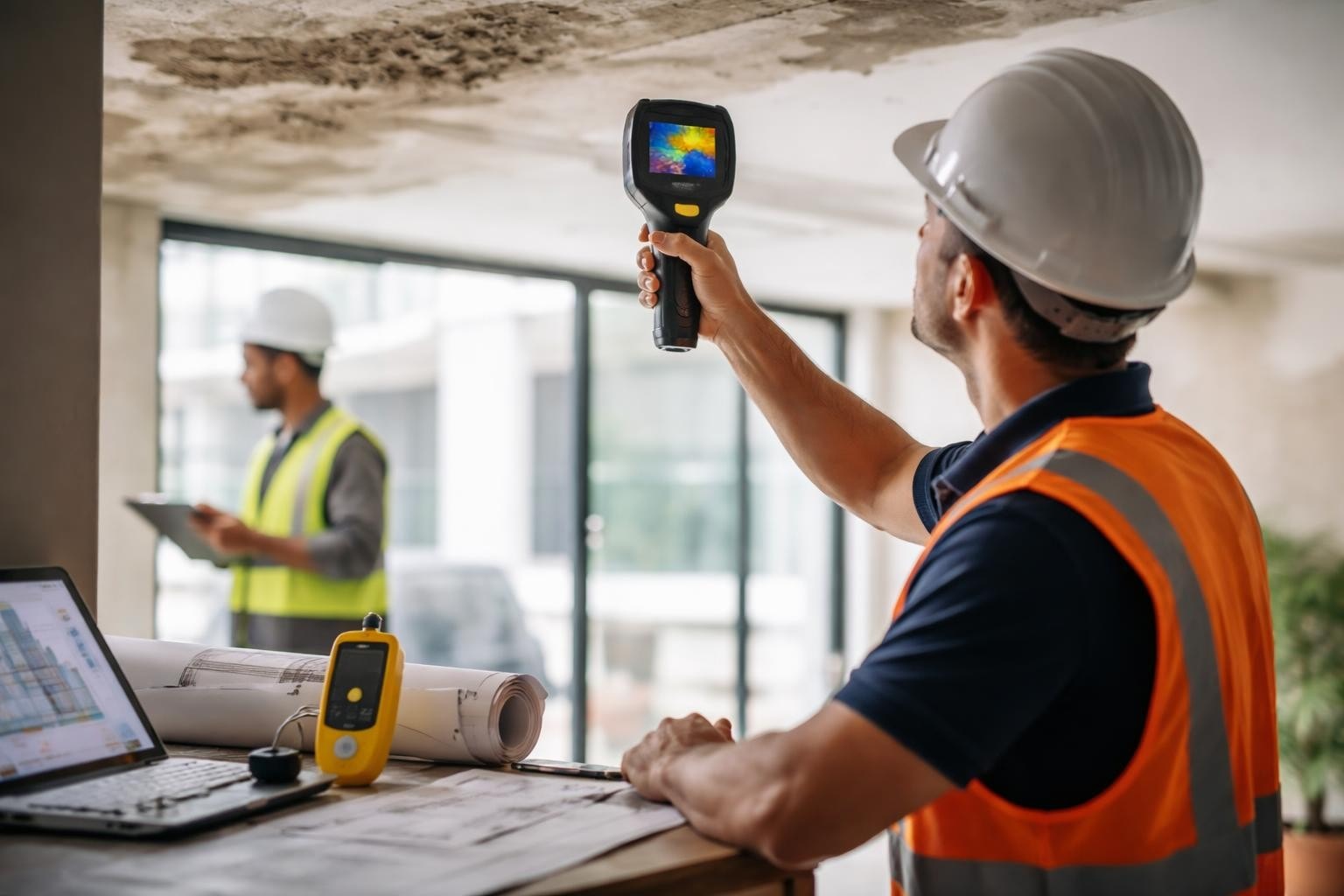
Water intrusion represents one of the most serious threats to building integrity in South Florida. Whether you manage a high-rise condominium, own commercial property, or maintain a residential building, finding a qualified water intrusion specialist near me starts with understanding what these professionals do and why their expertise matters. When moisture penetrates building envelopes, it triggers a cascade of problems ranging from cosmetic damage to structural failure. The humid subtropical climate of South Florida creates particularly challenging conditions where water intrusion issues can accelerate rapidly if not addressed by experienced professionals.
Understanding Water Intrusion and Its Impact on Buildings
Water intrusion occurs when moisture penetrates a building's protective barriers through compromised waterproofing, structural cracks, or faulty installation. Unlike surface water that evaporates quickly, intrusive water becomes trapped within wall cavities, concrete structures, and building materials where it causes progressive damage.
The consequences extend far beyond visible staining. Concrete spalling, rebar corrosion, mold growth, and electrical hazards develop when water repeatedly enters building systems. In coastal South Florida environments, saltwater accelerates deterioration processes, making early detection and professional remediation absolutely critical.
Primary Causes of Water Intrusion
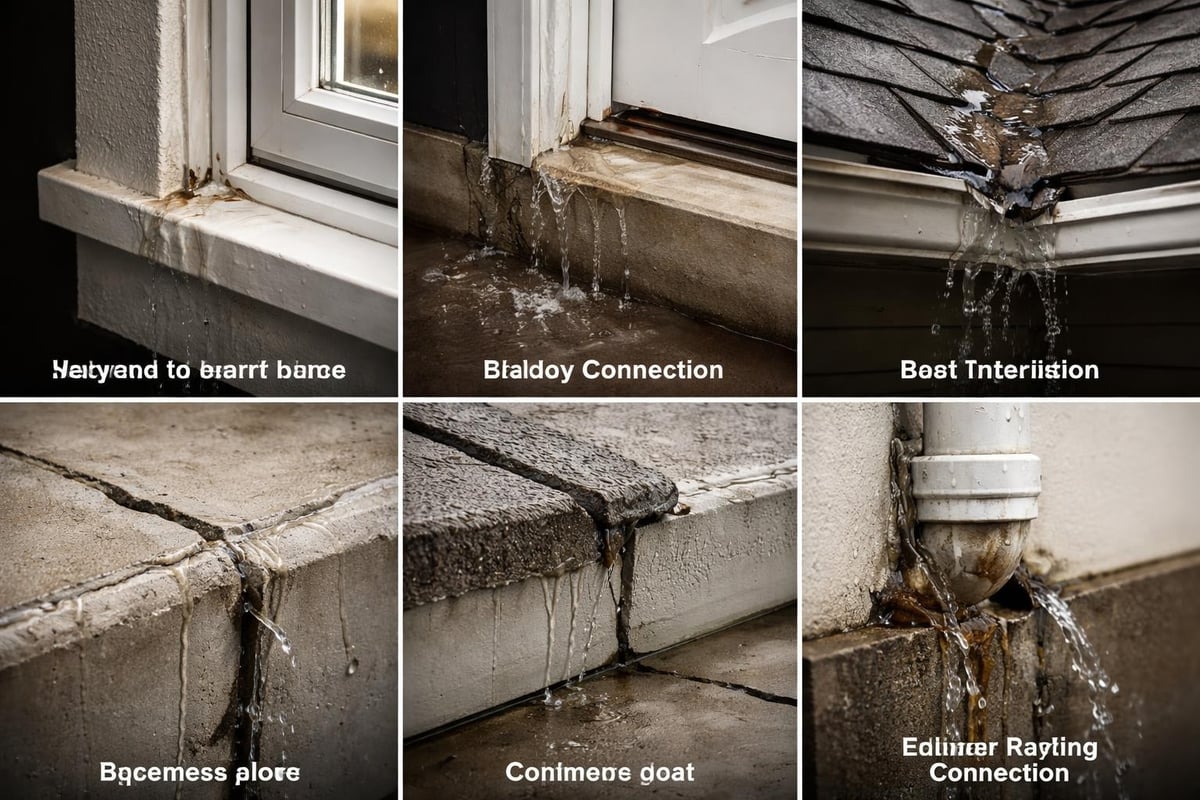
Several factors contribute to water intrusion problems in commercial and residential buildings:
- Aging waterproofing systems that have exceeded their service life
- Structural movement creating gaps and cracks in building envelopes
- Improper installation of windows, doors, and flashing details
- Degraded sealants and caulking around penetrations
- Concrete deterioration from spalling and corrosion
- Inadequate drainage systems on balconies and roofs
- Hurricane and storm damage compromising protective barriers
Property owners searching for a water intrusion specialist near me often discover issues during milestone building recertification inspections when hidden damage becomes apparent. According to water intrusion prevention guidelines, proactive measures significantly reduce long-term repair costs.
What Water Intrusion Specialists Do
Professional water intrusion specialists combine forensic investigation skills with construction knowledge to identify, document, and resolve moisture infiltration problems. Their comprehensive approach addresses both symptoms and underlying causes.
Diagnostic Testing and Investigation
Modern water intrusion investigation employs multiple technologies and methodologies:
| Testing Method | Purpose | Application |
|---|---|---|
| Infrared Thermography | Detects moisture behind surfaces | Non-invasive moisture mapping |
| Moisture Meters | Measures water content in materials | Quantifies saturation levels |
| Flood Testing | Simulates water exposure | Identifies active leak paths |
| Pressure Testing | Evaluates envelope integrity | Building enclosure performance |
| Forensic Sampling | Analyzes material conditions | Determines damage extent |
These specialists don't simply locate visible leaks. They trace water migration paths through complex building assemblies, identify contributing factors, and develop comprehensive remediation strategies. Forensic water intrusion investigations reveal hidden damage that surface inspections miss entirely.
Documentation and Reporting
Professional water intrusion assessments produce detailed reports documenting findings, recommended repairs, and cost estimates. This documentation proves essential for:
- Insurance claims and legal proceedings
- Condominium association board decisions
- Building recertification compliance
- Construction planning and permitting
- Reserve study updates and financial planning
Comprehensive reporting enables property owners and managers to make informed decisions about repair priorities and budget allocation.
Finding the Right Water Intrusion Specialist Near Me
Not all water intrusion specialists offer equivalent expertise or services. South Florida property owners benefit from professionals who understand regional construction methods, building codes, and environmental challenges specific to coastal communities.
Essential Qualifications and Experience
When evaluating potential specialists, consider these critical factors:
Licensing and Certifications Professional engineers, licensed contractors, and certified building inspectors bring different but complementary skills to water intrusion investigations. The ideal specialist often holds multiple credentials relevant to structural assessment and construction remediation.
Regional Experience South Florida construction differs significantly from other regions. Specialists familiar with local building codes, hurricane-resistant construction, and saltwater exposure provide more accurate diagnoses and effective solutions.
Comprehensive Service Offerings The best outcomes occur when specialists can coordinate investigation, engineering analysis, and construction remediation. Integrated services from structural engineering design and analysis through concrete restoration and structural repairs streamline project completion.
Questions to Ask Potential Specialists
Before hiring a water intrusion specialist near me, property owners should request specific information:
- What diagnostic technologies do you employ? Advanced equipment improves detection accuracy.
- Can you provide case studies from similar properties? Relevant experience matters significantly.
- Do you offer both investigation and remediation services? Coordinated solutions reduce delays.
- Are you licensed to perform structural engineering analysis? Complex issues require engineering oversight.
- What warranties or guarantees accompany your remediation work? Quality specialists stand behind their solutions.
The University of Vermont's mold prevention and water intrusion response guidelines emphasize the importance of qualified professionals in preventing secondary damage from moisture events.
Common Water Intrusion Scenarios in South Florida
Understanding typical water intrusion patterns helps property owners recognize problems early and seek appropriate professional assistance.
High-Rise Condominium Buildings
Older condominium towers face unique water intrusion challenges as building materials age and environmental exposure takes its toll. Balcony connections, expansion joints, and facade transitions become vulnerable entry points where water penetrates interior spaces.
Milestone building recertification inspections frequently identify water intrusion issues requiring immediate attention. The recertification process has revealed widespread problems in buildings approaching their 40-year milestone, particularly those constructed during the 1970s and 1980s.
Commercial Properties
Flat roofs, parapet walls, and extensive HVAC penetrations create multiple opportunities for water intrusion in commercial buildings. Storm water management systems require regular maintenance to prevent overflow conditions that saturate building envelopes.
Residential Properties
Single-family homes and townhouses experience water intrusion through window installations, door thresholds, and foundation connections. Improper grading and inadequate drainage exacerbate these problems during South Florida's intense rainy season.
The Water Intrusion Investigation Process
Professional investigations follow systematic protocols to ensure comprehensive assessment and accurate diagnosis.
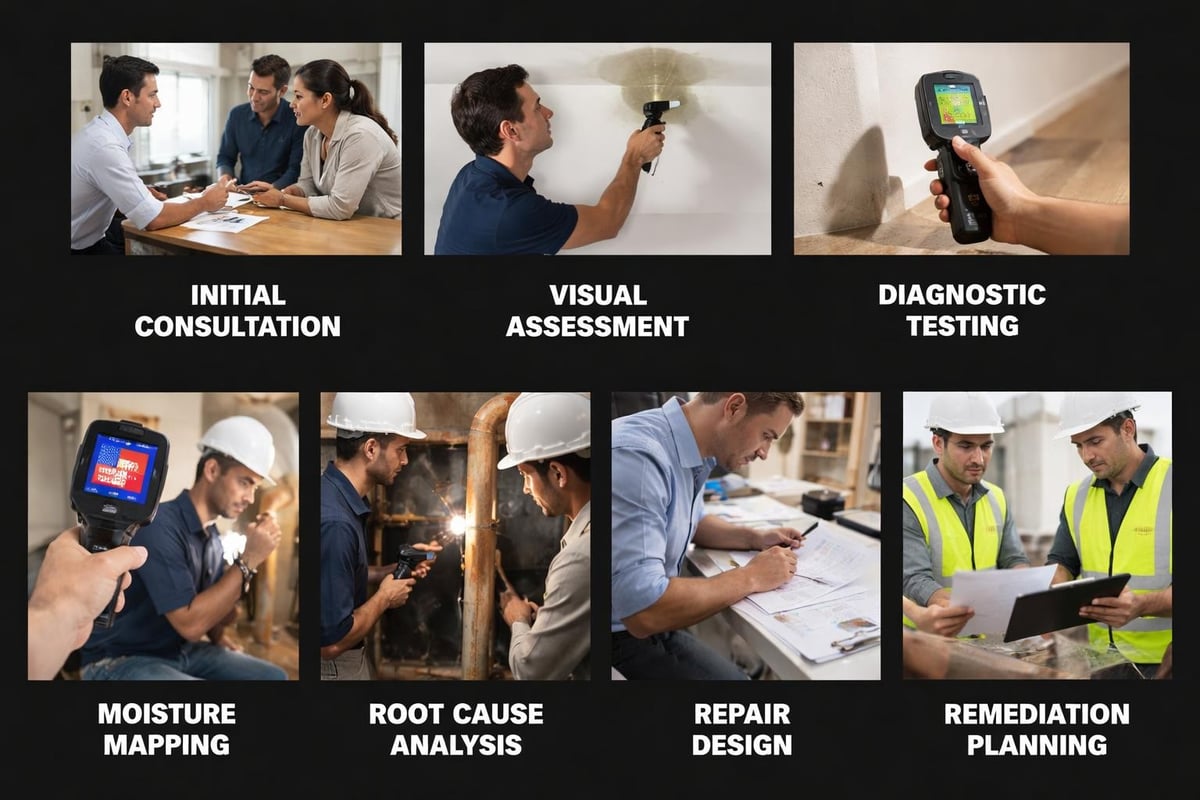
Initial Consultation and Visual Assessment
Specialists begin by reviewing property history, previous repairs, and reported symptoms. Visual inspection identifies obvious deficiencies while establishing the scope of detailed investigation.
Advanced Diagnostic Testing
Following visual assessment, specialists deploy diagnostic equipment to map moisture conditions and identify hidden damage. Research on water intrusion detection demonstrates how advanced technologies improve diagnostic accuracy in concrete structures.
Testing typically occurs under controlled conditions that may include:
- Simulated rainfall through spray rack testing
- Controlled water application to specific building components
- Pressure differential measurements across building envelopes
- Thermal imaging during temperature transitions
Root Cause Analysis
Determining why water intrusion occurs proves just as important as locating where it enters. Specialists evaluate design details, installation quality, material conditions, and maintenance history to identify contributing factors.
This analysis considers:
- Original construction methods and materials
- Building code compliance at time of construction
- Subsequent modifications and repairs
- Maintenance records and preventive measures
- Environmental exposure and weathering patterns
Repair Recommendations and Engineering
Following investigation, specialists develop detailed repair specifications addressing both immediate water intrusion and underlying structural issues. Engineering analysis ensures recommended solutions meet current building codes and performance standards.
Prevention Strategies and Maintenance Programs
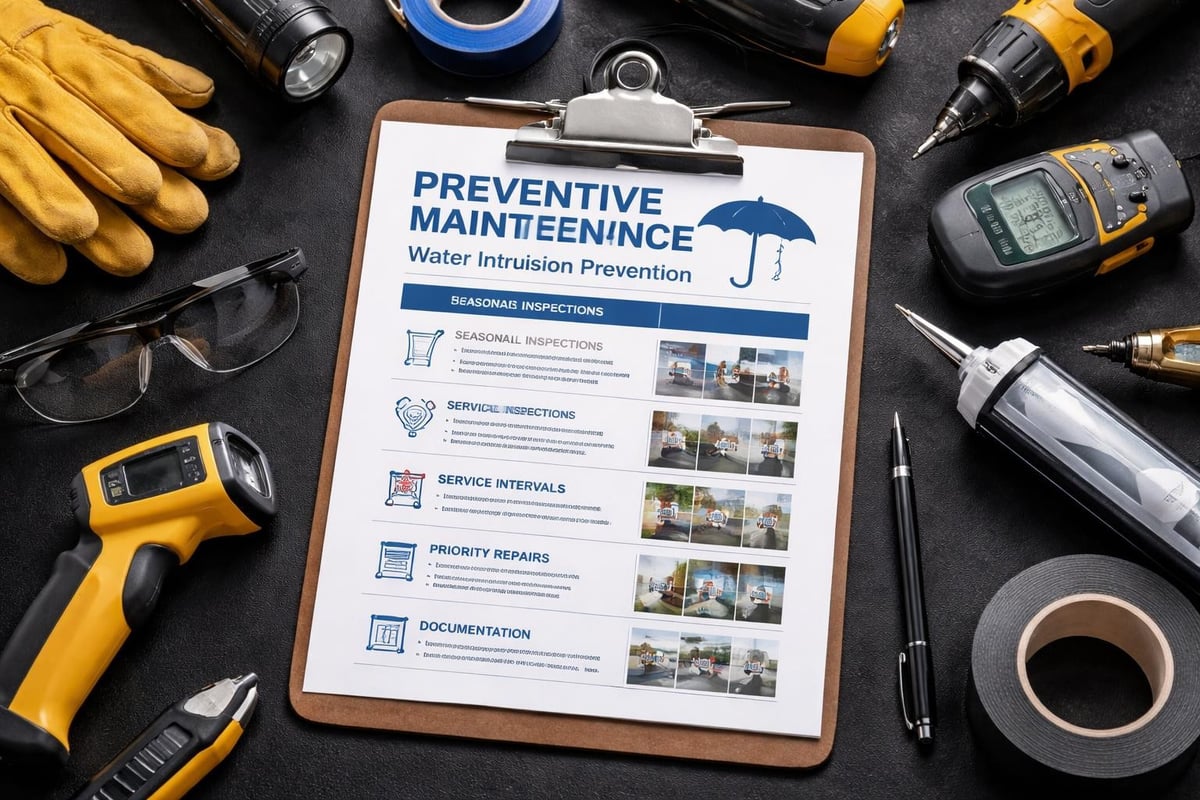
Proactive maintenance significantly reduces water intrusion risks and associated repair costs. Property owners benefit from establishing regular inspection schedules and addressing minor issues before they escalate.
Routine Building Envelope Inspections
Annual or biannual inspections identify early warning signs of water intrusion problems:
- Sealant degradation around windows and doors
- Concrete cracking and spalling
- Drainage system blockages
- Waterproofing membrane deterioration
- Flashing corrosion or displacement
According to warning signs of water intrusion, early detection prevents extensive interior damage and mold growth.
Preventive Maintenance Activities
Scheduled maintenance extends the service life of building components and waterproofing systems:
| Component | Maintenance Frequency | Key Activities |
|---|---|---|
| Sealants and Caulking | Every 3-5 years | Inspection and replacement |
| Balcony Waterproofing | Every 5-7 years | Coating renewal and drainage clearing |
| Expansion Joints | Annually | Cleaning and sealant verification |
| Drainage Systems | Quarterly | Clearing debris and flow testing |
| Window/Door Hardware | Annually | Adjustment and weatherstripping replacement |
Regular maintenance programs complement structural integrity reserve studies by documenting building conditions and anticipated capital expenditures.
Water Intrusion Remediation Methods
Once specialists identify water intrusion sources and damage extent, remediation strategies address both active leaks and resulting deterioration.
Envelope Repairs and Waterproofing
Building envelope remediation ranges from localized repairs to comprehensive re-waterproofing projects. Solutions depend on damage severity, building age, and budget considerations.
Localized Repairs Minor water intrusion often responds to targeted interventions including sealant replacement, flashing repairs, or concrete crack injection. These solutions prove cost-effective when damage remains confined to specific areas.
Comprehensive Waterproofing Extensive water intrusion damage requires systematic envelope restoration. Complete balcony waterproofing, facade re-sealing, or window replacement projects address widespread deficiencies while upgrading building performance.
The importance of waterproofing in preventing water intrusion extends beyond immediate leak prevention to long-term structural protection.
Structural Repairs
Water-damaged concrete requires specialized restoration techniques:
- Concrete removal and replacement in severely deteriorated areas
- Rebar cleaning, treatment, and supplemental reinforcement
- Cementitious or epoxy repair mortars for minor spalling
- Protective coatings to prevent future corrosion
- Structural reinforcement when load capacity becomes compromised
Concrete restoration services integrate structural engineering oversight with skilled construction execution.
Interior Remediation
Water intrusion creates secondary damage requiring professional remediation:
- Mold abatement following established protocols
- Drywall and insulation replacement
- Electrical system inspection and repairs
- Paint and finish restoration
- HVAC system cleaning if contamination occurred
Coordinating envelope repairs with interior restoration prevents recurring damage and ensures complete problem resolution.
The Role of Engineering in Water Intrusion Solutions
Complex water intrusion problems require engineering expertise to develop effective, code-compliant solutions. Licensed professional engineers evaluate structural implications, design repair systems, and certify completed work.
Structural Engineering Analysis
When water intrusion compromises structural elements, engineers assess remaining capacity and design appropriate strengthening measures. This analysis considers:
- Load distribution and transfer paths
- Material strength reduction from corrosion
- Code requirements for repair methods
- Long-term performance expectations
- Cost-effectiveness of alternative solutions
Structural engineering services ensure repairs meet safety standards while optimizing project costs.
Forensic Engineering Investigation
Forensic engineers investigate complex water intrusion scenarios involving design deficiencies, construction defects, or warranty disputes. Their work produces detailed documentation supporting legal proceedings, insurance claims, or construction defect litigation.
Forensic services for water intrusion detection employ specialized testing protocols that establish causation and responsibility for building envelope failures.
Cost Considerations for Water Intrusion Services
Water intrusion investigation and remediation costs vary substantially based on building size, damage extent, and required repairs. Understanding typical pricing helps property owners budget appropriately.
Investigation and Assessment Fees
Professional water intrusion investigations typically range from $2,500 to $15,000 depending on building complexity and testing requirements. Comprehensive assessments for large commercial or high-rise properties cost more than residential evaluations.
Diagnostic testing fees often include:
- Site mobilization and equipment setup
- Professional time for investigation and analysis
- Laboratory testing if material samples require analysis
- Engineering review and report preparation
- Consultation meetings and presentations
Remediation Project Costs
Repair costs depend heavily on damage severity and chosen solutions:
- Minor sealant and flashing repairs: $5,000 to $25,000
- Balcony waterproofing: $15,000 to $75,000 per building section
- Facade restoration with waterproofing: $100,000 to $500,000+
- Structural concrete repairs: $50,000 to $250,000+
- Complete building envelope restoration: $1 million to $10 million+
Property owners benefit from understanding 40-year recertification costs when planning for water intrusion remediation during milestone inspections.
Building Code Compliance and Permitting
Water intrusion repairs often require building permits and code compliance verification. Professional specialists navigate these requirements efficiently while ensuring work meets current standards.
Permit Requirements
Significant water intrusion repairs typically require permits for:
- Structural modifications or concrete restoration
- Building envelope alterations
- Electrical system repairs
- Plumbing system modifications
- Fire safety system impacts
Working with specialists who provide permit-ready repair solutions streamlines approval processes and prevents project delays.
Code Compliance Challenges
Older buildings face unique challenges when repairs must meet current code requirements. Specialists experienced in violation and unsafe structures resolution help property owners navigate compliance issues while minimizing unnecessary upgrades.
Selecting Local vs. National Water Intrusion Specialists
Property owners searching for a water intrusion specialist near me must decide between local firms and national companies. Each option offers distinct advantages worth considering.
Benefits of Local Specialists
South Florida specialists understand regional construction practices, weather patterns, and building code requirements. Local firms maintain established relationships with permitting authorities and can respond quickly to urgent situations.
Regional Expertise Advantages:
- Familiarity with local building codes and inspection procedures
- Understanding of South Florida construction methods and materials
- Knowledge of regional weather patterns and environmental challenges
- Established vendor relationships for specialized materials
- Rapid emergency response capabilities
National Company Considerations
Larger national firms may offer broader resources but sometimes lack regional expertise. Their standardized approaches don't always address South Florida's unique challenges effectively.
Technology and Innovation in Water Intrusion Detection
Advances in diagnostic technology continue improving water intrusion detection accuracy and efficiency. Modern specialists employ sophisticated equipment that reveals problems invisible to conventional inspection methods.
Infrared Thermography
Thermal imaging cameras detect temperature variations caused by moisture within building assemblies. Wet materials exhibit different thermal properties than dry materials, creating visible patterns on infrared images.
This non-invasive technology maps moisture distribution across large surface areas quickly, identifying problem zones requiring detailed investigation.
Moisture Mapping Systems
Advanced moisture meters provide quantitative measurements of water content in concrete, masonry, wood, and drywall. Digital mapping systems create visual representations of moisture distribution throughout buildings.
Drone-Assisted Inspections
Unmanned aerial vehicles enable safe, efficient inspection of building exteriors, roofs, and other difficult-to-access areas. High-resolution cameras and thermal imaging sensors mounted on drones detect water intrusion evidence without scaffolding or lifts.
The Importance of Timely Water Intrusion Response
Delaying water intrusion remediation compounds damage and increases repair costs exponentially. Property owners who address problems immediately minimize both structural deterioration and associated expenses.
Progressive Damage from Delayed Repairs
Unresolved water intrusion triggers cascading failures:
- Initial cosmetic damage progresses to structural deterioration
- Minor concrete cracks expand through freeze-thaw cycles and corrosion
- Mold colonization spreads throughout building cavities
- Electrical hazards develop as moisture contacts wiring and panels
- Property values decline as visible damage accumulates
Water leak detection services emphasize early intervention to prevent extensive property damage.
Emergency Response Services
Severe water intrusion events from hurricanes, plumbing failures, or envelope breaches require immediate professional response. Specialists offering emergency roofing repairs and urgent remediation services prevent secondary damage while stabilizing buildings.
Water Intrusion and Building Recertification
Florida's milestone building recertification program places increased emphasis on water intrusion assessment and remediation. Property owners approaching recertification deadlines must address envelope deficiencies as part of compliance requirements.
Recertification Inspection Standards
Building officials now scrutinize water intrusion evidence more carefully during recertification inspections. Inspectors document envelope conditions, moisture intrusion signs, and waterproofing system integrity.
Properties with active water intrusion problems cannot pass recertification until remediation occurs and re-inspection confirms compliance. Understanding milestone building inspections helps property owners prepare adequately.
Proactive Remediation Benefits
Addressing water intrusion issues before recertification inspections prevents compliance delays and rushed repair projects. Property owners who commission independent assessments years in advance can budget appropriately and schedule work during optimal weather conditions.
Finding a qualified water intrusion specialist near me protects your South Florida property investment while ensuring occupant safety and building longevity. Professional investigation, engineering analysis, and comprehensive remediation address both immediate problems and underlying causes that threaten structural integrity. When you need expert water intrusion assessment and remediation services backed by structural engineering expertise and construction experience, Souffront Construction and Engineering provides the integrated solutions South Florida property owners depend on for building protection and recertification compliance.