Water Intrusion Specialist: Essential Guide for 2026
Water damage continues to be one of the most destructive forces threatening building integrity across South Florida. With the region's high humidity, intense rainfall, and coastal conditions, property owners face constant challenges from moisture infiltration that can compromise structural systems, create health hazards, and lead to costly repairs. A water intrusion specialist plays a critical role in identifying, documenting, and resolving these issues before they escalate into major problems. These professionals combine forensic investigation techniques with engineering knowledge to pinpoint moisture sources and develop comprehensive remediation strategies that protect both property value and occupant safety.
Understanding the Role of a Water Intrusion Specialist
A water intrusion specialist is a trained professional who investigates moisture-related problems in buildings using scientific methods and diagnostic tools. These experts go far beyond simple visual inspections to uncover hidden water sources that may not be immediately apparent.
Core Responsibilities and Expertise
The work of these specialists encompasses multiple critical functions that protect building integrity:
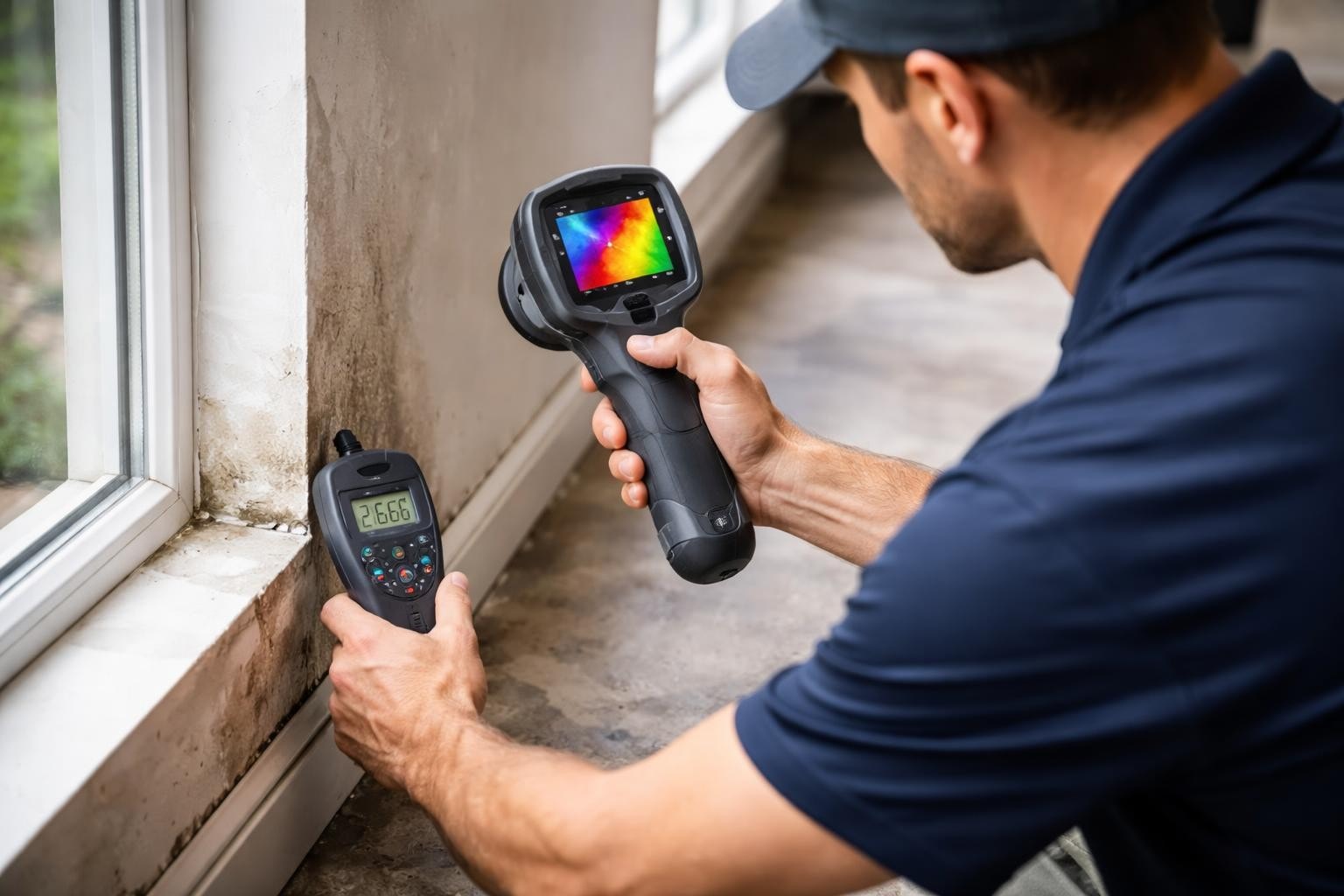
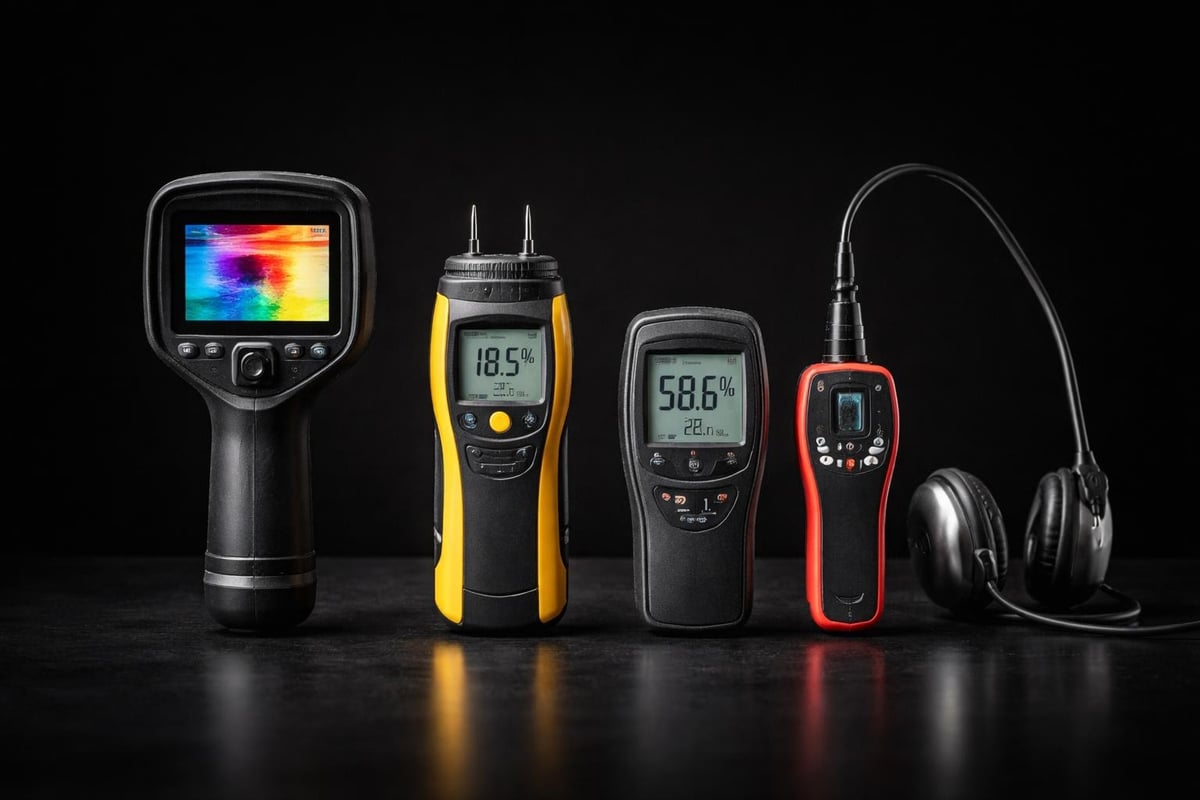
- Forensic investigation using moisture meters, thermal imaging cameras, and hygrometers
- Identification of water sources including roof leaks, plumbing failures, and condensation issues
- Documentation of damage through detailed reports and photographic evidence
- Development of remediation plans that address both symptoms and root causes
- Expert testimony in legal proceedings involving construction defects or insurance claims
When moisture enters a building envelope, it rarely announces itself with obvious signs. A qualified water intrusion specialist employs systematic investigation protocols to trace water pathways, measure moisture levels in various building materials, and determine whether damage is active or historical.
The Science Behind Water Intrusion Detection
Modern water intrusion specialists in forensic engineering rely on sophisticated diagnostic equipment that reveals moisture presence invisible to the naked eye. Thermal imaging cameras detect temperature variations that indicate wet building materials. Moisture meters provide quantitative readings of water content in concrete, wood, and drywall. Hygrometers measure relative humidity levels that suggest condensation problems.
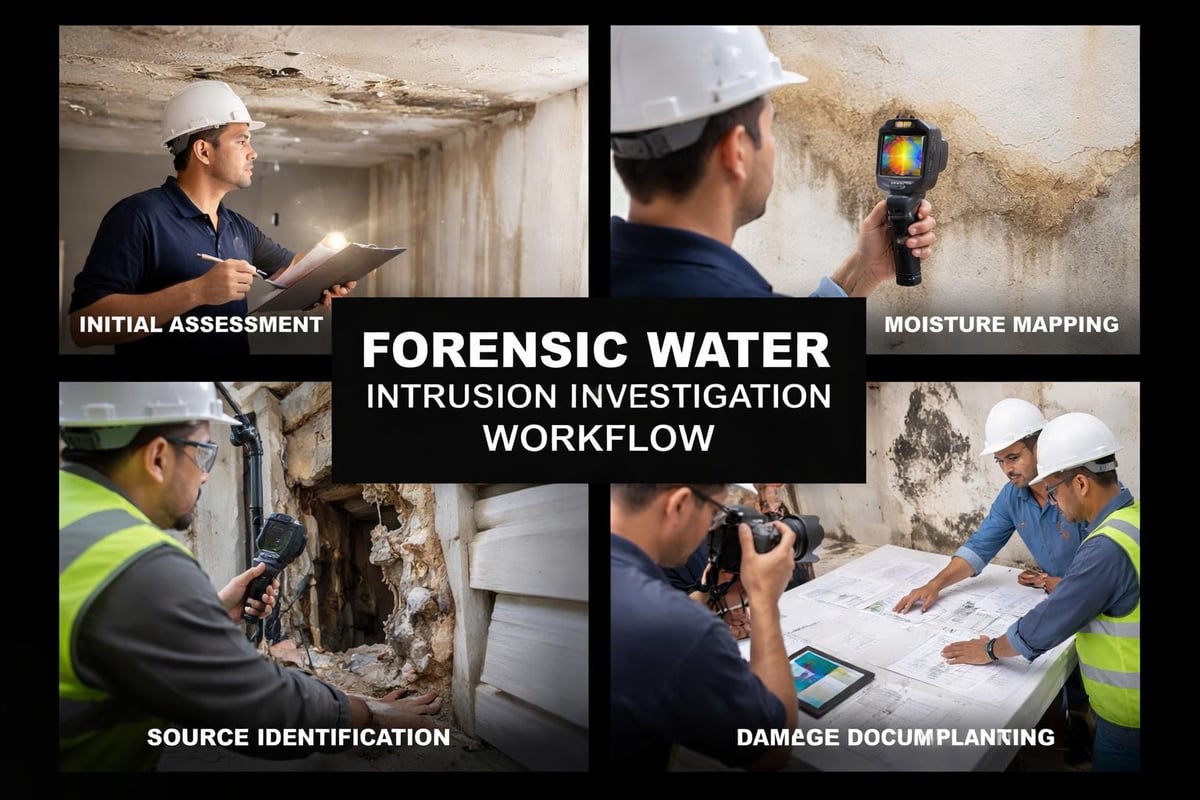
The investigation process typically follows a structured approach that begins with building history review and occupant interviews. Understanding when problems started, what changes occurred, and how the building performs under different weather conditions provides essential clues. Visual inspection identifies obvious damage patterns, staining, and deterioration. Non-invasive testing maps moisture distribution without destructive exploratory work.
Common Water Intrusion Sources in South Florida Buildings
South Florida's unique climate and construction patterns create specific vulnerability points that require specialized knowledge. The subtropical environment, hurricane exposure, and aging building stock present distinct challenges.
Building Envelope Failures
The building envelope serves as the primary defense against moisture infiltration, but multiple components can fail over time:
| Component | Common Failure Mode | Typical Age at Failure |
|---|---|---|
| Flat roofs | Membrane deterioration | 15-20 years |
| Windows | Sealant breakdown | 10-15 years |
| Exterior walls | Stucco cracking | 20-30 years |
| Balconies | Waterproofing failure | 10-25 years |
| Expansion joints | Sealant degradation | 5-10 years |
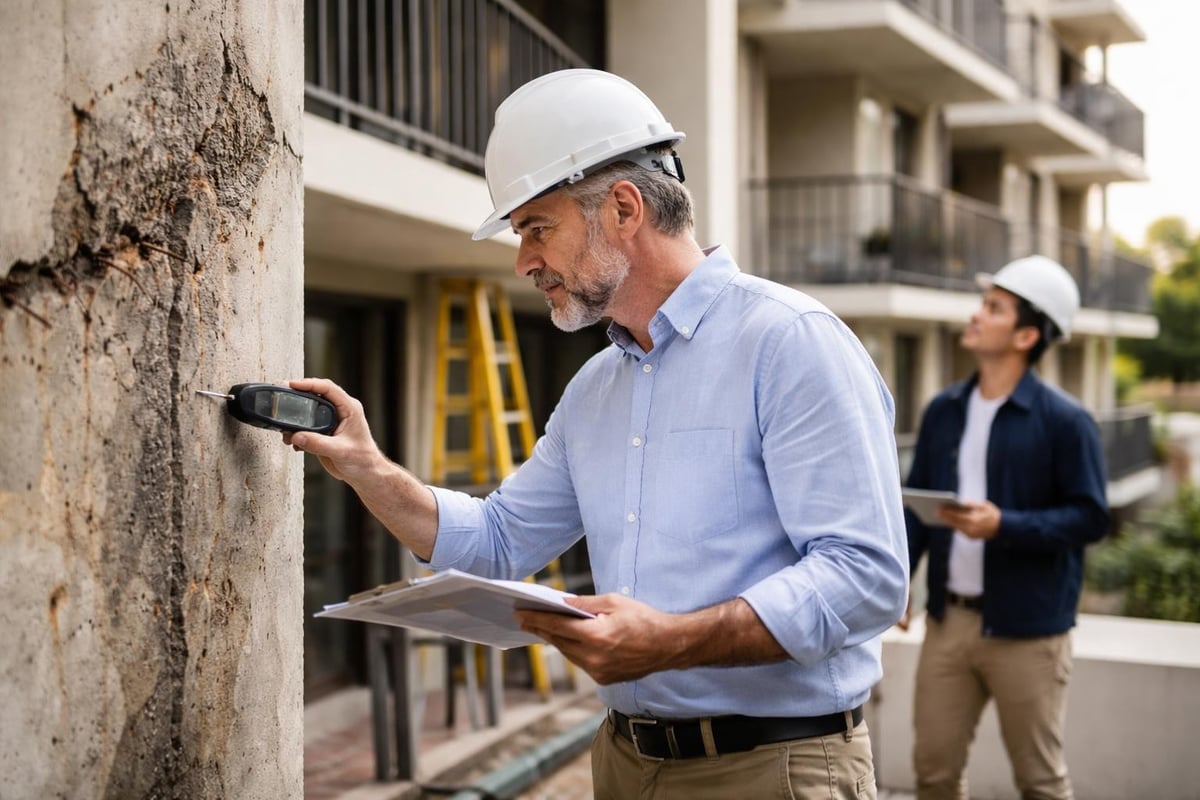
Concrete balconies present particularly challenging scenarios in coastal environments. Salt air accelerates rebar corrosion, which causes concrete spalling and creates pathways for water entry. What begins as a small crack can quickly evolve into a major structural concern requiring extensive concrete restoration and structural repairs.
Plumbing and Mechanical System Leaks
Hidden plumbing failures account for substantial water intrusion problems. Pipes concealed within walls, above ceilings, and below slabs develop leaks that may continue undetected for months or years. Professional water leak detection services use acoustic listening devices, tracer gas, and infrared thermography to locate these hidden failures without unnecessary demolition.
Air conditioning systems introduce another moisture source through condensate line problems, drainage pan overflow, and ductwork condensation. In South Florida's climate, HVAC systems operate year-round and remove enormous volumes of water from indoor air. When condensate removal systems fail, water backs up and infiltrates ceiling assemblies and wall cavities.
The Water Intrusion Investigation Process
Professional investigations follow methodical procedures that ensure comprehensive assessment and accurate diagnosis. This systematic approach distinguishes qualified specialists from general contractors who may address symptoms without identifying root causes.
Initial Assessment and Documentation
Every investigation begins with thorough information gathering:
- Review building plans and construction documents to understand original design intent
- Interview property managers and occupants about problem history and patterns
- Inspect maintenance records for previous repairs and recurring issues
- Document current conditions through photographs and written observations
- Map problem areas on building plans for spatial relationship analysis
This preliminary work establishes a foundation for targeted testing. Understanding the building's age, construction methods, and renovation history helps specialists predict likely failure points. A building approaching milestone building recertification often reveals multiple water intrusion issues that have developed over decades.
Advanced Diagnostic Testing Methods
Modern water intrusion specialists employ multiple testing technologies that provide objective, quantifiable data. These tools transform investigation from subjective observation to scientific analysis.
Non-Invasive Testing Techniques:
- Infrared thermography detects temperature anomalies indicating moisture presence
- Capacitance moisture meters measure water content without penetrating surfaces
- Acoustic emission testing identifies active leaks through sound analysis
- Relative humidity mapping reveals condensation risk areas
Invasive Testing When Necessary:
- Core sampling of concrete to assess moisture levels at depth
- Cavity inspections using borescopes and fiber optic cameras
- Material removal for laboratory analysis of contamination
The ASTM testing methods emphasized by water intrusion consultants provide standardized procedures that ensure consistent, reliable results. These industry-recognized protocols are especially important when investigation findings will inform repair specifications or support legal proceedings.
Water Intrusion Impact on Building Systems
Understanding how moisture affects different building components helps property owners appreciate the urgency of professional assessment. Water damage rarely limits itself to aesthetic concerns and quickly progresses to structural and health issues.
Structural Degradation
Concrete structures face particular vulnerability in coastal environments. Water containing dissolved salts penetrates concrete and reaches embedded reinforcing steel. The steel corrodes, expands, and breaks concrete from within through a process called spalling. This deterioration compromises load-bearing capacity and threatens structural safety.
Wood framing experiences rot, decay, and dimensional changes when exposed to sustained moisture. Floor joists, roof trusses, and wall studs lose strength as water breaks down cellulose fibers. Fungal growth accelerates decomposition and can render structural members unusable within months under ideal conditions.
Metal components including studs, fasteners, and connectors corrode when exposed to water. In South Florida's salt air environment, this corrosion accelerates dramatically. What might take years in dry climates occurs in months near the coast.
Health and Indoor Air Quality Concerns
The University of Florida's guidelines on water intrusion problems emphasize the connection between moisture and indoor air quality degradation. Mold growth begins within 24-48 hours of water exposure and releases spores that trigger respiratory problems, allergic reactions, and other health effects.
Beyond mold, persistent moisture creates conditions favorable for dust mites, bacteria, and other biological contaminants. Occupants may experience increased asthma symptoms, allergic reactions, and general respiratory irritation. These health impacts drive the need for prompt water intrusion response.
Selecting a Qualified Water Intrusion Specialist
Not all professionals claiming water intrusion expertise possess equivalent qualifications. Property owners, association managers, and facility directors should evaluate specialists based on specific criteria that indicate genuine competence.
Essential Qualifications and Certifications
Professional credentials matter when selecting a water intrusion specialist:
- Licensed professional engineer with structural or civil engineering background
- Certified thermographer for infrared camera operation
- IICRC certification in water damage restoration
- Forensic engineering experience with expert witness testimony
- Membership in professional organizations like ASHI or InterNACHI
Experience with similar building types in South Florida's climate provides crucial context. A specialist who has investigated dozens of coastal condominiums understands the region's specific failure patterns and environmental challenges. This local expertise accelerates accurate diagnosis and leads to more effective remediation strategies.
Questions to Ask Potential Specialists
Due diligence before hiring protects property owners from inadequate investigations:
- What specific diagnostic equipment do you use and how do you calibrate it?
- Can you provide case studies of similar investigations you've completed?
- How do you document findings and what level of detail do your reports include?
- Do you provide remediation design or only investigation services?
- What is your experience with local building codes and permitting requirements?
References from previous clients offer valuable insights into communication style, report quality, and overall professionalism. Property managers dealing with forensic water intrusion investigations appreciate specialists who explain technical findings in understandable terms while maintaining scientific rigor.
Integration with Building Recertification Programs
Florida's mandatory building recertification programs have heightened awareness of water intrusion issues across aging building stock. These programs require comprehensive structural and electrical inspections that frequently uncover long-standing moisture problems.
Water Intrusion in Milestone Inspections
Buildings reaching their 40-year milestone often reveal decades of accumulated water damage. What property owners dismissed as minor cosmetic issues may actually indicate serious structural deterioration. The 40-year building recertification inspection process specifically requires evaluation of building envelope integrity and weatherproofing systems.
A water intrusion specialist contributes essential expertise to these comprehensive evaluations. While general inspectors identify visible problems, specialists use diagnostic equipment to reveal hidden moisture issues that standard inspections might miss. This thorough approach prevents property owners from addressing obvious repairs while leaving underlying water infiltration unresolved.
Structural Integrity Reserve Studies
The new Structural Integrity Reserve Study (SIRS) requirements in Florida mandate detailed assessment of major building components and reserve funding for future repairs. Water intrusion directly impacts multiple components evaluated in these studies:
| Building Component | Water Intrusion Impact | Reserve Study Consideration |
|---|---|---|
| Roofing systems | Primary water entry point | Replacement timing critical |
| Balcony waterproofing | Concrete deterioration risk | Preventive maintenance needed |
| Exterior painting/coating | Building envelope protection | Condition assessment required |
| Windows and doors | Seal failure common | Replacement planning essential |
When specialists identify active water intrusion during SIRS evaluations, property managers gain critical data for reserve planning. Understanding current condition and likely deterioration rates allows accurate forecasting of repair costs and timing.
Remediation Planning and Implementation
Investigation represents only the first phase of water intrusion resolution. Translating findings into effective repairs requires engineering knowledge, construction expertise, and understanding of long-term building performance.
Developing Comprehensive Repair Specifications
Effective remediation addresses root causes rather than symptoms. A water intrusion specialist develops repair specifications that:
- Identify all water entry points requiring correction
- Specify appropriate materials for South Florida's climate
- Detail proper installation procedures following manufacturer guidelines
- Include quality control measures ensuring work meets specifications
- Establish testing protocols verifying repair effectiveness
Property owners dealing with common defects found during structural inspections benefit from specifications that contractors can use for accurate bidding. Detailed repair documents prevent misunderstandings and ensure all parties understand scope requirements.
Permit Requirements and Code Compliance
South Florida jurisdictions maintain strict building code enforcement that applies to water intrusion remediation. Significant repairs require permits and inspections to verify code compliance. A water intrusion specialist familiar with local requirements ensures repair designs meet current standards.
Code-compliant structural engineering design and analysis becomes essential when water damage has compromised load-bearing elements. Engineers must calculate whether existing capacity remains adequate or if reinforcement is necessary. These technical evaluations protect occupant safety and shield property owners from liability.
Prevention Strategies and Maintenance Programs
While investigation and remediation address existing problems, prevention strategies reduce future water intrusion risk. Property owners who implement proactive maintenance programs experience fewer emergency repairs and lower long-term costs.
Building Envelope Maintenance
Regular inspection and maintenance of building envelope components prevents small issues from becoming major problems:
- Annual roof inspections identifying membrane damage, ponding areas, and drainage problems
- Quarterly sealant review at windows, doors, and expansion joints with prompt repairs
- Bi-annual balcony assessments checking waterproofing integrity and drainage functionality
- Gutter and downspout cleaning ensuring water diverts away from building foundations
- Paint and coating maintenance preserving weather-resistant exterior finishes
These routine activities cost substantially less than emergency repairs triggered by sudden failures. Property managers who budget for preventive maintenance avoid special assessments that create financial hardship for unit owners.
Early Detection Systems
Technology enables early warning of water intrusion before significant damage occurs. Moisture sensors installed in vulnerable areas provide alerts when humidity levels exceed safe thresholds. Leak detection systems monitor plumbing and HVAC condensate lines with automatic shutoffs preventing catastrophic failures.
Buildings with comprehensive emergency roofing repair protocols respond faster when problems develop. Having established relationships with qualified contractors and pre-approved repair procedures minimizes response time during critical situations.
Cost Considerations and Financial Planning
Water intrusion investigation and remediation require significant financial investment. Understanding cost factors helps property owners and association boards plan appropriately and avoid budget surprises.
Investigation Costs
Professional water intrusion assessment fees vary based on building size, problem complexity, and testing requirements. Typical investigations range from $2,500 to $15,000 depending on scope. Factors affecting cost include:
- Building square footage and number of affected areas
- Accessibility challenges requiring lifts or scaffolding
- Laboratory testing of samples for contamination analysis
- Report detail level and expert witness requirements
- Repeat visits for monitoring active leaks or seasonal conditions
Property owners should view investigation costs as essential due diligence preventing much larger repair expenditures. Forensic investigation protocols that accurately identify root causes save money by ensuring repairs address actual problems rather than guesswork.
Remediation Budget Planning
Repair costs depend entirely on problem severity and extent. Minor sealant repairs may cost only a few thousand dollars. Extensive concrete restoration with balcony replacement can exceed $500,000 for large buildings. Property managers should budget conservatively and include contingencies for unexpected findings.
The financial planning required for 40-year recertification often includes water intrusion remediation as a major component. Buildings that deferred maintenance for decades face concentrated repair expenses that strain association reserves. Early intervention and proactive maintenance distribute costs over time and prevent crisis situations.
Legal and Insurance Implications
Water intrusion issues frequently involve legal proceedings and insurance claims. Property owners benefit from understanding how professional investigation supports their positions in these matters.
Documentation Standards for Claims
Insurance carriers require specific documentation supporting water damage claims. A qualified water intrusion specialist provides reports that meet these requirements through:
- Detailed photographic evidence with time stamps and location references
- Quantitative moisture measurements from calibrated instruments
- Professional opinions on causation and extent of damage
- Repair cost estimates based on current construction pricing
- Timeline analysis determining when damage occurred
Comprehensive documentation proves essential when carriers dispute claims or attempt to deny coverage based on maintenance exclusions. Expert reports demonstrating sudden failure versus gradual deterioration influence claim outcomes significantly.
Expert Witness Testimony
Construction defect litigation and insurance disputes often require expert witness testimony from water intrusion specialists. These professionals explain technical findings to judges and juries in understandable terms while maintaining scientific accuracy. Attorneys seek specialists with forensic experience who communicate effectively and withstand cross-examination.
Property owners facing violation and unsafe structure issues may need expert support during municipal proceedings. Building departments take water intrusion seriously when it threatens structural safety, and professional documentation helps resolve violations efficiently.
Emerging Technologies in Water Intrusion Detection
The field continues evolving with new diagnostic tools and investigation methods. Staying current with these technologies helps property owners access the most effective assessment approaches.
Advanced Imaging and Sensors
Recent technological developments enhance detection capabilities beyond traditional methods. Microwave moisture sensors penetrate deeper into wall assemblies than conventional meters. 3D laser scanning creates precise documentation of building geometry for monitoring changes over time. Drone-mounted thermal cameras enable roof inspections without scaffolding or lifts.
Artificial intelligence applications analyze thermal imaging data to identify patterns humans might miss. Machine learning algorithms trained on thousands of water intrusion cases recognize subtle indicators of moisture presence. These technologies supplement rather than replace human expertise and enable more efficient investigations.
Remote Monitoring Systems
Internet-connected moisture sensors provide continuous monitoring in vulnerable building areas. These devices send alerts when conditions exceed safe thresholds, enabling immediate response before damage becomes extensive. Cloud-based data logging creates historical records showing moisture trends over time.
Property managers appreciate remote monitoring for buildings with recurrent problems or during construction projects. Real-time alerts prevent weekend water intrusion events from continuing undetected until Monday morning inspections. This rapid response capability minimizes damage extent and associated repair costs.
Working with Construction and Engineering Teams
Effective water intrusion resolution requires coordination among multiple professionals. Property owners benefit when specialists, engineers, contractors, and managers collaborate seamlessly throughout investigation and remediation.
Interdisciplinary Collaboration
Complex water intrusion cases involve expertise from various disciplines. Structural engineers assess damage impact on load-bearing capacity. Mechanical engineers evaluate HVAC system contributions to moisture problems. Electrical system specialists ensure electrical safety around water-damaged areas. Geotechnical engineers investigate foundation waterproofing and drainage issues.
A coordinated team approach prevents siloed thinking that might address one problem while overlooking related issues. Regular communication ensures all parties understand investigation findings and repair priorities. This collaboration produces comprehensive solutions rather than piecemeal fixes.
Quality Control During Remediation
Water intrusion specialists provide essential oversight during repair implementation. Site visits verify contractors follow specifications and use proper installation techniques. Testing confirms repairs achieve intended performance before final approval. This quality control protects property owners from substandard work that fails prematurely.
Post-remediation verification may include follow-up moisture testing, water testing of repaired envelope penetrations, and monitoring for recurrence. Documentation of successful repairs provides valuable records for future building evaluations and demonstrates proper problem resolution.
Water intrusion threatens building integrity, occupant health, and property values across South Florida's coastal environment, making professional assessment and remediation essential for responsible property management. Qualified specialists bring forensic investigation skills, engineering knowledge, and diagnostic technology that identify root causes and enable effective long-term solutions. Whether you're facing milestone inspections, investigating persistent leaks, or planning preventive maintenance, Souffront Construction and Engineering delivers comprehensive water intrusion assessment and remediation services throughout South Florida, combining inspection expertise with construction capabilities to protect your property investment.