Water Intrusion Repair: Detection, Prevention & Solutions
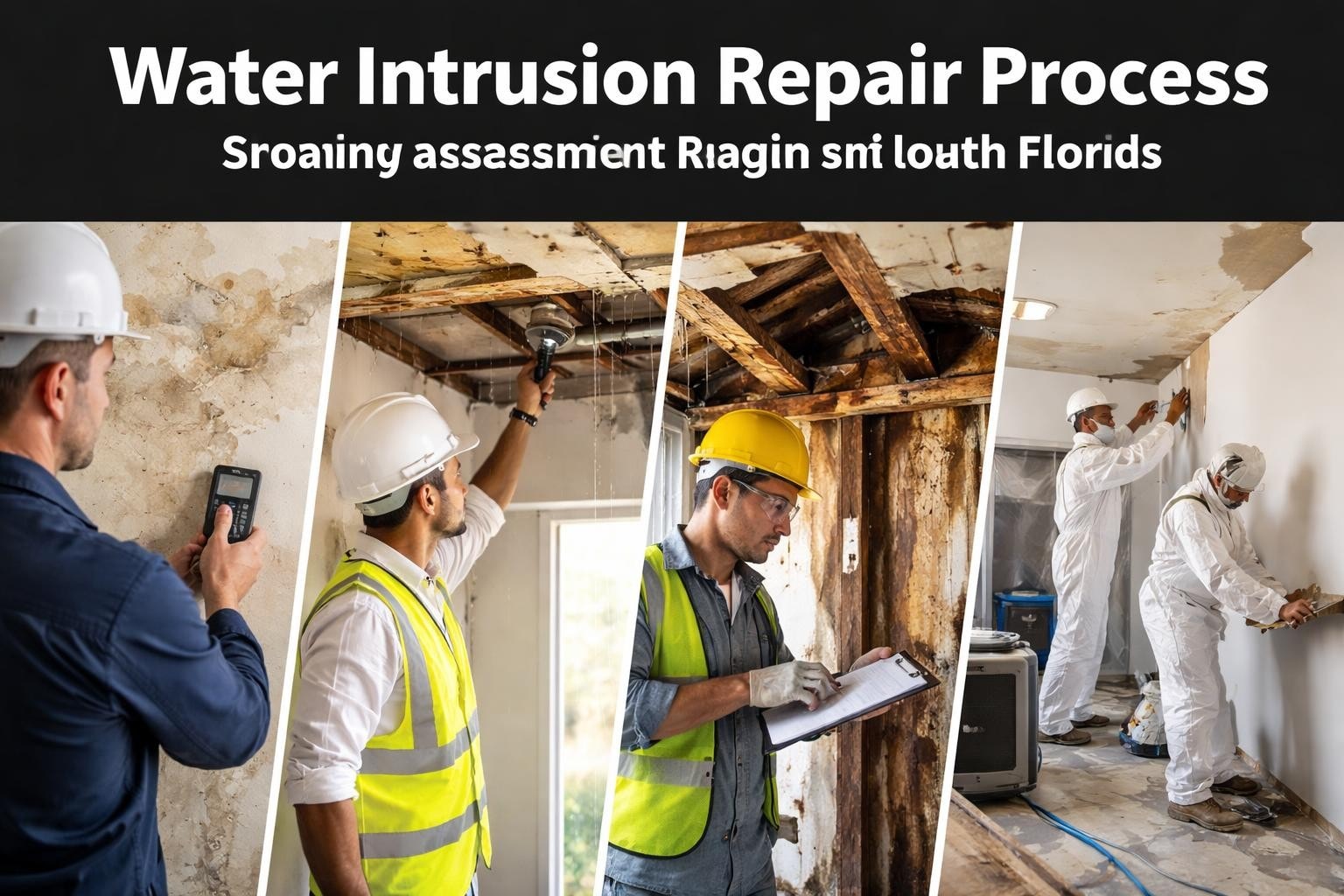
Water damage represents one of the most persistent and costly challenges facing property owners in South Florida. With the region's intense rainfall, high humidity, and proximity to coastal environments, buildings face constant exposure to moisture that can compromise structural integrity, create health hazards, and reduce property values. Understanding water intrusion repair is essential for anyone responsible for maintaining commercial or residential properties, especially those undergoing milestone building recertification or routine inspections.
Understanding Water Intrusion in South Florida Buildings
Water intrusion occurs when moisture penetrates a building's envelope through various pathways, creating damage that ranges from superficial staining to severe structural deterioration. The University of Florida's Environmental Health & Safety department outlines common sources including roof leaks, foundation cracks, and plumbing failures that compromise indoor environmental quality.
South Florida's unique climate intensifies these challenges:
- Tropical storms and hurricanes generate extreme water volume
- Year-round humidity promotes condensation issues
- Salt air accelerates material degradation
- Aging infrastructure in coastal communities
- High water tables affecting foundation systems
The consequences extend beyond visible water damage. Moisture creates ideal conditions for mold growth, deteriorates concrete and steel reinforcement, damages electrical systems, and undermines the structural elements that milestone building recertification inspections are designed to evaluate.
Primary Sources of Building Water Intrusion
American Management Resources Corporation emphasizes the importance of accurate source identification to prevent recurring issues. Water intrusion repair cannot succeed without understanding where moisture originates.
| Intrusion Source | Common Indicators | Typical Building Areas |
|---|---|---|
| Roof systems | Ceiling stains, drips during rain | Top floors, penthouses |
| Window/door seals | Perimeter staining, frame damage | All floors, especially windward sides |
| Foundation issues | Ground-level moisture, floor damage | Basements, ground floors |
| Plumbing failures | Consistent wet spots, unexplained moisture | Bathrooms, kitchens, utility areas |
| HVAC condensation | Localized dampness, equipment areas | Mechanical rooms, ceiling plenums |
Identifying the precise entry point requires systematic investigation that combines visual assessment, moisture mapping, and often invasive testing. Forensic water intrusion investigations use advanced diagnostic tools to trace moisture pathways through building assemblies.
Detection Methods and Diagnostic Approaches
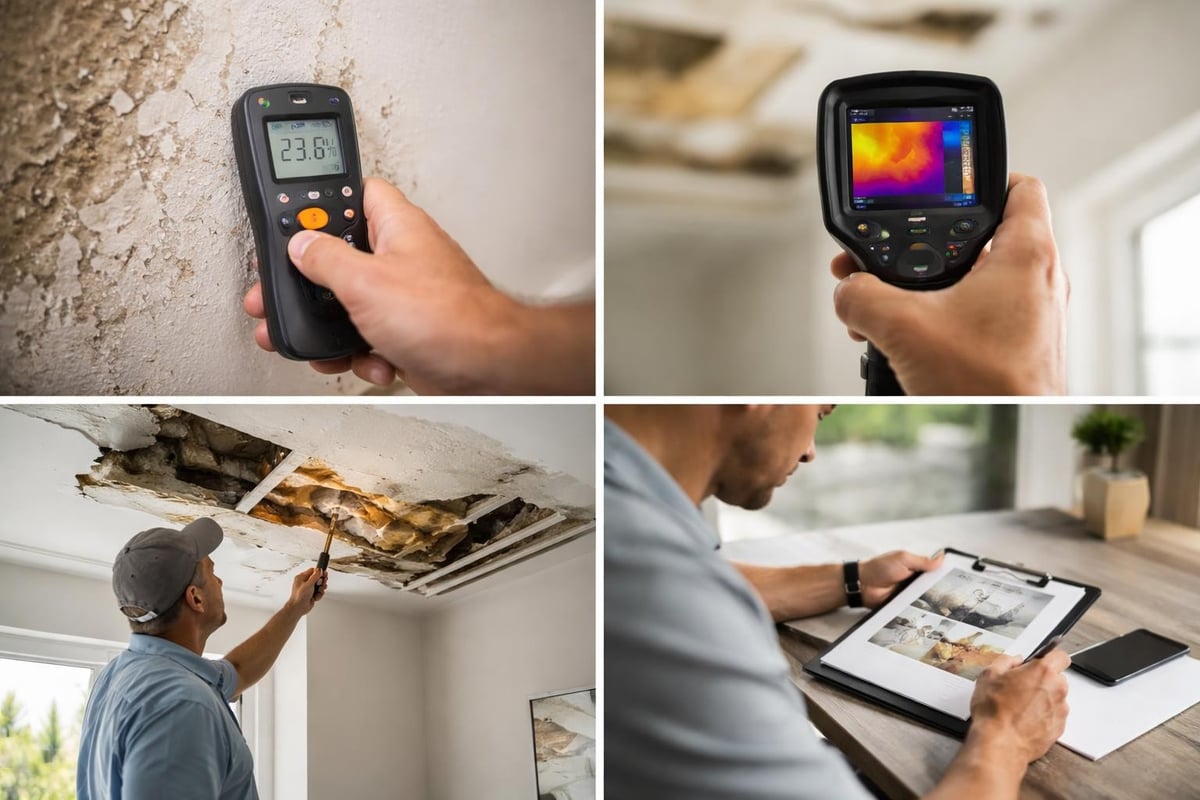
Early detection dramatically reduces water intrusion repair costs and prevents secondary damage. Moisture Master Pros emphasizes that early identification prevents extensive damage that can compromise entire building systems.
Professional assessments employ multiple diagnostic techniques:
- Visual inspection identifies obvious signs like staining, efflorescence, or material deterioration
- Moisture meters quantify water content in building materials
- Thermal imaging reveals temperature differences indicating hidden moisture
- Humidity monitoring tracks environmental conditions promoting condensation
- Invasive testing confirms moisture presence behind finishes
Reading the Warning Signs
Property managers and association boards should watch for these indicators:
- Dark spots or staining on ceilings and walls
- Peeling paint or bubbling wallpaper
- Musty odors suggesting mold growth
- Visible mold or mildew patches
- Warped flooring or baseboards
- White crystalline deposits (efflorescence) on concrete
- Increased pest activity attracted to moisture
Water intrusion repair becomes more complex when damage remains undetected for extended periods. What begins as minor surface moisture can migrate through building assemblies, saturating insulation, corroding reinforcement steel, and creating conditions for biological growth.
Water Intrusion Repair Strategies and Techniques
Effective water intrusion repair addresses both immediate damage and underlying causes. Cissell Investigative Engineering highlights that preventing ongoing problems requires identifying and eliminating moisture sources, not just treating symptoms.
Comprehensive repair programs include:
- Source elimination and weatherproofing
- Structural damage assessment and repair
- Material replacement and restoration
- Moisture barrier installation
- Drainage system improvements
Concrete and Structural Repairs
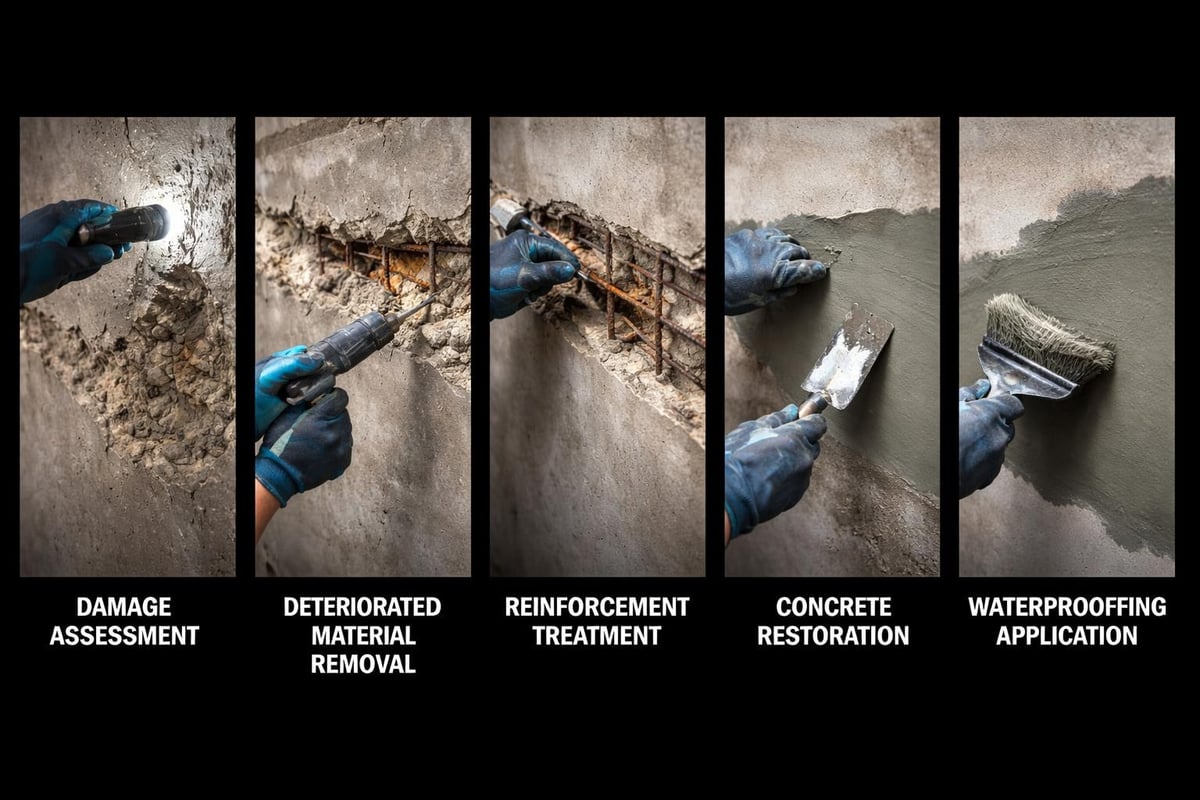
South Florida buildings frequently require concrete restoration and structural repairs addressing water intrusion damage. Moisture penetration causes concrete spalling, reinforcement corrosion, and structural capacity reduction.
CJGeo Contractors detail several specialized techniques for water intrusion repair in concrete structures:
- Crack injection using epoxy or polyurethane to seal active leaks
- Grouting to fill voids and stabilize deteriorated areas
- Waterproofing membranes preventing future moisture penetration
- Rebar protection through coating or cathodic protection systems
- Concrete replacement for severely deteriorated sections
Water intrusion repair in concrete requires understanding the material's behavior. Concrete is porous and absorbs moisture through capillary action. Once water reaches embedded reinforcement steel, corrosion begins, expanding the steel and causing concrete to crack and spall in a progressive deterioration cycle.
Building Envelope Repairs
The building envelope represents the primary defense against water intrusion. Repair strategies vary based on the specific failure point.
| Envelope Component | Common Failures | Repair Approaches |
|---|---|---|
| Roofing systems | Membrane damage, flashing failures | Patching, re-sealing, full replacement |
| Windows/doors | Seal deterioration, improper installation | Re-caulking, flashing repair, unit replacement |
| Walls/cladding | Crack development, joint failure | Sealant renewal, panel replacement, coating |
| Balconies/decks | Waterproofing breakdown, drainage issues | Membrane replacement, slope correction, drain upgrades |
| Foundation | Crack formation, hydrostatic pressure | Injection repair, exterior waterproofing, drainage improvement |
Emergency roofing repairs become necessary when water intrusion compromises interior spaces. South Florida's storm season demands rapid response to prevent cascading damage throughout building systems.
Prevention and Long-Term Protection
While water intrusion repair addresses existing damage, prevention strategies protect against future problems. Bobcat Home Inspector provides insights into recognizing early warning signs that enable proactive intervention.
Preventive Maintenance Programs
Structured maintenance schedules significantly reduce water intrusion incidents:
- Quarterly exterior inspections checking seals, flashing, and drainage
- Annual roof assessments identifying wear before leaks develop
- Bi-annual HVAC maintenance preventing condensation issues
- Regular plumbing system checks catching failures early
- Storm preparation protocols securing vulnerable areas before severe weather
Bessemeter's guide to prevention emphasizes that fixing existing issues without implementing prevention measures merely postpones the next water intrusion repair cycle.
Key prevention strategies include:
- Installing and maintaining proper drainage systems
- Applying protective coatings to vulnerable surfaces
- Upgrading weatherproofing at building penetrations
- Ensuring adequate ventilation to control humidity
- Implementing regular seal and joint maintenance
- Managing landscaping to direct water away from foundations
Integration with Building Recertification
For properties approaching their 40-year building recertification milestones, water intrusion repair often becomes a critical compliance requirement. Inspectors specifically evaluate building envelopes, structural integrity, and moisture-related deterioration.
Understanding 40-year recertification costs requires accounting for potential water intrusion repair needs identified during structural inspections. Properties with deferred maintenance often face extensive repair requirements when moisture damage has progressed undetected.
Professional Assessment and Engineering Analysis
Complex water intrusion situations require professional engineering evaluation. Construction witness experts discuss how identifying faulty construction practices, design deficiencies, and material failures requires specialized knowledge.
When to Engage Professionals
Certain situations demand professional water intrusion repair expertise:
- Recurring problems despite previous repairs
- Extensive damage affecting structural elements
- Unknown or multiple moisture sources
- Mold contamination requiring remediation
- Insurance claims or legal proceedings
- Building recertification requirements
- Complex building systems involvement
Structural engineering design and analysis becomes essential when water intrusion compromises load-bearing elements. Engineers evaluate damage extent, determine repair strategies, and provide stamped drawings required for permit approval.
Coordinating Multi-Discipline Repairs
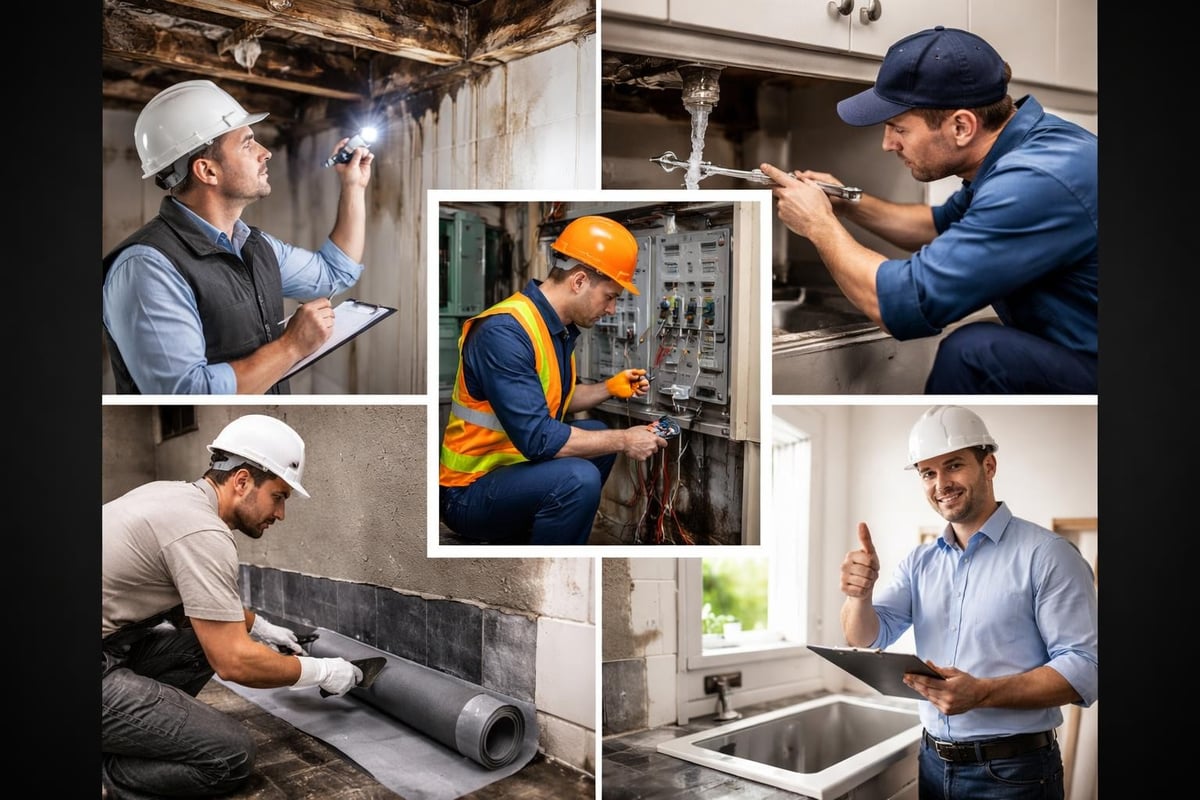
Water intrusion repair frequently requires coordinating multiple trades:
- Structural engineers assess and design repairs
- Licensed contractors execute restoration work
- Plumbers address supply and drainage issues
- Electricians repair damaged electrical systems
- Waterproofing specialists install protective barriers
- Mold remediation experts handle contamination
Electrical system upgrades and repairs become necessary when moisture reaches electrical panels, conduits, or fixtures. Water and electricity create immediate safety hazards requiring rapid professional response.
Cost Factors and Financial Planning
Water intrusion repair costs vary dramatically based on damage extent, accessibility, and required interventions. Understanding cost drivers helps property managers and associations budget appropriately.
Primary Cost Determinants
Several factors influence total water intrusion repair expenses:
- Damage extent: Minor surface repairs versus structural restoration
- Accessibility: Easy access versus high-rise or confined spaces
- Materials: Standard versus specialty waterproofing systems
- Permits: Engineering requirements and inspection fees
- Timeline: Emergency repairs versus planned maintenance
- Testing: Diagnostics, moisture mapping, and post-repair verification
| Repair Type | Typical Cost Range | Duration | Complexity |
|---|---|---|---|
| Seal/caulk replacement | $500-$3,000 | 1-3 days | Low |
| Minor concrete repair | $2,000-$10,000 | 1-2 weeks | Moderate |
| Balcony waterproofing | $5,000-$25,000 | 2-4 weeks | Moderate-High |
| Major structural repair | $25,000-$150,000+ | 1-3 months | High |
| Full envelope restoration | $100,000-$1,000,000+ | 3-12 months | Very High |
Financial planning for recertification should include contingencies for water intrusion repair needs discovered during mandatory inspections. Many buildings require significant investment in deferred maintenance items.
Reserve Study Implications
Structural Integrity Reserve Studies (SIRS) help associations plan for major repairs including water intrusion repair projects. These studies identify necessary reserves for building envelope maintenance, concrete restoration, and other capital improvements affected by moisture intrusion.
Regulatory Compliance and Code Requirements
Water intrusion repair in South Florida must comply with stringent building codes addressing structural safety, waterproofing standards, and material specifications. Florida Building Code establishes minimum requirements for weather resistance, drainage, and moisture protection.
Permit and Inspection Requirements
Most water intrusion repair projects require permits and inspections:
- Building permits for structural modifications
- Electrical permits for system repairs
- Plumbing permits for pipe work
- Engineering letters for significant repairs
- Final inspections confirming code compliance
Violation and unsafe structure resolution services help property owners address code enforcement issues stemming from water damage. Municipalities issue violations when moisture-related deterioration creates safety hazards or code violations.
Working with licensed professionals ensures water intrusion repair meets all regulatory requirements. Engineers provide stamped drawings, contractors pull appropriate permits, and inspectors verify compliant installation.
Impact on Property Values and Operations
Unresolved water intrusion significantly impacts property values, marketability, and operational costs. Prospective buyers and tenants recognize moisture problems as serious deficiencies affecting structural integrity and livability.
Financial impacts include:
- Decreased property values due to visible damage
- Higher insurance premiums from claims history
- Increased utility costs from HVAC overwork
- Tenant turnover and vacancy losses
- Emergency repair expenses
- Liability exposure from slip hazards or health issues
Proactive water intrusion repair protects property values while demonstrating responsible ownership. Buildings with documented maintenance histories and resolved moisture issues command premium prices compared to properties with deferred maintenance.
Special Considerations for High-Rise Buildings
High-rise structures face unique water intrusion repair challenges requiring specialized approaches. Building height, wind exposure, and complex building systems complicate both diagnosis and repair.
Unique High-Rise Challenges
Vertical buildings experience specific moisture-related issues:
- Wind-driven rain penetrates at higher velocities than ground-level buildings
- Stack effect creates pressure differentials drawing moisture through small openings
- Facade access requires expensive swing stages or rappelling systems
- Occupied building logistics complicate repair scheduling
- System interconnection means problems spread between floors
High-rise water intrusion repair often requires engineering analysis to determine appropriate access methods, temporary protection during repairs, and phasing to minimize occupant disruption. Structural engineering services evaluate facade systems, balcony structures, and building envelope performance.
Water intrusion repair protects South Florida properties from moisture-related deterioration that compromises structural integrity, creates health hazards, and reduces property values. Successful remediation requires accurate source identification, appropriate repair techniques, and preventive maintenance strategies that address the region's challenging climate. Whether your property needs emergency response, recertification compliance, or comprehensive restoration, Souffront Construction and Engineering delivers the expertise, professional licensing, and code-conscious solutions South Florida property owners trust for lasting protection against water intrusion damage.