Structural Engineering Services South Florida Guide
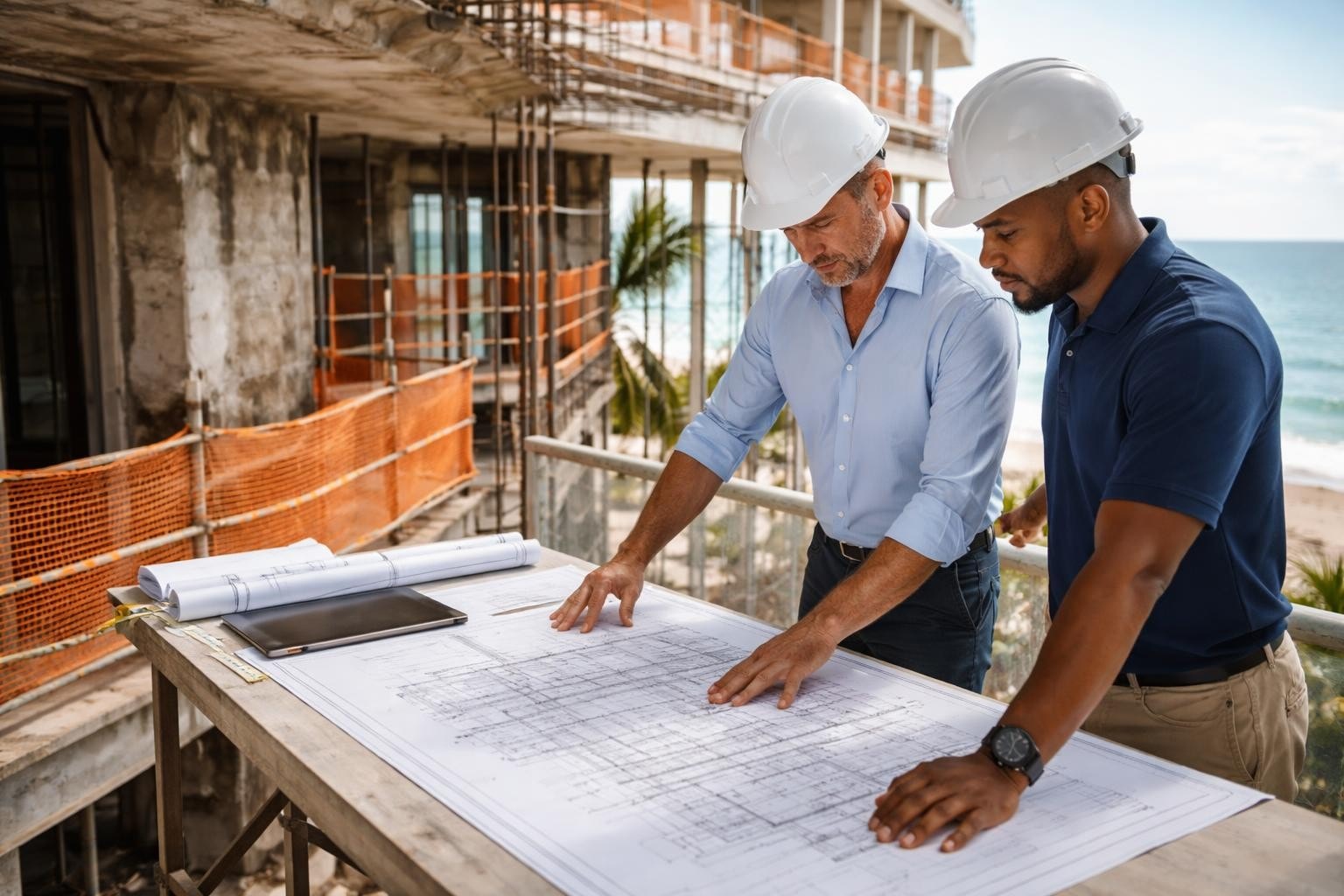
South Florida's unique coastal environment creates distinct challenges for building owners and property managers. Salt air exposure, hurricane-force winds, and aging infrastructure demand specialized expertise to ensure buildings remain safe and compliant with evolving codes. Whether you're managing a condominium tower in Miami-Dade, a commercial property in Broward County, or preparing for milestone recertification, understanding how to evaluate and select structural engineering services south florida providers becomes critical for protecting your investment and ensuring occupant safety.
Understanding Structural Engineering Services in South Florida's Context
Structural engineering services south florida encompasses far more than simple calculations and blueprints. The region's climate, soil conditions, and regulatory environment create unique demands that general engineering firms elsewhere might not fully understand.
What Makes South Florida Structural Engineering Different
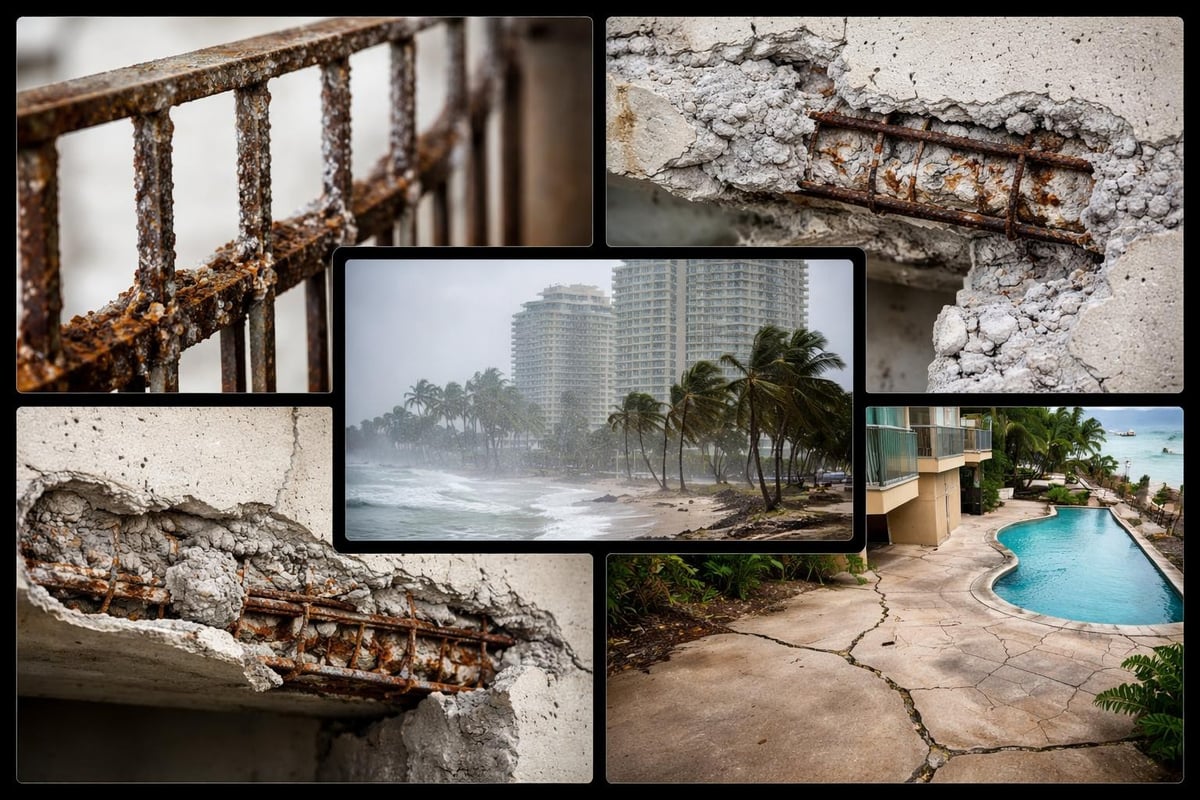
The coastal environment subjects buildings to accelerated corrosion of reinforcing steel, concrete degradation from chloride intrusion, and structural loading from hurricanes. Professional structural engineers in this region must account for:
- Wind load requirements exceeding most other U.S. regions
- Corrosion protection strategies for saltwater exposure
- Foundation considerations for variable soil conditions including limestone and organic soils
- Flood elevation requirements in FEMA-designated zones
- Thermal expansion calculations for extreme temperature fluctuations
These factors mean that selecting structural engineering services south florida requires verifying the firm's specific regional experience, not just general credentials.
Core Services Structural Engineers Provide
When evaluating providers, understand the full spectrum of services available. Most comprehensive firms offer integrated solutions rather than isolated assessments.
Assessment and Investigation Services:
- Visual and invasive structural inspections
- Load capacity evaluations for renovations or equipment additions
- Forensic investigations for structural failures or distress
- Water intrusion investigations identifying moisture pathways
Design and Engineering Services:
- Structural repair design and specifications
- New construction structural systems
- Seismic retrofitting for critical facilities
- Foundation design and remediation
- Structural engineering design analysis repair for existing buildings
Regulatory Compliance Services:
- Milestone building recertification inspections required by local ordinances
- Code compliance reviews and updates
- Permit-ready construction documents
- Violation resolution engineering
Navigating South Florida's Recertification Requirements
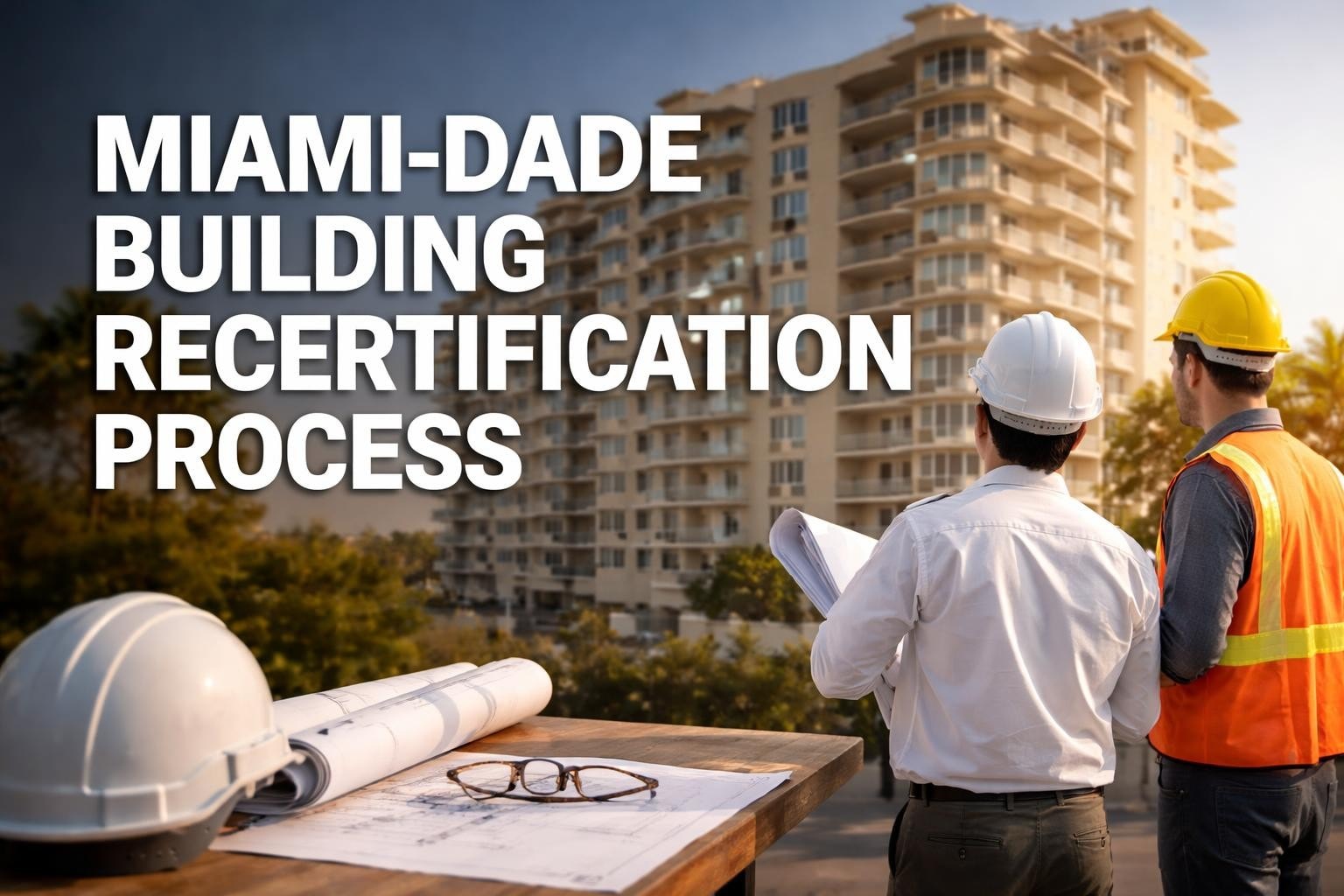
Following the Surfside tragedy in 2021, Florida jurisdictions dramatically strengthened building recertification programs. These enhanced requirements make structural engineering services south florida essential for property owners throughout the region.
Understanding Milestone Inspection Timelines
Different municipalities have established varying thresholds, but most coastal communities now require comprehensive structural inspections at specific building ages. Miami-Dade County's recertification program serves as a model many other jurisdictions have adopted or referenced.
Municipality
First Inspection
Subsequent Inspections
Coastal Building Timeline
Miami-Dade County
30 years
Every 10 years
25 years for coastal structures
Broward County
30 years
Every 10 years
Varies by city
30 years
Every 10 years
Enhanced coastal requirements
30 years
Every 10 years
Stricter coastal provisions
Property owners in coastal zones face accelerated timelines. Buildings within 3,000 feet of the coastline may require their first inspection at 30 years instead of 40 years, recognizing the heightened exposure to corrosive environments.
The Recertification Inspection Process
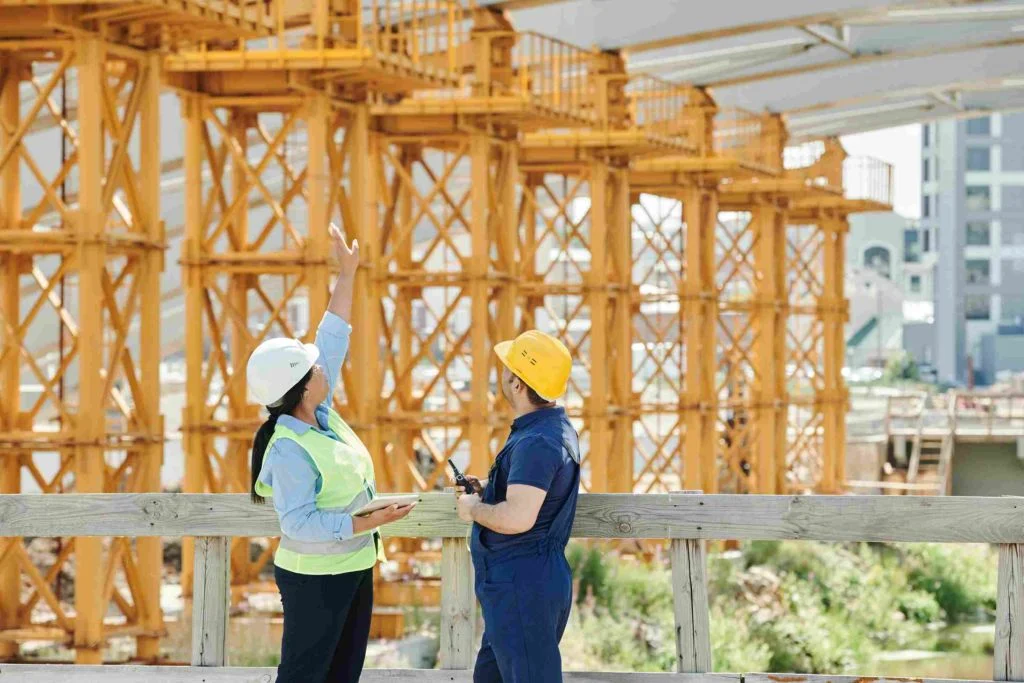
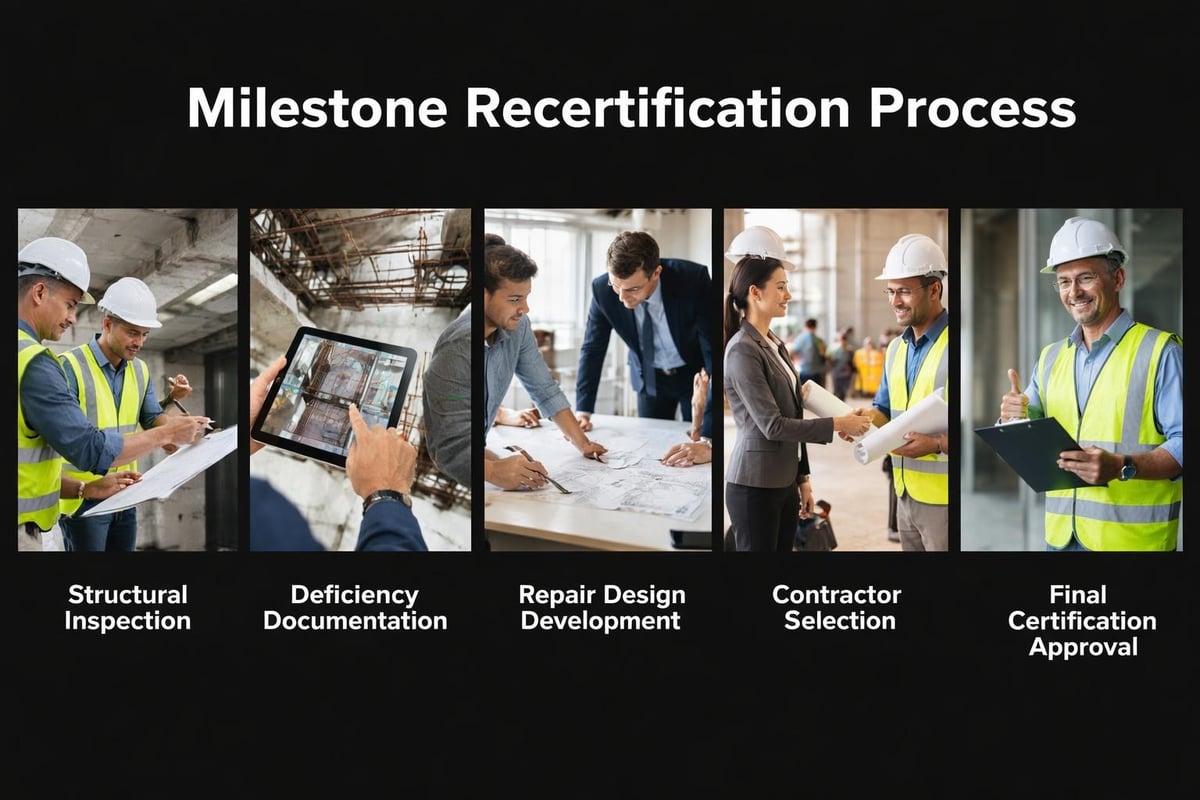
Milestone inspections involve two distinct components: structural assessment and electrical system evaluation. The structural portion requires licensed engineers to evaluate all load-bearing components, including foundations, columns, beams, slabs, walls, and roof structures.
- Initial visual inspection of all accessible structural elements
- Invasive testing when visual observation suggests potential problems
- Material testing through concrete coring, rebar scanning, and laboratory analysis
- Structural calculations verifying adequacy for current code requirements
- Comprehensive reporting documenting findings and required repairs
- Repair design for any deficiencies identified
- Post-repair certification confirming work completion
The Surfside Working Group recommendations emphasize that these inspections must be thorough, not merely superficial reviews. Engineers must investigate concealed conditions and perform invasive testing when warranted by visual observations or building age.
Common Structural Issues Discovered During Recertification
Through thousands of recertification inspections, certain patterns emerge consistently across South Florida properties. Understanding these common deficiencies helps property managers budget appropriately.
Concrete deterioration ranks as the most frequent finding, particularly in parking structures, balconies, and pool decks where water exposure accelerates degradation. Chloride contamination from saltwater reaches the reinforcing steel, causing expansion that cracks and spalls the surrounding concrete.
Foundation settlement appears frequently in older buildings constructed before modern soil investigation requirements. Differential settlement creates cracks in walls, distress in structural frames, and serviceability problems like doors that won't close properly.
Corrosion of embedded metals extends beyond reinforcing steel to include post-tensioning cables, structural steel connections, and embedded anchors. In coastal environments, these elements deteriorate faster than engineering standards anticipated when buildings were designed decades ago.
Selecting the Right Structural Engineering Provider
Not all engineering firms possess equal capabilities for addressing South Florida's specific challenges. Property owners need a systematic approach to evaluating potential providers.
Essential Qualifications and Experience
Start by verifying fundamental credentials, then dig deeper into relevant project experience. The right structural engineering services south florida provider should demonstrate:
- Active Florida PE license for all engineers signing and sealing documents
- Professional liability insurance with limits appropriate to project scope
- Local jurisdiction experience with permit processes in your specific municipality
- Coastal construction expertise documented through completed projects
- Recertification specialization if that's your primary need
Request examples of similar projects, particularly those in your geographic area. An engineer with extensive Miami-Dade experience brings valuable knowledge about local building department expectations and inspector preferences.
Evaluating Communication and Responsiveness
Technical competence alone doesn't ensure project success. The engineering firm must communicate effectively with all stakeholders, including property managers, board members, contractors, and building officials.
During initial consultations, assess how clearly the firm explains technical concepts. Can they translate engineering findings into understandable language for non-technical decision makers? Do they provide clear cost estimates and realistic timelines?
Red flags to watch for:
- Reluctance to visit the site before proposing fees
- Generic proposals lacking project-specific details
- Unwillingness to discuss their approach to investigations
- Absence of references from similar projects
- Inability to explain how they handle unexpected findings
Understanding Fee Structures and Cost Factors
Structural engineering services south florida pricing varies considerably based on project complexity, building size, and investigation requirements. Most firms use one of several billing approaches.
Fee Structure
Best For
Typical Range
Considerations
Fixed Fee
Standard recertifications
$3,000 - $15,000+
Clear scope required
Hourly Rate
Forensic investigations
$150 - $300/hour
Can exceed budgets
Percentage
New construction
1-3% of construction
Varies with complexity
Retainer
Ongoing consulting
Monthly fixed amount
Long-term relationships
For milestone building inspections, most firms provide fixed fee proposals after conducting a preliminary site visit. This approach protects both parties by defining expectations upfront while allowing adjustments if significant hidden conditions emerge during invasive testing.
Coordinating Engineering with Construction and Repairs
Structural assessment identifies problems, but resolving deficiencies requires coordinating engineering design with qualified construction services. This integration proves critical for successful outcomes.
The Engineering-Construction Interface
Effective structural engineering services south florida providers understand that their recommendations must be constructible, cost-effective, and minimally disruptive to occupants. The best firms work collaboratively with construction teams rather than simply throwing designs over the wall.
This collaboration begins during the investigation phase. Experienced engineers consider repair feasibility while developing their assessment, often consulting with contractors about access limitations, staging requirements, and cost-effective solutions before finalizing recommendations.
Design documents should include:
- Clear repair details showing specific methodologies
- Material specifications referencing current standards
- Sequencing requirements for phased work
- Quality control testing frequencies
- Acceptance criteria for completed work
When firms offer both engineering and concrete restoration services, coordination improves significantly. The engineers understand their own designs intimately and can make field adjustments efficiently when unexpected conditions arise.
Permit and Approval Processes
All structural repairs require building permits, and permit approval depends on proper engineering documentation. The quality of construction documents directly affects permit processing time and inspection outcomes.
Structural engineering services south florida must produce permit-ready drawings and specifications that satisfy local building department requirements. This includes:
- Sealed engineering drawings showing existing conditions and proposed repairs
- Structural calculations demonstrating code compliance
- Product specifications for materials and repair systems
- Special inspections documentation identifying required testing
- Contractor qualifications when specialized work requires certified applicators
Working with firms experienced in local permit processes accelerates approvals and reduces revision cycles. Engineers familiar with Homestead's building recertification requirements or Tampa's milestone inspection procedures navigate these processes more efficiently than firms unfamiliar with specific jurisdictional requirements.
Specialized Engineering Services for Specific Building Types
Different property types present unique structural challenges requiring specialized knowledge and experience within structural engineering services south florida.
High-Rise Condominiums and Mixed-Use Buildings
Tall buildings face extraordinary structural demands from wind loading, long-span floor systems, and concentrated gravity loads. Post-tensioned concrete slabs, commonly used in these structures, require specialized inspection techniques and repair methodologies.
Critical evaluation areas include:
- Post-tensioning cable condition and anchorage integrity
- Transfer beam capacity where columns shift locations
- Shear wall adequacy for lateral loads
- Parking structure deterioration from vehicle exposure
- Balcony connections and cantilever support
Engineers evaluating these structures need experience with specialized investigation tools like ground-penetrating radar for locating post-tensioning tendons and infrared thermography for identifying delaminated concrete.
Waterfront and Coastal Properties
Buildings near water face accelerated deterioration from chloride exposure. Structural engineering services south florida for these properties must account for elevated corrosion rates and more aggressive repair strategies.
Seawalls, docks, and marine structures add another layer of complexity. These elements require engineers with specific expertise in marine construction, tidal loading, scour protection, and corrosion-resistant design. Understanding how saltwater intrusion affects foundation systems becomes critical for long-term structural integrity.
Commercial and Industrial Facilities
Warehouses, retail centers, and industrial buildings often support heavy equipment loads not originally contemplated in their design. Structural evaluations for these properties focus on load capacity verification and strengthening strategies to accommodate changing uses.
Roof structural assessments gain importance for commercial properties, especially when adding HVAC equipment, solar panels, or rooftop amenities. Engineers must verify adequate capacity for new loads while considering wind uplift resistance and attachment details.
Integrating Additional Professional Services
Comprehensive building evaluations often require coordinating structural engineering with other specialized disciplines. Understanding how these services integrate ensures complete property assessments.
Electrical Engineering Coordination
Recertification programs require both structural and electrical assessments. Electrical engineering system design audits evaluate service capacity, panel condition, grounding systems, and life safety equipment.
Coordinating both assessments through a single provider streamlines scheduling, reduces costs, and ensures consistent reporting. When structural repairs affect electrical systems, integrated engineering prevents coordination gaps that delay projects.
Geotechnical Engineering Integration
Foundation problems require geotechnical engineering investigations to determine soil conditions and appropriate repair strategies. This becomes particularly important when structural assessments reveal settlement, cracking patterns suggesting foundation movement, or evidence of sinkhole activity.
Soil borings, standard penetration testing, and laboratory analysis provide data necessary for designing foundation repairs. Structural engineers incorporate these findings into repair specifications, ensuring solutions address root causes rather than symptoms.
Reserve Study Coordination
Florida's new Structural Integrity Reserve Study (SIRS) requirements mandate detailed analysis of structural component condition and remaining useful life. These studies support long-term financial planning for condominium associations and cooperatives.
Integrating SIRS documentation with milestone recertification inspections avoids duplicative efforts and provides comprehensive data for both regulatory compliance and capital planning. Engineers performing both services deliver consistent findings across all reporting requirements.
Proactive Maintenance and Ongoing Engineering Support
Rather than waiting for mandatory recertification deadlines, forward-thinking property managers engage structural engineering services south florida for preventive assessments and maintenance planning.
Benefits of Proactive Structural Assessments
Early identification of deterioration allows planned repairs during optimal weather windows, competitive bidding processes, and orderly project execution. Emergency repairs discovered during mandatory inspections often require rushed schedules, premium contractor pricing, and disruptive construction timelines.
Proactive assessment advantages:
- Budget predictability through advance notice of needed repairs
- Contractor selection flexibility without emergency premium pricing
- Scheduling control to minimize occupant disruption
- Incremental repairs spreading costs over multiple budget cycles
- Enhanced property values from well-maintained structures
Regular structural health monitoring programs establish baseline conditions and track deterioration rates. This data informs maintenance planning and supports capital budgeting with objective evidence rather than estimates.
Developing Long-Term Engineering Relationships
Many property managers establish ongoing relationships with structural engineering services south florida providers for continuous support. This approach provides several advantages beyond individual project engagements.
Retained engineers develop intimate knowledge of your building's history, construction details, and unique challenges. They become trusted advisors who understand your priorities, budget constraints, and operational limitations. When issues arise, they respond quickly with context-informed recommendations rather than starting from zero.
Annual inspection programs identify problems early, document conditions for insurance and legal purposes, and demonstrate proactive maintenance to regulatory authorities. These services typically cost less than emergency investigations while providing greater value through continuity.
Emergency Response and Urgent Structural Issues
Despite preventive efforts, structural emergencies occur. Hurricane damage, unexpected failures, and safety violations require immediate engineering response from qualified professionals.
When to Seek Emergency Structural Engineering
Certain conditions demand immediate professional evaluation to protect occupants and limit liability exposure. Contact structural engineering services south florida immediately when observing:
- Visible structural damage including major cracks, deflections, or separations
- Building movement such as tilting walls or settlement
- Material failures like falling concrete, exposed rebar, or spalling
- Load-bearing element distress in columns, beams, or bearing walls
- Foundation problems including significant cracking or differential settlement
- Unsafe conditions identified by building officials or code enforcement
Engineers providing emergency response services understand urgency and prioritize rapid site visits, preliminary assessments, and temporary shoring or stabilization recommendations. Their reports support insurance claims and provide documentation for regulatory filings.
Violation Resolution Engineering
Building code violations require professional engineering to develop compliant solutions. Whether addressing unsafe structure notices or correcting unpermitted work, qualified engineers navigate regulatory requirements while designing cost-effective corrections.
Violation resolution demands understanding both current codes and the standards in effect when buildings were constructed. Engineers must determine whether repairs can meet current requirements or if grandfathered conditions apply, balancing safety with practical feasibility.
Making Informed Decisions About Structural Engineering Services
Property owners and managers facing structural assessments or recertification requirements need confidence in their engineering provider selection. Consider this systematic approach to evaluation and engagement.
Questions to Ask Potential Engineering Firms
Prepare specific questions addressing your project needs and concerns. Effective questions reveal both technical capabilities and service approach.
Technical capability questions:
- How many similar projects have you completed in the past two years?
- Who specifically will perform the site investigation and sign the reports?
- What investigation methods do you recommend for our building type and age?
- How do you handle unexpected findings that exceed original scope?
Process and communication questions:
- What is your typical timeline from engagement to final report?
- How do you communicate findings to non-technical stakeholders?
- What level of contractor coordination do you provide during repairs?
- Do you offer construction observation services?
Business practice questions:
- What is your fee structure and what does it include?
- How do you handle change orders or scope modifications?
- What are your insurance coverage limits?
- Can you provide references from similar projects?
Understanding Your Rights and Responsibilities
Property owners have both rights and obligations when engaging structural engineering services south florida. Understanding these creates productive professional relationships.
You have the right to expect professional service meeting applicable standards of care, clear communication about findings and recommendations, and deliverables within agreed timelines and budgets. Engineers must maintain confidentiality, provide objective assessments free from conflicts of interest, and stand behind their work.
Your responsibilities include providing complete information about the building's history, granting reasonable access for investigations, responding promptly to questions and requests, and compensating the engineer according to agreed terms. Withholding information about known problems or previous repairs compromises the assessment and may invalidate the engineer's conclusions.
Budgeting for Structural Engineering and Related Repairs
Financial planning for structural assessments and repairs requires understanding both immediate costs and potential downstream expenses. Financial planning guidance helps associations and property managers prepare adequate reserves.
Engineering fees typically represent 5-10% of total project costs, with the remainder allocated to construction. However, this ratio varies significantly based on repair complexity. Simple concrete patching might have lower engineering ratios, while complex structural strengthening requires more extensive design effort.
Budget contingencies prove essential. Most experienced property managers add 15-25% contingency for structural projects, recognizing that concealed conditions frequently reveal additional problems once invasive work begins. This contingency prevents project delays when unexpected findings require scope modifications.
Selecting appropriate structural engineering services in South Florida requires understanding regional challenges, regulatory requirements, and the integration between engineering assessment and construction execution. Property owners who invest time in evaluating providers, asking informed questions, and establishing proactive maintenance programs protect their assets while ensuring occupant safety and regulatory compliance. Whether preparing for milestone recertification, addressing emergency conditions, or planning preventive maintenance, Souffront Construction and Engineering provides comprehensive structural engineering, inspection, and construction services throughout South Florida, delivering permit-ready solutions backed by decades of regional experience and professional expertise.