Structural Contractors: Essential Guide for 2026
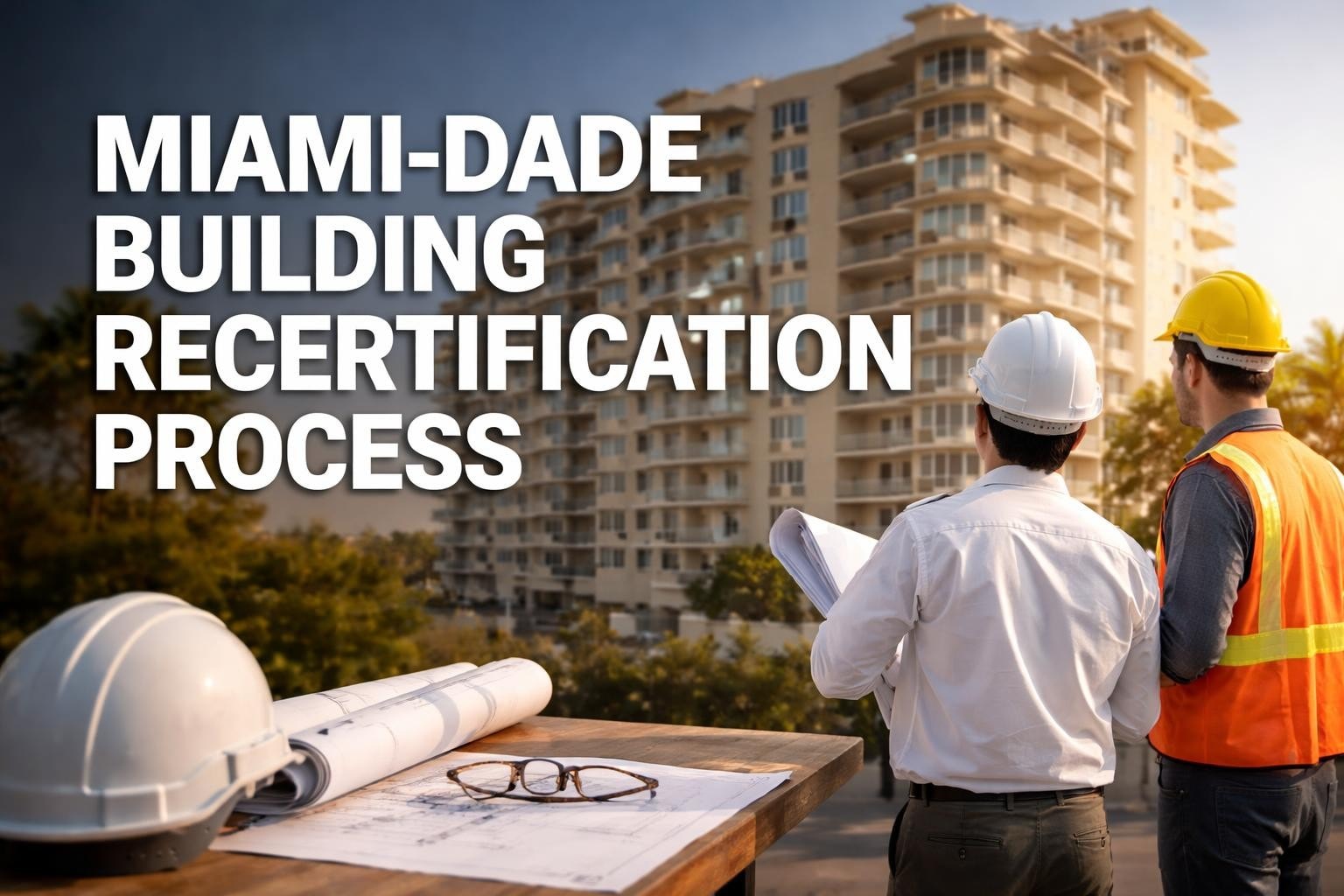
When your building shows signs of distress-cracks in concrete, water intrusion, or failing structural components-you need more than a general handyman. You need professionals who understand the engineering principles that keep buildings safe and the construction expertise to execute complex repairs correctly. Structural contractors bridge the gap between design and reality, ensuring that commercial and residential properties meet safety standards while maintaining their integrity for decades to come. In South Florida, where coastal conditions and strict building codes create unique challenges, selecting the right team can mean the difference between a compliant building and costly violations.
What Structural Contractors Actually Do
Structural contractors specialize in the physical framework that supports buildings-foundations, columns, beams, load-bearing walls, and reinforced concrete elements. Unlike general contractors who coordinate various trades, these specialists focus specifically on elements that carry structural loads and maintain building stability.
Their work encompasses several critical areas:
- Foundation repair and stabilization for buildings experiencing settlement or soil movement
- Concrete restoration including spalling repair, rebar replacement, and structural strengthening
- Load-bearing wall modifications when renovations require removing or altering structural elements
- Post-tensioned slab repairs common in multi-story residential and commercial buildings
- Seismic retrofitting to improve building resilience against natural forces
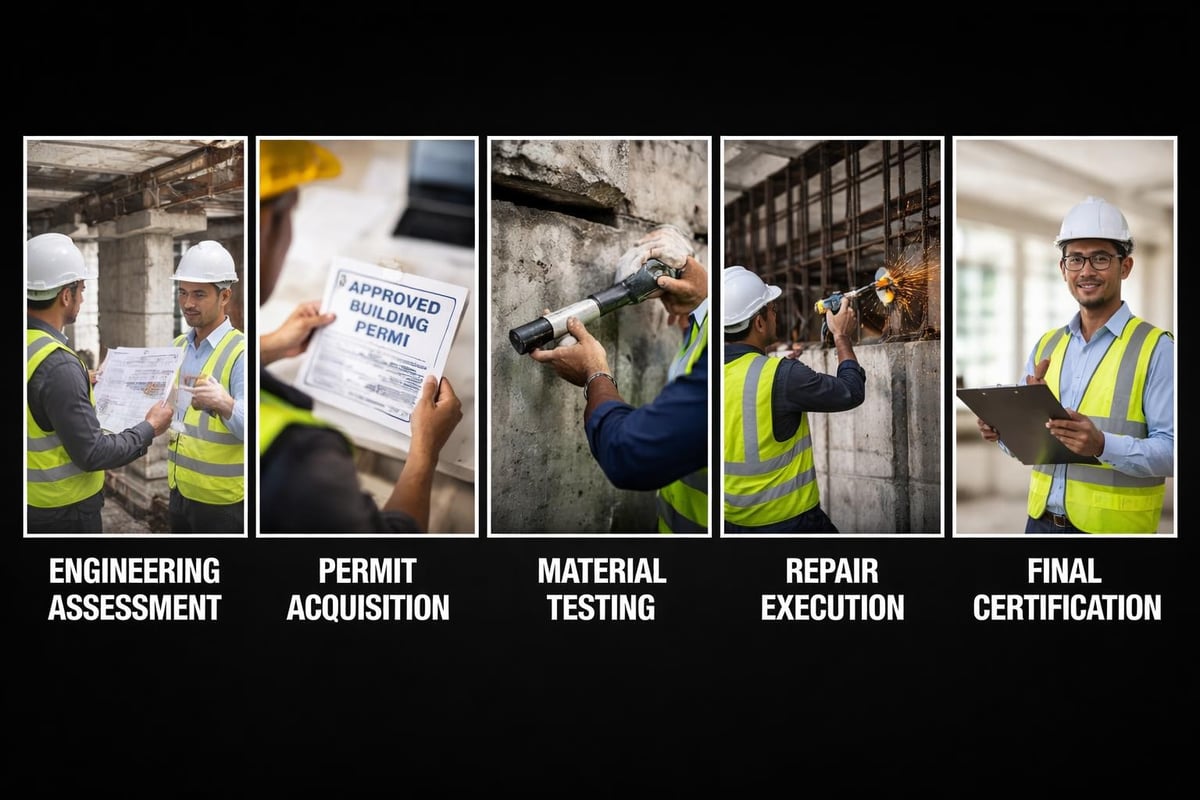
The scope extends beyond just fixing problems. Many structural contractors provide milestone building inspections required by Florida law, identifying issues before they become emergencies. This preventive approach saves property owners significant costs while ensuring continuous compliance with evolving safety standards.
Engineering Integration and Code Compliance
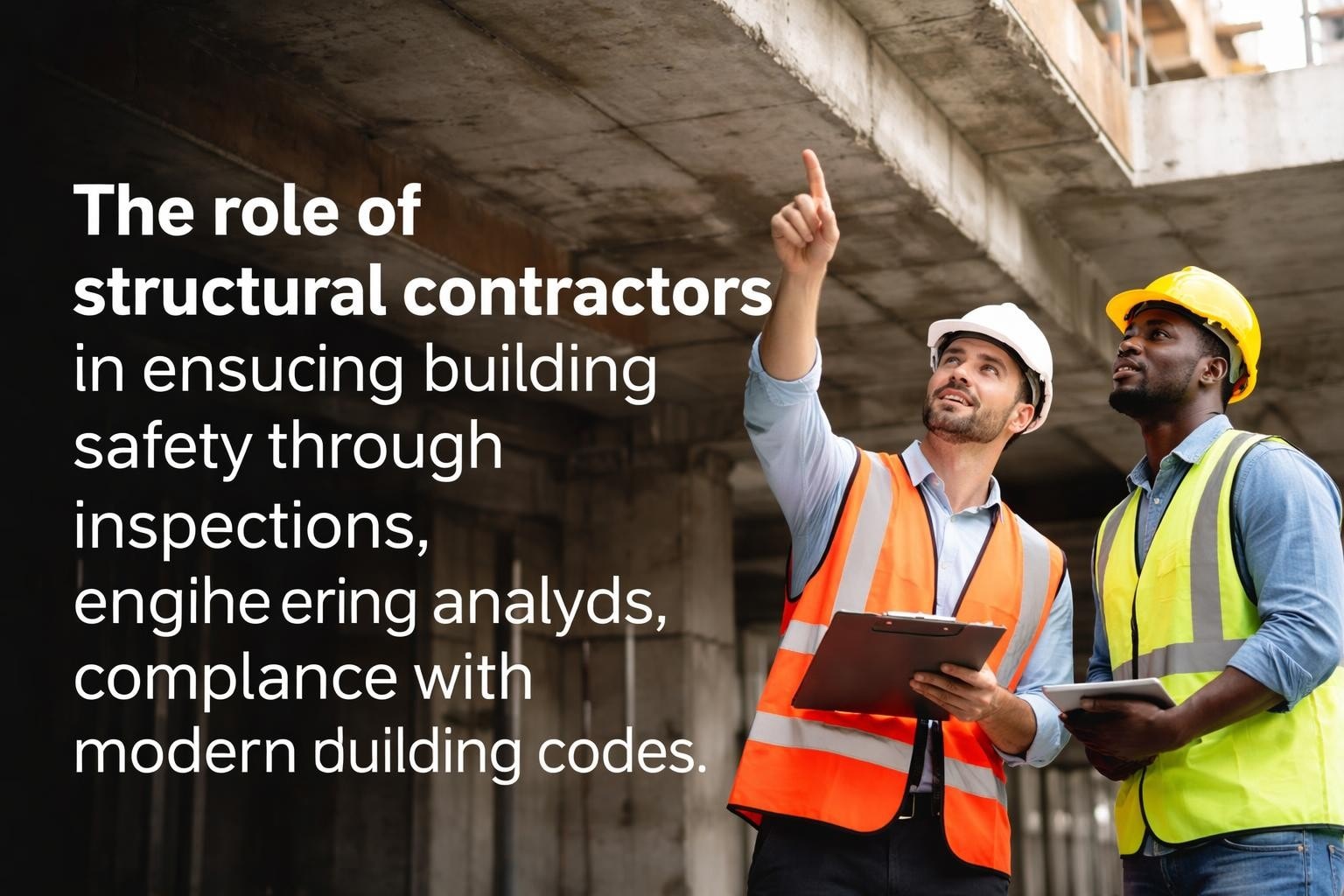
One defining characteristic of quality structural contractors is their integration with licensed structural engineers. While contractors execute the physical work, engineers provide the calculations, design modifications, and sealed drawings required for permits. Understanding construction industry compliance requirements ensures projects meet all regulatory obligations.
According to best practices in construction standards, this collaboration prevents the costly mistakes that occur when construction teams work without proper engineering oversight. In South Florida's regulatory environment, attempting structural work without engineered plans typically results in permit rejections and potential liability issues.
Choosing the Right Structural Contractor
The selection process requires more careful evaluation than hiring contractors for cosmetic work. The structural integrity of your building depends on choosing professionals with proven expertise and appropriate credentials.
| Qualification Factor | Why It Matters | What to Verify |
|---|---|---|
| Licensure | Legal requirement for structural work | State contractor license number and status |
| Insurance Coverage | Protection against project risks | General liability and workers' compensation |
| Engineering Relationships | Access to sealed engineering plans | Partnerships with licensed PE firms |
| Project Portfolio | Demonstrated capability | Similar projects completed successfully |
| Safety Record | Workplace practices and compliance | OSHA citations and safety protocols |
Beyond credentials, consider the contractor's familiarity with your specific building type. High-rise condominiums present different challenges than low-rise commercial buildings. Coastal properties require understanding of corrosion issues that inland structures rarely face.
Experience with Local Regulations
South Florida's building departments enforce some of the nation's strictest construction standards. Contractors experienced with local jurisdictions navigate the permitting process efficiently, understanding specific inspector preferences and documentation requirements that vary between municipalities.
When evaluating potential contractors, ask specific questions:
- How many similar projects have you completed in this jurisdiction?
- What engineering firms do you partner with for structural calculations?
- Can you provide references from recent projects with similar scope?
- What is your typical timeline from engineering to permit approval?
- How do you handle change orders when unforeseen conditions arise?
The answers reveal whether the contractor truly understands the complexities of structural work or simply claims capabilities they lack. Experienced professionals provide detailed responses backed by specific examples rather than vague assurances.
Common Structural Projects in South Florida
The coastal environment and aging building stock create recurring needs that structural contractors address throughout the region. Understanding these common scenarios helps property owners recognize when specialized expertise becomes necessary.
Concrete Spalling and Rebar Corrosion
Salt air accelerates concrete deterioration in South Florida. Water penetrates concrete, reaches embedded rebar, and causes corrosion that expands steel and fractures surrounding concrete. Left unaddressed, spalling progresses from cosmetic blemishes to structural compromise.
Professional concrete restoration involves removing damaged concrete, treating corroded rebar, applying corrosion inhibitors, and rebuilding with properly mixed and cured repair materials. The process requires precision-inadequate removal leaves corrosion to continue, while excessive removal unnecessarily weakens the structure.
Quality structural contractors approach spalling systematically:
- Conduct hammer surveys to map delaminated areas beyond visible damage
- Test core samples to verify concrete strength and chloride content
- Remove concrete to minimum 1 inch behind rebar on all sides
- Clean rebar to white metal condition using appropriate methods
- Apply corrosion inhibitors before rebuilding concrete sections
- Use repair mortars specifically formulated for structural applications
Balcony and Elevated Deck Repairs
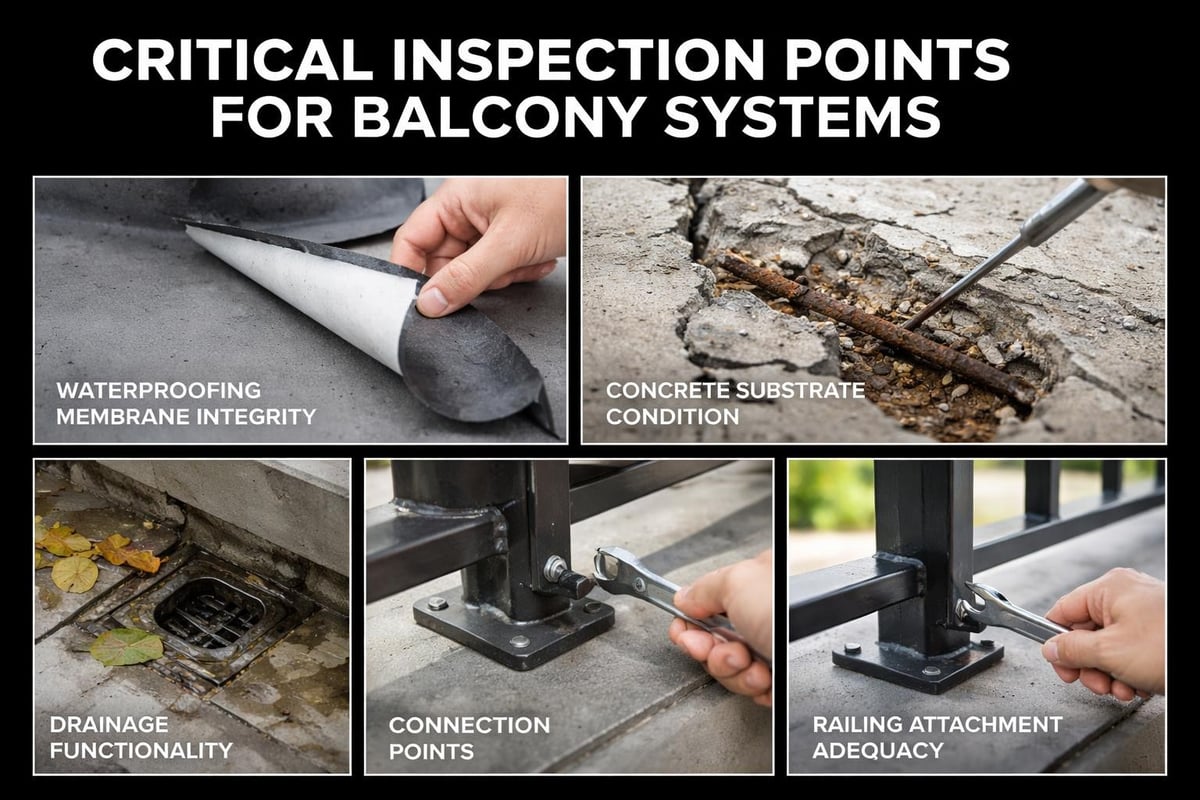
Balconies combine structural loading with constant weather exposure, creating conditions where failures develop over time. Waterproofing failures allow water to reach structural elements, while improper drainage accelerates deterioration. Recent Florida legislation mandates more frequent inspections of elevated structures following tragic collapses in other states.
Structural contractors assess not just visible damage but underlying causes. A failed balcony waterproofing membrane might require complete reconstruction rather than surface repairs. Balcony railing replacement often accompanies structural work, ensuring guardrails meet current wind load requirements.
The Milestone Inspection Connection
Florida's milestone inspection program transformed how property owners approach building maintenance. Buildings reaching 30 years (25 years in coastal areas) require comprehensive structural assessments by licensed professionals. These inspections identify deficiencies requiring immediate attention and provide roadmaps for future maintenance.
Structural contractors play dual roles in this process. Many maintain inspection divisions that conduct the assessments, while their construction teams execute the repairs identified during inspections. This integration streamlines the process from problem identification through resolution.
Understanding structural engineering requirements for milestone compliance helps property owners prepare for both the inspection process and subsequent repairs. Engineers evaluate structural systems, while contractors translate those findings into actionable repair scopes.
Reserve Studies and Repair Planning
Milestone inspections often reveal multiple issues requiring phased repairs. Structural Integrity Reserve Studies (SIRS) provide financial roadmaps, estimating costs and prioritizing work over multi-year periods. Experienced contractors contribute realistic cost projections that help associations budget appropriately.
The relationship between SIRS assessments and actual construction costs depends heavily on contractor input. Unrealistic estimates create budget shortfalls, while inflated projections cause unnecessary financial stress for property owners.
Material Selection and Modern Methods
Construction technology evolves continuously, and leading structural contractors stay current with innovations that improve durability and reduce lifecycle costs. Recent advancements in structural engineering include new composite materials, improved concrete formulations, and advanced reinforcement systems.
For South Florida applications, material selection emphasizes corrosion resistance and longevity in harsh environments:
- Stainless steel rebar for critical areas where corrosion poses greatest risk
- Fiber-reinforced polymer (FRP) reinforcement as alternative to traditional steel
- High-performance concrete mixes with lower permeability and improved durability
- Corrosion-resistant coatings that extend the service life of existing steel elements
- Epoxy-coated rebar providing barrier protection against chloride intrusion
These materials often cost more initially but reduce long-term maintenance requirements. Contractors familiar with multiple options help owners make informed decisions balancing upfront investment against lifecycle value.
Installation Techniques Matter
Even superior materials fail when improperly installed. Structural contractors must understand manufacturer specifications, proper mixing ratios, curing requirements, and application temperatures. The Steel Deck Institute's updated standards demonstrate how industry organizations continuously refine installation practices to improve outcomes.
Quality contractors maintain detailed quality control protocols:
- Pre-installation meetings reviewing specifications and sequencing
- Material testing verifying conformance before installation
- Environmental monitoring ensuring appropriate conditions for critical activities
- Third-party inspections at key milestones
- Comprehensive documentation including photos and test results
Emergency Response Capabilities
Structural failures don't follow convenient schedules. When concrete falls from a building facade, load-bearing elements show distress, or inspection reports identify immediate safety hazards, property owners need rapid response from qualified professionals.
The best structural contractors maintain emergency response capabilities, mobilizing teams quickly for critical situations. This includes temporary shoring and bracing to stabilize compromised structures while permanent repairs are engineered and permitted.
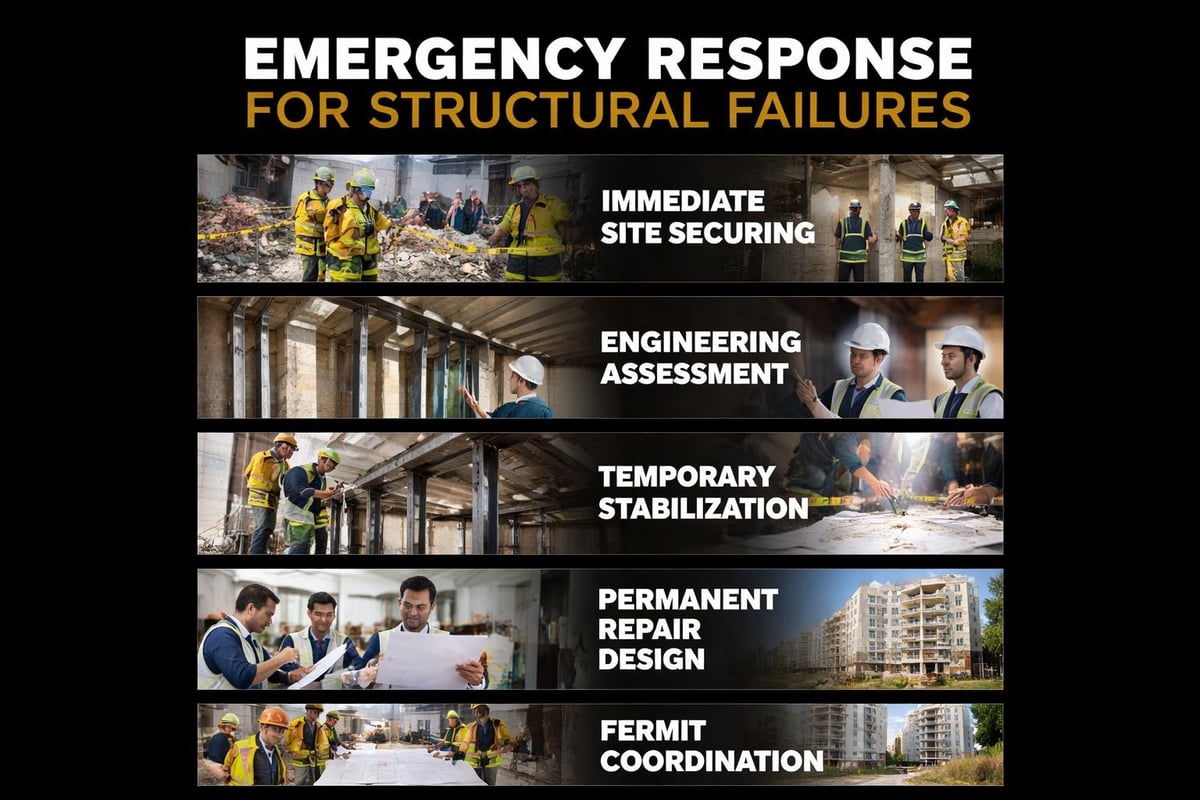
Emergency structural work requires:
- Immediate assessment by qualified personnel
- Temporary protection of occupants and public
- Engineering evaluation of stability and risk
- Coordination with building officials when required
- Development of permanent repair solutions
Speed matters, but not at the expense of proper engineering. Rushing to "fix" structural issues without understanding root causes typically creates larger problems. Violation resolution services help property owners address urgent building department citations while developing comprehensive solutions.
Documentation and Warranty Considerations
Professional structural contractors provide comprehensive documentation throughout projects. This paper trail serves multiple purposes-demonstrating compliance for building officials, creating maintenance records for future owners, and protecting all parties if questions arise years later.
Essential documentation includes:
- Pre-construction photos showing existing conditions
- Material certifications verifying products meet specifications
- Test reports confirming concrete strength, weld quality, or other critical parameters
- As-built drawings showing final conditions including any field modifications
- Warranty information covering both materials and workmanship
Warranties vary significantly between contractors. Some offer minimal coverage, while others provide extended protection reflecting confidence in their work quality. Understanding warranty terms before signing contracts prevents misunderstandings when issues develop.
Cost Factors and Budget Planning
Structural repair costs vary widely based on access difficulty, material selection, engineering complexity, and project scope. A small balcony repair might cost several thousand dollars, while comprehensive building restoration can reach millions.
| Cost Component | Typical Percentage | Variables Affecting Cost |
|---|---|---|
| Engineering and Design | 10-15% | Complexity, required testing, permit iterations |
| Materials | 25-35% | Specification requirements, corrosion resistance needs |
| Labor | 35-45% | Access difficulty, working hours restrictions, skill level |
| Permits and Inspections | 5-10% | Jurisdiction requirements, third-party testing |
| Contingency | 10-15% | Unknown conditions, change orders, delays |
Reputable contractors provide detailed breakdowns rather than lump-sum quotes. Transparency allows owners to understand where money goes and make informed decisions about potential modifications or upgrades.
Value Engineering Without Compromise
Value engineering identifies cost savings without compromising safety or longevity. Experienced structural contractors suggest alternatives when original specifications exceed actual requirements or when equivalent products cost significantly less.
However, legitimate value engineering differs from simple cost-cutting. Proposals to reduce concrete coverage over rebar or eliminate specified corrosion protection typically create future problems despite immediate savings. Following contractor service standards ensures modifications maintain proper quality and safety levels.
Permit Coordination and Inspection Process
Structural work almost always requires permits, and the permitting process significantly impacts project timelines. Contractors experienced with local jurisdictions expedite approvals through complete initial submissions and responsive communication with plan reviewers.
The typical permitting sequence follows these steps:
- Engineering preparation of sealed structural drawings
- Permit application submission with required supporting documents
- Plan review by building department structural reviewers
- Revision and resubmission addressing reviewer comments
- Permit issuance authorizing construction to begin
- Field inspections at specified construction milestones
- Final inspection and approval confirming code compliance
Plan review times vary from two weeks to several months depending on jurisdiction workload and submission completeness. Contractors who understand what reviewers expect minimize delays through proper initial preparation.
Building inspectors visit job sites at critical stages-foundation work before concrete placement, rebar installation before encasement, and final completion before occupancy. Failed inspections delay projects and increase costs, making it essential that contractors understand inspection requirements and prepare accordingly.
Technology Integration in Modern Structural Work
Leading structural contractors increasingly incorporate technology that improves accuracy and efficiency. Infrared thermal inspection technology identifies hidden moisture and delamination without destructive testing. Three-dimensional laser scanning creates precise as-built documentation for complex structures.
Digital project management platforms provide real-time updates to owners, architects, and engineers. Photo documentation tied to specific locations creates permanent records of conditions throughout construction. These tools enhance transparency and accountability.
For property managers overseeing multiple buildings, technology-savvy contractors offer particular advantages. Consolidated reporting across properties, predictive maintenance recommendations based on inspection data, and digital asset management streamline oversight responsibilities.
The Importance of Specialized Experience
While general construction experience provides foundational knowledge, structural work demands specialized expertise. The consequences of errors-from building failures to costly permit rejections-make contractor selection critically important.
When reviewing essential considerations for selecting contractors, prioritize those with proven track records in structural applications. A contractor who excels at interior renovations may lack the engineering understanding necessary for load-bearing modifications.
Membership in industry organizations, continuing education participation, and manufacturer certifications indicate commitment to professional development. These credentials don't guarantee quality, but they suggest contractors take their specialization seriously.
Long-Term Relationships and Preventive Maintenance
The best contractor relationships extend beyond single projects. Buildings require ongoing maintenance, and contractors familiar with a property's history provide more valuable service than those starting fresh with each call.
Preventive maintenance programs identify developing issues before they become emergencies. Regular inspections by qualified contractors catch problems when repairs remain simple and affordable rather than after damage becomes extensive. This proactive approach aligns perfectly with Florida's milestone inspection philosophy-addressing maintenance systematically rather than reactively.
Property managers benefit from establishing relationships with reliable construction and engineering firms that understand their buildings, maintenance philosophies, and budget constraints. Continuity of service providers improves outcomes while reducing the administrative burden of constantly vetting new contractors.
Selecting qualified structural contractors requires careful evaluation of credentials, experience, and working approach. The investment in choosing the right team pays dividends through compliant work, reduced long-term maintenance costs, and peace of mind that your building's structural integrity is protected. When your South Florida property needs expert structural assessment, concrete restoration, or milestone inspection services, Souffront Construction and Engineering delivers the integrated expertise that property owners and managers depend on for safe, compliant, and lasting solutions.