Steel Railing Systems for Condos: A Complete 2026 Guide
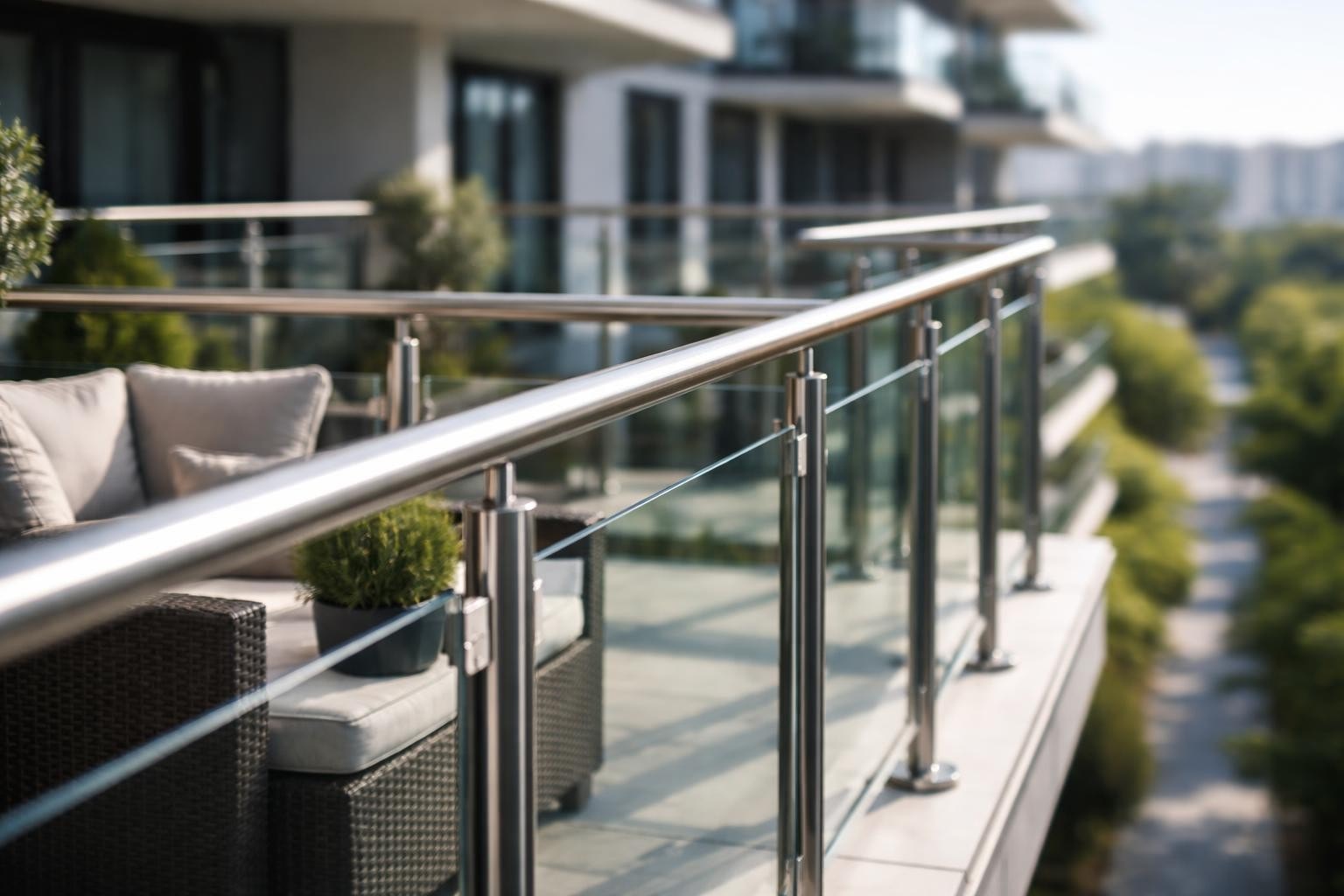
Condominium buildings throughout South Florida face unique challenges when it comes to balcony and railing systems. Constant exposure to salt air, humidity, and intense UV radiation demands materials that can withstand harsh environmental conditions while maintaining safety and visual appeal. Steel railing systems for condos have emerged as a leading solution, offering exceptional durability, design versatility, and long-term value that property managers and association boards increasingly prioritize during renovation and recertification projects.
Why Steel Railing Systems Dominate Modern Condo Construction
The shift toward steel railing systems for condos reflects both practical engineering considerations and evolving aesthetic preferences. Unlike traditional materials that deteriorate rapidly in coastal environments, steel provides structural integrity that lasts decades with proper maintenance.
Steel offers several compelling advantages:
- Superior strength-to-weight ratio compared to alternative materials
- Corrosion resistance when properly treated and finished
- Minimal maintenance requirements over the system's lifespan
- Compliance with increasingly stringent building codes
- Flexibility in design configurations and finishes
Building owners who work with experienced firms for balcony and railing replacement understand that material selection directly impacts both safety compliance and future maintenance costs. The initial investment in quality steel systems typically delivers better returns than cheaper alternatives that require frequent repairs or complete replacement within just a few years.
Material Specifications and Code Requirements
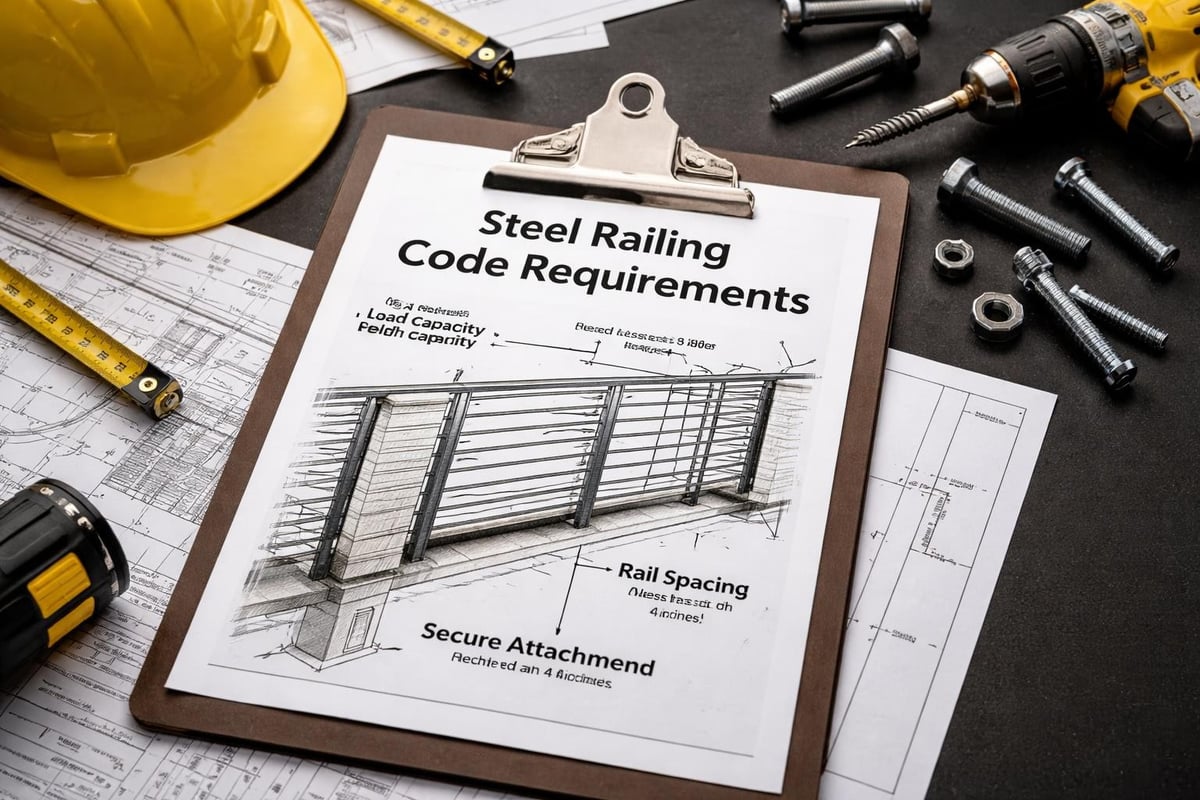
South Florida's building codes have become more rigorous following recent structural failures and the implementation of comprehensive milestone building recertification requirements. Steel railing systems for condos must meet specific load-bearing standards, height requirements, and spacing regulations that protect residents while accommodating modern architectural designs.
| Code Requirement | Standard Specification | Why It Matters |
|---|---|---|
| Minimum Height | 42 inches for balconies | Prevents accidental falls |
| Load Capacity | 200 lbs horizontal force | Ensures structural integrity |
| Baluster Spacing | 4-inch sphere rule | Child safety protection |
| Corrosion Protection | Hot-dip galvanization or marine-grade coating | Longevity in coastal environments |
The deck railing standards provide foundational guidelines that local jurisdictions adapt to regional conditions. Property managers should verify that any proposed steel railing system meets both state and local requirements before proceeding with installation.
Design Options That Balance Form and Function
Modern steel railing systems for condos extend far beyond simple utilitarian barriers. Today's options incorporate glass panels, cable infills, decorative patterns, and powder-coated finishes that complement a building's architectural character while delivering required safety performance.
Glass and Steel Combinations
Transparent glass panels paired with steel framing create unobstructed views that maximize property values, especially in waterfront locations. These hybrid systems use tempered or laminated safety glass secured within steel frames engineered to withstand hurricane-force winds.
Property owners exploring privacy glass railings discover that frosted or tinted glass options provide residents with outdoor privacy without sacrificing natural light or completely blocking views. This approach works particularly well for lower-floor units or balconies facing common areas.
Cable Railing Systems
Steel posts combined with horizontal stainless steel cables deliver a contemporary aesthetic that doesn't obstruct sightlines. Cable railing configurations have become increasingly popular in luxury condo developments where architectural design emphasizes clean lines and minimalist styling.
Key considerations for cable railing installations:
- Cable tension must be maintained to prevent sagging
- End fittings require precise engineering for safety
- Regular inspections ensure cables haven't loosened over time
- Local codes may restrict cable systems in certain applications
The slim profile of cable railings makes them ideal for smaller balconies where traditional baluster systems would feel visually heavy and reduce the perception of space.
Mesh and Perforated Panel Systems
For condos prioritizing security alongside aesthetics, mesh railing systems offer vandal resistance and enhanced safety. Perforated steel panels or welded wire mesh secured within steel frames prevent climbing while allowing air circulation and maintaining views.
These systems excel in common areas, rooftop terraces, and ground-level patios where preventing unauthorized access becomes a priority. The mesh density can be customized to balance visibility, privacy, and security requirements specific to each location.
Installation Considerations for Multi-Story Buildings
Installing steel railing systems for condos in occupied buildings requires careful planning to minimize disruption while ensuring worker and resident safety. The complexity increases exponentially with building height, particularly when replacing existing railings on upper-floor balconies.
Structural Assessment and Attachment Points
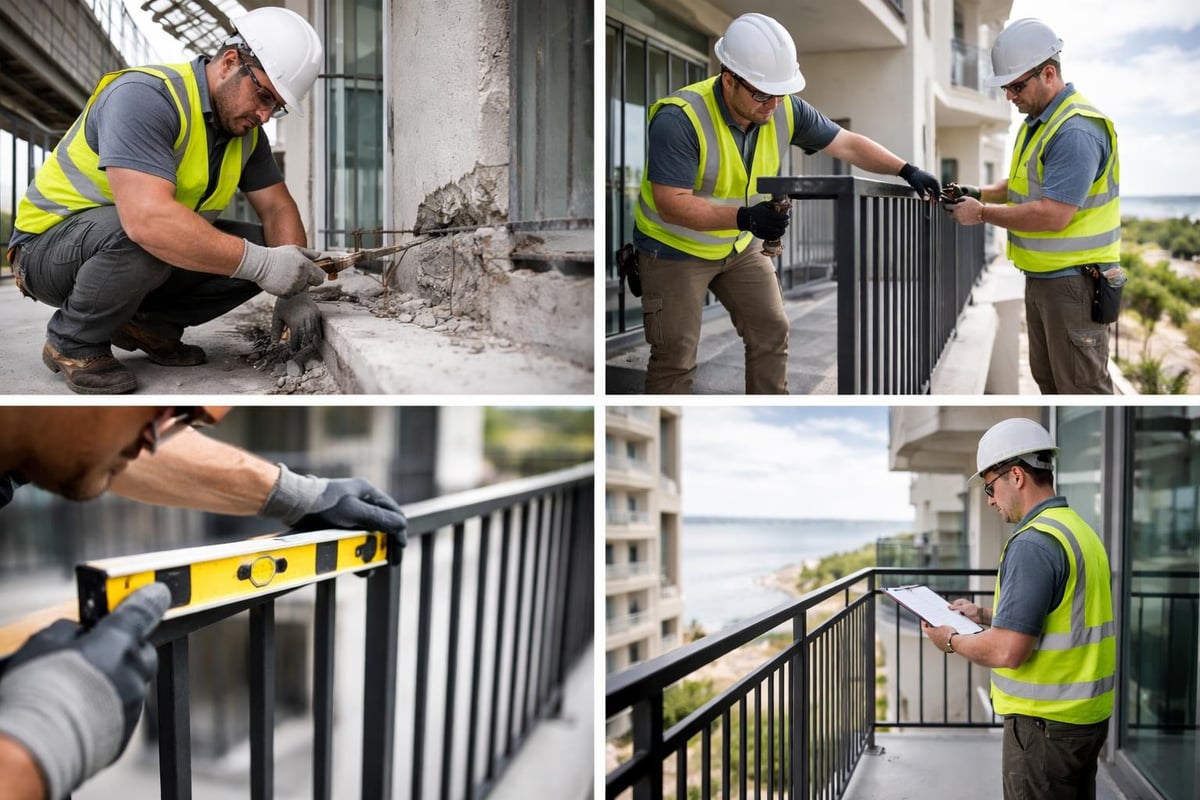
Before installation begins, qualified engineers must evaluate the existing structure to confirm it can support new railing loads. Structural engineering analysis identifies whether balcony edges, floor slabs, or walls provide adequate attachment points or require reinforcement.
Older condo buildings may have concrete deterioration around existing anchor points. Comprehensive concrete restoration often becomes necessary before new railings can be safely mounted. This work typically involves removing compromised concrete, installing new reinforcement, and rebuilding structural sections to original strength or better.
Phased Installation Strategies
Most condominium associations opt for phased installation approaches that complete one section or building at a time. This strategy:
- Reduces overall project costs through economies of scale
- Minimizes resident inconvenience by limiting active work zones
- Allows budgeting flexibility across multiple fiscal years
- Enables lessons learned from early phases to improve later installations
Property managers should coordinate railing replacement projects with building recertification inspections to maximize efficiency and ensure all work meets current code requirements before final approval.
Maintenance Requirements and Lifecycle Costs
While steel railing systems for condos require less maintenance than many alternatives, they're not completely maintenance-free. Establishing a regular inspection and care schedule protects your investment and prevents minor issues from becoming expensive problems.
Inspection Protocols
Annual visual inspections should check for:
- Loose or missing fasteners at connection points
- Signs of corrosion, especially in welded joints
- Coating failures or paint deterioration
- Movement or instability in the railing structure
- Damage from impacts or vandalism
After major weather events, additional inspections verify that hurricane-force winds haven't compromised structural integrity. Documentation of these inspections supports structural integrity reserve studies and helps associations plan for future capital expenditures.
Protective Coating Maintenance
The finish system protecting steel from corrosion requires periodic attention. Coastal environments accelerate coating degradation through salt exposure and UV damage.
| Finish Type | Expected Lifespan | Maintenance Interval | Recoating Cost Factor |
|---|---|---|---|
| Powder Coating | 10-15 years | Annual inspection | Moderate |
| Hot-Dip Galvanizing | 20-30+ years | 5-year inspection | Low |
| Marine-Grade Paint | 7-10 years | Biennial touch-up | High |
| Stainless Steel (316) | 25+ years | Annual cleaning | Minimal |
Touch-up painting addresses minor scratches before they penetrate to bare metal. Complete recoating becomes necessary when finish failures exceed 15-20% of the total surface area. Budget-conscious associations should factor these eventual costs into long-range financial planning.
Comparing Steel to Alternative Railing Materials
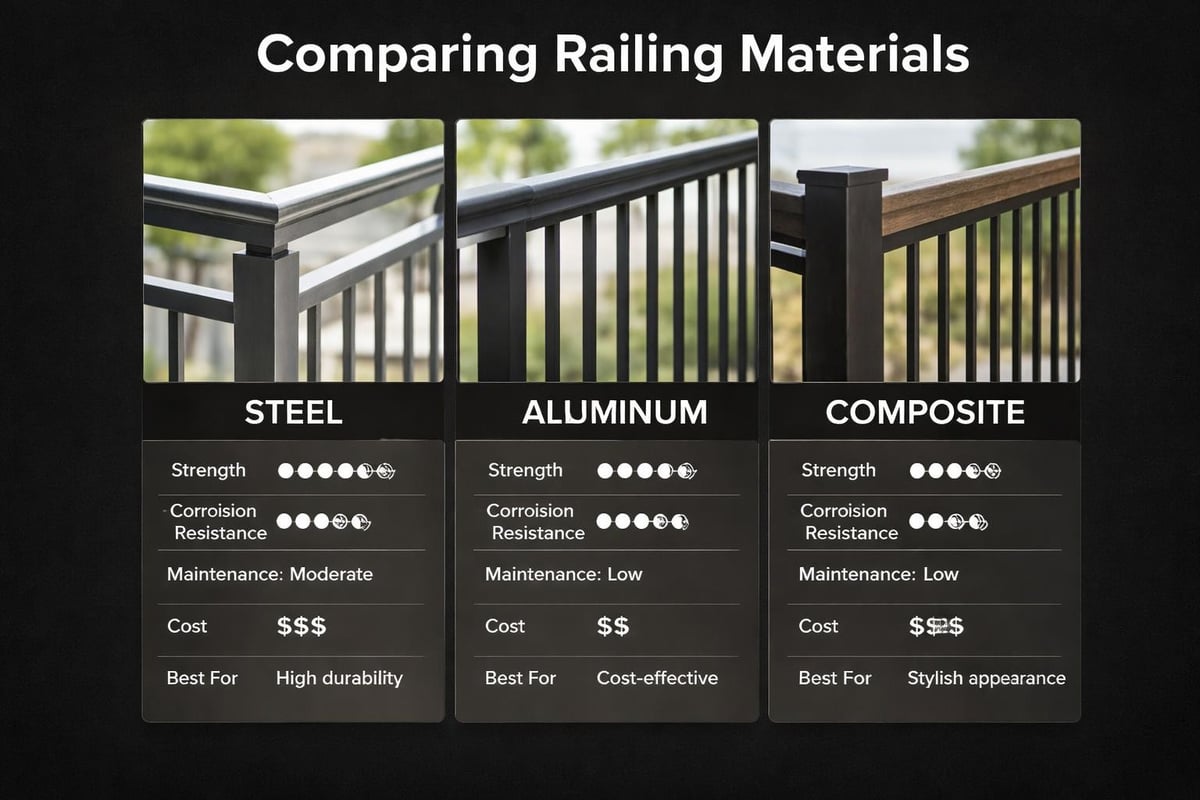
While steel railing systems for condos offer numerous benefits, property managers should understand how they compare to other common options before making final decisions.
Steel vs. Aluminum
Aluminum railing systems provide excellent corrosion resistance without the weight of steel. However, aluminum's lower strength means thicker members or more frequent support posts may be required to meet code requirements. For high-wind zones and taller buildings, steel's superior structural performance often makes it the preferred choice despite aluminum's lower maintenance demands.
Steel vs. Wrought Iron
Traditional wrought iron delivers classic aesthetics but requires significantly more maintenance than modern steel systems. The artisan labor involved in fabricating custom wrought iron designs also increases costs substantially. Most applications that historically used wrought iron now specify steel components with decorative elements that replicate the traditional appearance while offering better durability and value.
Interior Applications
Interior railing systems for condo lobbies, atriums, and stairwells benefit from steel's design flexibility and strength. Interior installations face less environmental exposure, extending finish lifespan while allowing for more delicate treatments like brushed stainless finishes or architectural bronze coatings.
Regulatory Compliance and Permitting
Installing steel railing systems for condos triggers permitting requirements in most jurisdictions. Understanding the approval process prevents costly delays and ensures installations meet all applicable codes.
Building Permits and Plan Review
Detailed engineering drawings must demonstrate that proposed railing systems comply with:
- International Building Code (IBC) requirements
- Florida Building Code modifications and enhancements
- Local amendments specific to your municipality
- Historic district guidelines if applicable
- HOA architectural review standards
Working with firms experienced in permit-ready repair solutions streamlines the approval process. These professionals understand local building department expectations and can navigate the documentation requirements efficiently.
Wind Load Calculations
South Florida's hurricane exposure requires special attention to wind load resistance. Engineers must calculate the forces railing systems will experience during design wind events and demonstrate adequate safety factors.
Critical wind load factors include:
- Building height and exposure category
- Geographic location and wind speed zones
- Railing configuration and surface area
- Attachment method and structural capacity
- Proximity to building corners where wind forces intensify
The metal railing engineering standards provide baseline criteria that engineers adapt to specific project conditions and local requirements.
Aesthetic Integration with Building Design
Steel railing systems for condos should complement rather than clash with existing architectural elements. Thoughtful design integration enhances property values while maintaining the character that attracted residents initially.
Color and Finish Coordination
Powder coating technology enables virtually unlimited color options. Popular choices for coastal condos include:
- Bronze and copper tones that complement Mediterranean architecture
- Charcoal and graphite grays for contemporary designs
- White and off-white to match existing trim and details
- Custom colors that match specific brand standards
The finish selection impacts both aesthetics and maintenance requirements. Darker colors show scratches and wear less visibly than lighter finishes, while textured surfaces hide imperfections better than smooth coatings.
Balancing Modern and Traditional Elements
Retrofitting steel railings into buildings originally designed with different materials requires sensitivity to architectural context. Balcony and Juliet railings can incorporate traditional details like decorative scrollwork or geometric patterns while leveraging steel's structural advantages.
Many successful projects use steel framing in profiles that mimic original railing proportions, maintaining visual consistency while upgrading safety and durability. This approach satisfies both historic preservation concerns and modern building code requirements.
Budget Planning and ROI Considerations
Condominium associations must balance immediate costs against long-term value when selecting railing systems. Steel railing systems for condos typically represent a mid-to-high initial investment that delivers superior returns over time.
Initial Cost Components
Complete project budgets should account for:
- Engineering and design fees
- Permitting and approval costs
- Materials and fabrication
- Installation labor
- Structural repairs to attachment points
- Temporary safety barriers during construction
- Contingency reserves for unforeseen conditions
Properties requiring concrete restoration before railing installation should budget 25-40% additional funds for structural repairs. Deferring necessary concrete work to save money creates safety hazards and ultimately increases total costs.
Long-Term Value Analysis
Steel's durability translates directly to financial benefits:
| Benefit Category | 10-Year Value | 20-Year Value |
|---|---|---|
| Avoided Replacement Costs | $15,000-$25,000 | $30,000-$50,000 |
| Reduced Maintenance Labor | $3,000-$5,000 | $6,000-$10,000 |
| Lower Insurance Premiums | $2,000-$4,000 | $4,000-$8,000 |
| Property Value Enhancement | 2-3% increase | 3-5% increase |
These figures vary based on building size, unit count, and geographic location, but they illustrate how initial premium investments in quality materials yield substantial returns.
Environmental and Sustainability Factors
As condominium associations increasingly prioritize environmental responsibility, steel railing systems for condos align well with sustainability goals.
Recyclability and Resource Efficiency
Steel ranks among the most recycled materials globally. At the end of its service life, railing components can be completely recycled without quality loss. This circular lifecycle reduces environmental impact compared to materials that end up in landfills.
Modern steel production increasingly uses recycled content, with some manufacturers offering products containing 90% or more post-consumer recycled material. Associations pursuing green building certifications should specify high recycled content when possible.
Energy Performance Considerations
While not typically considered a thermal barrier component, railing systems do impact energy performance in certain configurations. Glass-and-steel railing systems on balconies can create thermal bridges if not properly detailed, potentially increasing cooling loads.
Thermal breaks between steel framing and building structure minimize heat transfer. This detail becomes particularly important for balconies above conditioned spaces where temperature differentials are significant.
Working with Qualified Contractors
The quality of installation directly determines how well steel railing systems for condos perform over their lifespan. Selecting qualified contractors with relevant experience protects your investment and ensures code compliance.
Contractor Qualifications to Verify
Before awarding contracts, associations should confirm:
- Active state licensing for commercial construction
- Current general liability and workers compensation insurance
- Experience with similar multifamily projects
- References from recent condo or HOA clients
- Understanding of local permitting processes
Contractors who provide comprehensive construction services including engineering, permitting, and installation offer single-source accountability that simplifies project management and reduces coordination risks.
Quality Control During Installation
Proper oversight during construction catches problems before they become permanent defects. Key inspection points include:
- Verification of anchor embedment depths and spacing
- Confirmation of structural attachment adequacy
- Alignment and plumbness verification
- Welding quality for structural connections
- Finish quality and coverage completeness
Photography documenting installation stages creates records useful for future maintenance and reference. These images also support violation resolution if building departments identify concerns during final inspections.
Steel railing systems for condos deliver the durability, safety, and aesthetic flexibility that South Florida properties demand while providing long-term value through reduced maintenance and extended service life. When planning railing upgrades or replacements, working with experienced professionals ensures your project meets all code requirements and performs reliably for decades. Souffront Construction and Engineering specializes in balcony and railing replacement for condominiums and commercial properties throughout South Florida, combining structural engineering expertise with permit-ready solutions that keep your building safe, compliant, and valuable. Contact our team to discuss your railing project and discover how we can help protect your property investment.