Miami-Dade County 40 Year Recertification Guide 2026
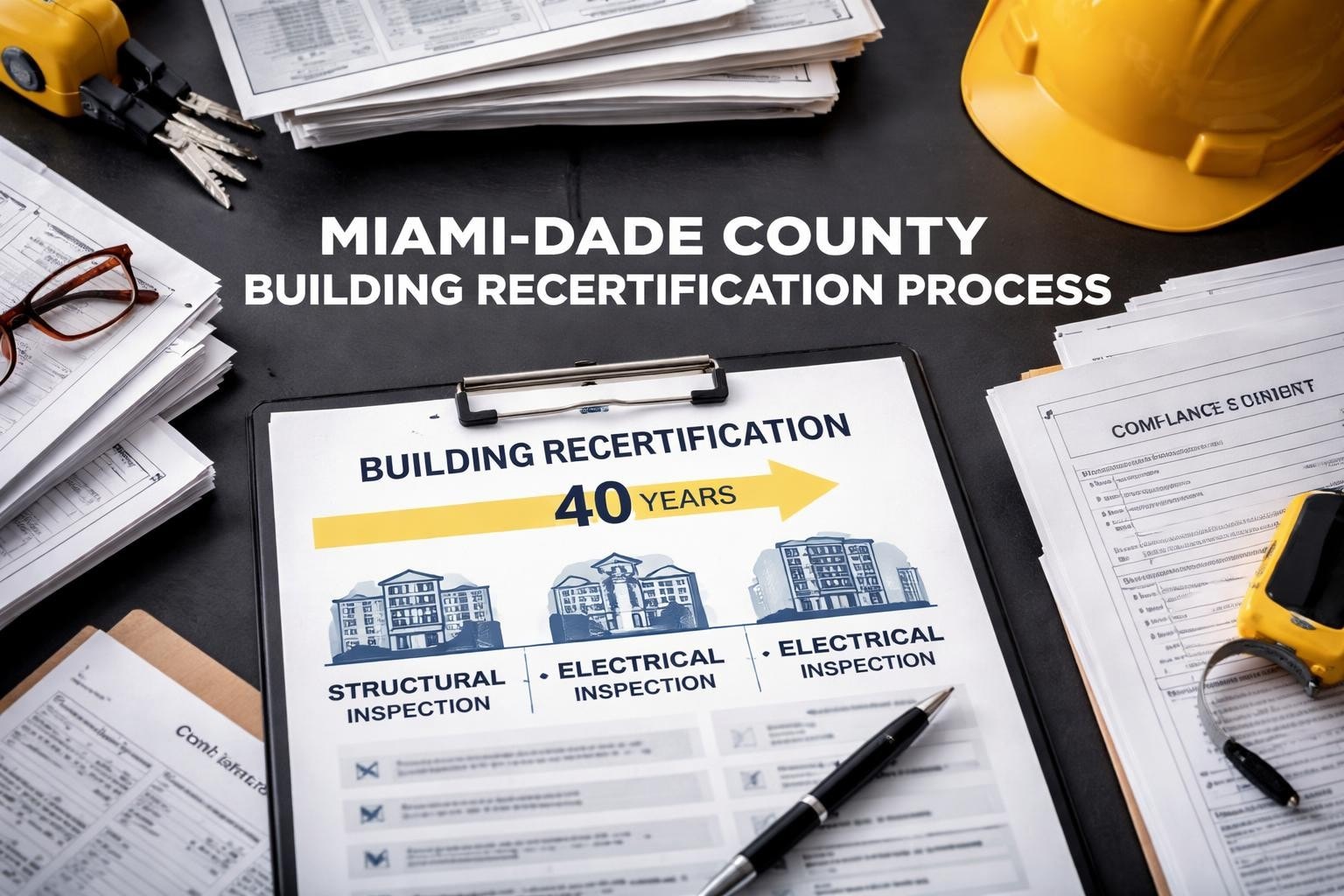
Property owners throughout South Florida face a critical regulatory requirement that can significantly impact their buildings' legal standing and market value. The miami dade county 40 year recertification process represents more than just another compliance checkpoint. It's a comprehensive safety evaluation designed to protect residents, preserve structural integrity, and ensure buildings meet modern safety standards as they age. Following the tragic Champlain Towers South collapse in Surfside in 2021, these regulations have become even more stringent, with enhanced oversight and enforcement across Miami-Dade County. Understanding the requirements, timelines, and procedures can help property owners navigate this complex process successfully while avoiding costly penalties or unsafe conditions.
Understanding the 40 Year Recertification Requirements
The miami dade county 40 year recertification program mandates that buildings reaching 40 years of age undergo thorough structural and safety inspections. The National Association of Counties highlights Miami-Dade County's recertification program as a model for maintaining aging infrastructure and protecting public safety through systematic evaluation protocols.
This program applies to most residential and commercial structures, though specific requirements vary based on building type, height, and occupancy classification. Buildings three stories or higher typically fall under the most stringent inspection requirements, while certain smaller structures may have modified criteria.
Which Buildings Require Recertification
The recertification mandate covers several building categories:
- Residential condominiums and cooperatives exceeding three stories
- Apartment buildings with multiple dwelling units
- Commercial structures meeting height and occupancy thresholds
- Mixed-use developments combining residential and commercial spaces
- Hotels and motels with more than three habitable floors
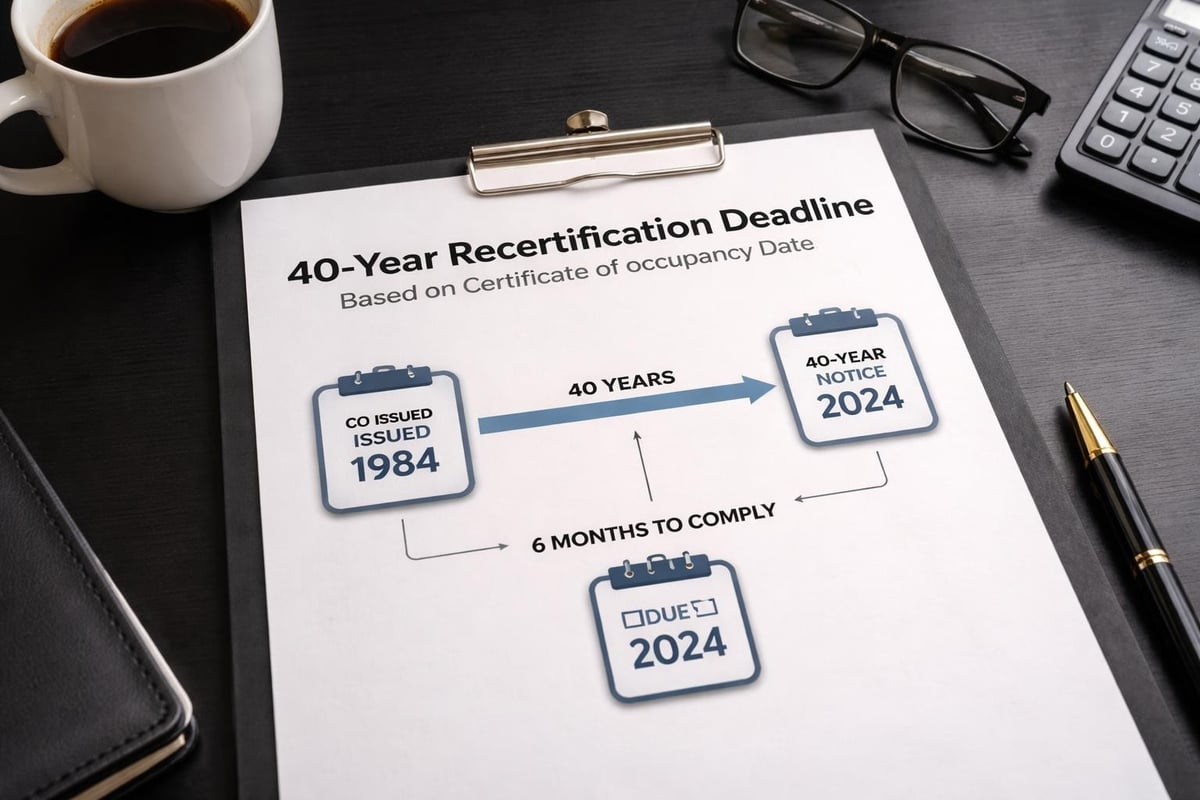
Property owners must track their building's certificate of occupancy date carefully, as the 40-year timeline begins from this official date rather than construction completion. Missing this deadline can result in significant fines and potential occupancy restrictions until compliance is achieved.
The Inspection Process and Required Components
Miami-dade county 40 year recertification involves multiple inspection phases conducted by licensed professionals. The process examines both structural integrity and electrical safety, requiring specialized expertise in each domain. Professional milestone building recertification inspections must be performed by qualified engineers and contractors who understand local codes and requirements.
Structural Inspection Requirements
Licensed structural engineers or qualified building inspectors must evaluate the building's primary load-bearing components, foundation systems, and critical safety features. This comprehensive assessment includes:
- Foundation and structural frame analysis - examining concrete, steel, or masonry systems for deterioration, cracking, or load capacity issues
- Roof system evaluation - assessing structural decking, drainage systems, and weather protection integrity
- Exterior wall and facade inspection - identifying water intrusion, spalling concrete, or compromised cladding
- Balcony and railing systems - testing structural attachment, corrosion, and safety compliance
- Stairway and egress route verification - ensuring emergency exits meet current fire and life safety codes
Engineers prepare detailed reports documenting all findings, including photographs, measurements, and specific code references. Any deficiencies requiring correction must be clearly identified with recommended repair strategies.
Electrical System Evaluation
A separate electrical inspection examines the building's power distribution, safety systems, and code compliance. Licensed electrical contractors or engineers evaluate:
| Component | Inspection Focus | Common Issues |
|---|---|---|
| Main service panels | Capacity, condition, labeling | Outdated breakers, corrosion, insufficient capacity |
| Emergency lighting | Functionality, battery backup | Failed units, inadequate coverage |
| Fire alarm systems | Testing, code compliance | Obsolete technology, insufficient coverage |
| GFCI protection | Presence in required locations | Missing in wet areas, non-functional |
| Grounding systems | Continuity, adequacy | Degraded connections, insufficient capacity |
Electrical engineering system design audits often reveal outdated installations requiring significant upgrades to meet current National Electrical Code standards and local amendments.
Timeline and Notification Requirements
The miami dade county 40 year recertification process follows strict deadlines that property owners must observe. Miami-Dade County's Building Department sends initial notification letters approximately 18 months before the building's 40th anniversary, providing owners adequate time to arrange inspections and complete necessary repairs.
Property owners have 90 days from their building's 40-year anniversary to submit initial recertification documentation to the Building Department. This deadline is firm, with late submissions triggering daily fines and potential legal action. The Town of Surfside's 40-Year Recertification Program demonstrates similar timeline requirements across neighboring municipalities.
Documentation Submission Process
Completing the recertification requires submitting several key documents:
- Form 40-R or current equivalent certification form signed by licensed professionals
- Detailed structural engineering report with photographic evidence
- Electrical system inspection report and code compliance certification
- Repair plans for identified deficiencies (if applicable)
- Timeline for completing required remediation work
- Proof of professional licensing for all inspectors and engineers
Understanding the 40-50 year recertification requirements helps property owners prepare comprehensive documentation packages that satisfy regulatory requirements without delays or rejections.
Common Deficiencies and Repair Requirements
Buildings undergoing miami dade county 40 year recertification frequently reveal similar deterioration patterns reflecting South Florida's harsh coastal environment. Concrete spalling from chloride penetration ranks among the most common structural deficiencies, particularly in buildings located within three miles of the Atlantic Ocean or Biscayne Bay.
Water intrusion issues appear in approximately 70% of buildings undergoing recertification inspections. These problems often manifest as:
- Deteriorated waterproofing membranes on balconies and terraces
- Failed expansion joint sealants allowing moisture penetration
- Compromised stucco or EIFS exterior cladding systems
- Inadequate drainage causing ponding and structural damage
- Corroded rebar within concrete elements reducing load capacity
Forensic water intrusion investigations frequently uncover hidden damage requiring extensive remediation before buildings can receive recertification approval.
Structural Repair Considerations
When deficiencies are identified, property owners must develop comprehensive repair strategies addressing both immediate safety concerns and long-term durability. Concrete restoration and structural repairs typically represent the largest expense category during recertification compliance.
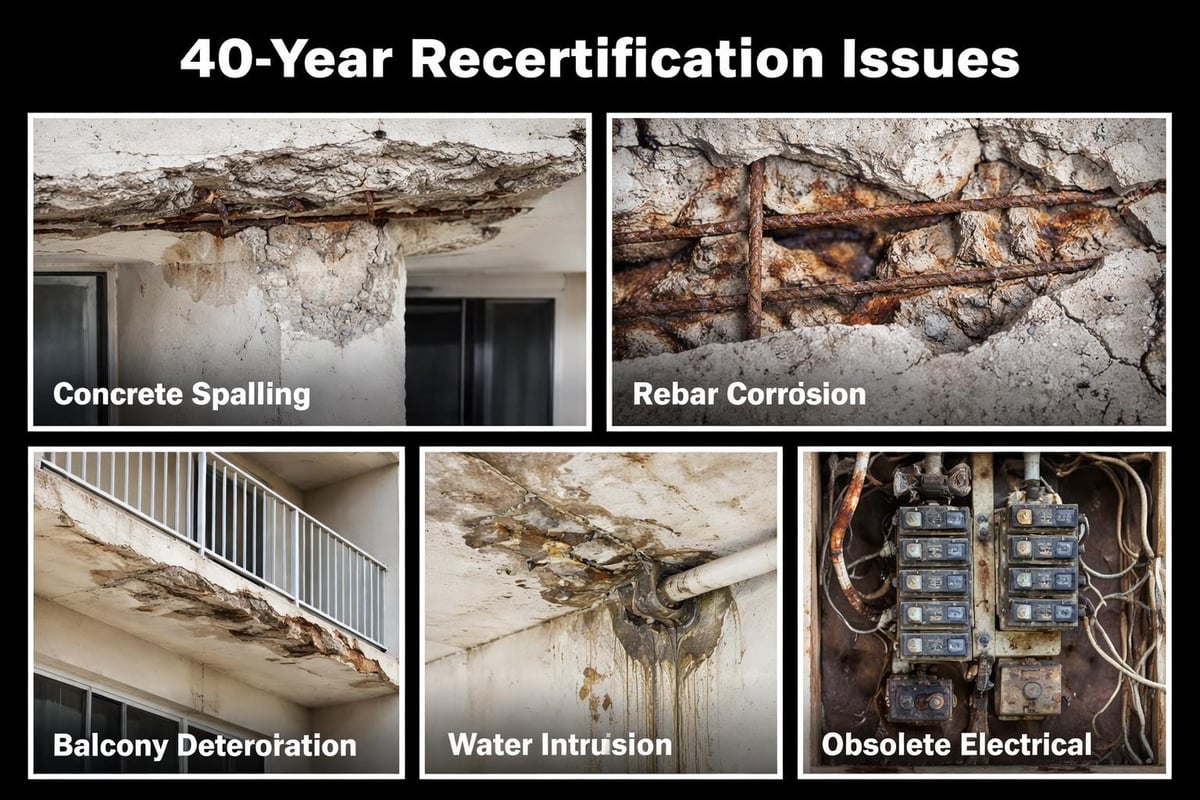
Repair work must be performed by licensed contractors following engineered repair plans. The Building Department requires permits for most remediation activities, adding time and cost to the compliance process. Properties cannot receive final recertification approval until all required repairs are completed and inspected.
Financial Planning and Cost Considerations
The miami dade county 40 year recertification process involves substantial financial commitments that can strain association reserves or individual property owner budgets. Financial planning for 40-year recertification requires understanding both inspection costs and potential repair expenses.
Initial inspection fees typically range from $5,000 to $25,000 depending on building size, complexity, and accessibility challenges. Larger properties or those with unique architectural features may require higher engineering fees for comprehensive evaluation.
Repair Cost Variables
Actual repair expenses vary dramatically based on deficiency severity:
- Minor concrete repairs: $50-150 per square foot
- Extensive structural restoration: $200-400 per square foot
- Balcony replacement: $15,000-40,000 per unit
- Electrical panel upgrades: $8,000-25,000 per building
- Emergency generator installation: $75,000-250,000
- Roof replacement: $15-35 per square foot
Condominiums typically fund these expenses through special assessments levied against unit owners, while commercial property owners must budget from operating reserves or secure construction financing. Understanding 40-year recertification costs helps stakeholders prepare realistic budgets avoiding financial surprises.
Changes Following the Surfside Collapse
Miami-Dade County significantly strengthened its recertification program after the June 2021 Champlain Towers South tragedy that claimed 98 lives. The county's initiatives to enhance building safety include more rigorous inspection protocols and enhanced enforcement mechanisms.
New Regulatory Enhancements
Recent program modifications include:
- Mandatory reserve studies for condominium associations identifying future capital needs
- Enhanced structural inspection standards requiring deeper investigation of concealed conditions
- Accelerated timeline enforcement with stricter penalties for non-compliance
- Public transparency requirements making inspection reports accessible to residents and buyers
- Improved tracking systems preventing buildings from falling through administrative cracks
How Miami-Dade is changing the 40-year program reflects the county's commitment to preventing future tragedies through proactive building safety management.
The 50 Year Recertification and Ongoing Compliance
Buildings successfully completing miami dade county 40 year recertification don't simply return to normal operations indefinitely. The county requires subsequent recertification inspections every 10 years, meaning the next evaluation occurs at the 50-year milestone, then 60 years, and continuing throughout the building's lifespan.
This ongoing cycle ensures that deterioration doesn't accumulate undetected between inspection periods. The 50-year and subsequent recertifications follow similar procedures to the initial 40-year process, though inspectors often focus more intensively on previously identified problem areas and aging building systems.
Maintaining Compliance Between Inspections
Property owners and association boards should implement proactive maintenance programs preventing major deficiencies from developing. Building recertification inspection requirements emphasize the importance of continuous building care rather than reactive crisis management.
Best practices for maintaining compliance include:
- Annual engineering inspections identifying emerging problems early
- Preventive maintenance programs addressing weather-related deterioration
- Reserve fund adequacy ensuring repair funds are available when needed
- Professional property management with technical expertise
- Documentation systems tracking maintenance history and capital improvements
Working with Qualified Professionals
Successfully navigating the miami dade county 40 year recertification process requires assembling a qualified professional team. Structural engineering design, analysis, and repair services from licensed professionals familiar with local requirements prove essential for efficient compliance.

Selecting the Right Engineers and Contractors
Property owners should verify that professionals possess appropriate Florida licenses, maintain adequate insurance coverage, and demonstrate specific experience with recertification projects. The Florida Board of Professional Engineers and the Florida Department of Business and Professional Regulation maintain online license verification systems allowing owners to confirm credentials.
Experienced firms understand the documentation requirements, common deficiency patterns, and most cost-effective repair strategies for South Florida's unique climate challenges. They can also navigate the permit process efficiently, reducing timeline delays that extend compliance periods.
Special Considerations for Different Property Types
While the core miami dade county 40 year recertification requirements apply broadly, specific building types face unique challenges. Waterfront properties experience accelerated deterioration from salt exposure, requiring more intensive concrete protection strategies and corrosion-resistant materials during repairs.
Mixed-use developments combining residential and commercial spaces may require separate inspections for different building sections, coordinating multiple engineering disciplines and contractor specialties. Historic properties must balance safety compliance with preservation requirements, often necessitating specialized approaches approved by local historic preservation boards.
Condominium Association Governance Issues
Condominium associations face additional complexity managing recertification compliance while balancing competing stakeholder interests. Board members have fiduciary duties requiring them to address identified deficiencies promptly, even when repairs necessitate unpopular special assessments.
Association governing documents, Florida Statutes Chapter 718, and local ordinances create overlapping regulatory frameworks that boards must navigate. Violation and unsafe structures resolution services help associations address compliance issues before they escalate into legal problems or safety emergencies.
Enforcement and Penalties for Non-Compliance
Miami-Dade County actively enforces recertification requirements through its Building Department's Existing Buildings Division. Properties failing to submit required documentation face escalating penalties starting at $250 daily, increasing significantly for continued non-compliance.
The county can issue unsafe structure notices requiring building evacuation if serious deficiencies remain uncorrected beyond allowed timelines. This extreme enforcement action destroys property values and creates enormous liability for ownership.
Legal and Financial Consequences
Non-compliance creates multiple problems beyond direct fines:
| Consequence | Impact | Duration |
|---|---|---|
| Certificate of Use suspension | Cannot legally occupy building | Until compliance achieved |
| Increased insurance premiums | 25-100% rate increases | Ongoing until resolved |
| Reduced property values | 15-30% market value decline | Until certification obtained |
| Lender concerns | Potential loan default triggers | Varies by loan terms |
| Legal liability | Injury claims, shareholder lawsuits | Years of exposure |
Property owners facing compliance challenges should immediately engage qualified professionals developing realistic remediation timelines rather than ignoring requirements hoping for enforcement delays.
Understanding miami dade county 40 year recertification requirements protects property owners from compliance problems while ensuring building safety for residents and the broader community. The process demands professional expertise, realistic budgeting, and proactive planning to navigate successfully. Souffront Construction and Engineering provides comprehensive recertification services throughout South Florida, from initial inspections through final repair completion and permit closeout. Our experienced team of licensed engineers and contractors helps property owners achieve compliance efficiently while protecting their real estate investments for decades to come.