Miami 40 Year Recertification: Complete 2026 Guide
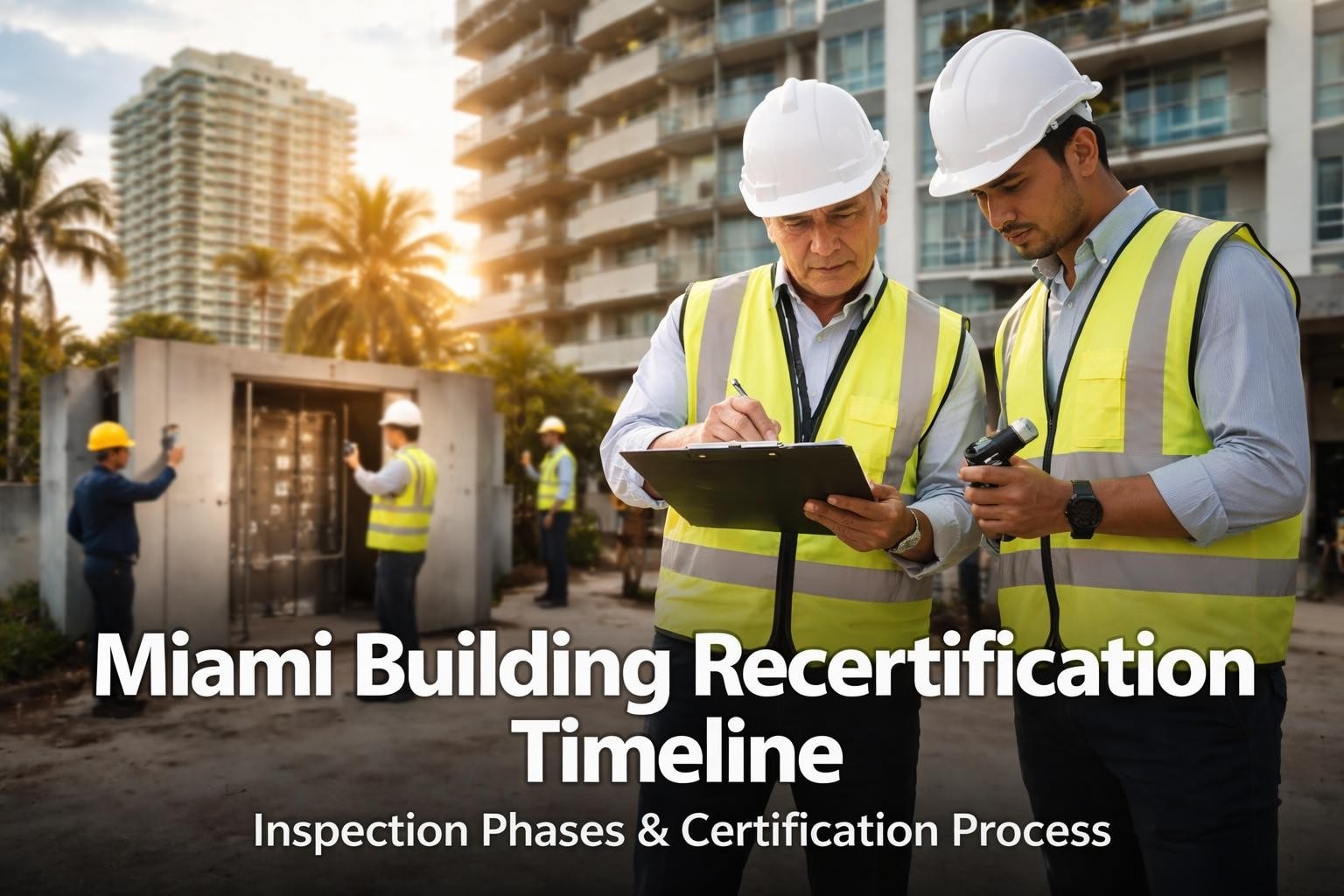
Property owners throughout South Florida face a critical regulatory milestone that can significantly impact both building safety and financial planning. The miami 40 year recertification requirement has become increasingly rigorous following structural failures in recent years, with municipalities tightening enforcement and expanding inspection requirements. Understanding this mandatory process is essential for anyone who owns, manages, or sits on the board of a commercial or residential building in Miami-Dade, Broward, and surrounding counties. This comprehensive guide breaks down everything you need to know about meeting recertification requirements, from initial inspections through final approval.
What Miami 40 Year Recertification Actually Means
Miami 40 year recertification is a mandatory building safety inspection program that requires property owners to have their structures professionally evaluated when they reach 40 years of age. The program applies to buildings three stories or taller, including condominiums, apartments, office buildings, and mixed-use structures. The City of Miami Beach building recertification process has established clear guidelines that serve as a model for surrounding municipalities.
The program requires two primary components:
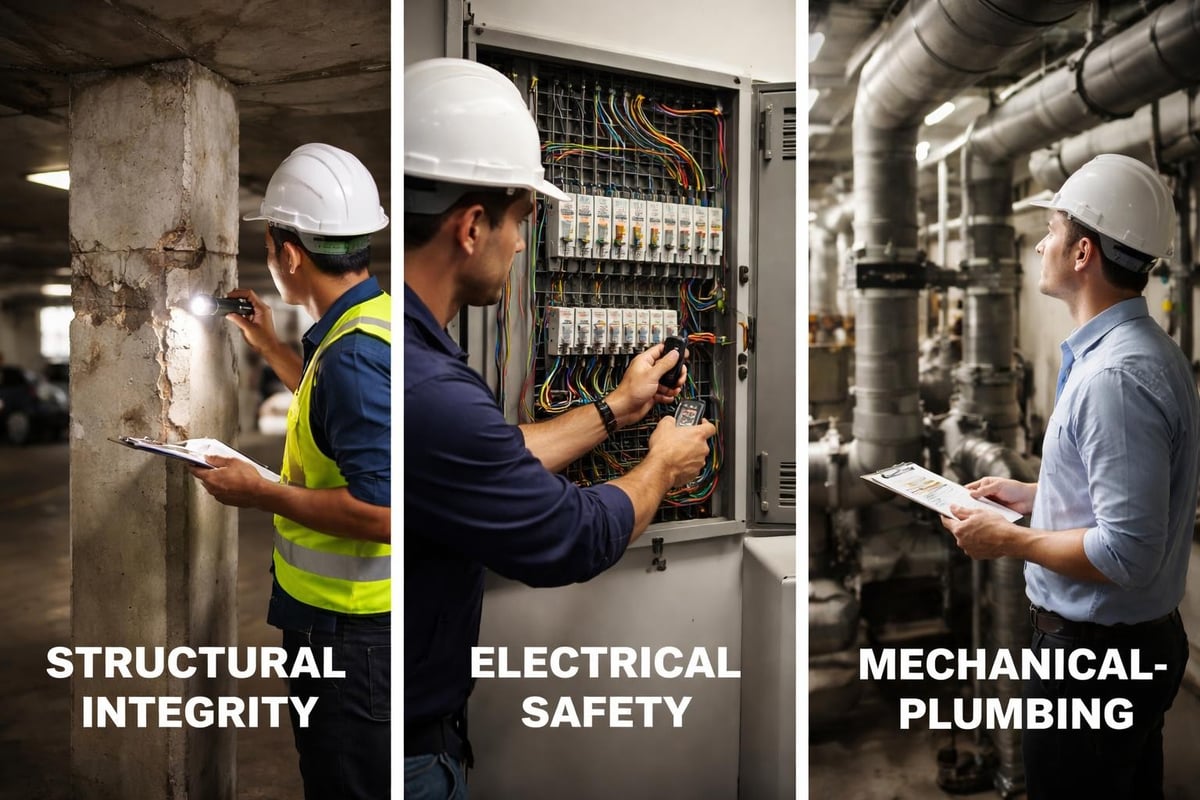
- Structural inspection conducted by a licensed engineer or architect
- Electrical system evaluation performed by a qualified electrical contractor or engineer
- Mechanical and plumbing assessment in some jurisdictions
- Comprehensive written report submitted to the local building department
After the initial certification at 40 years, buildings must undergo recertification every 10 years. Some coastal municipalities now require inspections every 5 years for buildings near saltwater environments due to accelerated deterioration from salt exposure.
The Post-Surfside Landscape
Following the tragic Champlain Towers South collapse in Surfside during 2021, Florida lawmakers and local governments dramatically strengthened recertification requirements. The Town of Surfside's enhanced 40-year recertification program reflects these changes, requiring more detailed inspections and stricter timelines.
Changes include mandatory milestone inspections at 30 years for buildings within three miles of the coastline, enhanced reserve study requirements, and stricter penalties for non-compliance. Property owners who previously viewed recertification as a routine administrative task now face substantially more scrutiny and potentially significant repair obligations.
Who Must Comply and When
Not every building in Miami requires recertification, but the criteria capture most multi-family and commercial structures. Buildings must meet specific height and age thresholds based on their jurisdiction.
| Building Characteristic | Recertification Required | Timeline |
|---|---|---|
| 3+ stories, 40+ years old | Yes | Within 90 days of 40th anniversary |
| 3+ stories, within 3 miles of coast, 30+ years | Yes (in some jurisdictions) | Within 90 days of 30th anniversary |
| 1-2 stories, any age | Generally No | N/A |
| Buildings with prior violations | Yes, potentially earlier | As directed by building department |
Property owners receive official notification from their municipal building department approximately 6 months before the certification deadline. Missing this deadline results in fines, permit restrictions, and potential certificate of occupancy revocation. Understanding the 40-year building recertification process helps owners prepare adequately.
The milestone building recertification inspections process requires careful planning, as finding qualified professionals and scheduling inspections can take several months during peak seasons.
The Inspection Process Step by Step
The miami 40 year recertification process follows a structured sequence that typically takes 3-6 months from start to finish, depending on building complexity and repair needs.
Initial Assessment Phase
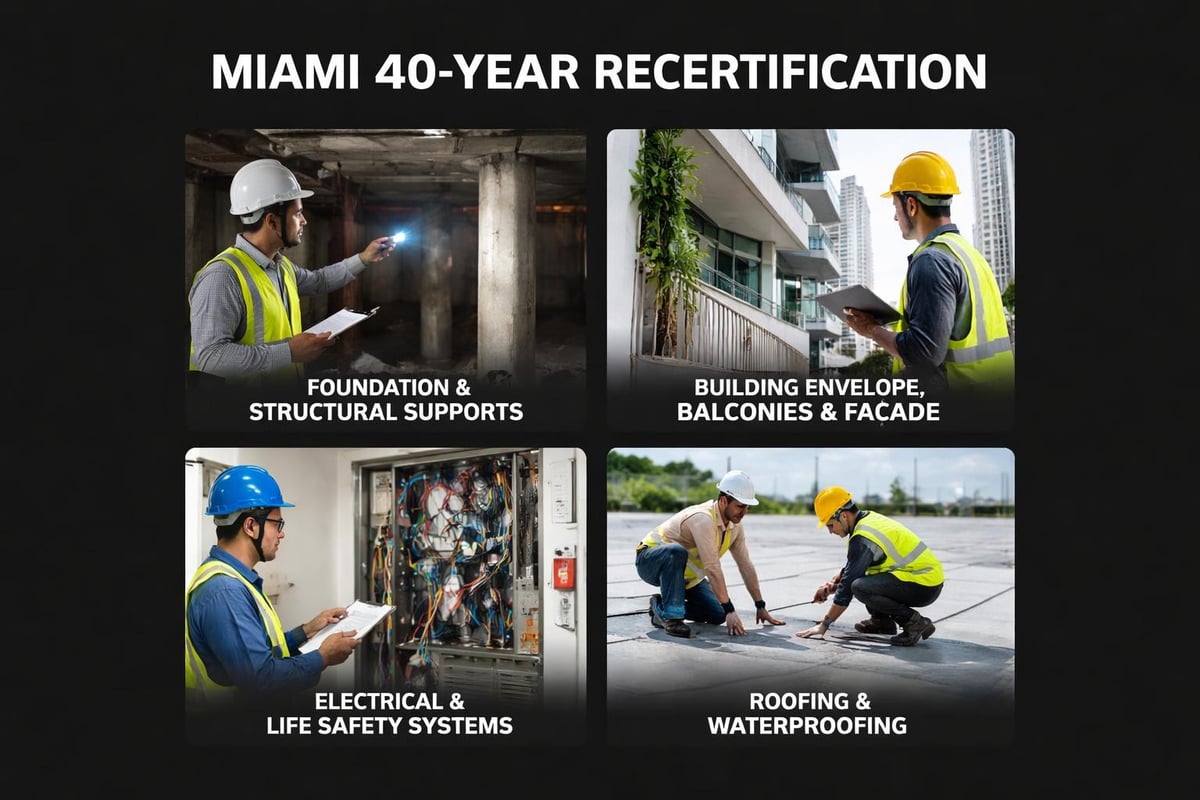
Property owners begin by hiring a licensed architect or professional engineer registered in Florida. This professional conducts a thorough visual inspection of all structural components, including:
- Foundation and support systems - Looking for settling, cracking, or deterioration
- Load-bearing walls and columns - Checking for spalling concrete, exposed rebar, or structural damage
- Floor and roof structures - Evaluating deflection, water damage, or material degradation
- Exterior envelope - Examining façade, balconies, railings, and weatherproofing
- Common areas and parking structures - Identifying any safety hazards or code violations
The structural inspector documents all findings with photographs, measurements, and detailed notes. Any area that cannot be visually inspected may require invasive testing, such as core samples or removal of finishes.
Electrical and Mechanical Systems Review
Concurrently with structural inspections, a licensed electrical contractor or engineer evaluates the building's electrical infrastructure. This includes panel capacity, grounding systems, emergency lighting, fire alarm systems, and overall code compliance. Electrical engineering system design audits often reveal outdated components that require immediate attention.
Mechanical and plumbing systems receive similar scrutiny, particularly in jurisdictions with comprehensive recertification programs. Inspectors evaluate HVAC systems, domestic water supply, drainage systems, and fire protection equipment.
Report Preparation and Submission
The engineer compiles all findings into a formal recertification report that includes:
- Executive summary of building condition
- Detailed findings for each building system
- Photographic documentation
- Recommended repairs with priority classifications
- Certification statement regarding structural soundness
- Engineer's seal and signature
This report is submitted to the municipal building department for review. If the building passes without required repairs, the process concludes with certificate issuance. If repairs are necessary, the owner must create a remediation plan and timeline.
Common Issues Found During Inspections
Buildings reaching 40 years inevitably show signs of aging, particularly in South Florida's harsh coastal environment. Understanding typical defects helps owners anticipate potential repair costs.
Concrete deterioration ranks as the most common structural issue. Spalling concrete occurs when moisture penetrates the surface, corroding embedded reinforcing steel. The oxidizing rebar expands, causing the surrounding concrete to crack and break away. This is especially prevalent on balconies, parking structures, and exterior columns exposed to salt air.
Water intrusion problems manifest in multiple ways, from obvious roof leaks to subtle moisture infiltration through façade joints and windows. Chronic water penetration leads to mold growth, material rot, and progressive structural damage. Forensic water intrusion investigations identify hidden moisture issues before they cause catastrophic failures.
Electrical system obsolescence presents significant safety and code compliance concerns. Buildings constructed in the 1980s typically have electrical systems designed for much lower loads than modern usage demands. Panel upgrades, rewiring, and ground fault protection additions frequently appear on recertification repair lists.
- Corroded or deteriorated aluminum wiring connections
- Inadequate grounding and bonding systems
- Missing or non-functional GFCI protection
- Outdated circuit breaker technology
- Insufficient panel capacity for current loads
Structural movement and settling can indicate foundation problems, particularly in areas with expansive soils or near waterways. Cracks following specific patterns may signal differential settlement requiring foundation stabilization.
Cost Considerations and Financial Planning
The financial impact of miami 40 year recertification varies dramatically based on building condition, size, and required repairs. Property owners should budget for both inspection costs and potential remediation work.
Inspection Fees
Professional inspection fees typically range from $5,000 to $25,000 depending on building square footage, complexity, and number of units. Larger buildings or those with complex structural systems command higher fees. The 40 year recertification cost breakdown helps owners understand typical expenses.
| Building Size | Inspection Cost Range | Timeline |
|---|---|---|
| Small (under 50 units) | $5,000 - $10,000 | 4-8 weeks |
| Medium (50-150 units) | $10,000 - $20,000 | 8-12 weeks |
| Large (150+ units) | $20,000 - $50,000+ | 12-20 weeks |
Repair and Remediation Expenses
The real financial challenge emerges when inspections reveal necessary repairs. Concrete restoration and structural repairs can range from tens of thousands to millions of dollars depending on the scope of work required.
Balcony reconstruction projects alone can cost $10,000-$25,000 per unit. Building-wide façade repairs may exceed $1 million for mid-sized condominiums. Electrical system upgrades typically range from $50,000 to $500,000 depending on building size and existing infrastructure condition.
Many condominium associations find themselves unprepared for these expenses, particularly if reserve funds have been inadequate. Some buildings face special assessments exceeding $50,000 per unit when extensive structural work is required. Financial planning for 40 year recertification should begin years before the deadline.
Navigating the Compliance Timeline
Time management is critical for successful miami 40 year recertification. Property owners who wait until receiving official notification often struggle to meet deadlines, resulting in penalties and rushed decisions.
Recommended Timeline
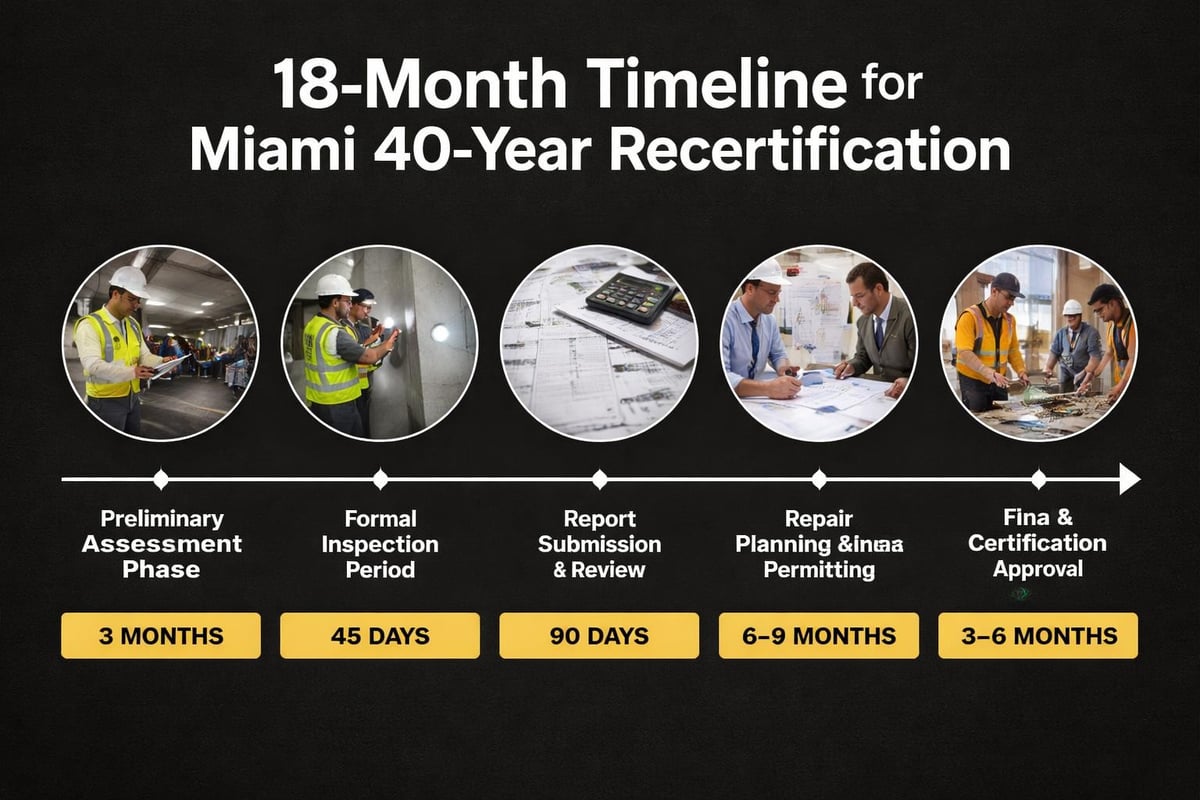
18-24 months before deadline: Begin researching qualified engineers and contractors. Review building maintenance records to identify known issues. Consider conducting a preliminary assessment to understand potential scope.
12-15 months before deadline: Select and contract with licensed professionals for formal inspections. Schedule initial building walkthroughs. Notify residents or tenants about upcoming inspection activities.
9-12 months before deadline: Complete structural and electrical inspections. Receive draft reports and begin evaluating required repairs. Obtain cost estimates from qualified contractors.
6-9 months before deadline: Submit recertification report to building department. If repairs are required, develop remediation plan and financing strategy. Begin permitting process for required work.
3-6 months before deadline: Execute approved repairs under proper permits. Schedule follow-up inspections to verify completed work. Obtain final certification documents.
Before deadline: Submit final certification to building department. Receive updated certificate of occupancy or compliance letter. Archive all documentation for future reference.
Selecting Qualified Professionals
The success of your recertification depends heavily on choosing experienced professionals who understand South Florida construction and local building codes. Not all engineers and contractors have equal expertise in building recertification work.
Look for professionals with specific certifications and experience in milestone inspections. Florida-licensed Professional Engineers (PE) or Registered Architects (RA) must conduct structural evaluations. Electrical inspections require licensed electrical contractors or engineers with proper specialty credentials.
Request references from recent recertification projects and verify professional licenses through the Florida Department of Business and Professional Regulation. Experienced teams familiar with local building departments can streamline the approval process and avoid common pitfalls.
Ask potential contractors about their approach to:
- Minimally invasive inspection techniques
- Coordination with building residents or tenants
- Reporting timelines and deliverables
- Communication protocols during the process
- Experience with similar building types and ages
Special Considerations for Coastal Buildings
Structures located within three miles of saltwater face accelerated deterioration due to chloride exposure. Salt-laden air and periodic storm surge create particularly aggressive conditions for concrete and metal components.
Many coastal municipalities now require more frequent inspections for oceanfront properties. The milestone inspection age may be reduced to 30 years, with subsequent inspections every 5 years instead of 10. These enhanced requirements recognize that coastal buildings deteriorate faster than inland structures.
Concrete spalling appears much earlier in coastal buildings as chlorides penetrate the concrete matrix and attack reinforcing steel. Waterproofing systems degrade faster due to UV exposure and salt crystallization. Aluminum and steel components corrode rapidly without proper protective coatings.
Property owners of coastal buildings should implement aggressive preventive maintenance programs between recertification cycles. Regular façade cleaning, concrete sealing, and cathodic protection systems can slow deterioration and reduce future repair costs.
Reserve Studies and Long-Term Planning
Florida's Structural Integrity Reserve Study (SIRS) requirements now mandate that condominiums and cooperatives maintain adequate reserves for major repairs and replacements. These reserve studies must be conducted by licensed professionals and updated at least every 10 years.
SIRS structural integrity reserve study requirements work in tandem with recertification programs, ensuring buildings have financial resources to address identified deficiencies. The reserve study must include:
- Visual inspection of load-bearing components
- Estimated remaining useful life of major building systems
- Estimated replacement or repair costs
- Current reserve fund balance
- Recommended annual reserve contributions
Boards that previously waived reserve contributions now face mandatory funding requirements. This represents a fundamental shift in how Florida condominiums manage long-term building maintenance and capital improvements.
Consequences of Non-Compliance
Failing to complete miami 40 year recertification on time triggers a cascade of serious consequences. Building departments typically issue violation notices with daily fines ranging from $250 to $1,000 until compliance is achieved.
More significantly, the building's certificate of occupancy may be revoked, making continued occupancy illegal. This can force building evacuation, halt all unit sales and leases, and create enormous liability for property owners and associations.
Lenders often refuse to finance unit purchases in buildings with lapsed certifications. Insurance companies may deny coverage or dramatically increase premiums for non-compliant properties. Violation and unsafe structures resolution services help owners restore compliance quickly.
Beyond regulatory penalties, non-compliance creates real safety risks. Buildings deteriorate continuously, and deferred maintenance compounds over time. What might have been a manageable repair issue at year 40 can become a catastrophic failure by year 42 or 43.
Working With Your Building Department
Each municipality in South Florida administers its own recertification program with slight variations in requirements, submittal procedures, and enforcement approaches. Successful navigation requires understanding your specific jurisdiction's expectations.
Most building departments provide detailed checklists and submission requirements on their websites. Review these carefully before beginning the process. Some departments offer pre-submittal meetings to discuss complex projects or unusual building configurations.
When submitting recertification reports, include all required documentation:
- Complete engineer's report with seal and signature
- Photographic documentation of all inspected areas
- Structural drawings (as-built if available)
- List of recommended repairs with priority classifications
- Remediation timeline if repairs are required
- Proof of professional licensure for all inspectors
Building department reviews typically take 2-4 weeks for straightforward certifications. Complex projects or those requiring repairs may need multiple review cycles and additional documentation.
Recent Legislative Changes
Florida's 2022 legislative session produced significant changes affecting building safety and recertification programs statewide. Senate Bill 4-D and related legislation created new requirements that extend beyond traditional 40-year recertification.
The milestone inspection requirement now applies to buildings 30 years or older if located within 3 miles of the coast. Buildings must undergo "phase one" inspections at these milestones, with subsequent inspections every 10 years (or 5 years for coastal structures).
Condominium associations must now conduct annual structural inspections by qualified professionals and maintain detailed maintenance records. These annual inspections supplement, but do not replace, the comprehensive milestone recertification process.
The legislation also strengthened reserve funding requirements and created new disclosure obligations for unit sales. Buyers must receive detailed information about upcoming recertification requirements, pending special assessments, and the association's reserve funding status.
Preparing Your Building for Inspection
Property owners can take several proactive steps to facilitate smooth recertification inspections and potentially reduce required repairs.
Document maintenance history by compiling records of all repairs, upgrades, and preventive maintenance performed since the last recertification or since construction. This demonstrates responsible stewardship and helps engineers understand the building's care history.
Provide access to all building areas, including mechanical rooms, rooftops, parking structures, and utility spaces. Locked or obstructed areas delay inspections and may require return visits at additional cost.
Notify occupants well in advance about inspection schedules, particularly when inspectors need access to individual units or private balconies. Good communication prevents delays and resident complaints.
Address obvious deficiencies before formal inspections begin. If you know the roof leaks or certain balconies show deterioration, consider making repairs before the engineer's visit. This can result in a cleaner recertification report.
Organize building documentation including original construction plans, prior recertification reports, permit records, and any engineering studies or assessments. These documents help inspectors understand the building's history and current condition.
Miami 40 year recertification represents a critical responsibility for building owners throughout South Florida, combining regulatory compliance with essential safety protection. Understanding the requirements, planning adequately, and working with qualified professionals ensures successful certification while protecting property values and resident safety. Souffront Construction and Engineering provides comprehensive recertification services, from initial milestone inspections through final permit-ready repairs, helping property owners navigate this complex process with confidence and code-conscious expertise tailored to South Florida's unique challenges.