Long Engineering: Strategies for Complex Building Projects

Building recertification and complex structural projects require more than quick fixes and surface-level solutions. The concept of long engineering represents a comprehensive approach to technical challenges that demand sustained attention, detailed analysis, and carefully coordinated execution over extended timeframes. For property owners and managers in South Florida facing milestone inspections, structural repairs, and compliance requirements, understanding long engineering principles can mean the difference between temporary patches and lasting structural integrity.
Understanding Long Engineering in Construction Projects
Long engineering refers to systematic, extended-duration technical work that spans multiple phases and requires continuous professional oversight. Unlike short-term troubleshooting, this approach involves deep investigation, comprehensive planning, and methodical implementation. The field of engineering encompasses numerous disciplines, but long engineering specifically addresses projects where complexity, safety requirements, and regulatory compliance demand prolonged expert involvement.
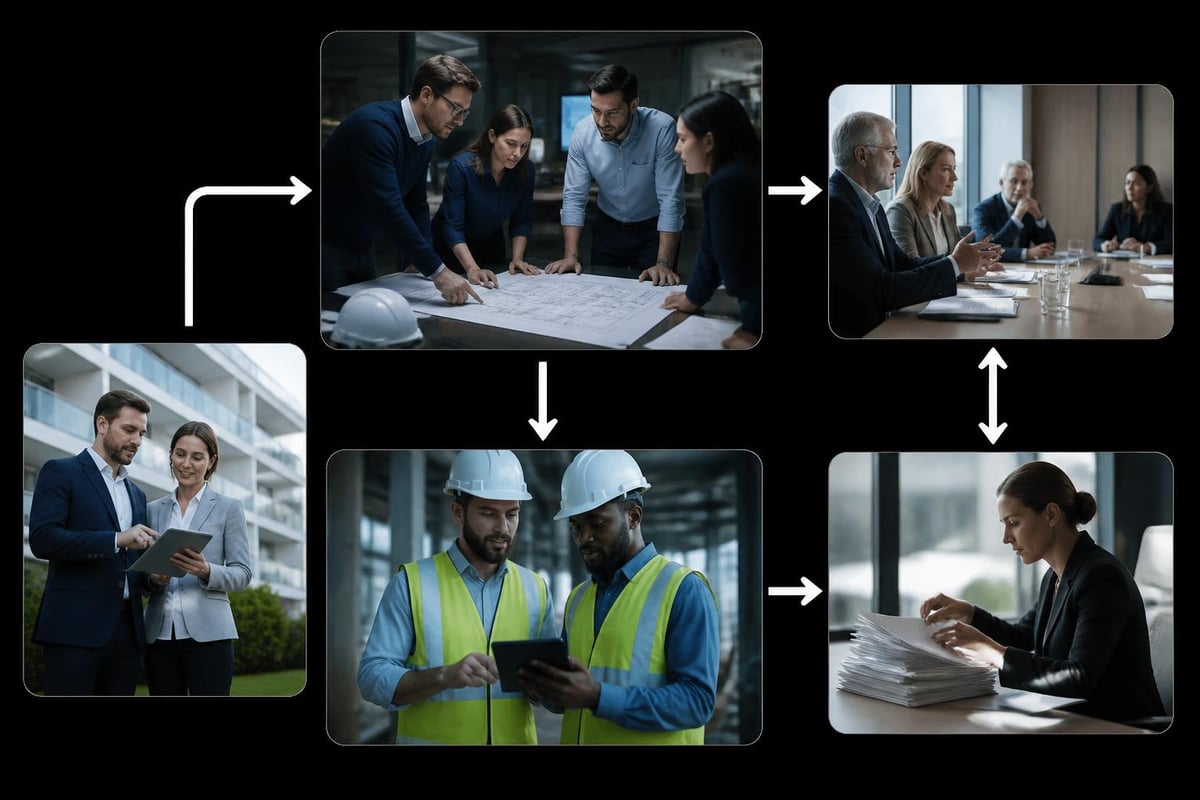
In the context of building recertification and structural restoration, long engineering manifests through multi-stage processes. These include initial forensic investigations, detailed structural analysis, repair design, permit acquisition, construction oversight, and post-completion verification. Each phase builds upon previous findings, creating a cohesive technical narrative that ensures both immediate safety and long-term durability.
Key Characteristics of Long Engineering Projects
Extended timelines distinguish long engineering from conventional project approaches. While some repairs might seem straightforward, underlying conditions often reveal themselves only through sustained investigation and monitoring.
Integrated documentation forms the backbone of successful long engineering initiatives. Every inspection, test result, design decision, and construction modification gets recorded and cross-referenced. This creates an auditable trail that satisfies regulatory requirements while protecting all stakeholders.
Multi-disciplinary coordination brings together various specialties under unified project goals:
- Structural engineers assess load paths and material conditions
- Electrical engineers evaluate power systems and safety compliance
- Geotechnical specialists examine foundation performance
- Construction managers coordinate repair sequencing
- Code compliance experts navigate permitting requirements
The collaborative nature of structural engineering services exemplifies how different technical disciplines must work in concert throughout extended project durations.

Long Engineering in Milestone Building Recertification
South Florida's milestone inspection requirements epitomize long engineering challenges. The 40-year building recertification inspection process involves comprehensive structural and electrical evaluations that cannot be rushed without compromising safety or violating regulations.
The Investigation Phase
Initial assessments set the foundation for all subsequent work. Engineers conduct visual inspections, non-destructive testing, material sampling, and structural calculations. This phase alone can span several weeks or months, depending on building size and complexity.
Forensic investigations often reveal hidden deterioration. Concrete spalling might mask deeper rebar corrosion. Water stains could indicate active intrusion through building envelope failures. What appears as isolated damage frequently connects to systemic issues requiring comprehensive remediation strategies.
| Investigation Component | Duration Range | Key Deliverables |
|---|---|---|
| Visual structural survey | 1-3 weeks | Deficiency photographs, condition maps |
| Non-destructive testing | 2-4 weeks | Concrete strength data, rebar location |
| Forensic sampling | 1-2 weeks | Laboratory analysis reports |
| Structural calculations | 2-6 weeks | Load capacity assessments, safety factors |
| Comprehensive reporting | 1-2 weeks | Official recertification documents |
Design and Planning Stages
Once investigation findings are compiled, engineers develop repair specifications and construction documents. This represents a critical long engineering phase where technical accuracy directly impacts project success. Underspecified repairs lead to premature failures, while overdesigned solutions waste resources.
Permit-ready documentation requires meticulous attention to local building codes, material specifications, and construction sequencing. Engineers must anticipate inspector questions and provide comprehensive justifications for proposed interventions. The structural engineering design and repair process involves iterative refinement as building department reviewers request clarifications or modifications.
Coordinating Complex Repair Projects
Long engineering extends beyond design into construction oversight and quality assurance. The gap between paper specifications and field realities demands continuous professional involvement throughout repair execution.
Construction Phase Engineering
Field conditions rarely match initial assumptions perfectly. Demolition might expose unexpected deterioration. Weather events could introduce new complications. Material availability issues may necessitate specification adjustments. These situations require real-time engineering decisions that maintain structural integrity while keeping projects moving forward.
Testing and verification protocols ensure completed work meets design intent:
- Pre-construction material approvals and shop drawing reviews
- Mid-construction progress inspections and testing schedules
- Final quality assurance testing before closeout
- Documentation compilation for permanent building records
The extended timeline of long engineering allows for proper curing periods, sequential testing, and iterative adjustments that compressed schedules cannot accommodate. Concrete restoration work particularly benefits from this measured approach, as material properties develop over weeks rather than days.
Managing Stakeholder Expectations
Property owners and association boards often struggle with long engineering timelines. Expectations shaped by quick-turnaround contractors clash with the methodical pace that structural safety demands. Effective communication becomes essential for project success.
Regular reporting intervals keep stakeholders informed without overwhelming them with technical minutiae. Monthly progress summaries highlighting completed milestones, current activities, and upcoming phases maintain transparency while allowing engineering teams to work efficiently.
Phased completion strategies can provide psychological and practical benefits. Rather than waiting for entire buildings to reach final completion, long engineering approaches might certify portions as work progresses, allowing normal operations to resume in finished areas while repairs continue elsewhere.
The Role of Technology in Long Engineering
Modern computational tools and data management systems transform how long engineering projects unfold. Digital workflows that seemed like long-term software engineering challenges just years ago now represent standard practice in sophisticated engineering firms.
Digital Documentation Systems
Cloud-based project management platforms centralize inspection photographs, test reports, calculation sheets, permit correspondence, and construction progress documentation. This accessibility allows distributed teams to collaborate effectively while maintaining version control and audit trails.
Building Information Modeling (BIM) integrates architectural, structural, and MEP systems into unified digital representations. For recertification projects, BIM models capture existing conditions, overlay proposed repairs, and predict how interventions affect overall building performance. The technology particularly excels at identifying conflicts before construction begins, reducing expensive field changes.
Advanced Analysis Capabilities
Finite element analysis software enables engineers to model complex loading scenarios and material behaviors that hand calculations cannot adequately address. For buildings with unique geometries, deteriorated conditions, or non-standard construction, these tools provide confidence in repair strategies.
Non-destructive testing technologies including ground-penetrating radar, infrared thermography, and ultrasonic pulse velocity testing reveal subsurface conditions without invasive demolition. The infrared thermal inspection services available through specialized firms detect moisture intrusion, electrical hotspots, and insulation deficiencies invisible to traditional inspections.
| Technology | Application | Long Engineering Benefit |
|---|---|---|
| GPR scanning | Rebar mapping, void detection | Accurate repair scoping before demolition |
| IR thermography | Moisture detection, electrical audits | Early problem identification |
| 3D laser scanning | As-built documentation | Precise existing condition records |
| Structural monitoring | Load and movement tracking | Long-term performance validation |
Regulatory Compliance Through Long Engineering
South Florida's evolving building codes and inspection requirements demand engineering approaches that accommodate regulatory complexity. The introduction of stricter milestone building inspection requirements following recent structural failures emphasizes comprehensive rather than cursory evaluations.
Navigating Multi-Jurisdictional Requirements
Miami-Dade, Broward, and Palm Beach counties maintain distinct recertification protocols while sharing similar underlying safety objectives. Long engineering projects spanning multiple municipalities require detailed regulatory knowledge and flexible documentation approaches that satisfy varying bureaucratic expectations.
Pre-submittal consultations with building departments clarify specific requirements before formal submissions. This proactive engagement prevents costly resubmissions and delays. Experienced engineers familiar with local jurisdictions leverage established relationships and procedural knowledge to streamline approval processes.
Reserve Study Integration
The Structural Integrity Reserve Study (SIRS) requirements introduced by Florida Senate Bill 4-D mandate comprehensive property condition assessments and funding analyses. This regulation exemplifies how long engineering thinking now permeates property management planning.
Rather than treating recertification as isolated compliance events, SIRS encourages continuous building stewardship through:
- Detailed component inventories and condition assessments
- Remaining useful life projections for major building systems
- Funding recommendations based on probable repair costs
- Periodic reassessment cycles maintaining current information
This framework aligns perfectly with long engineering principles, replacing reactive crisis management with proactive maintenance planning.
Financial Planning for Extended Engineering Projects
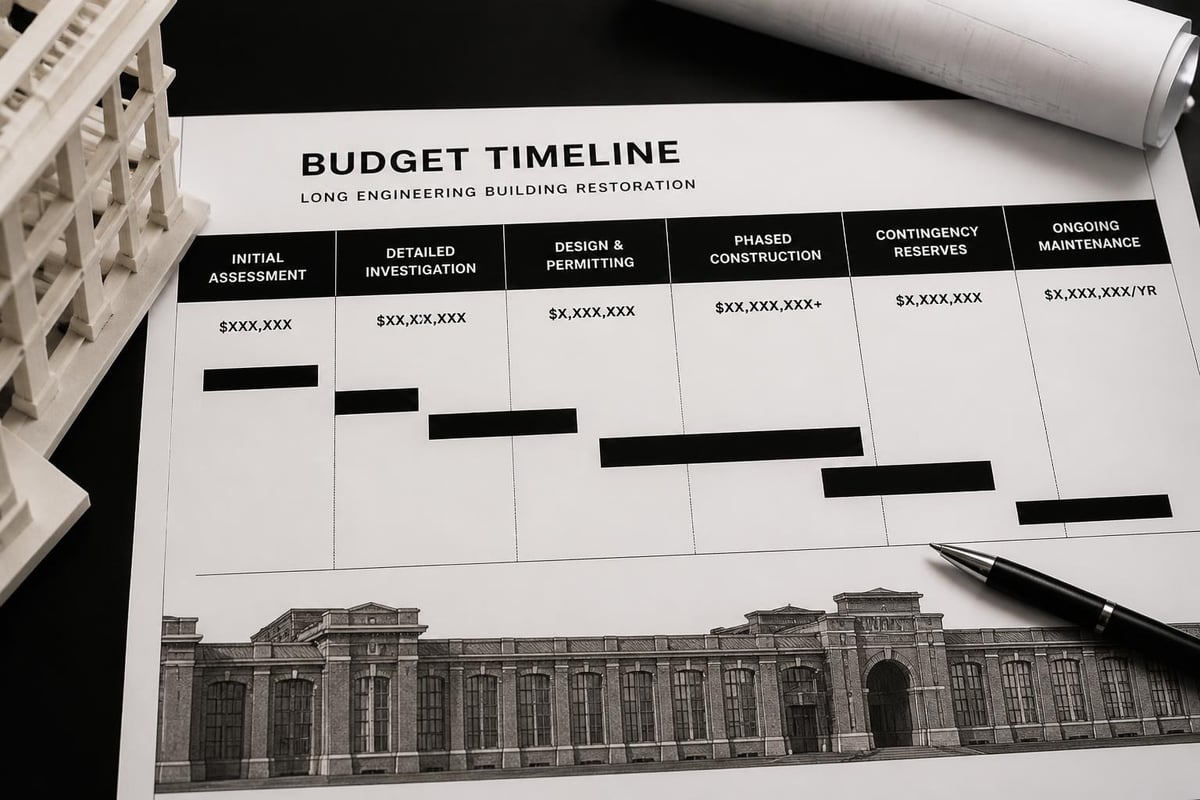
The comprehensive nature of long engineering necessitates sophisticated budget development and financial management. Property associations accustomed to predictable maintenance expenses often face sticker shock when confronting major recertification and repair programs.
Accurate Cost Estimation
Preliminary budgets developed during early investigation phases carry significant uncertainty. Engineers must communicate ranges rather than fixed numbers until sufficient information emerges. As projects progress through design and permitting, cost estimates refine into reliable construction budgets.
Contingency allocations protect against unforeseen conditions that investigation phases cannot completely eliminate. Conservative engineering practice recommends 15-25% contingencies for projects involving existing building renovations where hidden conditions remain possible despite thorough investigation.
Phased implementation strategies can spread financial impacts across multiple budget cycles:
- Emergency repairs addressing immediate safety hazards
- Priority repairs preventing accelerated deterioration
- Non-critical improvements enhancing building longevity
- Aesthetic upgrades improving property values
This approach allows associations to maintain operations while systematically addressing deficiencies identified during building recertification inspections.
Lessons from Completed Long Engineering Projects
Analyzing successful recertification and restoration projects reveals common success factors that transcend specific technical challenges. These insights help property owners and managers understand what separates efficient long engineering from projects that stumble through extended durations without productive outcomes.
Early Stakeholder Alignment
Projects beginning with clear governance structures and decision-making authority proceed more smoothly than those where approval processes remain ambiguous. Association boards benefit from designating technical liaisons empowered to make routine decisions without requiring full board votes for minor adjustments.
Engineering team consistency throughout project duration maintains institutional knowledge and reduces redundant explanations. When personnel changes become necessary, comprehensive documentation and structured transitions minimize disruption.
Quality Over Speed
Rushing long engineering projects inevitably produces suboptimal outcomes. Concrete needs proper curing time. Permit reviews follow established schedules that lobbying cannot accelerate. Forensic investigations require methodical data collection that shortcuts compromise.
The most successful projects embrace realistic timelines from inception, communicating clearly with stakeholders about unavoidable duration drivers. This transparency prevents frustration while allowing engineering teams to maintain quality standards.
Comprehensive Documentation Practices
Projects generating detailed records throughout all phases protect everyone involved. When questions arise months or years after completion, thorough documentation provides answers. For buildings facing subsequent recertification cycles, previous project records become invaluable references informing future work.
Photographic documentation captures conditions before, during, and after construction. These images serve legal, insurance, and technical purposes while creating visual narratives that complement written reports.
Future Trends in Long Engineering
The construction and engineering industries continue evolving through technological advancement and regulatory development. Several emerging trends will shape how long engineering projects unfold in coming years.
Predictive Analytics and AI
Machine learning systems analyzing building performance data, inspection findings, and environmental factors promise earlier detection of deterioration patterns. These capabilities could extend the autonomous long-horizon engineering concepts being explored in other technical fields into building diagnostics and maintenance planning.
Rather than waiting for visible defects, predictive models might recommend interventions based on probability assessments derived from similar building portfolios. This shift from reactive to predictive maintenance represents a fundamental evolution in property stewardship.
Integrated Design-Build Approaches
Traditional separation between engineering design and construction execution sometimes creates inefficiencies in long engineering projects. Integrated project delivery methods bringing engineers and contractors together from project inception enable more cohesive planning and execution.
Early contractor involvement allows construction feasibility assessment during design development, reducing unbuildable specifications and change orders. This collaboration particularly benefits concrete restoration and structural repair projects where construction methodology significantly impacts design decisions.
Sustainability and Resilience Focus
Climate change concerns drive increasing emphasis on building resilience and environmental performance. Long engineering projects now routinely consider sea-level rise projections, enhanced hurricane resistance, and energy efficiency alongside traditional structural safety objectives.
Materials selection increasingly weighs lifecycle performance and environmental impact rather than just initial cost and structural capacity. This broader perspective aligns naturally with long engineering thinking, which prioritizes enduring value over short-term expedience.
Building Industry Knowledge Through Long Engineering
The deliberate pace and comprehensive scope of long engineering projects create unique learning opportunities for everyone involved. Property managers gain deeper building system understanding. Association boards develop realistic expectations about maintenance requirements. Engineers refine technical skills through extended engagement with complex problems.
Professional Development Benefits
Engineers participating in multi-year recertification and restoration programs develop expertise impossible to acquire through brief project interactions. Understanding how buildings actually perform over time, observing repair effectiveness, and experiencing regulatory evolution firsthand creates wisdom beyond textbook knowledge.
Mentorship opportunities within long engineering projects allow experienced professionals to train next-generation engineers through sustained collaboration rather than brief assignments. This knowledge transfer strengthens the overall industry capability to address South Florida's demanding building stock challenges.
Industry Collaboration
Long engineering projects often bring together multiple firms contributing specialized expertise. Structural engineers collaborate with geotechnical consultants, electrical specialists, waterproofing experts, and construction managers. These interdisciplinary relationships foster knowledge sharing that benefits the broader professional community.
Lessons learned documentation from completed projects contributes to collective industry understanding about effective approaches, materials performance, and regulatory interpretation. Firms committed to continuous improvement actively share appropriate findings through professional organizations and industry publications.
Long engineering represents a fundamental mindset shift from quick fixes to comprehensive solutions that ensure structural integrity and regulatory compliance over extended timeframes. Property owners and associations facing milestone recertification requirements benefit enormously from partners who embrace thorough investigation, detailed planning, and sustained professional involvement throughout complex building projects. Souffront Construction and Engineering brings this comprehensive approach to South Florida properties, delivering integrated inspection, engineering, and construction services that protect your investment through every project phase.