Local Engineering: Building Safety & Compliance in 2026
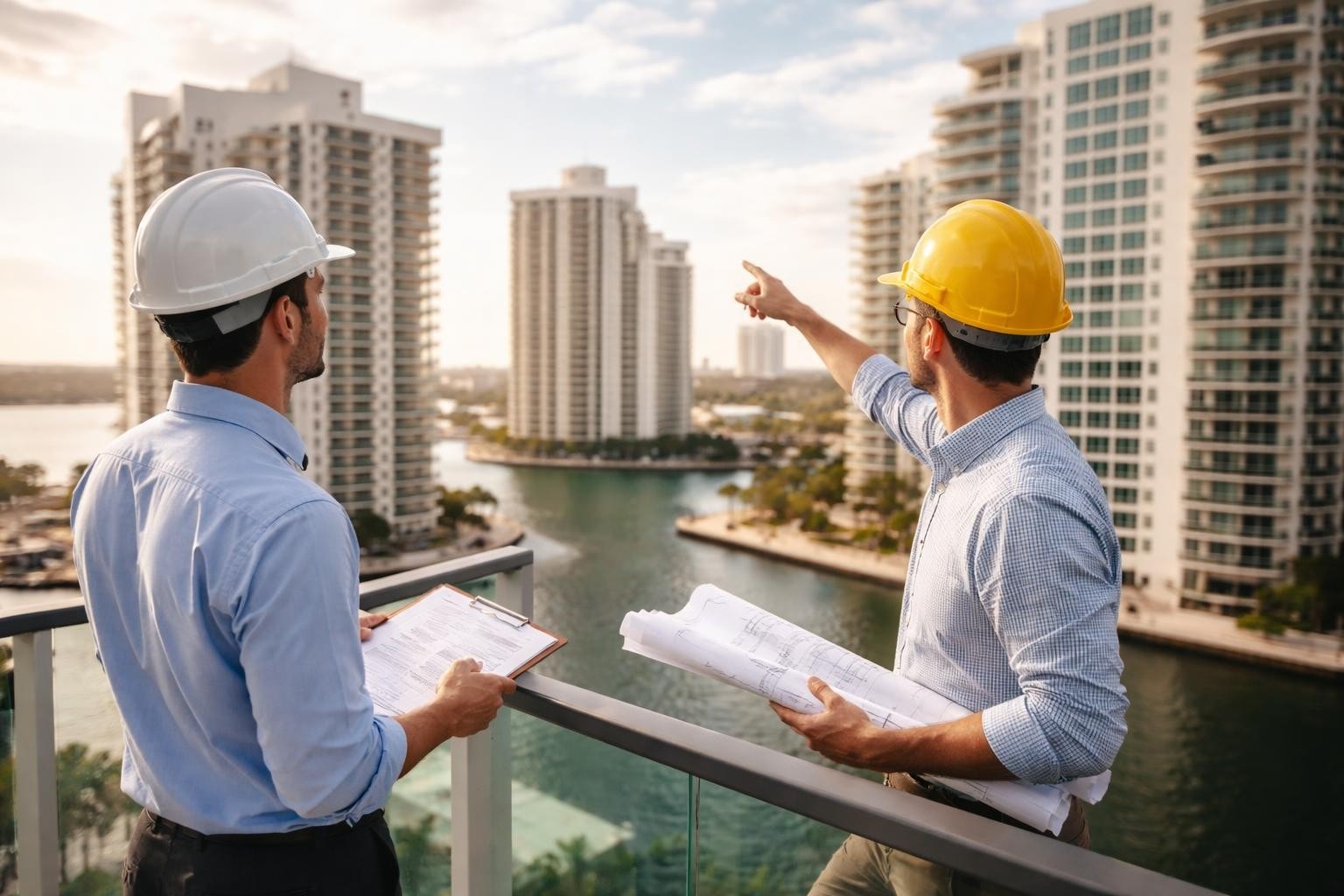
South Florida's aging building infrastructure demands a specialized approach that combines technical expertise with intimate knowledge of regional building codes, environmental challenges, and community needs. Local engineering has emerged as the cornerstone of property safety and compliance, particularly as regulations tighten following recent building failures and enhanced state mandates. This discipline extends far beyond traditional design work, encompassing everything from milestone inspections to emergency structural repairs, all delivered by professionals who understand the unique pressures facing coastal properties in 2026.
The Evolution of Local Engineering Services
The construction and engineering landscape has fundamentally shifted over the past decade. What once centered primarily on new construction now heavily emphasizes preservation, safety verification, and regulatory compliance for existing structures. This transformation has positioned local engineering firms as essential partners for property owners navigating increasingly complex building codes.
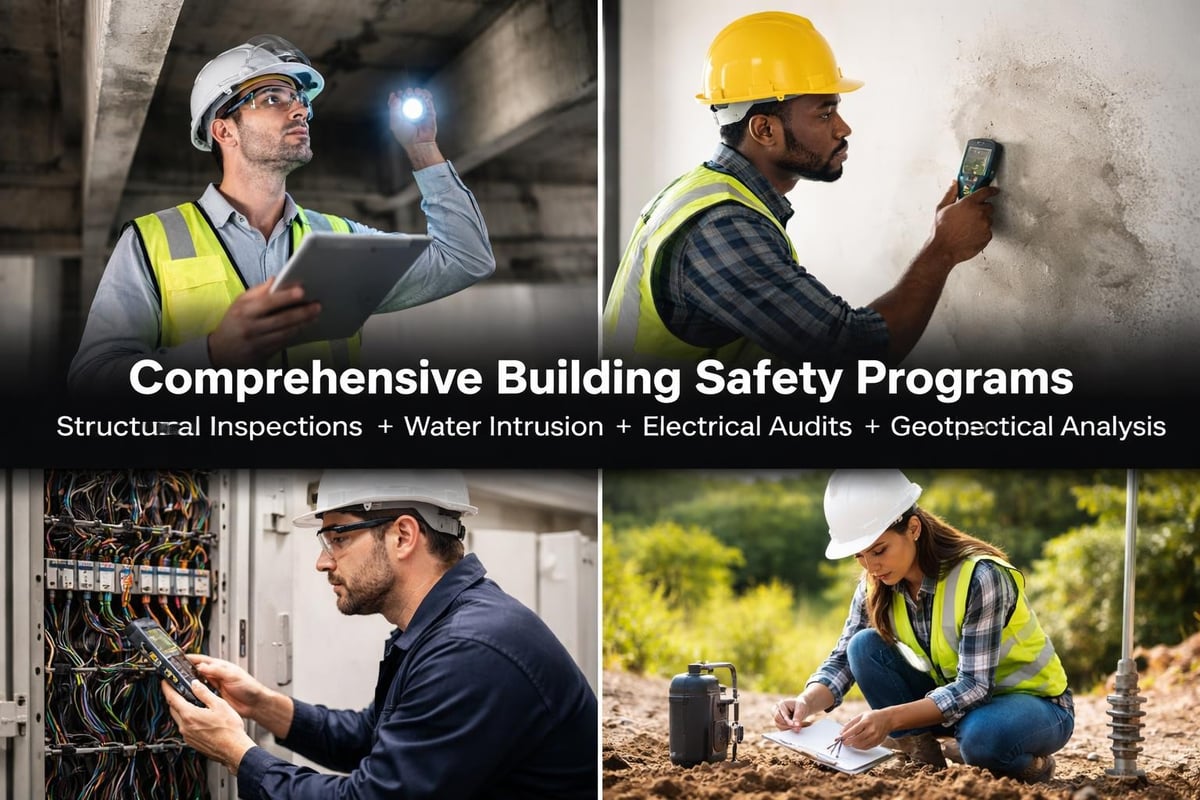
Modern local engineering encompasses multiple critical disciplines:
- Structural engineering and analysis for aging buildings
- Building recertification and milestone inspections
- Water intrusion investigations and remediation planning
- Electrical and mechanical system assessments
- Geotechnical evaluations for foundation concerns
- Emergency response and repair coordination
The engineering services market continues to expand, driven by infrastructure demands and sustainability requirements. South Florida represents a microcosm of these trends, where hurricane exposure, saltwater corrosion, and stringent life safety codes create constant demand for qualified engineering professionals.
Why Regional Expertise Matters
Distance matters in engineering. A firm based across the country cannot provide the rapid response, local code knowledge, or relationship network that South Florida properties require. Local engineering professionals maintain established connections with municipal building departments, understand regional soil conditions, and recognize construction patterns specific to Miami-Dade and Broward counties.
Consider the implications when a building requires milestone building inspections. The engineer must understand not just general structural principles but specific amendments to Florida Building Code, county-level variations in enforcement, and historical construction methods used in South Florida developments from the 1970s through today.
| Regional Advantage | Impact on Service Delivery |
|---|---|
| Code familiarity | Faster permit approvals and accurate compliance planning |
| Municipal relationships | Streamlined review processes and issue resolution |
| Climate understanding | Appropriate material specifications for coastal conditions |
| Response time | Same-day emergency assessments when needed |
| Local subcontractor network | Reliable construction teams for repair implementation |
Core Functions of Modern Local Engineering
Today's property owners face mounting pressure to maintain building safety while managing costs. Local engineering firms have adapted by offering integrated services that address multiple building systems simultaneously, reducing redundancy and improving project coordination.
Building Recertification and Compliance
Florida's enhanced recertification requirements have made building recertification milestone inspections a primary focus for local engineering practices. These comprehensive assessments evaluate structural integrity, life safety systems, and building envelope performance.
The process demands methodical evaluation across multiple building components. Engineers inspect concrete for deterioration, assess load-bearing capacity of structural members, verify electrical system safety, and identify water intrusion risks. Each finding must be documented with precision, as inspection reports form the basis for required repairs and municipal review.
Property managers benefit from local engineering support throughout the recertification cycle:
- Pre-inspection building audits to identify likely issues
- Formal inspection and detailed reporting
- Repair specification development
- Contractor selection and bid review
- Construction oversight and quality verification
- Final documentation and municipal submission
This comprehensive approach ensures nothing falls through the cracks. Engineering best practices emphasize systematic processes that maintain consistency and quality across all project phases.
Structural Engineering and Forensic Investigation
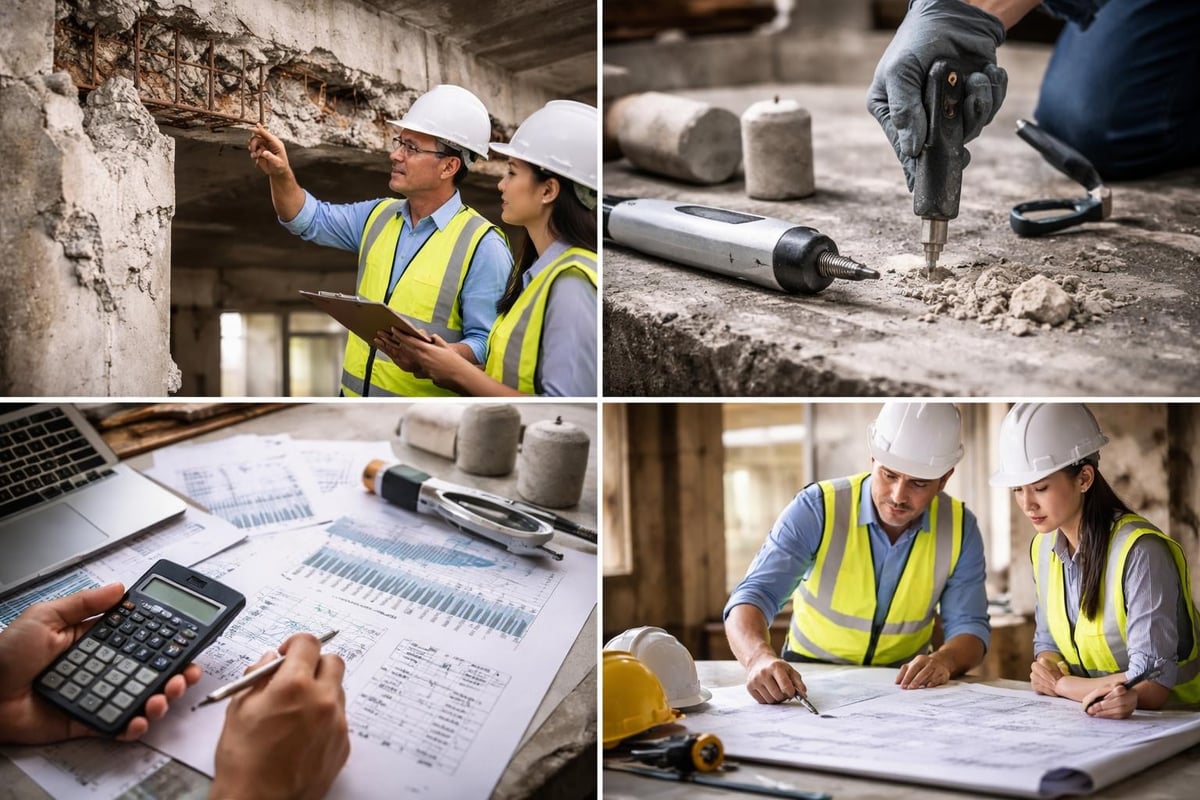
When buildings show signs of distress, local engineering expertise becomes critical. Cracks in concrete, deflection in beams, or settlement issues require immediate professional assessment. Structural engineering design analysis repair services combine diagnostic skill with practical repair solutions.
Forensic investigations often reveal complex failure mechanisms. A balcony showing visible deterioration might stem from inadequate waterproofing installed decades ago, reinforcing steel corrosion from saltwater exposure, or design deficiencies in the original construction. Local engineers familiar with regional construction history can quickly identify root causes and develop effective remediation strategies.
Technology Integration in Local Engineering Practice
The integration of AI and automation in engineering has transformed how local firms deliver services. Advanced diagnostic tools, building information modeling, and data analysis platforms enable more accurate assessments and efficient project delivery.
Thermal imaging technology has revolutionized water intrusion detection. Where traditional methods relied on visible evidence or destructive investigation, infrared cameras now identify moisture patterns behind finished surfaces. This non-invasive approach reduces investigation costs while providing comprehensive building envelope assessments.
Digital Documentation and Project Management
Modern local engineering practices leverage cloud-based platforms for project coordination. Property managers access inspection reports, review photos, track repair progress, and communicate with engineering teams through centralized portals. This transparency improves decision-making and keeps all stakeholders informed.
Technology applications in local engineering include:
- Drone photography for roof and facade inspections
- 3D laser scanning for precise dimensional documentation
- Digital load testing equipment with real-time data capture
- Mobile inspection apps for field documentation
- Collaborative design platforms for repair planning
These tools enhance service quality while reducing project timelines. An engineer can conduct a roof inspection via drone, process the imagery through analysis software, and deliver a detailed report within days rather than weeks.
Specialized Services for Coastal Properties
South Florida's coastal environment creates unique engineering challenges. Saltwater exposure accelerates concrete deterioration, high water tables complicate foundation work, and hurricane wind loads demand robust structural design. Local engineering firms specializing in coastal properties understand these variables and design solutions accordingly.
Water intrusion inspection services represent a critical specialty area. Chronic moisture problems plague many buildings, leading to mold growth, structural deterioration, and expensive interior damage. Engineers must identify entry points, evaluate existing waterproofing systems, and specify comprehensive remediation approaches.
| Water Intrusion Source | Engineering Assessment Required | Typical Solutions |
|---|---|---|
| Roof membrane failure | Infrared scanning, core sampling | Membrane replacement, flashing upgrades |
| Balcony waterproofing | Visual inspection, moisture testing | Traffic coating systems, drainage improvements |
| Window and door leaks | Water testing, sealant evaluation | Reglazing, flashing installation |
| Below-grade seepage | Hydrostatic pressure analysis | Waterproofing membranes, drainage systems |
| Plumbing failures | Leak detection, pipe assessment | Selective or full repipe programs |
Emergency Response Capabilities
Building emergencies demand immediate engineering response. Structural damage from vehicle impact, fire-weakened members, or sudden concrete spalling cannot wait for scheduled appointments. Local engineering firms maintain emergency response capabilities precisely because they understand their critical role in community safety.
When emergencies occur, local engineers provide rapid structural assessments, implement temporary shoring or bracing, coordinate with municipal authorities, and develop permanent repair solutions. This comprehensive response minimizes property damage, protects occupants, and accelerates building recovery.
The Economic Value of Local Engineering Partnerships
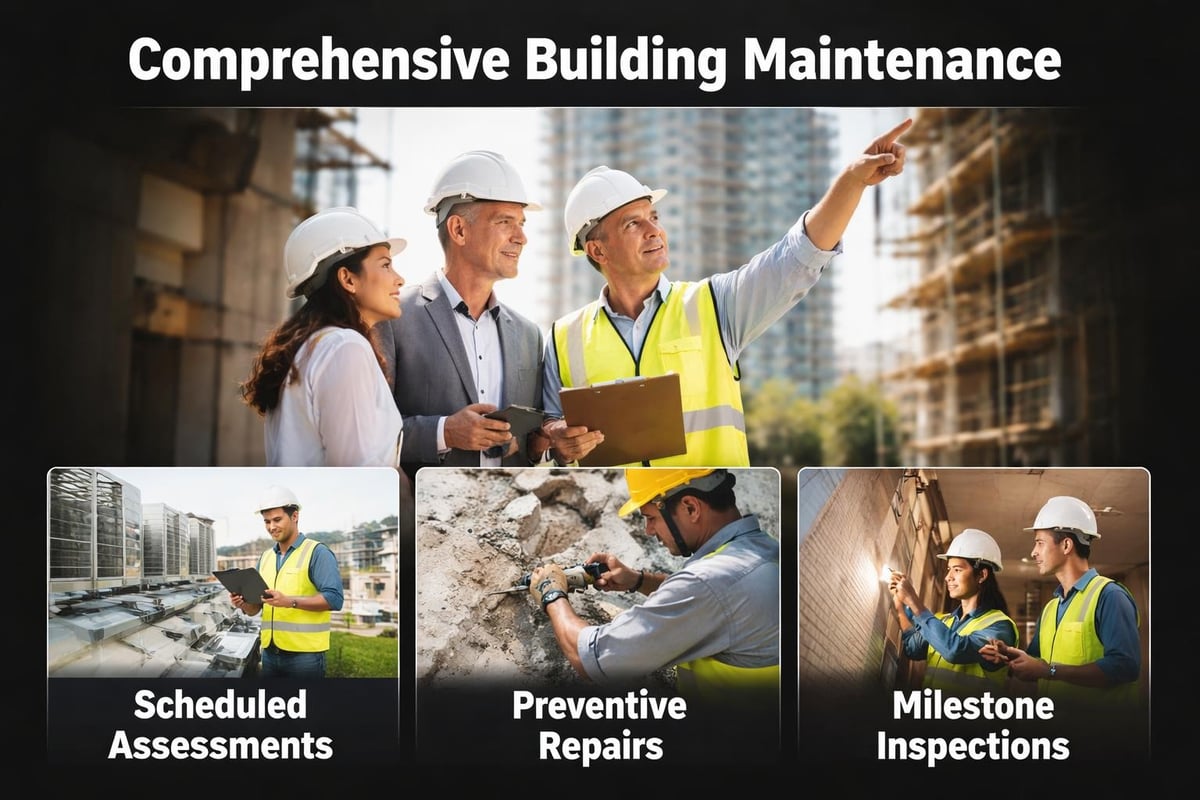
Property owners increasingly recognize that proactive engineering engagement delivers significant cost savings. Rather than waiting for visible failures or regulatory deadlines, forward-thinking managers establish ongoing relationships with local engineering firms.
Regular building assessments identify minor issues before they escalate into major failures. A small concrete crack noted during an annual inspection might cost hundreds to repair. That same crack, left unaddressed, could expand into widespread spalling requiring tens of thousands in restoration work.
The value proposition of ongoing local engineering support includes:
- Early detection of developing problems
- Planned maintenance scheduling that avoids emergency costs
- Budget forecasting based on actual building conditions
- Regulatory compliance without last-minute scrambling
- Enhanced property values through documented maintenance
- Reduced liability exposure from proactive safety management
Engineering workforce trends indicate growing demand for AI-driven engineering skills and specialized technical expertise. Property owners benefit by partnering with firms that invest in continuous professional development and cutting-edge diagnostic capabilities.
Selecting the Right Local Engineering Partner
Not all engineering firms offer equivalent expertise or service quality. Property owners must evaluate potential partners carefully, considering technical credentials, regional experience, service breadth, and communication capabilities.
Key qualifications for local engineering firms include:
- Professional licensure - Engineers licensed in Florida with active, clean records
- Insurance coverage - Adequate professional liability and general liability protection
- Municipal relationships - Established working relationships with local building departments
- Service integration - Ability to coordinate multiple disciplines (structural, electrical, geotechnical)
- Construction capabilities - In-house or trusted contractor relationships for repair implementation
- Communication standards - Clear reporting, responsive client service, and accessible project teams
The team behind engineering services significantly impacts project outcomes. Experienced professionals bring judgment that comes only from evaluating hundreds of buildings and managing complex repairs. They anticipate issues, recognize subtle warning signs, and develop cost-effective solutions based on proven approaches.
Service Range and Coordination
Comprehensive local engineering firms offer integrated services that address all building systems. This eliminates the coordination burden that arises when property owners must separately engage structural engineers, electrical consultants, and specialty contractors.
When a building requires recertification, the ideal partner provides structural assessment, electrical engineering system design audits, and construction services through a single point of contact. This integration streamlines project management, improves quality control, and often reduces overall costs through efficient resource utilization.
Regulatory Compliance and Documentation
Florida's building regulations continue evolving in response to safety concerns and changing environmental conditions. Local engineering firms must stay current with code amendments, administrative requirements, and enforcement practices across multiple jurisdictions.
Milestone building inspection SB4-D requirements exemplify the regulatory landscape property owners navigate. These mandates specify inspection timing, report content, engineer qualifications, and remediation timelines. Non-compliance carries serious consequences, including fines and potential building closure orders.
Documentation requirements for building recertification typically include:
- Detailed structural inspection reports with photographs
- Materials testing results and analysis
- Electrical system safety evaluations
- Life safety system verification
- Repair specifications and implementation schedules
- Professional engineer certification and seal
Local engineering firms familiar with municipal review processes prepare documentation that satisfies requirements the first time, avoiding costly resubmittals and delays.
Emerging Trends Shaping Local Engineering
The engineering profession continues evolving rapidly. Innovation through people, purpose, and progress emphasizes how AI, automation, and sustainability goals are transforming traditional practices. Local engineering firms that embrace these changes deliver superior value to property owners.
Sustainability has become central to building assessment and repair planning. Engineers now evaluate energy efficiency, water conservation, and environmental impact alongside traditional structural and safety considerations. Repair specifications increasingly incorporate sustainable materials and methods that reduce long-term environmental footprints.
Building information modeling (BIM) technology enables more sophisticated analysis and planning. Engineers create detailed digital twins of existing structures, facilitating "what-if" scenario analysis and precise repair quantity takeoffs. This technology improves accuracy while providing property owners with visual tools for understanding complex technical issues.
The Human Element in Technical Service
Despite technological advancement, local engineering remains fundamentally a relationship business. Property owners value engineers who communicate clearly, respond promptly, and demonstrate genuine concern for building safety and client objectives.
The best local engineering firms balance technical excellence with service orientation. They explain complex issues in understandable terms, present options with transparent cost implications, and maintain accessibility throughout project lifecycles. This client-focused approach builds long-term partnerships that benefit both property owners and engineering professionals.
Future-Proofing Buildings Through Strategic Engineering
Looking ahead, buildings face mounting challenges from climate change, aging infrastructure, and evolving use patterns. Local engineering partnerships help property owners navigate these challenges through strategic planning and proactive management.
Structural Integrity Reserve Studies (SIRS) represent one approach to long-term building management. These comprehensive assessments evaluate all major building components, project remaining service lives, and develop funded reserve plans for future maintenance and replacement.
This forward-looking approach transforms building management from reactive crisis response to strategic stewardship. Property owners gain visibility into upcoming needs, budget accordingly, and maintain buildings in superior condition that preserves property values and resident satisfaction.
Local engineering delivers the technical expertise, regional knowledge, and integrated services that South Florida property owners need to maintain safe, compliant, and valuable buildings in an increasingly complex regulatory environment. By partnering with experienced professionals who understand coastal construction challenges and evolving building codes, property managers gain confidence that their structures receive the specialized attention they require. Souffront Construction and Engineering provides comprehensive inspection, engineering, and construction services throughout South Florida, helping property owners protect their investments through professional, code-conscious solutions backed by deep regional expertise and commitment to building safety.