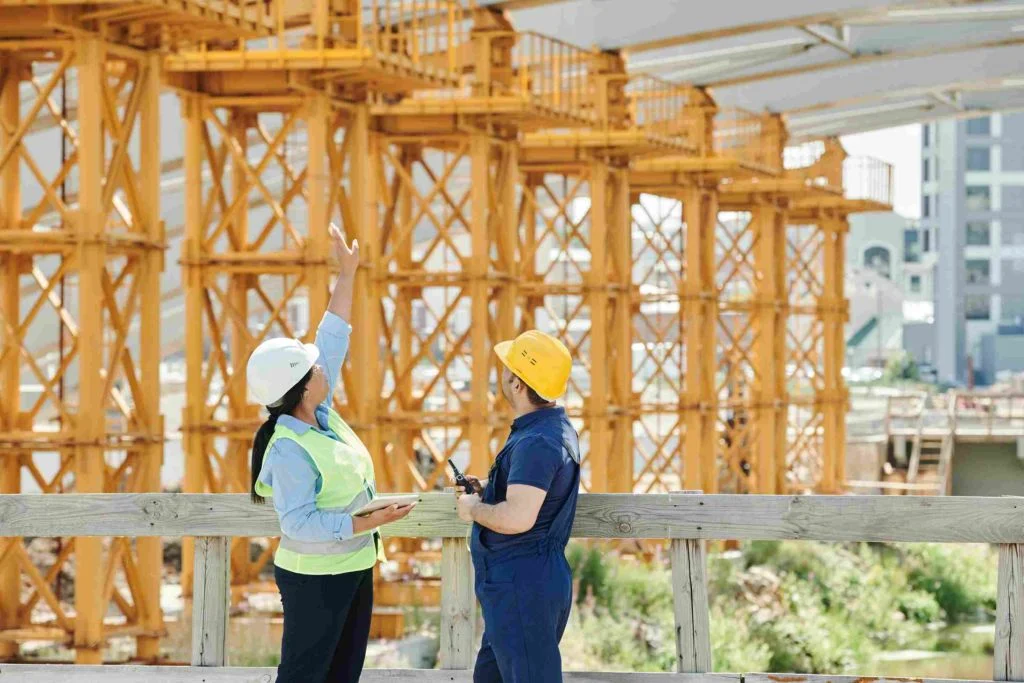
Construction Site Engineer: Roles & Responsibilities
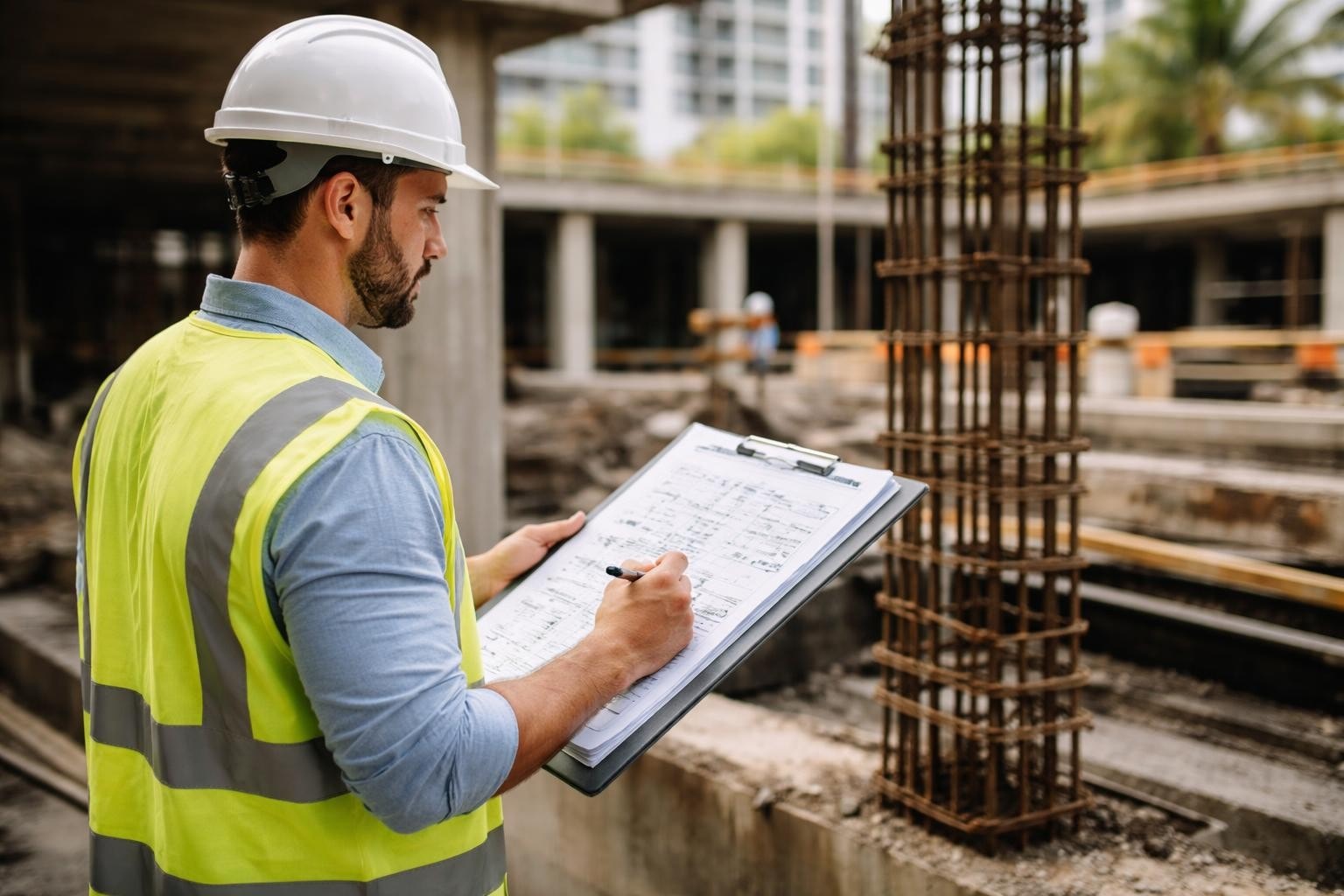
The construction industry in 2026 demands professionals who can bridge technical knowledge with practical field execution. A construction site engineer stands at this critical intersection, managing everything from regulatory compliance to structural integrity assessments. In South Florida, where milestone building recertification requirements have become increasingly stringent following recent legislative changes, these engineers play an essential role in protecting property values and ensuring public safety. Their responsibilities span inspection protocols, restoration planning, and coordination between multiple stakeholders including property owners, contractors, and municipal authorities.
The Core Responsibilities of a Construction Site Engineer
A construction site engineer manages the technical aspects of construction projects from inception through completion. This role requires deep understanding of structural systems, building codes, and construction methodologies. Construction site engineers oversee project planning and execution, ensuring that all work meets design specifications and regulatory requirements.
Daily Project Management and Oversight
The typical workday involves site inspections, progress documentation, and problem-solving. Engineers review contractor work, verify material specifications, and ensure compliance with approved plans. They maintain detailed records of construction activities, weather conditions, and any deviations from original designs.
Key daily tasks include:
- Conducting morning safety briefings and toolbox talks
- Reviewing shop drawings and submittal documents
- Coordinating deliveries and equipment schedules
- Monitoring quality control procedures
- Updating project schedules and progress reports
These responsibilities become particularly critical during milestone building inspections, where engineers must document existing conditions and identify code violations or structural deficiencies.

Technical Documentation and Compliance
Documentation represents a cornerstone of effective site engineering. Every decision, modification, and observation must be recorded for legal protection and future reference. Engineers prepare detailed reports that communicate technical findings to non-technical stakeholders including property managers and association boards.
The documentation process involves creating as-built drawings, maintaining daily logs, and preparing inspection reports. For recertification projects, this documentation becomes part of the permanent building record submitted to local authorities. Structural engineering professionals rely on these records when designing repair solutions for aging structures.
| Document Type | Purpose | Frequency | Retention Period |
|---|---|---|---|
| Daily Reports | Activity tracking | Daily | 7 years minimum |
| Inspection Logs | Code compliance | Per milestone | Permanent |
| Change Orders | Design modifications | As needed | Permanent |
| Safety Reports | Incident documentation | Weekly | 10 years minimum |
Critical Skills for Modern Construction Site Engineers
The construction site engineer role demands a unique combination of technical expertise and interpersonal abilities. While engineering fundamentals form the foundation, success requires proficiency in communication, problem-solving, and project management.
Technical Competencies and Professional Credentials
Most construction site engineers hold bachelor's degrees in civil or structural engineering. However, the path to becoming a licensed Professional Engineer (PE) involves passing the Fundamentals of Engineering exam, gaining four years of experience, and passing the PE exam. Purdue University's construction engineering resources explain how obtaining a PE license enhances career prospects and professional credibility.
Essential technical skills:
- Structural analysis capabilities for evaluating load-bearing systems
- Building code knowledge across multiple jurisdictions
- CAD and BIM software proficiency for plan review and coordination
- Material science understanding for concrete, steel, and composite systems
- Geotechnical awareness for foundation assessment
In South Florida's coastal environment, engineers must also understand corrosion mechanisms, salt exposure effects, and water intrusion patterns. Forensic water intrusion investigations often require specialized knowledge of building envelope systems and moisture migration pathways.
Communication and Stakeholder Management
Site engineers serve as the primary communication link between design professionals, contractors, and property owners. This requires translating complex engineering concepts into accessible language for diverse audiences.
Effective stakeholder management involves regular progress meetings, transparent reporting of challenges, and proactive solution development. When issues arise during concrete restoration projects, engineers must quickly assess options, estimate costs, and present recommendations to decision-makers.
Communication extends beyond verbal exchanges. Written reports must clearly convey technical findings while remaining comprehensible to property managers and board members who lack engineering backgrounds.
The Construction Site Engineer in Building Recertification
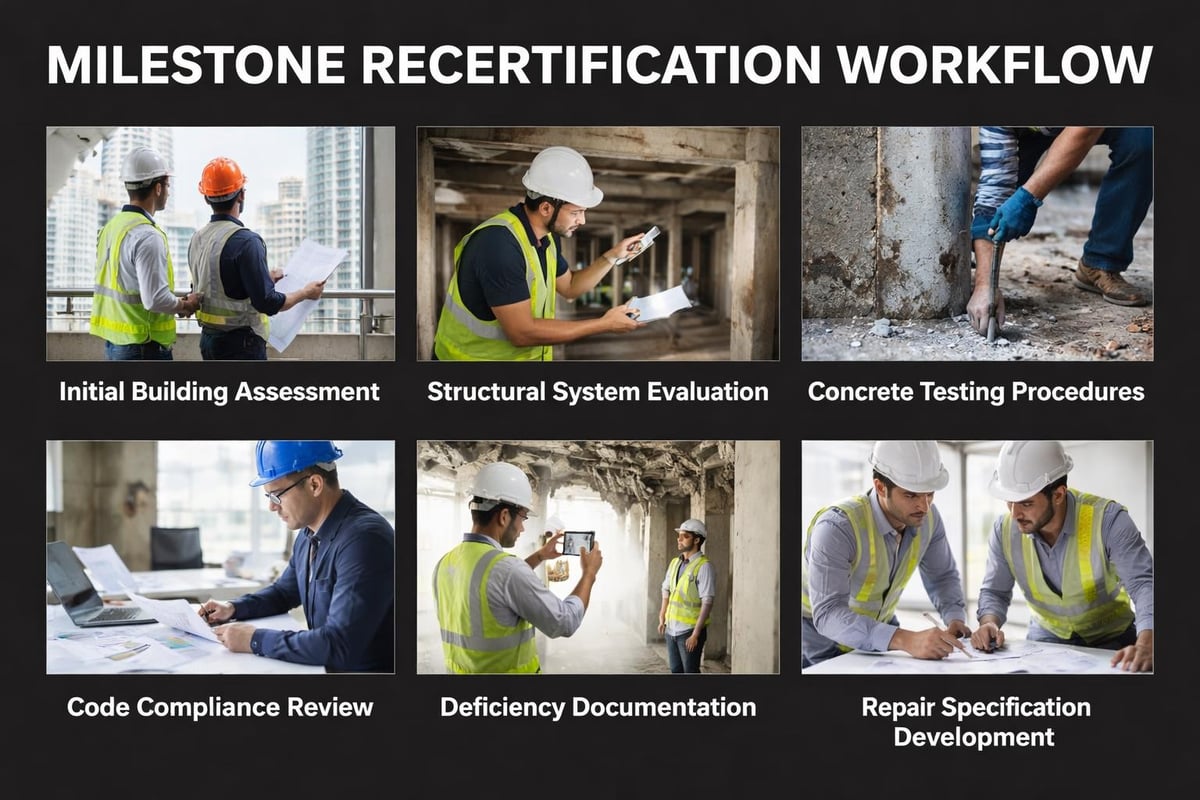
South Florida's building recertification requirements have transformed the construction site engineer's role in recent years. Following the implementation of stricter milestone inspection protocols, engineers now bear greater responsibility for identifying structural deficiencies and recommending appropriate remediation strategies.
Inspection Protocols and Structural Assessment
The recertification process begins with comprehensive building evaluations. Engineers examine structural frames, foundations, roof systems, and building envelopes for signs of deterioration or code violations. This systematic approach ensures no critical deficiency goes undetected.
During 40-year building recertification inspections, construction site engineers deploy various assessment techniques:
- Visual inspections to identify surface-level damage and deterioration
- Probe testing for concrete delamination and reinforcement corrosion
- Core sampling to evaluate concrete strength and composition
- Infrared thermography for detecting hidden moisture and insulation defects
- Load testing when structural capacity questions arise
Recent research on vision-based systems demonstrates how technological advances support construction site safety monitoring and inspection accuracy, though human expertise remains irreplaceable for complex structural assessments.
Coordinating Restoration and Repair Work
After identifying deficiencies, the construction site engineer transitions from assessment to remediation planning. This involves developing repair specifications, obtaining contractor quotes, and coordinating construction activities to minimize disruption.
The restoration phase requires careful sequencing. Concrete restoration work often must occur before addressing secondary systems like railings or waterproofing. Engineers prepare detailed scopes of work that specify materials, methods, and quality standards contractors must meet.
| Restoration Phase | Engineer's Role | Key Deliverables |
|---|---|---|
| Pre-Construction | Develop specifications | Bid packages, drawings |
| Contractor Selection | Evaluate proposals | Recommendation report |
| Construction | Monitor compliance | Daily reports, photos |
| Completion | Final inspection | Certification letter |
Budget Management and Cost Control
Financial stewardship represents a critical yet often overlooked aspect of the construction site engineer's responsibilities. Property owners and associations rely on engineers to provide accurate cost estimates and prevent budget overruns through proactive management.
Estimating and Budget Development
Accurate cost estimation requires understanding material prices, labor rates, and regional market conditions. In 2026, supply chain considerations and skilled labor availability significantly impact project costs. Engineers must account for these variables when preparing budgets for recertification projects.
The estimation process involves quantity takeoffs from inspection findings, unit price application, and contingency allocation. Understanding 40-year recertification costs helps engineers develop realistic budgets that prevent financial surprises for property owners.
Budget components typically include:
- Structural repairs and concrete restoration
- Building envelope improvements
- Electrical system upgrades
- Plumbing system repairs
- Permit fees and engineering costs
- Contingency reserves for unforeseen conditions
Value Engineering and Cost Optimization
When budgets prove challenging, construction site engineers employ value engineering to identify cost-effective alternatives without compromising safety or code compliance. This might involve alternative materials, phased construction approaches, or modified design solutions.
Engineers evaluate each proposed change for its impact on structural performance, longevity, and maintenance requirements. Short-term savings that create long-term liabilities serve no one's interests, so recommendations must balance immediate affordability with life-cycle costs.
Safety Management and Regulatory Compliance
Construction sites present inherent hazards that demand constant vigilance. The construction site engineer bears ultimate responsibility for safety program implementation and regulatory compliance across all project phases.
OSHA Standards and Safety Protocols
Federal OSHA regulations establish minimum safety standards, but construction site engineers often implement more stringent site-specific requirements based on project conditions. Fall protection, electrical safety, and excavation protocols require particular attention in building renovation and restoration work.
Practical guides on site engineer responsibilities emphasize the importance of proactive safety management rather than reactive incident response. Daily safety inspections, weekly toolbox talks, and ongoing training help maintain safe work environments.
The integration of technology enhances safety oversight. Machine learning applications in construction safety show promise for automated hazard detection, though human judgment remains essential for complex safety assessments.

Permit Acquisition and Code Enforcement
Navigating municipal permitting processes represents another crucial engineering responsibility. Different jurisdictions maintain varying requirements for structural repairs, electrical work, and building modifications. Engineers must understand local code provisions and permitting procedures to avoid project delays.
For milestone building recertification projects, permit requirements often extend beyond typical construction work. Structural modifications identified during inspections require engineering calculations, sealed drawings, and formal approval before contractors can proceed.
Technology Integration in Modern Site Engineering
The construction industry's digital transformation has fundamentally changed how construction site engineers perform their work. Mobile technology, cloud-based collaboration platforms, and advanced inspection tools enhance efficiency and accuracy across all project phases.
Digital Documentation and Project Management Software
Cloud-based project management platforms enable real-time collaboration between field engineers, office staff, and contractors. Digital daily reports, photo documentation, and progress tracking replace paper-based systems that proved cumbersome and error-prone.
These platforms integrate with building information modeling (BIM) systems, allowing engineers to compare as-built conditions against original designs. For renovation projects involving older buildings without digital records, engineers create new BIM models based on field measurements and observations.
Technology benefits include:
- Instant access to project documents from any location
- Automated report generation and distribution
- Centralized photo and video libraries
- Real-time budget tracking and cost reporting
- Improved coordination between multiple trades
Advanced Inspection Technologies
Modern inspection equipment provides construction site engineers with capabilities previous generations could only imagine. Infrared thermal imaging reveals hidden moisture intrusion and insulation defects invisible to conventional inspection methods. Ground-penetrating radar locates reinforcing steel and post-tension cables within concrete elements.
Drones equipped with high-resolution cameras enable detailed roof and facade inspections without scaffolding or lifts. Research on construction site object detection demonstrates how computer vision applications enhance inspection accuracy and efficiency.
These technologies complement rather than replace traditional inspection methods. Engineers must interpret data from multiple sources to form comprehensive assessments of structural conditions and repair requirements.
Career Development and Professional Growth
The construction site engineer role offers substantial opportunities for career advancement and specialization. Professionals can pursue various paths depending on their interests and aptitudes.
Specialization Opportunities
Many engineers develop expertise in specific building systems or project types. Some focus exclusively on concrete restoration and structural repairs, while others specialize in building envelope systems or MEP coordination. Geotechnical engineering represents another specialization area particularly relevant for foundation assessments and soil stabilization projects.
Recertification work has created demand for engineers specializing in assessment and remediation of aging structures. These specialists understand deterioration mechanisms, testing methodologies, and cost-effective repair strategies for buildings reaching their 40-year or 50-year milestones.
Continuing Education and Professional Development
Professional licensure requires ongoing continuing education to maintain current knowledge of code changes, new materials, and emerging construction technologies. Many engineers pursue additional certifications in specialized areas like forensic engineering, construction management, or building envelope systems.
Industry associations provide networking opportunities and educational resources. Participation in professional organizations keeps engineers informed about regulatory changes and industry best practices while building relationships with peers and potential employers.
Challenges Facing Construction Site Engineers in 2026
The construction industry faces numerous challenges that directly impact site engineers' daily work. Understanding these challenges helps engineers develop strategies for successful project delivery despite obstacles.
Labor Shortages and Skilled Trade Availability
The construction industry's ongoing labor shortage creates scheduling challenges and quality control concerns. Fewer experienced tradespeople mean engineers must provide more detailed oversight and training to ensure work meets specifications.
This situation requires construction site engineers to adapt their management approaches. More frequent inspections, enhanced quality control protocols, and clearer work instructions help maintain standards when working with less experienced crews.
Material Supply Chain Disruptions
Global supply chain issues continue affecting material availability and pricing in 2026. Long lead times for specialized products require engineers to plan further ahead and maintain flexibility when substitutions become necessary.
Engineers must stay informed about product availability and maintain relationships with multiple suppliers. Early procurement of critical materials prevents project delays, while approved alternate materials lists provide options when first choices prove unavailable.
Climate Adaptation and Resilience Requirements
South Florida's vulnerability to extreme weather events increasingly influences construction practices and building codes. Construction site engineers must consider climate resilience when evaluating existing structures and designing repair solutions.
Enhanced wind resistance requirements, flood mitigation measures, and corrosion protection standards reflect this evolving regulatory landscape. Engineers working on building recertification projects often recommend upgrades beyond minimum code requirements to improve long-term resilience.
The Construction Site Engineer's Impact on Project Success
Ultimately, construction site engineers determine whether projects meet their objectives for quality, schedule, and budget. Their technical expertise prevents costly mistakes, while their management skills keep projects moving forward despite inevitable challenges.
Quality Assurance and Long-Term Performance
The construction site engineer's commitment to quality affects building performance for decades. Proper concrete placement, adequate curing procedures, and correct waterproofing installation prevent future deterioration and expensive repairs.
This quality focus proves particularly important for structural repairs on buildings undergoing recertification. Concrete restoration work must not only address immediate deficiencies but also provide long-term durability in South Florida's harsh coastal environment.
Risk Mitigation and Problem Prevention
Experienced construction site engineers anticipate problems before they occur. They recognize site conditions that might complicate work, identify potential design conflicts, and develop contingency plans for various scenarios.
This proactive approach minimizes disruptions and controls costs. Rather than reacting to problems after they arise, effective engineers prevent issues through careful planning and vigilant oversight.
The construction site engineer serves as the essential link between engineering design and physical construction reality. Their technical knowledge, management abilities, and commitment to quality ensure projects meet safety standards, code requirements, and owner expectations. For South Florida property owners facing milestone building recertification requirements, partnering with experienced professionals makes the difference between smooth compliance and costly complications. Souffront Construction and Engineering provides comprehensive inspection, engineering, and construction services that guide properties through recertification while protecting long-term value and structural integrity.