Construction Engineer Technology: Innovation in Building
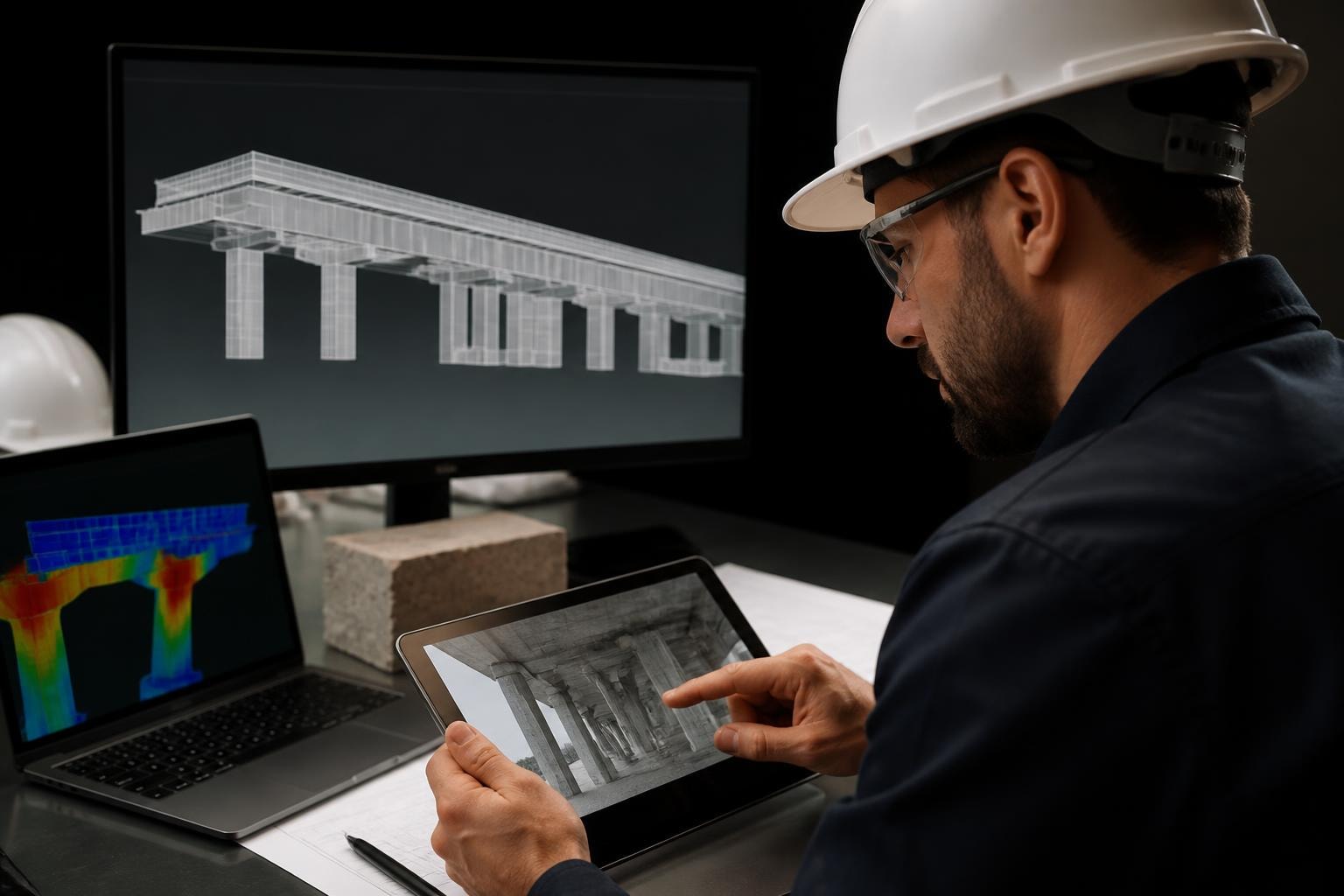
The construction industry stands at a critical intersection between traditional practices and digital innovation. Construction engineer technology has evolved dramatically over the past decade, reshaping how professionals approach building design, inspection, and restoration. For property owners and managers in South Florida, understanding these technological advances isn't just about staying current-it's about ensuring building safety, regulatory compliance, and long-term structural integrity.
The Foundation of Modern Construction Engineering
Construction engineer technology encompasses a broad spectrum of digital tools, software platforms, and analytical methods that enhance every phase of building projects. From initial design through ongoing maintenance and recertification, these technologies provide engineers with unprecedented capabilities to assess, predict, and solve structural challenges.
Modern construction engineering relies on several core technology categories:
- Building Information Modeling (BIM) systems for 3D visualization and coordination
- Structural analysis software for load calculations and safety assessments
- Inspection technologies including drones, sensors, and imaging equipment
- Project management platforms for scheduling and resource allocation
- Data analytics tools for predictive maintenance and performance monitoring
The integration of these systems creates a comprehensive approach to construction challenges. When structural engineering services leverage advanced technology, they can identify potential failures before they become critical issues, saving property owners significant expense and protecting occupant safety.
Digital Inspection and Assessment Tools
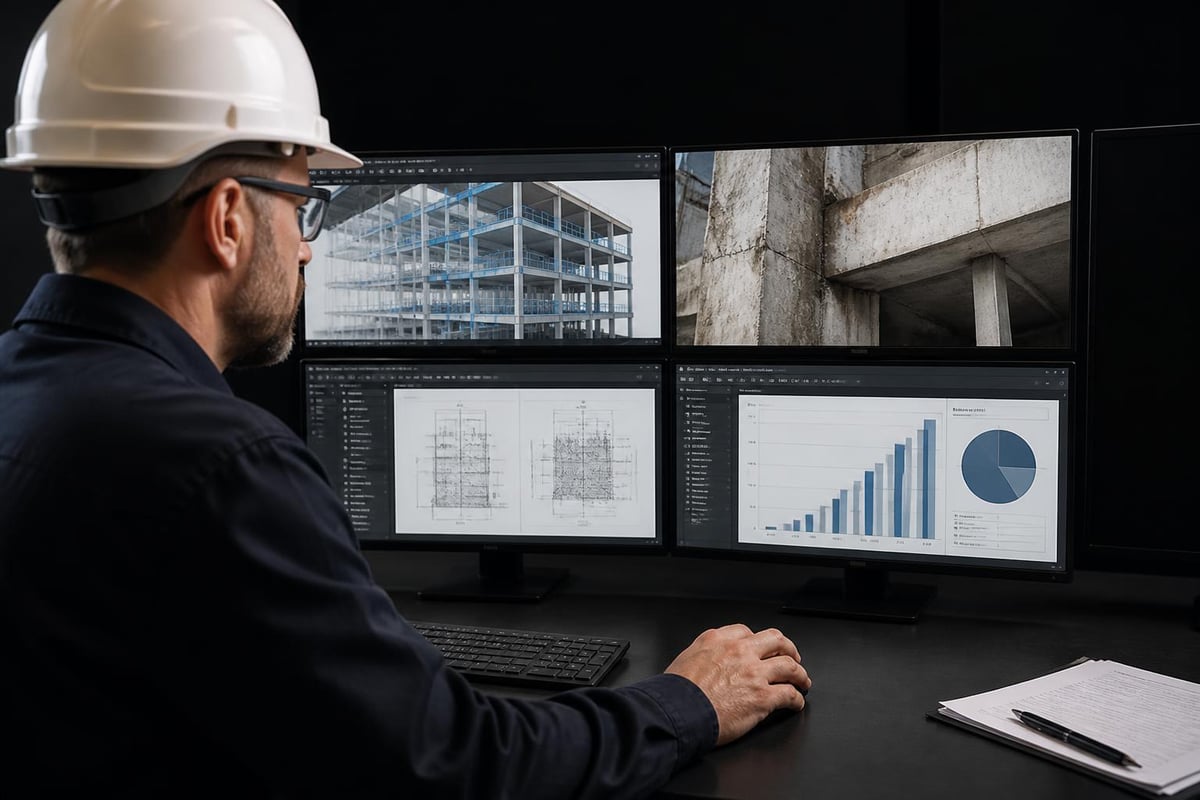
The transformation of inspection methodologies represents one of the most significant advances in construction engineer technology. Traditional visual inspections, while still valuable, now combine with sophisticated diagnostic equipment to provide deeper insights into building conditions.
Infrared thermography has become an essential tool for identifying hidden moisture intrusion, electrical hotspots, and insulation deficiencies. This non-invasive technology allows engineers to detect problems that would remain invisible during conventional inspections. For buildings approaching their milestone building inspections, thermal imaging can reveal deterioration patterns that inform targeted restoration strategies.
Ground-penetrating radar and ultrasonic testing provide similar non-destructive evaluation capabilities. These technologies enable engineers to assess concrete integrity, locate reinforcing steel, and measure structural element thickness without damaging existing materials. The American Society of Civil Engineers regularly publishes updates on best practices for implementing these inspection technologies in professional practice.
| Technology Type | Primary Application | Key Benefit |
|---|---|---|
| Infrared Thermography | Water intrusion, electrical assessment | Non-invasive detection |
| Ground-Penetrating Radar | Concrete evaluation, rebar location | Subsurface imaging |
| Ultrasonic Testing | Material thickness, void detection | Precise measurements |
| Drone Photogrammetry | Roof/facade inspection, documentation | Safe access to heights |
| 3D Laser Scanning | As-built documentation, deformation analysis | Comprehensive spatial data |
Software Solutions Transforming Project Delivery
Construction engineer technology extends far beyond physical inspection tools. Software platforms now handle complex calculations, coordinate multiple disciplines, and maintain comprehensive project documentation throughout a building's lifecycle.
Structural analysis programs enable engineers to model complex loading scenarios and evaluate building performance under various conditions. These applications consider factors including wind loads, seismic activity, live loads, and material degradation over time. For coastal South Florida properties, software can model the specific challenges of saltwater exposure and hurricane-force wind events.
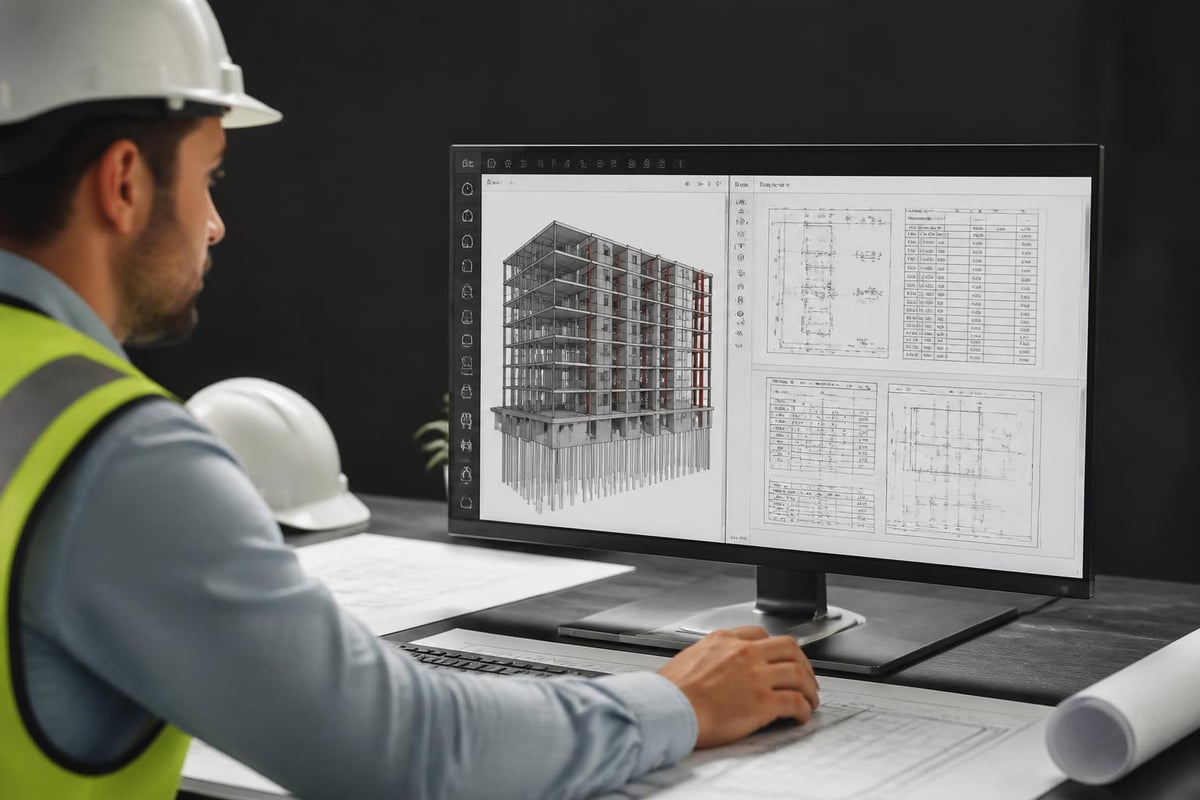
Building Information Modeling represents perhaps the most transformative software category in modern construction. BIM platforms create intelligent 3D models that incorporate structural, architectural, mechanical, electrical, and plumbing systems in a coordinated digital environment. This coordination dramatically reduces conflicts during construction and provides a valuable reference throughout the building's operational life.
Research from the National Institute of Standards and Technology demonstrates that effective implementation of construction engineer technology correlates with improved project outcomes, reduced costs, and enhanced safety performance.
Data-Driven Decision Making
Modern construction engineer technology generates vast quantities of data from sensors, inspections, and monitoring systems. The real value emerges when this data informs strategic decisions about maintenance, repairs, and capital improvements.
Predictive analytics apply machine learning algorithms to historical performance data, identifying patterns that indicate potential failures. For properties subject to building recertification requirements, these analytical approaches help prioritize repairs based on actual risk rather than arbitrary schedules.
Sensor networks embedded in building systems provide continuous monitoring of critical parameters. Structural health monitoring systems track building movement, vibration, and strain in real-time, alerting engineers to developing problems before they compromise safety. Environmental sensors monitor humidity, temperature, and other conditions that affect material durability.
The Construction Industry Institute maintains extensive research on how data analytics and automation technologies improve capital project performance across various building types and project scales.

Emerging Technologies Reshaping Construction Practice
The pace of technological innovation continues to accelerate. Several emerging technologies promise to further transform how construction engineers approach their work in the coming years.
Artificial intelligence and machine learning applications are expanding rapidly throughout the construction sector. Recent research explores implementing GPT models for tasks ranging from code compliance checking to construction scheduling optimization. While these technologies remain in early adoption phases, they demonstrate significant potential for automating routine engineering tasks and enhancing decision-making processes.
Virtual and augmented reality technologies create immersive environments for design review, safety training, and construction coordination. Engineers can walk through digital building models before construction begins, identifying conflicts and optimizing systems. Studies on virtual and augmented reality adoption in construction indicate growing interest despite implementation challenges.
- Digital twin technology creates virtual replicas of physical buildings
- Autonomous drones conduct routine inspections without human pilots
- Robotic construction equipment performs repetitive tasks with consistent quality
- Blockchain systems provide secure, transparent project documentation
- Cloud-based collaboration platforms enable real-time coordination across distributed teams
Practical Applications for Building Owners
Property owners and managers benefit directly from construction engineer technology advances, even if they never interact with the tools themselves. When selecting engineering and construction partners, understanding technological capabilities provides insight into the quality and efficiency of services delivered.
For concrete restoration projects, advanced diagnostic technology ensures accurate problem identification before repairs begin. This precision prevents unnecessary work while ensuring that critical issues receive appropriate attention. Thermal imaging may reveal water intrusion patterns that explain concrete deterioration, guiding both immediate repairs and long-term waterproofing strategies.
Building recertification processes benefit substantially from technology integration. Engineers can combine visual inspection data with sensor readings, materials testing results, and historical maintenance records to create comprehensive structural assessments. This holistic approach provides property owners with clearer understanding of building conditions and more accurate projections of future maintenance needs.
| Service Area | Technology Application | Owner Benefit |
|---|---|---|
| Structural Inspections | 3D laser scanning, photogrammetry | Detailed condition documentation |
| Water Intrusion Assessment | Thermal imaging, moisture meters | Accurate problem identification |
| Concrete Restoration | GPR, ultrasonic testing | Targeted repair specifications |
| Electrical System Evaluation | Thermography, power quality analysis | Safety verification, code compliance |
| Project Management | Cloud platforms, scheduling software | Transparent timelines and costs |
Integration Challenges and Implementation Strategies
Despite significant benefits, implementing construction engineer technology presents challenges for engineering firms and their clients. Technology adoption requires investment in software licenses, hardware equipment, and staff training. Smaller firms may struggle to justify these costs, particularly when competing against larger organizations with established technology infrastructures.
Interoperability between different software platforms remains a persistent issue. A structural engineer may use one analysis program while the architect employs a different BIM platform, creating potential coordination problems. Industry standards like the Industry Foundation Classes (IFC) format help address these challenges, but full seamless integration remains an ongoing effort.
The CPWR Data Center provides valuable insights into how technology implementation affects construction safety and productivity, highlighting both opportunities and challenges in adopting new tools and methods.
Training and Workforce Development
Construction engineer technology evolves faster than traditional educational programs can adapt. Engineers entering the profession today need both fundamental engineering knowledge and proficiency with rapidly changing digital tools. Continuing education becomes essential for practicing professionals who must maintain competency throughout their careers.
Professional organizations and technology vendors offer training programs ranging from basic software tutorials to advanced certification courses. Many engineering firms establish internal training initiatives to ensure consistent technology use across their teams. For specialized applications like forensic water intrusion investigations, engineers may require equipment-specific training from manufacturers.
Successful technology implementation requires:
- Leadership commitment to investing in tools and training
- Clear protocols for data management and quality control
- Integration of technology workflows with existing processes
- Regular assessment of technology effectiveness and ROI
- Continuous learning culture that embraces innovation
Regulatory Considerations and Code Compliance
Construction engineer technology must support, not conflict with, regulatory requirements and building codes. South Florida's stringent building standards reflect the region's hurricane exposure and coastal environment. Engineers must ensure that their technological tools and methodologies align with local, state, and national regulations.
Digital documentation created through modern inspection and analysis technologies can strengthen compliance demonstrations. When properly implemented, technology provides comprehensive records that verify code adherence and support permit applications. For electrical system upgrades, detailed thermal imaging reports may document existing condition deficiencies that justify proposed improvements.
However, technology doesn't replace professional judgment and responsibility. Building officials still require engineer seal and signature on critical documents. The technology serves the engineer's analysis, but the engineer remains accountable for conclusions and recommendations.
Future Directions in Construction Engineering
Looking ahead, construction engineer technology will continue evolving toward greater automation, integration, and intelligence. The convergence of artificial intelligence, Internet of Things sensors, and cloud computing creates possibilities that seemed like science fiction just years ago.
Generative design algorithms can now propose optimized structural solutions based on specified constraints and objectives. Engineers input performance requirements, and software generates multiple design alternatives, potentially identifying solutions that human designers might not consider. Research into generative AI integration explores both opportunities and challenges in implementing these systems within construction workflows.
Automated construction methods combining robotics and advanced materials may transform how buildings are physically assembled. While full automation remains distant for most construction types, specific applications like prefabricated building components manufactured with robotic precision are already gaining market share.
Practical Technology Selection for Engineering Firms
Engineering firms must strategically evaluate which technologies provide the greatest value for their specific practice areas and client needs. Not every firm requires every available technology. Careful selection based on service offerings, project types, and client expectations ensures that technology investments generate appropriate returns.
Firms specializing in structural engineering design and analysis prioritize advanced calculation software and BIM platforms. Those focused on building inspections invest heavily in diagnostic equipment and mobile documentation tools. Matching technology to service delivery models creates competitive advantages while controlling costs.
Considerations when selecting construction engineer technology include:
- Compatibility with existing workflows and software systems
- Training requirements and staff learning curves
- Ongoing support and update availability
- Industry acceptance and regulatory recognition
- Total cost of ownership including licenses, maintenance, and upgrades
The National Academies of Sciences publishes comprehensive research on emerging construction technologies, helping engineering professionals understand which innovations show the greatest promise for practical implementation.
Technology Impact on Client Relationships
Construction engineer technology fundamentally changes how engineering firms interact with clients. Property owners expect transparent communication, accessible documentation, and clear explanations of technical findings. Technology enables these expectations when properly implemented.
Cloud-based project portals allow clients to access inspection reports, photographs, drawings, and cost estimates whenever needed. Automated notifications keep stakeholders informed as projects progress through various phases. For property managers overseeing multiple buildings, centralized digital dashboards provide at-a-glance status updates across their entire portfolio.
Visual communication tools help bridge the knowledge gap between technical professionals and property owners without engineering backgrounds. Three-dimensional renderings, annotated photographs, and video documentation make complex structural issues understandable. When explaining concrete restoration needs, engineers can use visual evidence that clearly demonstrates deterioration severity and repair necessity.
| Client Benefit | Technology Solution | Implementation Method |
|---|---|---|
| Project Transparency | Cloud portals, real-time updates | Web-based dashboards |
| Technical Understanding | Visual documentation, 3D models | Photogrammetry, BIM viewers |
| Cost Predictability | Detailed quantity takeoffs, analytics | Automated measurement tools |
| Schedule Confidence | Integrated scheduling software | CPM scheduling with automated updates |
| Long-term Planning | Predictive maintenance analytics | Historical data analysis, trending |
Construction engineer technology has fundamentally transformed how building professionals approach structural integrity, safety assessments, and restoration planning. These innovations deliver tangible benefits for property owners through more accurate diagnostics, efficient project delivery, and comprehensive documentation that supports long-term building management. Souffront Construction and Engineering leverages advanced inspection technologies, structural analysis software, and integrated project management systems to deliver superior building recertification, concrete restoration, and engineering services throughout South Florida. Our technology-enabled approach ensures that your property receives thorough assessment, precise repair specifications, and code-compliant solutions that protect your investment for decades to come.