Civil Structural Engineering Companies in 2026

Finding the right partner for your building's structural needs requires understanding what civil structural engineering companies actually do and how they protect your investment. These specialized firms combine engineering expertise with construction knowledge to ensure buildings remain safe, compliant, and structurally sound throughout their lifecycle. Whether you're facing a milestone recertification deadline or need immediate structural repairs, knowing what to expect from these companies helps you make informed decisions about your property's future.
What Civil Structural Engineering Companies Provide
Civil structural engineering companies offer comprehensive services that go far beyond simple inspections. Their scope includes detailed structural analysis, code compliance verification, repair design, and construction oversight. These firms bridge the gap between identifying problems and implementing solutions.
Core service categories include:
- Structural assessment and load calculations
- Building recertification and milestone inspections
- Concrete restoration design and oversight
- Foundation analysis and repair specifications
- Water intrusion investigations and remediation planning
- Permit-ready construction documents
In South Florida, where building recertification requirements have become increasingly stringent, these companies play an essential role in keeping properties compliant. The regulatory landscape demands not just reactive repairs but proactive planning.
Engineering Analysis and Design
The technical backbone of what civil structural engineering companies deliver centers on rigorous analysis. Engineers evaluate existing conditions, calculate load capacities, and design solutions that meet current building codes. This process involves sophisticated software, material testing, and field measurements.
| Analysis Type | Purpose | Typical Timeline |
|---|---|---|
| Structural Integrity Assessment | Evaluate overall building condition | 2-4 weeks |
| Load Capacity Review | Determine safe weight limits | 1-2 weeks |
| Seismic Evaluation | Assess earthquake resistance | 3-5 weeks |
| Foundation Analysis | Check settling and stability | 2-3 weeks |
Modern firms now incorporate Building Information Modeling (BIM) into their workflows, as highlighted in emerging civil engineering trends. This technology enables more accurate predictions and better coordination between engineering and construction teams.

Selecting the Right Engineering Partner
Not all civil structural engineering companies operate with the same standards or capabilities. Property owners and managers must evaluate firms based on specific criteria that match their project requirements. Geography matters significantly, especially in coastal regions where environmental factors create unique challenges.
Key selection criteria include:
- Local licensing and credentials - Verify PE licenses in your state
- Regional experience - Coastal, seismic, or climate-specific expertise
- Project portfolio - Similar building types and scales
- Insurance coverage - Professional liability and general liability
- Turnaround capabilities - Ability to meet deadline pressures
South Florida properties face distinct challenges including saltwater exposure, hurricane loads, and soil conditions that differ dramatically from inland locations. Firms like Souffront Construction and Engineering develop specialized knowledge of these regional factors through years of local project experience.
Industry Certifications and Qualifications
Beyond basic licensing, top-tier civil structural engineering companies pursue additional certifications that demonstrate commitment to professional excellence. These credentials signal that engineers maintain current knowledge of evolving codes and technologies.
The American Concrete Institute (ACI) certification for concrete inspection and testing provides one important benchmark. LEED accreditation shows understanding of sustainable building practices. Special inspector certifications enable engineers to provide comprehensive oversight during construction phases.
Professional development areas that matter:
- Continuing education in updated building codes
- Software proficiency (AutoCAD, Revit, ETABS, SAP2000)
- Forensic investigation training
- Expert witness qualifications
- Hurricane-resistant design expertise
According to current job market trends for civil and structural engineers, firms that invest in ongoing training and technological capabilities attract the most qualified professionals and deliver superior client outcomes.
Technology Integration in Modern Practice
Civil structural engineering companies increasingly leverage advanced technologies that improve accuracy, reduce project timelines, and enhance client communication. The integration of digital tools has fundamentally transformed how these firms operate in 2026.
Digital twins represent one of the most significant technological advances, allowing engineers to create virtual replicas of physical structures. Research on digital twin adoption strategies demonstrates how this technology enables predictive maintenance and scenario testing before implementing costly repairs.
| Technology | Application | Primary Benefit |
|---|---|---|
| BIM Software | 3D modeling and coordination | Clash detection and visualization |
| Drone Inspections | Roof and facade assessment | Access without scaffolding |
| Ground Penetrating Radar | Subsurface investigation | Non-destructive concrete scanning |
| Thermal Imaging | Moisture and insulation issues | Early problem detection |
| Structural Monitoring Sensors | Real-time load tracking | Continuous safety verification |
Geographic Information Systems (GIS) have become invaluable for large-scale infrastructure projects, as noted in civil engineering industry trends research. These tools help engineering teams analyze site conditions and plan logistics more effectively.

Data-Driven Decision Making
The shift toward data analytics allows civil structural engineering companies to make evidence-based recommendations rather than relying solely on experience and intuition. Sensor networks installed in buildings provide continuous feedback about structural performance under varying conditions.
When conducting water intrusion investigations, moisture meters and thermal cameras generate quantifiable data that pinpoints problem areas. This precision reduces unnecessary exploratory work and targets repairs exactly where needed.
Compliance and Regulatory Navigation
Building codes grow more complex each year, and civil structural engineering companies must stay current with federal, state, and local requirements. This regulatory expertise represents significant value, especially for property owners unfamiliar with compliance processes.
Florida's milestone inspection requirements following recent legislation demand meticulous documentation and adherence to specific timelines. The building recertification process requires engineers to evaluate structural and electrical systems comprehensively.
Regulatory areas requiring specialized knowledge:
- Life safety code compliance
- Accessibility standards (ADA)
- Energy efficiency requirements
- Hurricane wind load calculations
- Flood zone construction standards
- Historic preservation guidelines
Engineering firms that maintain relationships with local building departments can expedite permit approvals and navigate jurisdictional quirks that might delay projects. This insider knowledge proves invaluable when time-sensitive repairs affect building occupancy.
Permit Coordination and Submission
Preparing permit-ready documents requires understanding exactly what each jurisdiction expects. Civil structural engineering companies that routinely work in specific municipalities develop templates and processes that streamline submissions.
The documentation package typically includes structural calculations, repair drawings, material specifications, and construction sequencing plans. Quality firms provide complete packages that minimize revision requests from plan reviewers. Structural engineering services encompass this entire documentation process alongside the technical analysis work.
Construction Phase Services
Many property owners mistakenly believe engineering involvement ends when permits are issued. However, construction phase services provided by civil structural engineering companies ensure that repairs are executed according to design intent and code requirements.
Construction oversight typically includes:
- Pre-construction meetings with contractors
- Shop drawing and submittal reviews
- Periodic site inspections during critical phases
- Material testing and quality verification
- Final inspections and closeout documentation
Without proper engineering oversight, contractors might substitute materials, skip reinforcement, or deviate from specifications in ways that compromise structural integrity. This oversight protects property owners from substandard work that could lead to future failures.
Special Inspections and Testing
Building codes mandate special inspections for specific construction activities, particularly when structural repairs involve concrete, welding, or post-tensioning systems. Civil structural engineering companies coordinate these inspections and verify that testing meets required standards.
For concrete restoration projects, this includes cylinder testing to confirm strength, chloride testing for reinforcement protection, and pull tests for anchoring systems. Documentation from these tests becomes part of the permanent building record.
| Inspection Type | When Required | Typical Frequency |
|---|---|---|
| Concrete Placement | All structural concrete | Continuous during pour |
| Rebar Installation | Before concrete placement | 100% visual verification |
| Welding | Structural steel connections | Per weld procedure spec |
| Anchor Installation | Post-installed anchors | Per manufacturer requirements |
| Post-Tensioning | Cable systems | Before and after stressing |
The global civil engineering market continues expanding, with projections showing significant growth through 2033, driven partly by aging infrastructure requiring professional engineering oversight during rehabilitation.
Specialized Services for Property Types
Different building types require specialized knowledge from civil structural engineering companies. A firm experienced with residential condominiums might lack expertise in industrial facilities or historic structures. Understanding these distinctions helps property owners select appropriate partners.
Building-specific considerations include:
- High-rise condominiums - Post-tensioned slabs, curtain walls, wind loads
- Historic structures - Preservation techniques, original materials, adaptive reuse
- Industrial facilities - Heavy equipment loads, process integration, vibration analysis
- Parking structures - Traffic loads, waterproofing, expansion joints
- Coastal properties - Saltwater corrosion, storm surge, foundation protection
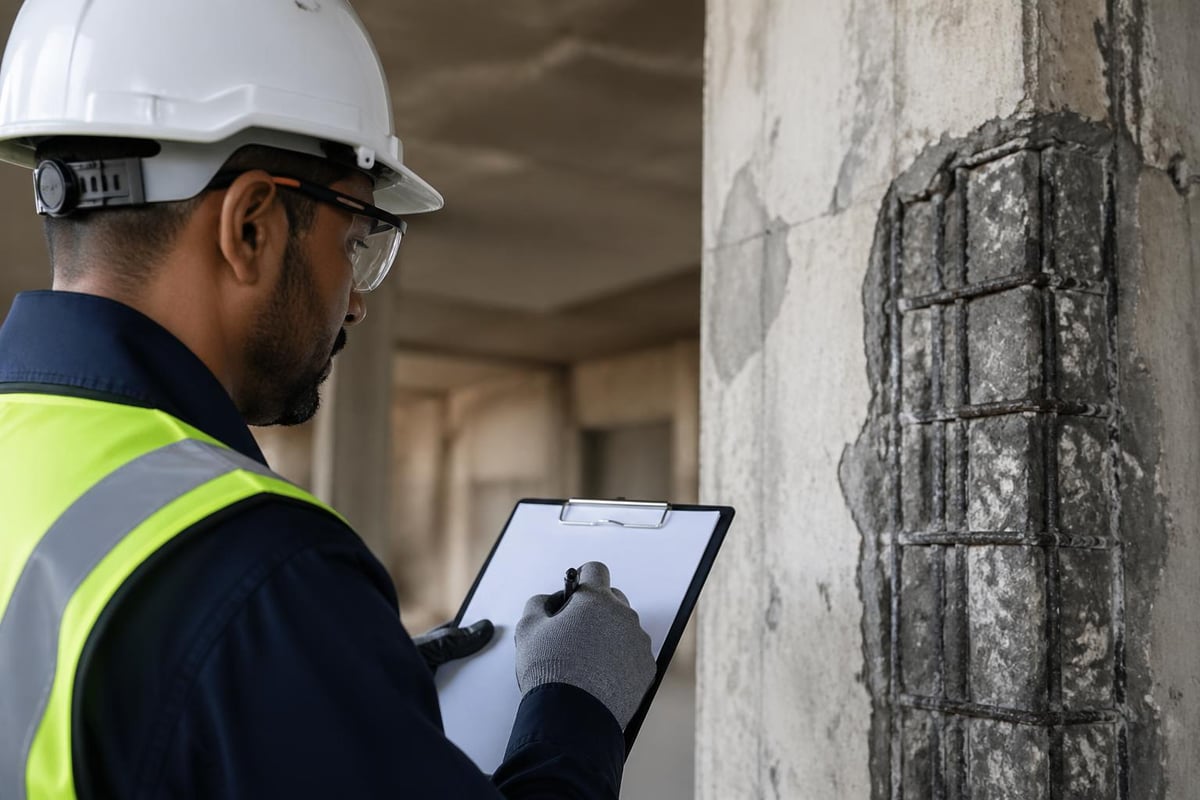
South Florida's condominium market demands particular expertise in balcony inspections, facade assessments, and balcony railing replacement following discovery of structural deficiencies. Engineers must understand the unique construction methods prevalent in different decades of development.
Emergency Response Capabilities
When structural failures occur, property owners need civil structural engineering companies that can respond immediately. Emergency assessments determine whether buildings remain safe for occupancy or require evacuation until repairs are completed.
Firms maintaining 24/7 availability provide critical services following hurricanes, floods, or unexpected structural events. These rapid response capabilities include temporary shoring design, emergency stabilization plans, and coordination with building officials for emergency permits. The integration of structural engineering and repair solutions under one roof accelerates response when time is critical.
Cost Structures and Project Economics
Understanding how civil structural engineering companies structure fees helps property owners budget appropriately and evaluate proposals fairly. Fee arrangements vary based on project scope, complexity, and timeline requirements.
Common fee structures include:
- Hourly rates - For undefined scope or investigative work
- Lump sum - For well-defined projects with clear deliverables
- Percentage of construction cost - Traditional for design-build coordination
- Retainer agreements - For ongoing consultation and periodic inspections
- Value-based pricing - Tied to risk mitigation or property value protection
Hourly rates for licensed professional engineers typically range from $150 to $350 depending on experience level and market location. Principal engineers and specialists command higher rates than staff engineers or technicians.
For milestone building inspections, many firms offer package pricing that includes initial assessment, report preparation, and permit coordination. This transparency helps property managers plan budgets and avoid unexpected costs.
Return on Investment Considerations
Quality engineering services represent an investment that protects property values and prevents catastrophic failures. While fees might seem significant upfront, they pale compared to costs associated with structural failures, code violations, or emergency repairs.
Proactive structural assessments identify minor deficiencies before they evolve into major problems. Addressing spalled concrete costs substantially less than replacing failed structural members. Insurance implications also favor properties with documented engineering evaluations and maintenance records.
Future Trends Shaping the Industry
Civil structural engineering companies must adapt to emerging trends that reshape how buildings are designed, constructed, and maintained. Sustainability requirements, material innovations, and workforce changes all influence service delivery in 2026 and beyond.
According to comprehensive industry analysis, Internet of Things (IoT) integration and sustainable practices drive significant industry transformation. Smart buildings equipped with sensors provide engineers with unprecedented data about structural performance over time.
Emerging focus areas include:
- Carbon footprint reduction in materials and construction methods
- Resilience design for climate change impacts
- Modular construction integration with traditional structures
- Artificial intelligence for structural analysis and prediction
- Augmented reality for field inspections and visualization
Renewable energy integration affects structural engineering as rooftop solar installations add loads and require mounting system analysis. Electric vehicle charging infrastructure similarly impacts electrical system design considerations in parking structures.
Workforce Development and Talent
The engineering profession faces workforce challenges as experienced professionals retire and demand for services increases. Civil structural engineering companies invest in training programs, mentorship, and technology adoption to maximize team productivity.
Research on structural shifts in civil engineering highlights the critical need for talent development and retention strategies. Firms that cultivate inclusive cultures and provide career advancement opportunities position themselves competitively for long-term success.
Collaboration with Related Professionals
Effective building management requires civil structural engineering companies to work seamlessly with architects, contractors, property managers, and specialty consultants. This collaborative approach ensures comprehensive solutions rather than isolated fixes.
Water intrusion problems, for example, might require coordination between structural engineers, waterproofing consultants, and plumbing system specialists. The engineering firm often serves as the coordinating professional who ensures all disciplines align their recommendations.
Key collaboration relationships include:
| Professional | Collaboration Area | Typical Interaction |
|---|---|---|
| Architects | Building modifications, aesthetics | Design coordination meetings |
| General Contractors | Constructability, scheduling | Pre-bid reviews, value engineering |
| MEP Engineers | System integration, loads | Coordination drawings, clash detection |
| Geotechnical Engineers | Foundation conditions, soil reports | Site investigation planning |
| Building Officials | Code interpretation, permits | Pre-application meetings, variance requests |
Property managers benefit when their engineering partner maintains established relationships with quality contractors and specialty firms. This network enables faster response times and more competitive pricing for repair work.
Integrated Service Delivery
Some civil structural engineering companies offer fully integrated services that combine engineering, inspection, and construction capabilities. This approach streamlines project delivery by eliminating coordination gaps between separate firms.
When one company handles assessment, design, permitting, and construction, accountability remains clear and communication improves. However, property owners should verify that integrated firms maintain appropriate separation between engineering judgment and construction interests to avoid conflicts.
Selecting competent civil structural engineering companies requires evaluating technical expertise, local knowledge, regulatory familiarity, and service integration capabilities that match your property's specific needs. Whether addressing immediate structural concerns or planning long-term maintenance strategies, the right engineering partner protects your investment through professional analysis and code-compliant solutions. Souffront Construction and Engineering provides South Florida property owners with comprehensive structural engineering, building recertification, concrete restoration, and permit-ready repair solutions backed by local expertise and proven reliability. Contact our team today to discuss how we can help protect and maintain your commercial or residential property.