Civil Engineering Management for Building Projects

Civil engineering management represents the critical intersection where technical expertise meets strategic leadership. In South Florida's dynamic construction landscape, managing civil engineering projects requires balancing regulatory compliance, budget constraints, team coordination, and strict quality standards. For property owners and building managers navigating milestone recertification, structural repairs, and system upgrades, understanding how civil engineering management works ensures projects deliver safe, compliant, and cost-effective results. This comprehensive guide explores the essential components of effective civil engineering management and how they apply to real-world building projects.
Understanding the Scope of Civil Engineering Management
Civil engineering management extends far beyond traditional project oversight. It encompasses financial planning, resource allocation, regulatory compliance, risk assessment, and stakeholder communication. Modern civil engineering managers must bridge the gap between technical engineering principles and business operations.
The role demands proficiency in multiple disciplines. Financial management ensures projects stay within budget while maintaining quality standards. Regulatory knowledge keeps projects compliant with local building codes, zoning laws, and safety requirements. Team leadership coordinates architects, engineers, contractors, and inspectors toward shared objectives.
For building recertification projects in Florida, civil engineering management takes on heightened importance. These projects require coordinating multiple inspections, engineering assessments, and potential repairs within strict timelines. A skilled manager ensures all components align seamlessly.
Essential Skills for Effective Project Leadership
Success in civil engineering management requires a diverse skill set that combines technical knowledge with soft skills. Communication stands as perhaps the most critical competency. Managers must translate complex engineering concepts for property owners, present findings to regulatory bodies, and coordinate instructions among construction teams.
Key competencies include:
- Technical proficiency in structural analysis, materials science, and building systems
- Financial acumen for budgeting, cost estimation, and value engineering
- Regulatory expertise in building codes, permits, and compliance requirements
- Risk management to identify potential issues before they become costly problems
- Negotiation skills for vendor contracts, change orders, and stakeholder agreements
According to the American Society of Civil Engineers, transitioning from engineer to manager requires developing business competencies alongside technical expertise. This evolution proves particularly important for firms handling complex projects like concrete restoration and structural repairs.

Planning and Scheduling in Complex Building Projects
Effective planning forms the foundation of successful civil engineering management. A comprehensive project plan maps every phase from initial assessment through final closeout, identifying dependencies, resource needs, and potential bottlenecks.
Creating Realistic Project Timelines
Timeline development requires understanding both the technical requirements and external constraints. For structural engineering services, managers must account for inspection schedules, engineering analysis periods, permit processing times, and construction phases.
A typical milestone recertification timeline includes:
- Initial building assessment and documentation (1-2 weeks)
- Detailed engineering analysis and report preparation (2-4 weeks)
- Permit applications and approval waiting periods (3-8 weeks)
- Repair work execution (4-12 weeks depending on scope)
- Final inspections and certification (1-2 weeks)
Smart managers build contingency time into schedules. Weather delays, material shortages, and unexpected discoveries during inspections can derail tight timelines. Building in 15-20% buffer time protects against these inevitable challenges.
Resource Allocation and Team Coordination
Civil engineering management demands strategic resource deployment. This includes assigning the right personnel to specific tasks, ensuring equipment availability, and managing material procurement.
| Resource Category | Management Considerations | Timeline Impact |
|---|---|---|
| Engineering Staff | Skill matching, workload balance, certification requirements | Medium |
| Inspection Equipment | Calibration, availability, specialized tools | Low to Medium |
| Construction Materials | Lead times, quality verification, storage | High |
| Subcontractors | Scheduling, quality standards, licensing | High |
| Permits and Approvals | Application timing, documentation completeness | Very High |
Coordination becomes especially critical for projects involving multiple building systems. When concrete restoration overlaps with electrical or plumbing upgrades, managers must sequence work to prevent conflicts and maximize efficiency.
Quality Control and Compliance Management
Quality assurance in civil engineering management protects both project outcomes and professional liability. Robust quality control systems catch errors early, ensure code compliance, and maintain documentation trails.
Implementing Systematic Quality Checks
Quality control operates on multiple levels throughout project execution. Material inspections verify that concrete, steel, and other components meet specifications. Workmanship reviews ensure construction follows approved plans and industry standards. Documentation audits confirm that all required records, certifications, and approvals are properly maintained.
For water intrusion investigations, quality management extends to diagnostic accuracy. Managers ensure technicians use calibrated equipment, follow standardized testing protocols, and document findings comprehensively. This rigor prevents misdiagnosis and ensures effective repairs.
The University of Cincinnati's construction management research resources provide valuable frameworks for developing quality assurance programs tailored to civil engineering projects.
Navigating Regulatory Requirements
South Florida's regulatory environment presents unique challenges for civil engineering management. Building codes, environmental regulations, and local ordinances create a complex compliance landscape. Managers must stay current with evolving requirements while ensuring project teams understand and implement necessary standards.
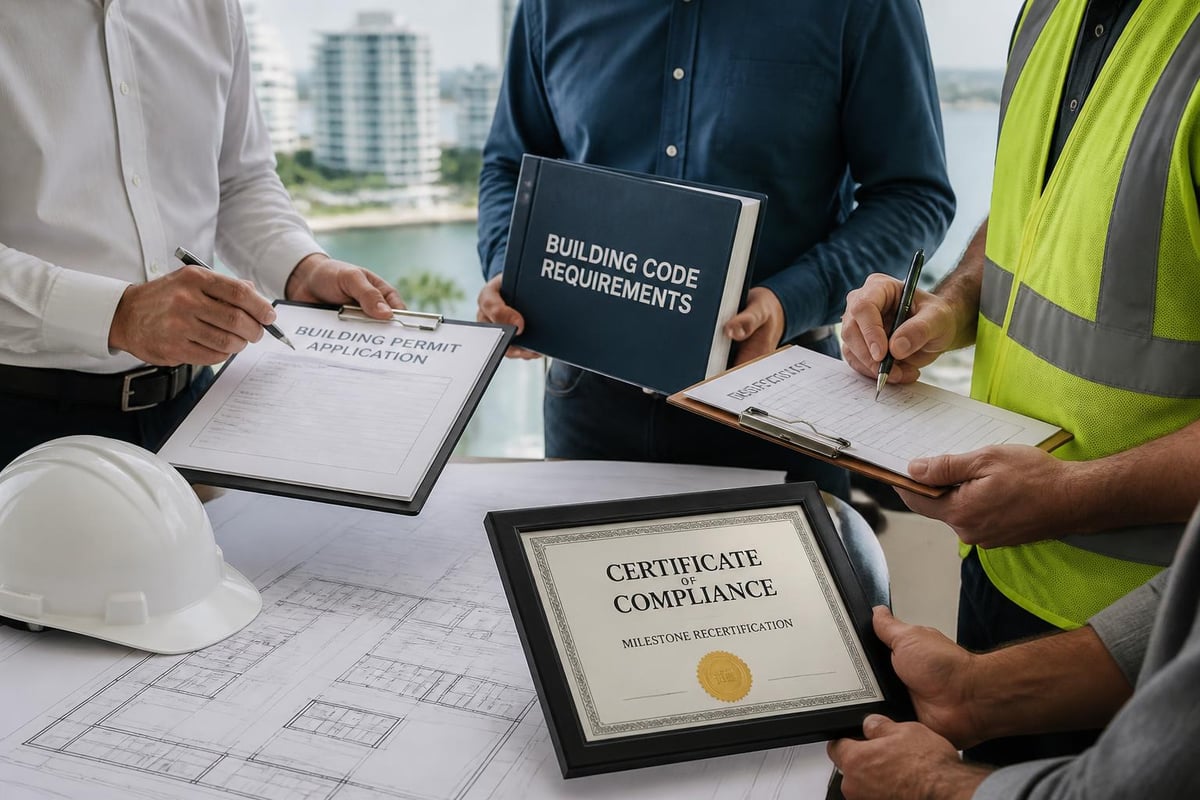
Permit management requires meticulous attention to detail. Incomplete applications delay projects for weeks or months. Experienced managers maintain comprehensive checklists covering:
- Structural calculations and engineer-sealed drawings
- Site plans showing property boundaries and setbacks
- Environmental impact assessments where required
- Fire safety system plans and calculations
- Accessibility compliance documentation
- Energy code compliance calculations
Changes in Florida building codes following recent legislation have intensified focus on structural integrity. Civil engineering management now incorporates enhanced scrutiny of aging buildings, particularly those approaching milestone recertification deadlines.
Financial Management and Cost Control
Budget management separates successful civil engineering projects from those that spiral into financial trouble. Effective managers balance cost control with quality requirements, finding efficiencies without compromising safety or compliance.
Budget Development and Monitoring
Accurate cost estimation begins during project planning. Detailed quantity takeoffs, current material pricing, labor rate analysis, and overhead calculations build reliable budgets. Smart managers include contingencies for unknowns, typically 10-15% for renovation work where hidden conditions commonly emerge.
Continuous cost monitoring prevents budget overruns. Weekly or biweekly reviews compare actual expenses against projections, identifying variances early. This vigilance allows corrective action before small overages become major problems.
Consider this cost breakdown for a typical concrete restoration project:
| Cost Category | Percentage of Total | Management Priority |
|---|---|---|
| Materials (concrete, rebar, waterproofing) | 30-35% | Material quality verification, supplier pricing |
| Labor (skilled tradespeople) | 40-45% | Productivity tracking, schedule optimization |
| Equipment (lifts, scaffolding, tools) | 8-12% | Rental duration management, maintenance |
| Engineering and Design | 5-8% | Scope definition, change order minimization |
| Permits and Inspections | 3-5% | Application accuracy, timeline coordination |
| Contingency | 10-15% | Risk assessment, reserve allocation |
Value Engineering and Cost Optimization
Value engineering identifies opportunities to reduce costs while maintaining or improving project outcomes. This analytical approach examines every component, asking whether alternatives could deliver equivalent performance at lower cost.
For electrical system upgrades, value engineering might evaluate different panel configurations, conductor sizing options, or lighting technologies. The goal isn't simply choosing the cheapest option but optimizing the cost-benefit ratio.
Civil engineering management applies value engineering throughout project lifecycles, not just during initial planning. As conditions change or new information emerges, managers reassess decisions to ensure continued optimization.
Risk Management and Problem Solving
Every construction project involves risk. Effective civil engineering management identifies potential problems proactively and develops mitigation strategies before issues materialize.
Identifying and Assessing Project Risks
Risk assessment begins with comprehensive project analysis. What could go wrong? What external factors might impact timeline or budget? Which technical challenges present the greatest uncertainty?
Common risks in building renovation and recertification include:
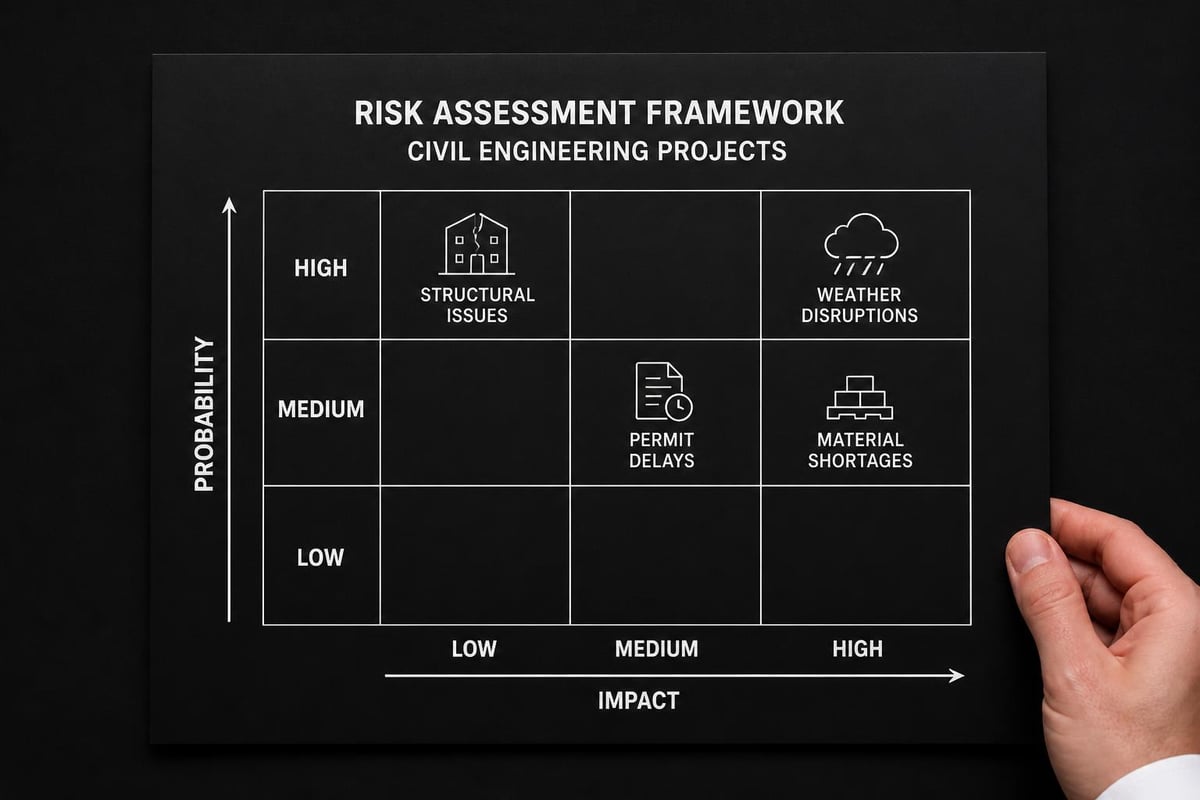
- Hidden structural damage discovered during inspections
- Regulatory changes affecting project requirements mid-stream
- Material availability issues delaying construction
- Weather events disrupting outdoor work
- Utility conflicts requiring design modifications
- Contractor performance problems affecting quality or schedule
Managers quantify risks by probability and potential impact. High-probability, high-impact risks demand robust mitigation strategies. Lower-tier risks receive monitoring plans to catch warning signs early.
Developing Contingency Plans
Smart contingency planning provides response protocols for likely scenarios. When inspections reveal unexpected damage during milestone building inspections, pre-planned response procedures minimize delay.
Contingency plans address both technical and administrative challenges. They might include backup supplier lists for critical materials, alternative construction methods if preferred approaches prove unfeasible, or fast-track permit processes for time-sensitive repairs.
The Georgia Tech Library's civil engineering scholarly resources offer research on advanced risk management methodologies applicable to complex building projects.
Team Leadership and Communication Strategies
Civil engineering management succeeds or fails based on team performance. Building cohesive, motivated teams while maintaining clear communication channels ensures everyone works toward common objectives.
Building Effective Project Teams
Team composition depends on project scope and complexity. A straightforward inspection might require just an engineer and assistant. Complex concrete restoration projects demand structural engineers, materials specialists, construction supervisors, quality control inspectors, and administrative coordinators.
Successful managers match personnel capabilities to task requirements. They recognize individual strengths and assign responsibilities accordingly. They also invest in team development, ensuring members have training and resources needed for excellence.
Clear role definition prevents confusion and overlap. When everyone understands their responsibilities and how their work connects to others, coordination improves naturally. Written role descriptions, responsibility matrices, and organizational charts formalize these relationships.
Stakeholder Communication Best Practices
Projects involve diverse stakeholders with different concerns and communication preferences. Property owners want cost and timeline updates in accessible language. Engineers need technical details and specifications. Contractors require clear instructions and timely answers to field questions. Regulatory officials expect documentation and code compliance evidence.
Effective communication strategies include:
- Regular status meetings with structured agendas and action item tracking
- Written progress reports documenting accomplishments, challenges, and next steps
- Digital collaboration platforms providing centralized access to plans, schedules, and communications
- Clear escalation procedures defining how urgent issues get addressed quickly
- Visual communication tools like photos, diagrams, and marked-up drawings for clarity
For property managers overseeing multiple buildings, civil engineering management includes translating technical findings into actionable business information. When structural integrity reserve studies identify future capital needs, managers present findings in formats supporting long-term financial planning.
Technology Integration in Modern Project Management
Digital tools have transformed civil engineering management, enabling capabilities impossible just a decade ago. Modern managers leverage technology for planning, coordination, monitoring, and documentation.
Project Management Software Solutions
Specialized construction management platforms integrate scheduling, budgeting, document control, and communication functions. These systems provide real-time visibility into project status, helping managers identify and address issues promptly.
Key software categories include:
- Scheduling and planning tools for critical path analysis and resource leveling
- Cost management systems tracking expenses against budgets with variance reporting
- Document management platforms controlling drawings, specifications, and correspondence
- Field data collection apps enabling mobile inspections and reporting
- Building Information Modeling (BIM) for 3D visualization and clash detection
Integration capabilities matter tremendously. When systems share data seamlessly, managers avoid duplicate entry and ensure consistency across project documentation.
Data-Driven Decision Making
Modern civil engineering management relies increasingly on data analytics. Historical project data informs cost estimates and schedule projections. Real-time monitoring identifies trends requiring management attention. Predictive analytics forecast potential problems based on current trajectories.
For infrared thermal inspections, digital thermography generates detailed data revealing moisture intrusion, insulation deficiencies, and electrical hotspots. Managers use this information to prioritize repairs and validate remediation effectiveness.
The University of Maine's civil engineering resources include databases supporting evidence-based management practices in construction projects.
Sustainability and Long-Term Asset Management
Civil engineering management increasingly emphasizes sustainability and lifecycle thinking. Rather than optimizing only for initial construction costs, modern approaches consider long-term operating expenses, maintenance requirements, and environmental impacts.
Lifecycle Cost Analysis
Lifecycle cost analysis evaluates total ownership costs over a building's expected service life. Initial construction represents just one component. Operating energy costs, maintenance requirements, eventual replacement needs, and disposal considerations all factor into comprehensive analysis.
This approach often justifies higher upfront investments in durable materials or energy-efficient systems. When electrical system upgrades incorporate high-efficiency components, the premium pays back through reduced operating costs and extended service life.
Maintenance planning extends asset lifespans and prevents costly emergency repairs. Proactive programs identify developing issues early when corrections remain straightforward and affordable. Civil engineering management integrates maintenance considerations from initial design through ongoing operations.
Environmental Considerations
Sustainable civil engineering management balances project requirements with environmental responsibility. Material selection considers embodied energy, recyclability, and local sourcing potential. Construction methods minimize waste and environmental disruption. Building systems optimize energy and water efficiency.
South Florida's coastal environment presents unique sustainability challenges. Salt air accelerates corrosion. Hurricane risks demand robust structural design. Rising sea levels affect foundation planning and drainage design. Experienced managers incorporate these factors into project planning and execution.
Professional Development and Continuing Education
The civil engineering field evolves continuously as new materials, methods, codes, and technologies emerge. Effective management requires commitment to ongoing learning and professional development.
Staying Current with Industry Changes
Professional associations, technical publications, and continuing education programs help managers maintain expertise. The Monash University civil engineering guide provides access to specialized resources supporting advanced professional knowledge.
Important learning areas include:
- Code updates as building regulations evolve
- New construction materials and installation techniques
- Emerging technologies like advanced sensing systems and predictive analytics
- Regulatory changes affecting permitting and compliance
- Sustainability practices and green building standards
Many jurisdictions require continuing education for professional licensure. Beyond meeting minimum requirements, committed managers pursue learning that enhances their capabilities and project outcomes.
Building Professional Networks
Professional relationships provide invaluable resources for civil engineering management. Networks offer expertise for specialized challenges, collaboration opportunities on large projects, and industry intelligence about best practices and emerging trends.
Active participation in professional organizations like ASCE, local engineering societies, and construction industry groups builds these connections. Conference attendance, committee involvement, and informal networking all contribute to professional relationship development.
For firms like Souffront Construction and Engineering, professional networks extend to relationships with regulatory officials, specialized subcontractors, material suppliers, and industry peers. These connections facilitate problem-solving and enhance service delivery to clients.
Successful civil engineering management combines technical expertise, business acumen, leadership skills, and unwavering commitment to quality and compliance. Whether coordinating complex milestone recertifications, managing structural repairs, or overseeing system upgrades, effective management ensures projects deliver safe, compliant, and cost-effective results. Souffront Construction and Engineering brings this comprehensive management approach to every building project across South Florida, combining deep technical knowledge with meticulous project coordination to protect your property investment. Contact Souffront Construction and Engineering today to discuss how our professional team can help you navigate your next building project with confidence and expertise.