Building and Engineering: A 2026 Guide for Property Owners
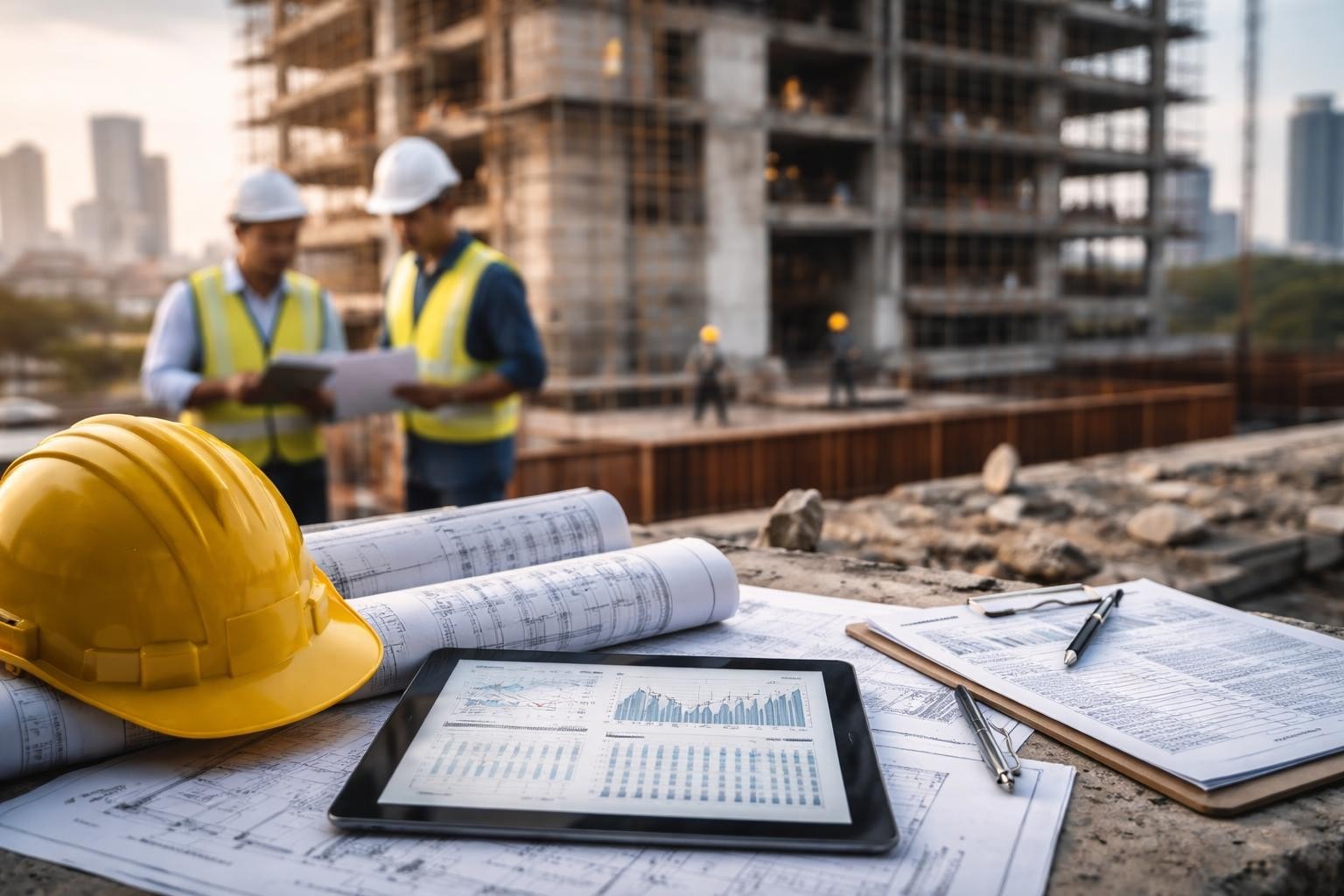
The relationship between building and engineering has never been more critical for property owners and managers navigating today's complex regulatory landscape. As structures age and building codes evolve, understanding how these two disciplines work together becomes essential for maintaining safe, compliant properties. Whether you're managing a decades-old condominium complex or overseeing commercial real estate in coastal areas, the integration of construction expertise with engineering precision determines both the longevity of your investment and the safety of its occupants.
The Foundation of Modern Building and Engineering Practices
Building and engineering represent two sides of the same coin in property management. While construction focuses on the physical execution of repairs and renovations, engineering provides the analytical framework that ensures these interventions meet structural requirements and safety standards.
Why Professional Integration Matters
In South Florida's unique climate, the marriage of building and engineering expertise becomes particularly crucial. The region's exposure to salt air, intense humidity, and hurricane-force winds creates challenges that demand both practical construction knowledge and sophisticated engineering analysis.
Key benefits of integrated approaches:
- Accurate identification of structural deficiencies before they become emergencies
- Cost-effective repair strategies based on engineering calculations
- Compliance with evolving building codes and municipal requirements
- Extended building lifespan through scientifically-informed maintenance
- Protection of property values and occupant safety
The Journal of Building Engineering regularly publishes research demonstrating how integrated building and engineering approaches improve outcomes across various property types. These studies confirm what experienced professionals observe daily: separated disciplines produce inferior results compared to coordinated efforts.
Structural Assessment as the Starting Point
Every successful building and engineering project begins with thorough assessment. For properties approaching milestone years, this evaluation becomes mandatory under Florida law. Milestone building recertification inspections require licensed professionals to examine structural and electrical systems comprehensively.
| Assessment Component | Engineering Focus | Building Focus |
|---|---|---|
| Concrete Integrity | Load capacity analysis, rebar condition | Surface deterioration, spalling, cracking |
| Structural Framework | Stress distribution, deflection measurements | Physical damage, material degradation |
| Foundation Systems | Soil interaction, settlement patterns | Visible cracking, water intrusion |
| Waterproofing | Hydrostatic pressure calculations | Membrane condition, drainage effectiveness |
The assessment phase reveals not just current conditions but also predictive indicators of future problems. Advanced engineering techniques now allow professionals to model how structures will perform under various stress scenarios, informing both immediate repairs and long-term maintenance planning.
Critical Building and Engineering Services for Property Longevity
Modern property management requires a diverse toolkit of building and engineering services. The complexity of today's structures, combined with stricter regulatory requirements, means property owners must engage specialists across multiple disciplines.
Concrete Restoration and Structural Repairs
Concrete deterioration represents one of the most common challenges in aging buildings, particularly in coastal environments where chloride penetration accelerates rebar corrosion. The building and engineering response to this problem requires both materials science knowledge and construction expertise.
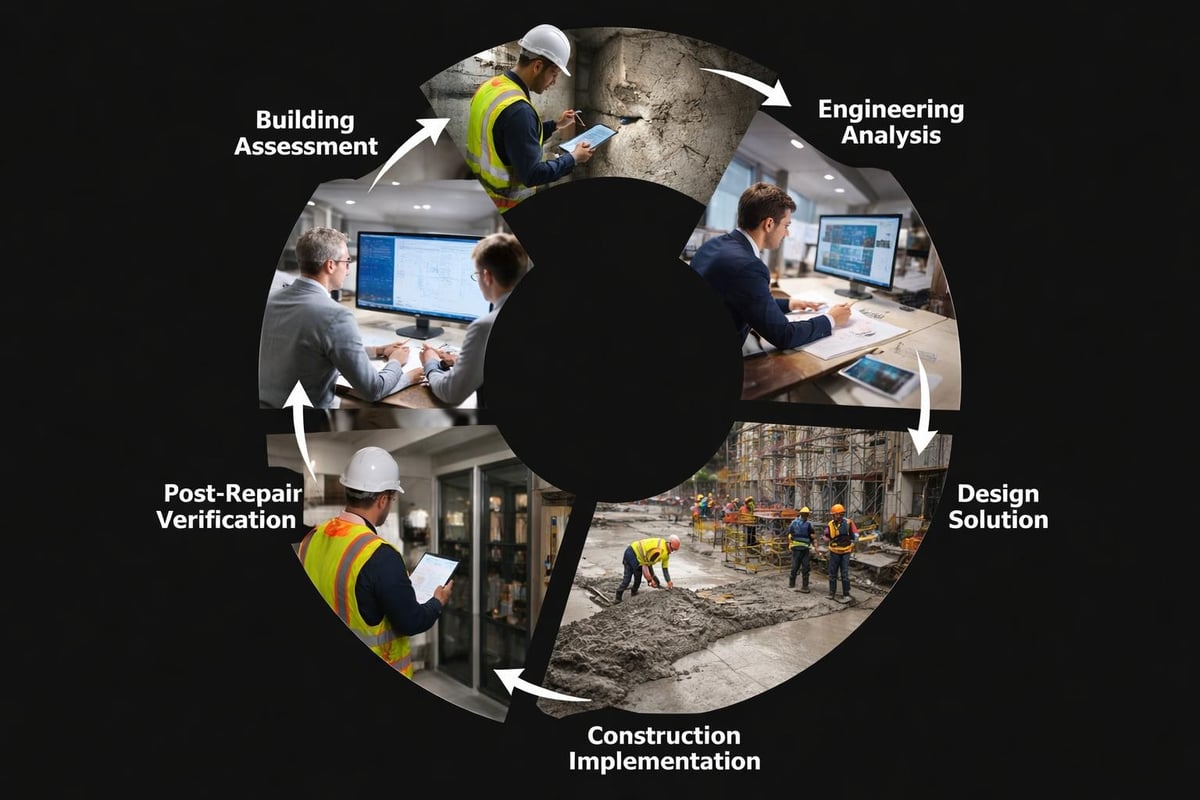
The restoration process involves:
- Engineering assessment of structural capacity and safety margins
- Laboratory testing of concrete cores for strength and contamination
- Design of repair specifications matching original structural requirements
- Construction execution using compatible materials and proven techniques
- Post-repair verification through testing and inspection
Concrete restoration services exemplify how building and engineering collaboration produces superior outcomes. Engineers determine load paths and structural requirements while construction specialists execute repairs that restore both strength and aesthetics.
Research published in Construction and Building Materials continues to advance understanding of concrete behavior in aggressive environments, providing building and engineering professionals with better tools for diagnosis and repair.
Water Intrusion Investigation and Resolution
Water penetration undermines building integrity more insidiously than any other factor. The building and engineering approach to water intrusion combines forensic investigation with comprehensive remediation strategies.
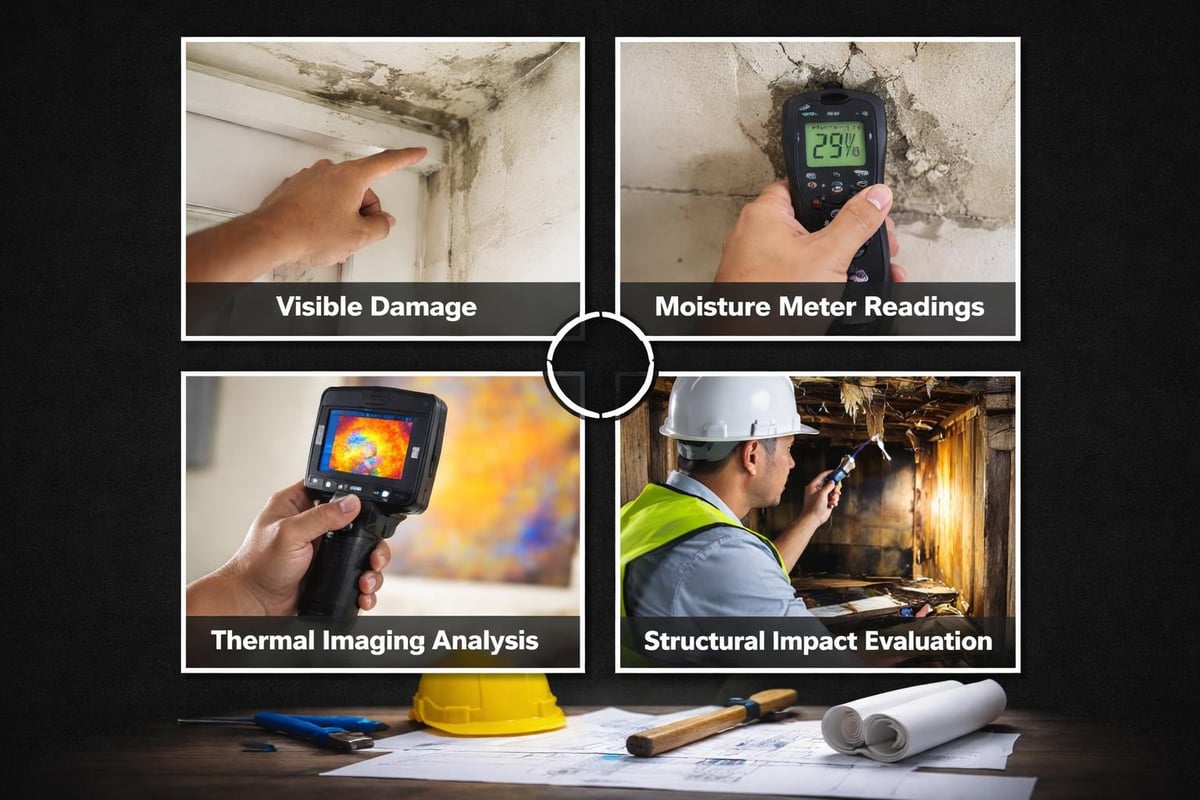
Effective water intrusion resolution requires identifying entry points, understanding moisture migration paths through building assemblies, and implementing repairs that address root causes rather than symptoms. Forensic water intrusion investigations utilize advanced diagnostic equipment alongside engineering analysis to pinpoint problems that visual inspection alone might miss.
Engineering Design and Analysis in Building Projects
Engineering design transforms assessment findings into actionable repair plans. This critical phase of building and engineering work determines project success, cost-effectiveness, and long-term performance.
Structural Engineering for Repairs and Modifications
Structural engineering design and analysis provides the technical foundation for safe, code-compliant building modifications. Whether reinforcing balconies, replacing deteriorated beams, or adding structural elements, engineering calculations ensure interventions meet safety requirements.
The design process typically includes:
- Load analysis: Determining forces acting on structural elements
- Material selection: Specifying materials appropriate for environmental conditions
- Connection design: Engineering joints and fasteners for required strength
- Code compliance verification: Ensuring designs meet current building codes
- Constructability review: Confirming designs can be practically executed
Modern engineering software enables sophisticated analysis that was impossible just a decade ago. Finite element modeling allows engineers to visualize stress distribution and predict performance under various loading scenarios, reducing uncertainty in building and engineering projects.
Electrical System Engineering and Upgrades
Electrical systems in aging buildings often fail to meet current code requirements or occupant needs. The building and engineering solution involves both system assessment and comprehensive upgrade design.
Electrical engineering system design and audits identify capacity limitations, safety hazards, and code violations while developing upgrade paths that minimize disruption and cost. This work becomes particularly critical during milestone recertification, where electrical system inspection is mandatory.
| Common Electrical Issues | Engineering Solution | Building Implementation |
|---|---|---|
| Undersized service panels | Load calculation and panel sizing | Panel replacement and circuit upgrades |
| Outdated wiring methods | Code compliance review and specification | Rewiring per engineering plans |
| Insufficient GFCI protection | Circuit analysis and protection design | Installation of required devices |
| Emergency lighting deficiencies | Egress lighting calculations | Fixture installation and testing |
Compliance and Regulatory Considerations
Building and engineering work in South Florida operates within a complex regulatory framework that has intensified following recent structural failures. Property owners must navigate municipal requirements, state mandates, and professional standards.
Milestone Recertification Requirements
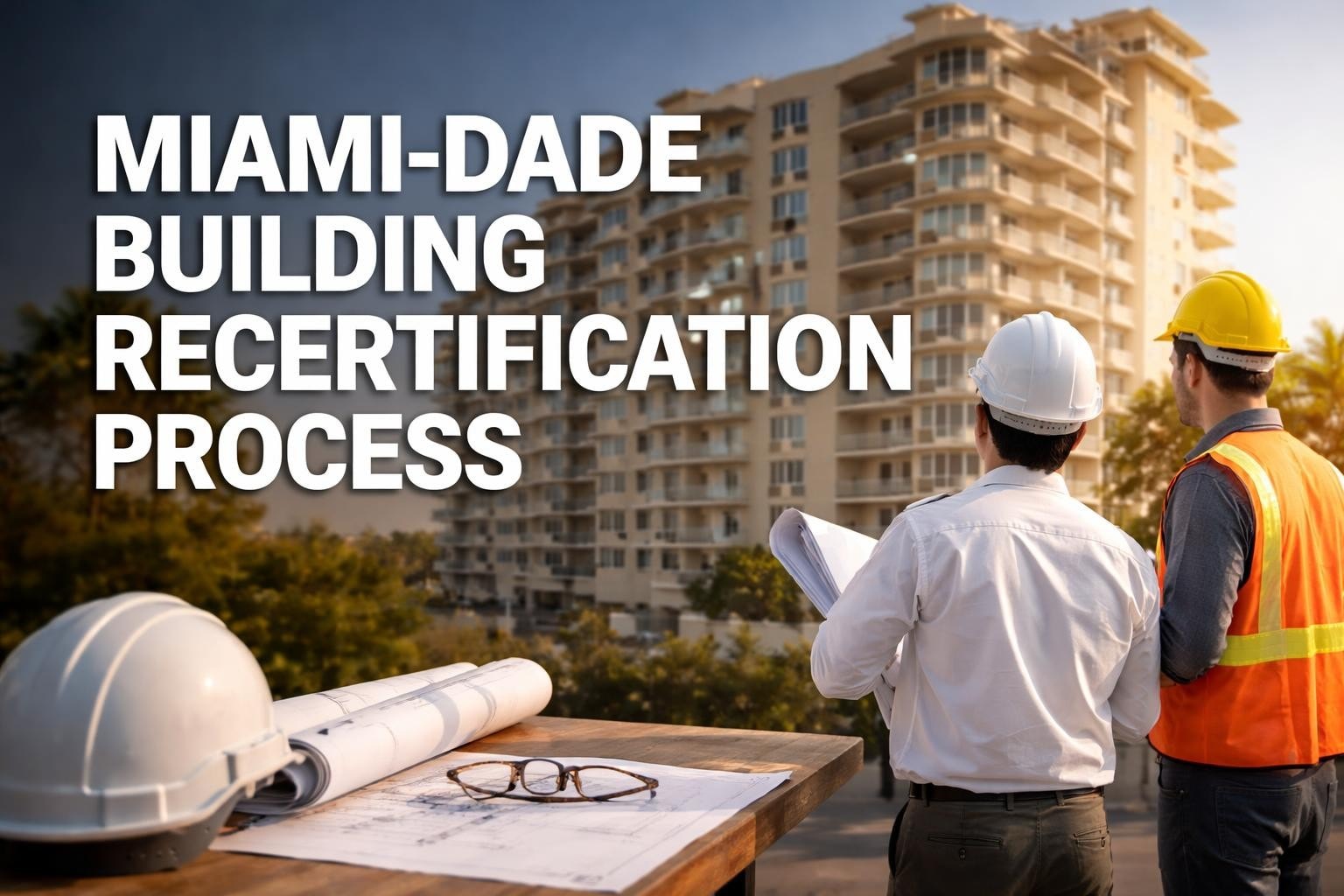
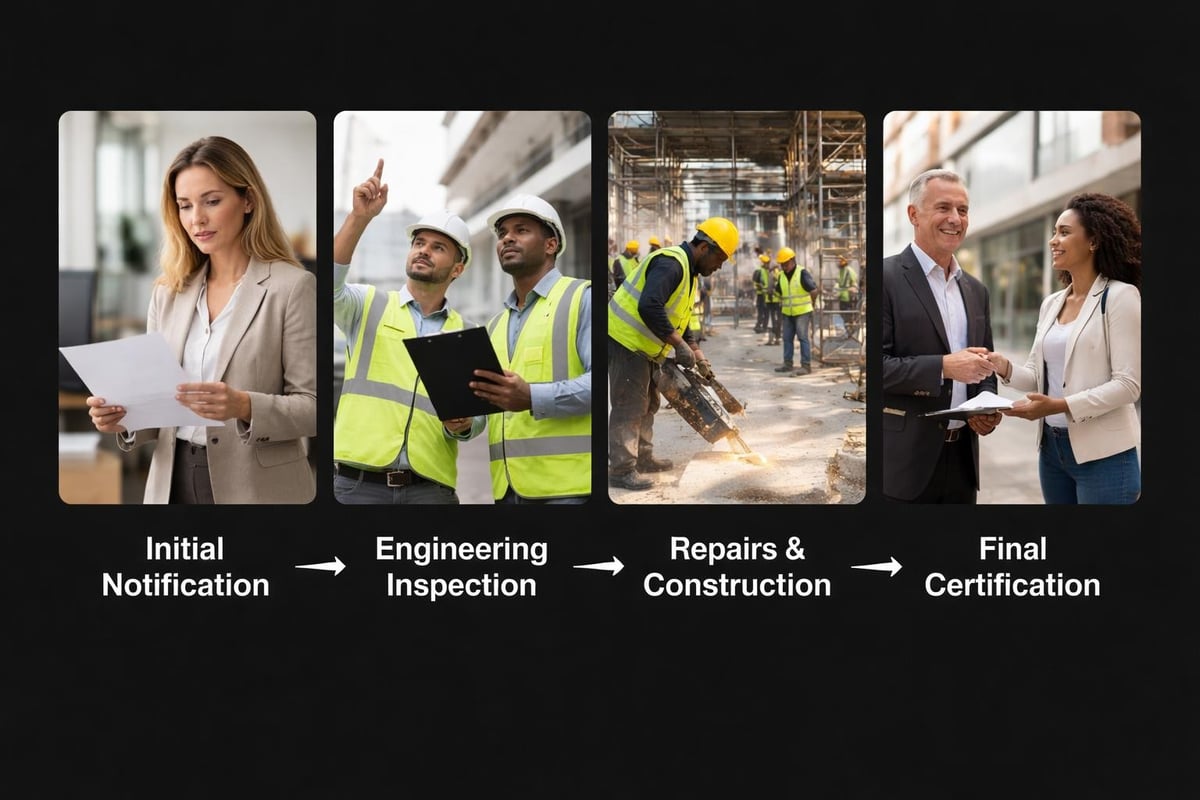
Florida's milestone recertification program requires buildings reaching 25, 30, 40, or 50 years (depending on location and original construction date) to undergo comprehensive inspection. This mandated building and engineering review examines structural and electrical systems for safety and code compliance.
The Building and Environment journal frequently addresses how regulatory frameworks influence building maintenance practices and outcomes. Research consistently shows that mandatory inspection programs identify problems before they become catastrophic, protecting both lives and property values.
Understanding 40-year recertification costs helps property owners budget appropriately for this essential building and engineering service. While costs vary based on building size, condition, and identified deficiencies, the investment provides invaluable assurance of structural safety.
Structural Integrity Reserve Studies
Beyond milestone inspections, Florida now requires structural integrity reserve studies for many condominium associations. This building and engineering assessment examines common elements, estimates remaining useful life, and projects future repair costs.
Reserve studies serve multiple purposes:
- Financial planning for major repairs and replacements
- Early identification of developing structural issues
- Documentation of building condition for property transactions
- Compliance with statutory requirements
- Risk management and liability protection
Advanced Technologies in Building and Engineering
Technology continues transforming how professionals approach building and engineering challenges. From diagnostic tools to construction techniques, innovation improves both efficiency and outcomes.
Automation and Digital Tools
The construction industry increasingly adopts technologies covered in Automation in Construction research. Drones conduct roof inspections and facade surveys, reducing safety risks while improving documentation quality. Building information modeling (BIM) creates digital twins that facilitate planning and coordination across building and engineering disciplines.
Emerging technologies include:
- 3D laser scanning for precise measurements and documentation
- Ground-penetrating radar for subsurface investigation
- Thermal imaging for moisture detection and energy auditing
- Structural health monitoring systems with embedded sensors
- Augmented reality for construction verification and quality control
Energy Efficiency and Sustainability
Modern building and engineering practice increasingly emphasizes energy performance and environmental impact. Studies published in Energy and Buildings demonstrate how integrated design approaches reduce operational costs while improving occupant comfort.
During major renovations or repairs, property owners have opportunities to enhance energy efficiency through improved insulation, high-performance glazing, efficient mechanical systems, and renewable energy integration. These building and engineering improvements often generate rapid returns through reduced utility costs.
Selecting Building and Engineering Partners
Choosing qualified professionals for building and engineering projects significantly impacts outcomes. Property owners should evaluate potential partners across multiple dimensions beyond just price.
Essential Qualifications and Experience
Professional licensing represents the minimum requirement for building and engineering work. In Florida, structural engineers must hold Professional Engineer (PE) licenses, while contractors need appropriate state and local licenses for their trades.
Evaluation criteria should include:
- Years of experience with similar building types and conditions
- Track record of successful milestone recertification projects
- In-house capabilities versus reliance on subcontractors
- Insurance coverage and financial stability
- References from property managers and association boards
- Familiarity with local building departments and permitting processes
Souffront Construction and Engineering's team exemplifies the multidisciplinary expertise required for comprehensive building and engineering services. Successful firms integrate licensed engineers with experienced construction professionals who understand both design intent and practical execution.
Communication and Project Management
Beyond technical competence, effective communication determines project success. Building and engineering work disrupts occupants and requires coordination with multiple stakeholders. Professionals who provide clear timelines, regular updates, and responsive problem-solving minimize stress for property owners and residents.
| Project Phase | Communication Needs | Key Stakeholders |
|---|---|---|
| Assessment | Inspection scheduling, access coordination | Residents, building staff, management |
| Engineering | Findings explanation, repair options | Board members, property managers |
| Permitting | Timeline updates, requirement changes | Municipal officials, management |
| Construction | Daily progress, disruption notifications | Residents, management, contractors |
| Completion | Final documentation, warranty information | Owners, management, future buyers |
Financial Planning for Building and Engineering Projects
Major building and engineering projects require substantial capital investment. Property owners and associations must balance immediate safety needs with long-term financial planning.
Budgeting for Milestone Recertification
Financial planning for 40-year recertification should begin years before the deadline. Reserve study recommendations provide baseline funding targets, but actual costs depend on building condition and identified deficiencies.
Smart financial strategies include:
- Phased repair approaches spreading costs across multiple years
- Value engineering to optimize repair specifications without compromising safety
- Competitive bidding among qualified building and engineering firms
- Special assessments timed to minimize impact on individual owners
- Financing options for major projects when reserves prove insufficient
Return on Investment Considerations
While building and engineering expenses may seem burdensome, they protect property values and prevent catastrophic failures that cost far more. Studies published in Engineering Structures demonstrate that preventive maintenance and timely repairs significantly extend building lifespan at fraction of replacement costs.
Buildings with current recertification and well-documented maintenance attract buyers and command premium prices. Conversely, properties with deferred maintenance, pending violations, or uncertain structural conditions struggle in competitive markets.
Common Deficiencies in Aging Buildings
Understanding typical problems helps property owners anticipate building and engineering needs. While every structure presents unique challenges, certain deficiencies appear repeatedly in milestone inspections.
Concrete and Structural Issues
The 5 common defects found during 40-year structural inspections typically include concrete spalling, rebar corrosion, structural cracking, foundation movement, and inadequate waterproofing. These building and engineering challenges develop gradually but accelerate once initiated.
Concrete deterioration progression:
- Surface weathering and minor cracking
- Chloride penetration reaching reinforcing steel
- Rebar corrosion and expansion causing spalling
- Loss of concrete cover exposing reinforcement
- Structural capacity reduction requiring intervention
Early detection through regular building and engineering assessments prevents minor issues from becoming major repairs. The difference in cost between surface treatment and structural reinforcement can exceed ten-fold.
Balcony and Railing Systems
Balconies represent critical areas requiring special building and engineering attention. These exposed elements endure continuous environmental assault while supporting live loads and providing egress in emergencies.
Inspection focuses on connection integrity, concrete condition, railing strength, waterproofing effectiveness, and drainage adequacy. When deficiencies appear, complete replacement often proves more cost-effective than repairs, particularly when systems approach or exceed expected service life.
Long-Term Maintenance Strategies
Successful building and engineering programs extend beyond reactive repairs to proactive maintenance planning. This strategic approach minimizes emergency costs while maximizing building performance and longevity.
Preventive Maintenance Programs
Systematic maintenance identifies and addresses minor problems before they escalate. Regular roof inspections, drainage cleaning, concrete sealing, and mechanical system servicing represent modest investments that prevent major building and engineering emergencies.
Documentation proves equally important. Comprehensive maintenance records demonstrate due diligence, support property transactions, satisfy regulatory requirements, and inform future planning. Many building recertification inspection processes request maintenance histories to understand how properties have been managed.
Lifecycle Planning
Building components have finite service lives requiring eventual replacement regardless of maintenance quality. Understanding these timelines allows property owners to plan financially and logistically for major building and engineering projects.
Typical service life ranges include:
- Roofing systems: 15-30 years depending on materials and exposure
- Windows and doors: 20-40 years based on quality and maintenance
- Mechanical systems: 15-25 years with proper servicing
- Waterproofing membranes: 10-20 years in demanding environments
- Concrete repairs: 15-25+ years when properly executed
Strategic building and engineering planning schedules replacements to minimize disruption and capitalize on economies of scale when addressing multiple systems simultaneously.
Building and engineering excellence protects both property values and the people who occupy these structures. Through integrated approaches that combine construction expertise with engineering analysis, property owners ensure their buildings remain safe, compliant, and functional for decades to come. Souffront Construction and Engineering delivers comprehensive building and engineering services throughout South Florida, from milestone recertification inspections to complete concrete restoration and structural repairs. Contact our team today to discuss how professional, code-conscious service can protect your property investment.