Balcony Concrete Repair Contractor: Complete 2026 Guide
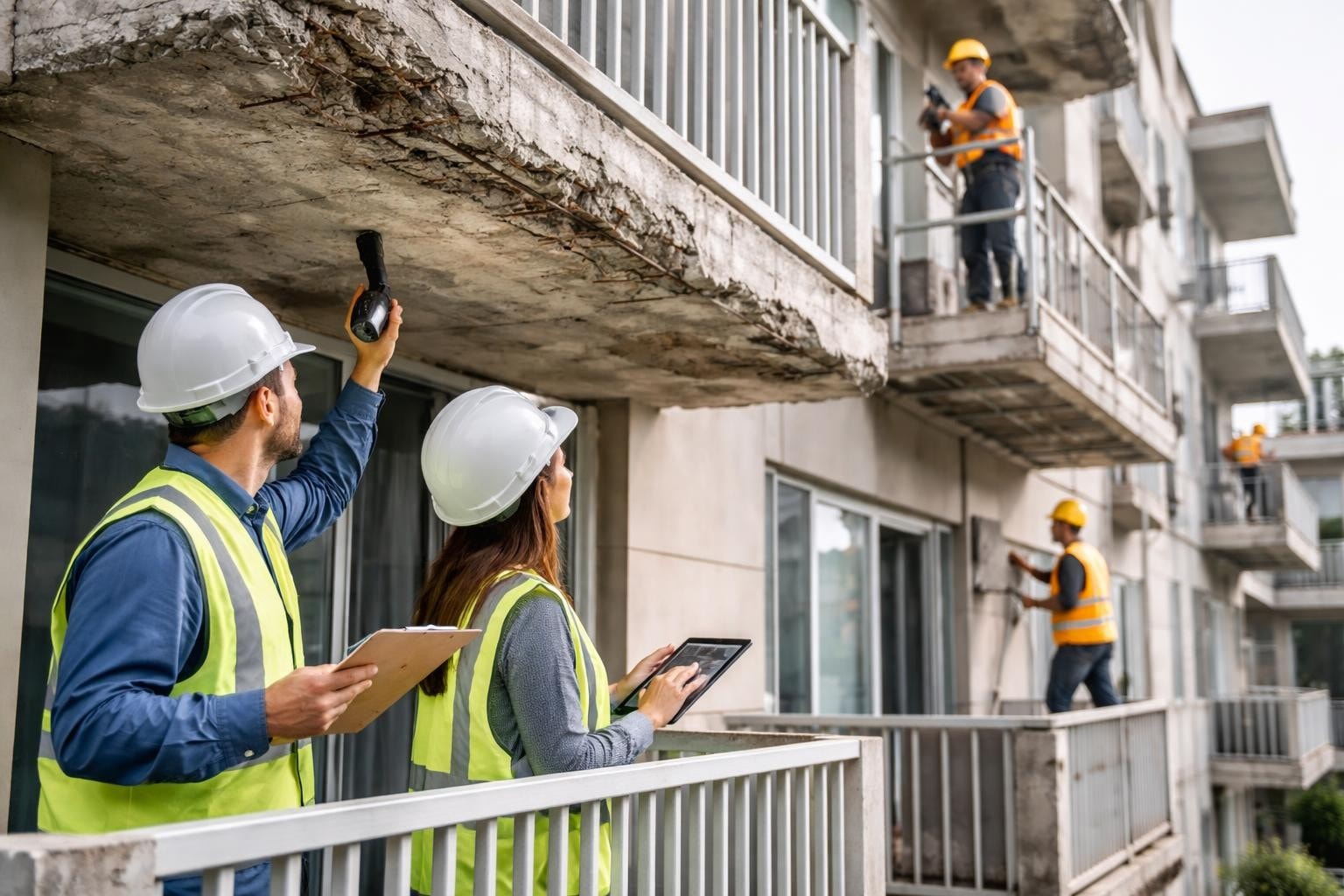
Balconies in South Florida face unique challenges that threaten their structural integrity year after year. Salt air, humidity, intense UV exposure, and frequent rain create the perfect conditions for concrete deterioration. When you notice cracks, spalling, or water damage on your building's balconies, hiring a qualified balcony concrete repair contractor becomes essential to protect your property investment and ensure resident safety. Understanding what separates expert contractors from amateur operations can save property owners thousands of dollars and prevent catastrophic failures down the road.
Understanding Balcony Concrete Deterioration
Concrete balconies don't fail overnight. The deterioration process typically starts small and accelerates over time if left unaddressed.
Common Signs Your Balcony Needs Professional Repair
Property managers and owners should watch for these warning signs:
- Spalling concrete: Surface flaking or chipping that exposes rebar
- Visible cracks: Hairline fractures that widen over time
- Rust stains: Orange or brown discoloration indicating corroded reinforcement
- Soft or hollow-sounding areas: Detected by tapping the surface
- Water pooling: Standing water after rain suggests drainage problems
- Loose or wobbly railings: Indicates anchor point failure
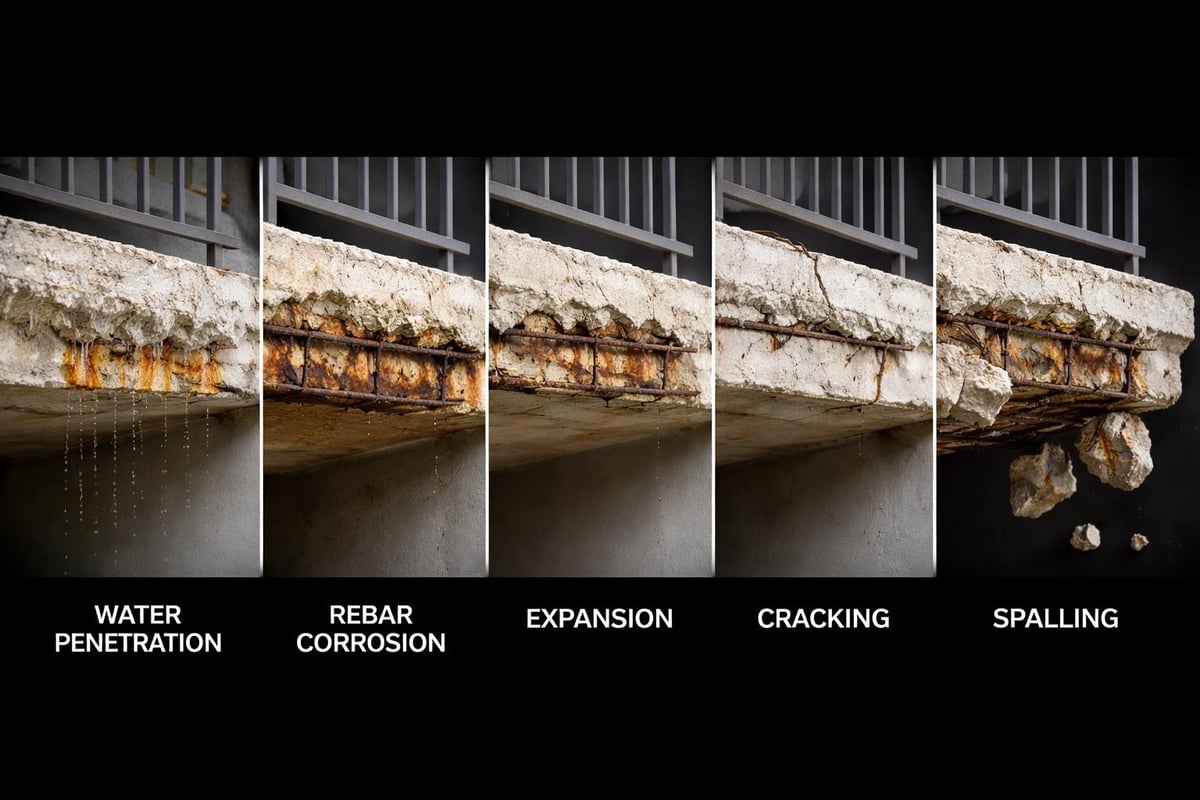
Concrete spalling damage represents one of the most serious threats to balcony safety. When moisture penetrates the concrete and reaches the steel reinforcement, rust forms and expands, creating pressure that breaks the concrete from within.
The Science Behind Concrete Failure
Understanding why concrete fails helps property owners make informed decisions about repairs. Concrete itself is porous, allowing water and chlorides to penetrate over time. In coastal environments, salt accelerates this process dramatically.
The reinforcing steel (rebar) inside concrete balconies depends on the concrete's alkalinity for protection. When carbonation occurs or chlorides reach the steel, this protective layer breaks down. Corrosion begins, the steel expands, and the concrete cracks and spalls. This cycle accelerates exponentially once it starts.
What a Professional Balcony Concrete Repair Contractor Does
A qualified balcony concrete repair contractor provides comprehensive services that go far beyond patching visible cracks. Professional contractors approach each project systematically to ensure long-lasting results.
Comprehensive Inspection and Assessment
The repair process begins with thorough evaluation. Contractors use multiple techniques to assess damage:
- Visual inspection: Identifying surface-level deterioration
- Sounding tests: Using hammers to detect delamination
- Core sampling: Extracting concrete samples for laboratory analysis
- Rebar scanning: Using ground-penetrating radar to locate reinforcement
- Chloride testing: Measuring contamination levels that cause corrosion
This diagnostic phase determines the extent of repairs needed and helps contractors develop accurate estimates. Building inspection specialists often coordinate with repair teams during milestone recertification projects to ensure all code requirements are met.
Repair Methods and Techniques
Different damage levels require different repair approaches:
| Damage Level | Repair Method | Typical Application |
|---|---|---|
| Minor cracks | Epoxy injection | Structural cracks under 0.3mm |
| Surface spalling | Patch and overlay | Shallow deterioration |
| Deep spalling | Full-depth repair | Rebar exposure and corrosion |
| Widespread damage | Complete reconstruction | Structural compromise |
Full-depth concrete restoration involves removing all deteriorated material, cleaning and treating exposed rebar, and rebuilding the section with high-performance repair mortars. Concrete restoration services require specialized materials and application techniques to ensure proper bonding and durability.
Waterproofing and Protection Systems
Effective repairs don't stop at replacing damaged concrete. Long-term protection requires comprehensive waterproofing. Professional contractors install multiple layers of defense:
- Penetrating sealers: Protect concrete from within
- Membrane systems: Create physical barriers against water
- Drainage improvements: Redirect water away from vulnerable areas
- Expansion joints: Allow movement without cracking
According to concrete balcony waterproofing experts, proper waterproofing extends balcony life by decades when combined with quality repairs.
Selecting the Right Balcony Concrete Repair Contractor
Not all contractors possess equal qualifications or experience. South Florida property owners need contractors who understand local building codes, climate challenges, and material requirements specific to coastal construction.
Essential Qualifications and Credentials
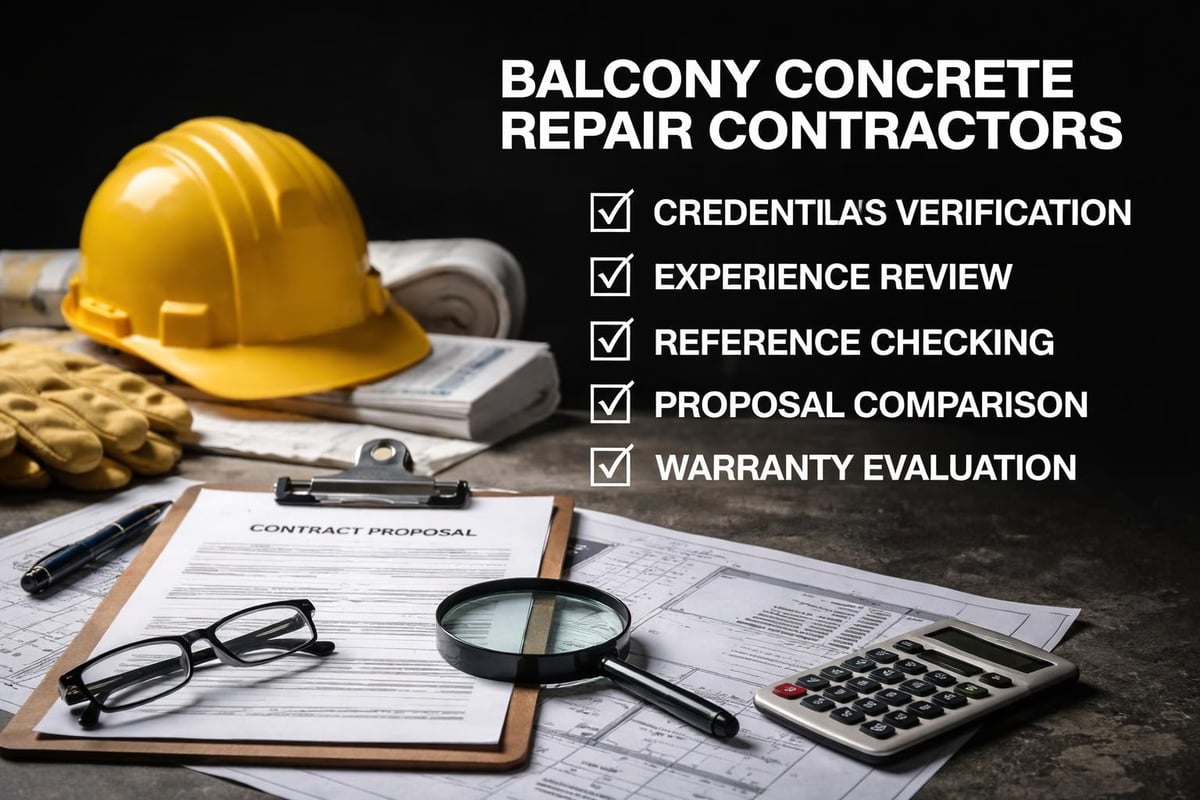
Before hiring any contractor, verify these critical qualifications:
Licensing and Insurance
- Valid general contractor license
- Workers' compensation coverage
- General liability insurance (minimum $1 million)
- Professional indemnity insurance
Technical Expertise
- Certified concrete restoration specialists
- Structural engineering support or partnerships
- Experience with structural engineering and repair design
- Knowledge of ICC certification standards
Local Experience
- Familiarity with South Florida building codes
- Track record with similar properties
- Understanding of coastal environment challenges
Questions to Ask Potential Contractors
When interviewing candidates, ask specific questions that reveal their expertise:
- How do you assess the extent of concrete damage beyond visible areas?
- What repair methods do you recommend for our specific damage pattern?
- How will you ensure proper bonding between new and existing concrete?
- What waterproofing systems do you install, and what warranties do they carry?
- Can you provide references from similar projects completed in the past two years?
- How do you handle unexpected discoveries during demolition?
- What's your typical project timeline from assessment to completion?
The guide to choosing balcony repair contractors emphasizes evaluating contractors based on their problem-solving approach, not just their pricing.
Red Flags to Avoid
Certain warning signs indicate contractors you should avoid:
- Reluctance to provide detailed written estimates
- Pressure tactics or unusually short estimate validity periods
- Significantly lower bids than other qualified contractors
- Inability to explain their repair methodology
- No references from commercial or multi-family properties
- Lack of proper licensing or insurance documentation
- Unwillingness to include warranties in the contract
The Balcony Repair Process: What to Expect
Understanding the repair timeline helps property managers plan around disruptions and communicate effectively with residents.
Project Phases and Timeline
Most balcony concrete repair projects follow this general sequence:
Phase 1: Pre-Construction (1-2 weeks)
- Final engineering review
- Permit applications and approvals
- Material ordering
- Resident notification
- Site logistics planning
Phase 2: Demolition and Preparation (3-7 days per balcony)
- Protection of surrounding areas
- Removal of deteriorated concrete
- Rebar cleaning and treatment
- Surface preparation for new materials
Phase 3: Restoration (5-10 days per balcony)
- Formwork installation
- Rebar repair or replacement
- Concrete placement
- Curing period (critical for strength development)
Phase 4: Finishing (3-5 days per balcony)
- Waterproofing application
- Surface finishing
- Railing reinstallation or replacement
- Final inspection and testing
Managing Resident Impact
Successful projects minimize disruption through careful planning. Professional contractors:
- Schedule work during optimal weather windows
- Communicate timelines clearly to all stakeholders
- Provide alternate access routes when possible
- Limit noise-generating activities to reasonable hours
- Maintain clean and safe work areas
- Address resident concerns promptly
For buildings undergoing milestone building recertification, balcony repairs often coordinate with other required improvements to minimize overall disruption.
Cost Factors and Budgeting Considerations
Balcony concrete repair costs vary significantly based on damage extent, building height, access challenges, and material selections. Understanding cost drivers helps property owners budget appropriately.
Primary Cost Components
| Cost Factor | Typical Range | Impact Level |
|---|---|---|
| Engineering assessment | $2,000-$8,000 | One-time |
| Permits and approvals | $500-$3,000 | One-time |
| Concrete removal | $15-$35/sq ft | Per balcony |
| Rebar repair/replacement | $8-$20/sq ft | Per balcony |
| Concrete restoration | $25-$65/sq ft | Per balcony |
| Waterproofing systems | $10-$30/sq ft | Per balcony |
| Railing replacement | $75-$200/linear ft | As needed |
Access equipment significantly affects costs for high-rise buildings. Scaffolding, swing stages, or specialized lifts add $10,000-$50,000+ depending on building height and duration.
Long-Term Value vs. Short-Term Savings
Property owners sometimes consider cheaper repair options to reduce immediate costs. This approach typically proves more expensive over time. Quality repairs using proper materials and techniques last 20-30 years, while quick fixes often fail within 3-5 years.
Consider these long-term factors when evaluating contractor proposals:
- Material quality: Premium repair mortars cost more but provide superior durability
- Warranty coverage: Comprehensive warranties protect against premature failure
- Preventive measures: Waterproofing and drainage improvements prevent future damage
- Code compliance: Proper repairs avoid violations and potential fines
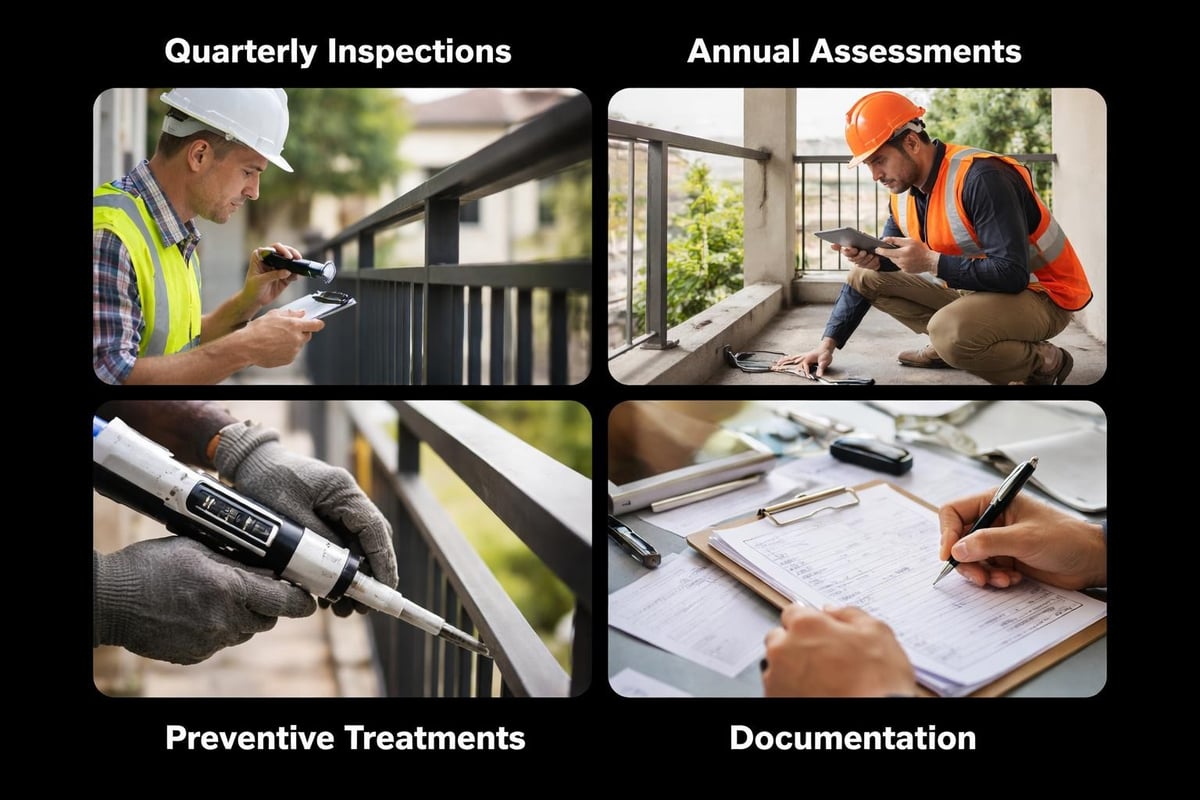
Maintenance After Repairs
Even professionally repaired balconies require ongoing maintenance to maximize their lifespan. Property managers should implement regular inspection and maintenance programs.
Recommended Maintenance Schedule
Quarterly Inspections
- Visual examination for new cracks or deterioration
- Drainage system functionality checks
- Railing stability assessment
- Cleaning of drains and scuppers
Annual Professional Assessment
- Detailed inspection by qualified professionals
- Waterproofing integrity evaluation
- Concrete core testing in high-risk areas
- Documentation for reserve study updates
Five-Year Detailed Evaluation
- Comprehensive structural assessment
- Chloride testing at various depths
- Waterproofing system renewal planning
- Long-term repair and replacement budgeting
Balcony maintenance tips emphasize the importance of addressing minor issues promptly before they escalate into major structural problems.
Preventive Measures Property Owners Can Implement
Simple preventive actions extend balcony life significantly:
- Regular cleaning: Remove debris that traps moisture
- Drainage maintenance: Keep drains clear and functional
- Prompt leak repair: Address water intrusion immediately
- Furniture considerations: Use protective pads under furniture legs
- Plant container management: Prevent water overflow and staining
- Resident education: Inform occupants about proper balcony use
Buildings requiring structural integrity reserve studies benefit from incorporating balcony maintenance data into their long-term financial planning.
Code Compliance and Safety Standards
Florida's building codes have become increasingly stringent following recent structural failures. A qualified balcony concrete repair contractor must navigate complex regulatory requirements while ensuring occupant safety.
Florida Building Code Requirements
The Florida Building Code addresses balcony construction and repair in multiple sections:
- Load-bearing capacity: Minimum 60 psf for residential, higher for assembly use
- Railing height: Minimum 42 inches for buildings over three stories
- Guardrail strength: Must withstand 200 pounds applied in any direction
- Drainage requirements: Positive drainage away from buildings
- Fire resistance: Specific ratings for multi-family applications
Permit Requirements and Inspections
Most balcony repair projects require building permits. The permitting process typically involves:
- Submittal of engineering drawings and specifications
- Plan review by building department
- Permit issuance and fee payment
- Scheduled inspections at critical phases
- Final approval and certificate of completion
Working with contractors who handle permit-ready repair solutions streamlines this process and ensures compliance. Experienced contractors maintain relationships with local building departments and understand exactly what documentation officials require.
Safety During Construction
Construction safety protocols protect workers and building occupants. Professional contractors implement:
- Fall protection systems: Guardrails, safety nets, and personal fall arrest equipment
- Dust containment: Barriers and ventilation to protect indoor air quality
- Debris management: Controlled removal preventing injuries or property damage
- Traffic control: Safe pathways around work zones
- Emergency procedures: Clear protocols for accidents or unexpected events
The importance of keeping balconies and railings safe extends beyond the repair phase into ongoing operational periods.
Special Considerations for Different Property Types
Different building types present unique challenges for balcony concrete repair contractors. Understanding these distinctions helps property owners select appropriately experienced contractors.
High-Rise Residential Buildings
Tall buildings create access challenges and require specialized equipment. Contractors working on high-rises must:
- Coordinate with multiple units simultaneously
- Manage complex logistics for material delivery and debris removal
- Implement stringent safety protocols for elevated work
- Navigate homeowner association approval processes
- Schedule work to minimize resident disruption
Commercial Properties
Commercial buildings often have larger balconies with higher load requirements. Additional considerations include:
- Business continuity: Minimizing impact on tenant operations
- Higher load capacities: Restaurants and assembly spaces require stronger designs
- Accessibility compliance: ADA requirements for public-facing balconies
- Insurance implications: Coordinating with commercial liability carriers
Historic Buildings
Older properties require special approaches that preserve architectural character while meeting modern codes. Historic restoration demands:
- Matching original materials and finishes
- Working within preservation guidelines
- Obtaining approval from historical commissions
- Balancing aesthetics with structural requirements
Portfolio examples from experienced contractors demonstrate their versatility across different property types and architectural styles.
Working With Engineering Professionals
Complex balcony repairs often require structural engineering input to ensure safety and code compliance. The relationship between contractors and engineers significantly impacts project success.
When Engineering Services Are Required
Florida law mandates engineering involvement for certain repair scenarios:
- Repairs affecting structural load paths
- Modifications to original design
- Buildings undergoing milestone recertification
- Projects requiring building permits
- Situations involving structural distress or failure
The Contractor-Engineer Relationship
Successful projects depend on effective collaboration. The best balcony concrete repair contractor teams work closely with structural engineers to:
- Review and interpret engineering drawings
- Provide field observations and feedback
- Suggest practical construction solutions
- Document as-built conditions
- Verify repair quality through testing
Structural engineering services should integrate seamlessly with construction capabilities, ensuring designs are both structurally sound and practically buildable.
Quality Assurance and Testing
Professional projects include verification testing throughout the repair process:
- Concrete strength testing: Cylinder breaks to confirm proper curing
- Pull tests: Verifying railing anchor strength
- Waterproofing verification: Flood testing membrane installations
- Adhesion testing: Ensuring proper bonding of repair materials
These quality control measures provide documentation for building officials, insurance companies, and property records.
Emerging Technologies in Balcony Repair
The concrete restoration industry continues evolving with new materials, techniques, and diagnostic tools. Forward-thinking contractors adopt innovations that improve repair quality and longevity.
Advanced Diagnostic Tools
Modern assessment technology provides unprecedented insight into concrete condition:
- Infrared thermography: Detects moisture and delamination non-destructively
- Ground-penetrating radar: Maps rebar location and concrete thickness
- Ultrasonic testing: Measures concrete density and identifies voids
- Corrosion potential mapping: Predicts future deterioration patterns
High-Performance Repair Materials
Material science advances offer superior alternatives to traditional repair products:
- Polymer-modified mortars: Enhanced bonding and flexibility
- Fiber-reinforced concrete: Improved crack resistance
- Corrosion inhibitors: Slow steel deterioration in existing concrete
- Self-leveling overlays: Create perfectly sloped drainage surfaces
Sustainable Repair Practices
Environmental consciousness increasingly influences construction decisions. Sustainable approaches include:
- Recycling removed concrete as aggregate
- Using low-VOC waterproofing products
- Implementing water conservation during construction
- Selecting materials with recycled content
- Minimizing construction waste through precise planning
Documentation and Warranty Considerations
Thorough documentation protects property owners and provides valuable records for future maintenance planning. Professional contractors deliver comprehensive project documentation.
Essential Project Records
Complete project files should include:
Pre-Construction Documentation
- Detailed condition assessment reports
- Engineering calculations and drawings
- Permit applications and approvals
- Material specifications and data sheets
- Project schedule and phasing plans
Construction Records
- Daily progress reports and photos
- Material delivery receipts and certifications
- Test results and inspection reports
- Change order documentation
- As-built drawings showing actual conditions
Post-Completion Documentation
- Warranty certificates for materials and workmanship
- Maintenance recommendations
- Final inspection approvals
- Lien releases from all subcontractors and suppliers
This documentation proves essential during property sales, insurance claims, or future building recertification inspections.
Understanding Warranty Coverage
Warranty terms vary significantly between contractors. Comprehensive warranties typically cover:
| Warranty Type | Typical Duration | Coverage |
|---|---|---|
| Workmanship | 1-5 years | Labor and installation defects |
| Materials | 5-20 years | Product failure or degradation |
| Waterproofing | 10-20 years | System performance and leaks |
| Structural | 3-10 years | Load capacity and integrity |
Read warranty terms carefully. Note exclusions, maintenance requirements, and transferability to future owners. Some warranties require annual inspections by the original contractor to remain valid.
Protecting your building's balconies requires partnering with experienced professionals who understand concrete restoration, structural engineering, and local building codes. Whether you're addressing immediate safety concerns or planning comprehensive repairs during milestone recertification, selecting the right balcony concrete repair contractor makes all the difference in project outcomes and long-term performance. Souffront Construction and Engineering provides South Florida property owners with integrated inspection, engineering, and construction services backed by decades of experience and a commitment to code-conscious, reliable solutions. Contact us today to schedule a comprehensive balcony assessment and receive a detailed repair proposal tailored to your property's specific needs.