All Structural: Complete Guide to Building Integrity
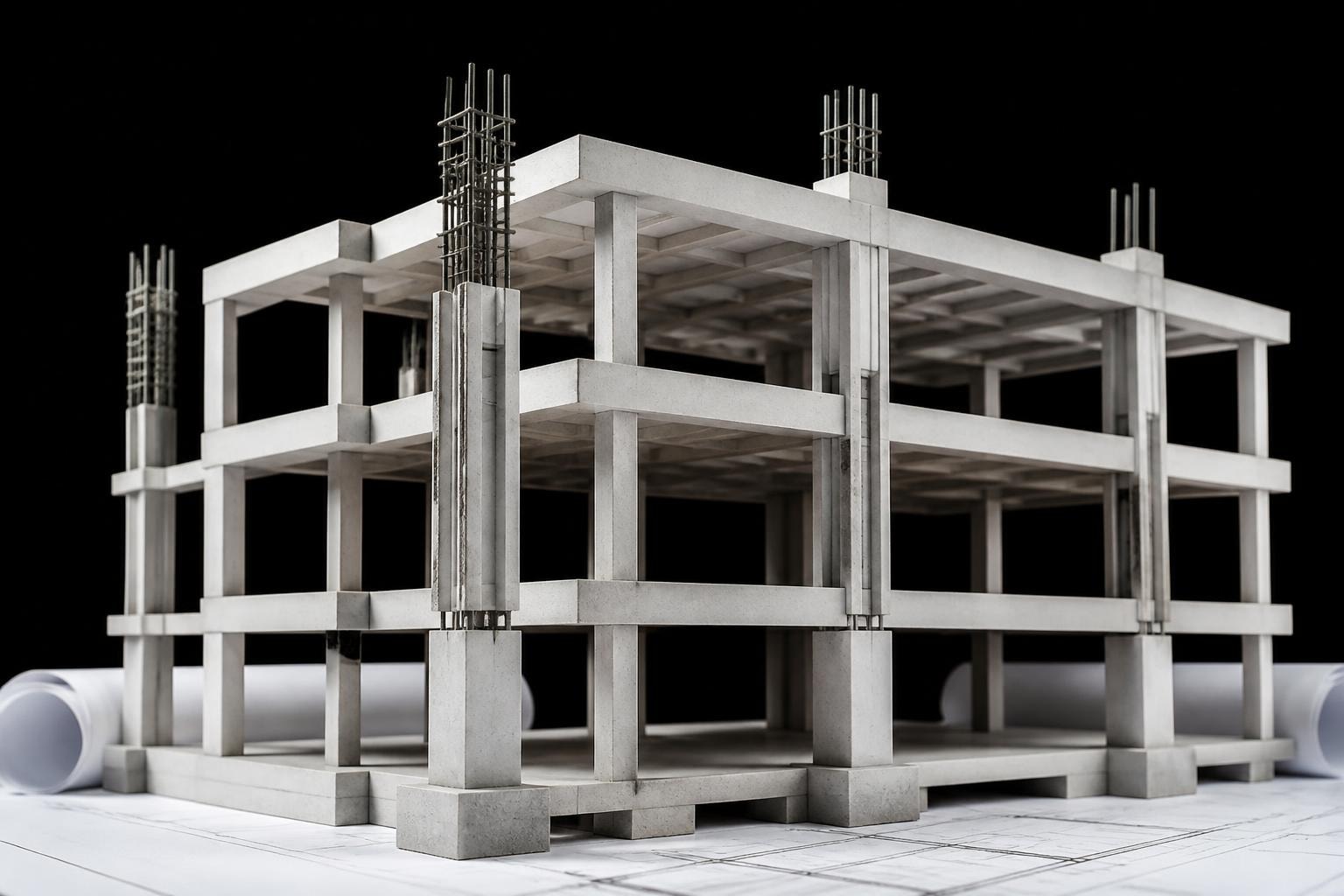
When we talk about building safety and recertification in South Florida, the phrase "all structural" carries immense weight. It's not just about examining individual components in isolation but understanding how every element works together to maintain the integrity of a building. From the foundation to the roof, from load-bearing walls to concealed steel reinforcements, a truly comprehensive approach recognizes that all structural elements must function as a cohesive system. For property owners and managers facing milestone recertification requirements, understanding this holistic perspective is essential to protecting investments and ensuring occupant safety.
Understanding the All Structural Approach in Building Assessment
The concept of evaluating all structural components simultaneously represents a fundamental shift in how we approach building inspections and recertification. Rather than examining individual elements in a vacuum, professionals must consider how each component interacts with others under various load conditions.
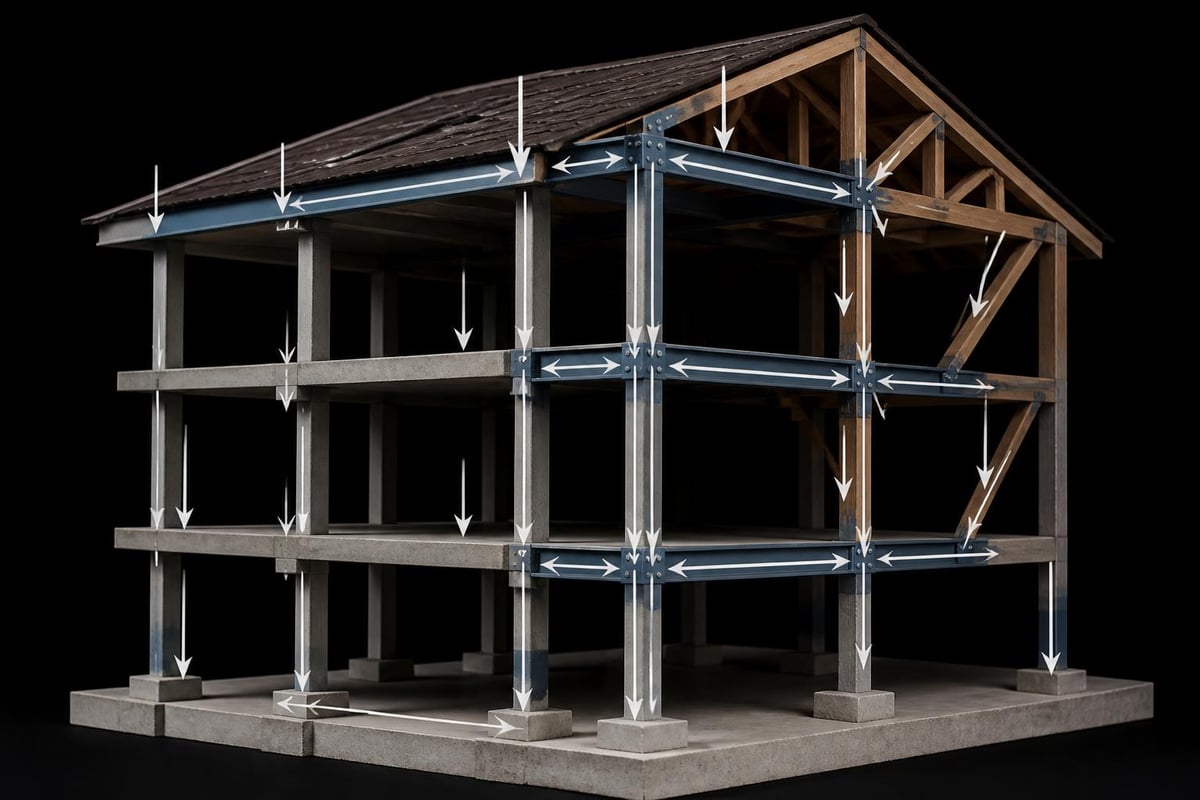
All structural systems work interdependently. When a column shows signs of distress, it's rarely an isolated issue. The problem might originate from foundation settlement, excessive loading from above, or deterioration in connecting beams. This interconnected nature means that identifying one defect often reveals a cascade of related issues throughout the structure.
Why Comprehensive Structural Evaluation Matters
Building failures rarely announce themselves with obvious warning signs. Instead, they develop gradually through the accumulation of small deficiencies across multiple systems. This reality makes the all structural approach not just beneficial but absolutely necessary.
- Load path continuity: Forces must transfer smoothly from roof to foundation through every structural member
- Material compatibility: Different materials expand, contract, and age at varying rates
- Environmental factors: Salt air, moisture, and temperature extremes affect all structural components differently
- Code compliance: Modern standards require consideration of the entire structural system
South Florida's unique climate presents particular challenges. The combination of salt air, high humidity, intense sun exposure, and occasional hurricane-force winds creates an environment where all structural elements face accelerated degradation. Structural engineering services must account for these regional factors when evaluating building integrity.
Critical Components in All Structural Systems
Every building contains multiple structural elements that must work in harmony. Understanding these components and their relationships forms the foundation of effective building assessment and maintenance.
Foundation and Below-Grade Structures
The foundation bears the weight of everything above it while resisting soil pressures and potential water intrusion. All structural problems eventually manifest at the foundation level, making it a critical focus area for inspections.
| Foundation Element | Primary Function | Common Issues |
|---|---|---|
| Footings | Distribute loads to soil | Settlement, cracking, undermining |
| Grade beams | Connect footings | Corrosion, spalling, displacement |
| Piles/Caissons | Transfer loads to competent soil | Deterioration, loss of capacity |
| Basement walls | Resist lateral earth pressure | Water intrusion, bowing, cracking |
Foundation assessment requires specialized expertise. Geotechnical engineering foundations and soils analysis helps determine whether the soil-structure interaction remains adequate or if intervention is necessary.
Vertical Load-Bearing Systems
Columns, walls, and other vertical elements carry loads from the superstructure down to the foundation. All structural vertical members must maintain their load-carrying capacity throughout the building's lifespan.
The deterioration of concrete columns presents one of the most serious threats to building safety. Rebar corrosion expands within the concrete, causing spalling that reduces the effective cross-section of the column. This process accelerates in coastal environments where concrete restoration and structural repairs become essential maintenance activities.
Horizontal Spanning Systems
Beams, joists, slabs, and other horizontal members transfer loads to vertical supports. These elements experience bending stresses that create unique failure modes requiring careful evaluation.
Post-tensioned slabs deserve special attention. These sophisticated systems use high-strength steel cables to pre-compress concrete, enabling longer spans with less material. However, when tendons corrode or anchors fail, the consequences can be catastrophic. All structural assessments must include thorough inspection of post-tensioned systems where present.
The All Structural Assessment Process
Conducting a truly comprehensive structural evaluation requires systematic methodology and multidisciplinary expertise. The process extends far beyond visual observation to include advanced testing and detailed analysis.
Visual Documentation and Preliminary Survey
Every comprehensive assessment begins with careful observation. Trained professionals document:
- Visible distress indicators: Cracks, spalling, deflection, rust staining
- Water intrusion evidence: Staining, efflorescence, vegetation growth, ponding
- Previous repairs: Quality, extent, and effectiveness of prior interventions
- Structural modifications: Alterations that may have compromised original design
- Connection conditions: Critical junctions between structural elements
Forensic water intrusion investigations often run parallel to structural assessments, as moisture penetration accelerates deterioration of all structural materials.
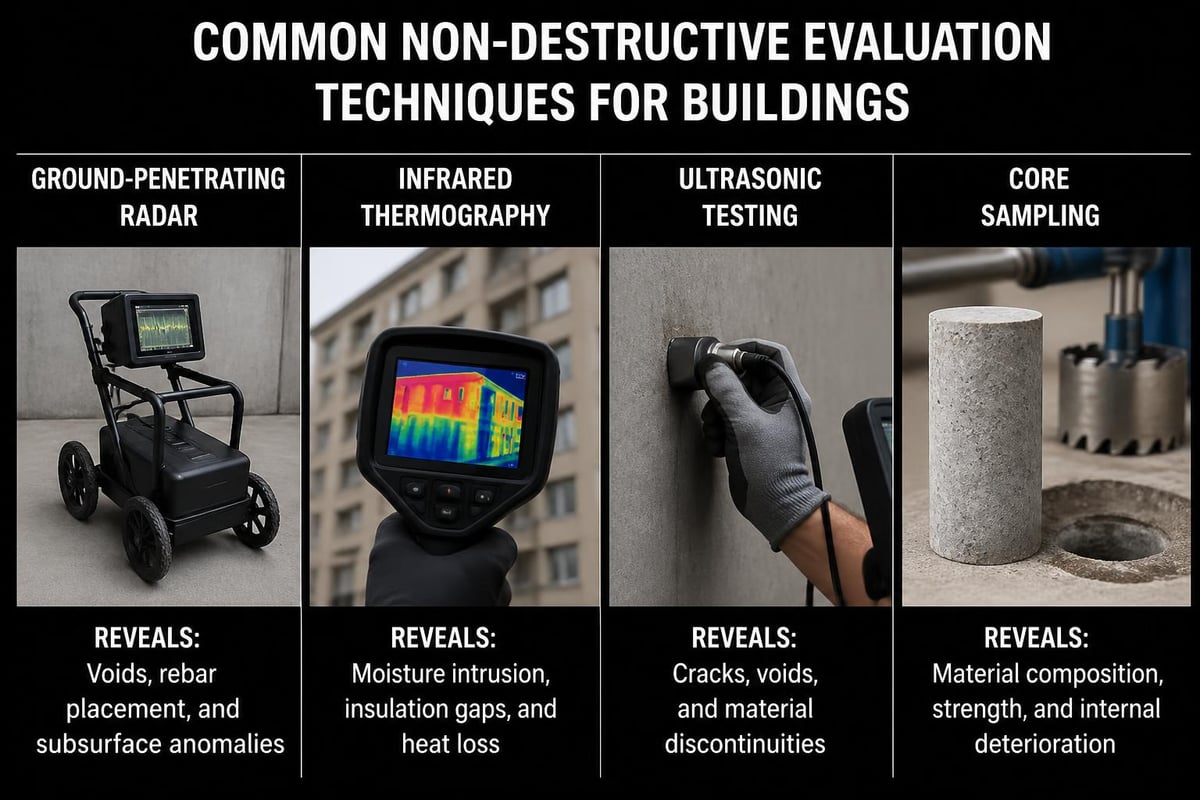
Non-Destructive Testing Methods
Modern technology enables engineers to see inside structures without causing damage. These techniques reveal conditions that visual inspection alone cannot detect.
- Ground-penetrating radar: Locates reinforcing steel, post-tension cables, voids
- Infrared thermography: Identifies moisture intrusion, delamination, heat loss
- Ultrasonic testing: Measures concrete thickness, detects internal voids
- Rebound hammer testing: Estimates concrete compressive strength
- Corrosion potential mapping: Predicts rebar deterioration likelihood
The fundamentals of structural design engineering provide the theoretical foundation that makes interpretation of these test results meaningful.
Laboratory Analysis and Material Testing
Sometimes destructive sampling becomes necessary to determine actual material properties. Core samples, extracted rebar, and mortar specimens provide definitive data about structural conditions.
| Test Type | Information Provided | When Required |
|---|---|---|
| Concrete cores | Compressive strength, density, chloride content | Suspected substandard concrete |
| Rebar extraction | Actual reinforcement size, grade, condition | Design verification, capacity analysis |
| Chloride analysis | Corrosion risk assessment | Coastal exposures, parking structures |
| Petrographic exam | Concrete composition, distress mechanisms | Unusual deterioration patterns |
Structural Analysis and Calculations
Raw data from inspections and testing must be interpreted through engineering analysis. All structural members get evaluated against current code requirements and actual loading conditions.
Computer modeling has revolutionized structural analysis. Engineers can now create detailed three-dimensional models that simulate building behavior under various load combinations, including seismic and wind events. These analyses often reveal deficiencies invisible to conventional inspection methods.
Common All Structural Deficiencies in South Florida Buildings
Certain patterns of deterioration appear repeatedly in coastal buildings. Recognizing these common issues helps property managers prioritize maintenance and understand the scope of potential problems.
Concrete Deterioration and Spalling
Concrete degradation follows predictable progression patterns in marine environments. Chloride penetration from salt air reaches embedded reinforcing steel, initiating corrosion. As rust forms, it occupies more volume than the original steel, creating internal pressures that crack and spall the concrete cover.
The damage compounds itself. Once concrete spalls away, exposing rebar directly to the elements, corrosion accelerates dramatically. All structural concrete elements in coastal buildings face this threat, from balconies and columns to beams and slabs.
Inadequate Waterproofing and Drainage
Water is the enemy of all structural systems. When waterproofing fails or drainage systems clog, moisture infiltrates structural assemblies, causing multiple forms of damage simultaneously.
- Accelerated concrete deterioration through chloride transport
- Wood decay in mixed-construction buildings
- Metal corrosion in structural steel and reinforcement
- Masonry degradation through freeze-thaw cycling (rare in South Florida but possible)
- Foundation undermining from water accumulation
Milestone building inspection requirements specifically address waterproofing systems because their failure affects all structural components below.
Connection and Anchorage Deficiencies
Structural elements only perform as designed when properly connected. All structural failures can often be traced to inadequate connections rather than failure of the members themselves.
Balcony connections deserve particular scrutiny. These cantilevered elements experience significant bending moments at their attachment to the main structure. Corrosion of embedded anchors or deterioration of the concrete surrounding them can lead to catastrophic collapse. Recent tragedies in other states have highlighted this vulnerability, leading to enhanced inspection requirements.
Foundation Settlement and Movement
South Florida's varied soil conditions create challenges for foundations. Areas with organic soils, fill materials, or high water tables experience settlement, while properly designed foundations in competent limestone remain stable.
Differential settlement impacts all structural systems. When one part of a building settles more than another, it induces stresses throughout the structure. Cracks appear in walls, floors become unlevel, doors and windows bind, and structural members experience loading they weren't designed to resist.
Regulatory Framework and Milestone Recertification
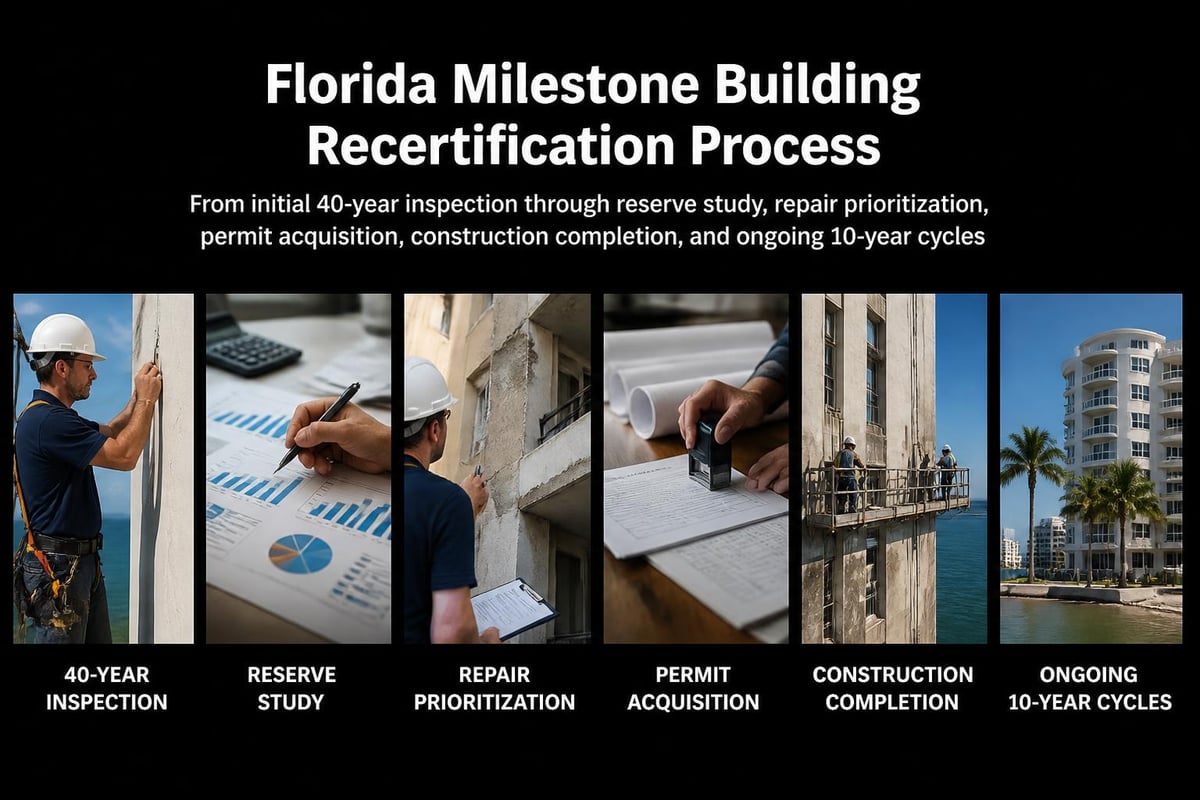
Florida's milestone recertification programs exist specifically to ensure ongoing evaluation of all structural and life-safety systems. Understanding these requirements helps property owners maintain compliance while protecting their investments.
The Evolution of Building Recertification
Following several high-profile building failures, Florida has progressively strengthened recertification requirements. The programs now mandate comprehensive evaluation of all structural components at defined intervals.
Current requirements include:
- Initial recertification at 30 or 40 years (depending on jurisdiction and building type)
- Subsequent recertifications every 10 years
- Structural Integrity Reserve Studies (SIRS) for certain building types
- Immediate reporting of unsafe conditions
- Timely completion of required repairs
The 40-year building recertification inspection guide provides detailed information on what these assessments entail and how property owners should prepare.
Scope of Required Inspections
Milestone inspections must examine all structural load-bearing components and associated systems. The scope typically includes:
- Primary structural frame (columns, beams, load-bearing walls)
- Floor and roof systems
- Foundation elements (where accessible)
- Exterior walls and cladding systems
- Balconies, canopies, and other projecting elements
- Parking structures and elevated slabs
- Stairways and related structural supports
Engineers conducting these inspections must be licensed in Florida and carry appropriate professional liability insurance. The inspection reports must document conditions, identify deficiencies, and provide recommendations for necessary repairs.
Strategic Maintenance for All Structural Systems
Proactive maintenance extends building lifespan, reduces emergency repair costs, and ensures compliance with safety regulations. A strategic approach addresses all structural systems systematically rather than reactively responding to individual failures.
Preventive Inspection Programs
Regular inspections between mandatory milestone assessments identify developing problems before they become emergencies. All structural components benefit from periodic professional review.
Recommended inspection frequency varies by element:
- Exposed concrete: Annual visual review, detailed assessment every 3-5 years
- Waterproofing systems: Annual inspection, especially after major storms
- Drainage systems: Semi-annual cleaning and inspection
- Balcony railings and attachments: Annual safety review
- Foundation monitoring: Annual measurement in areas with settlement history
Prioritizing Repair and Restoration Work
When inspections reveal multiple deficiencies, property owners face difficult decisions about repair sequencing. All structural repairs aren't equally urgent, and strategic prioritization maximizes safety while managing budgets.
| Priority Level | Characteristics | Timeline |
|---|---|---|
| Emergency | Immediate safety threat, potential for collapse | Within days |
| Urgent | Active deterioration, safety concerns developing | Within months |
| Important | Significant defects, no immediate danger | Within 1-2 years |
| Routine | Minor defects, preventive maintenance | As budget allows |
Life safety always takes precedence. Issues affecting egress, fire resistance, or structural stability require immediate attention regardless of cost considerations. Violation and unsafe structures resolution becomes necessary when authorities identify imminent hazards.
Documentation and Record Keeping
Comprehensive documentation of all structural inspections, repairs, and modifications creates invaluable historical records. These documents help future engineers understand the building's evolution and inform maintenance decisions.
Essential records include:
- Original construction drawings and specifications
- Previous inspection reports and findings
- Repair documentation with dates, methods, materials
- Material test results and laboratory reports
- Permit applications and approvals
- Warranties for completed work
The Role of Professional Expertise
Evaluating all structural systems requires multidisciplinary expertise. No single professional possesses all the knowledge necessary for comprehensive building assessment in complex cases.
Structural Engineering Expertise
Licensed structural engineers provide the analytical foundation for understanding building performance. Their training in load analysis, material behavior, and failure mechanisms enables accurate assessment of all structural conditions.
Engineers must understand both theory and practice. Case studies in structural engineering demonstrate how theoretical knowledge applies to real-world situations, revealing the complexity of actual building behavior versus idealized models.
Construction and Restoration Specialists
While engineers identify problems and design solutions, experienced contractors execute the actual repairs. All structural restoration work requires specialized knowledge of materials, techniques, and sequencing.
Concrete restoration specialists understand the nuances of working with deteriorated structures. They know how to safely remove damaged material, prepare surfaces, install reinforcement, and place repair concrete to achieve lasting results.
Inspection and Testing Professionals
Building inspectors and testing technicians provide the field data that engineers analyze. Their careful documentation and accurate testing form the foundation of reliable structural assessment.
Technology continues to advance the field. Infrared thermal inspection services reveal conditions invisible to the naked eye, while advanced testing equipment provides quantitative data about material properties and structural performance.
Financial Planning for Structural Maintenance
Understanding the costs associated with maintaining all structural systems helps property owners and associations budget appropriately. Deferred maintenance compounds problems and ultimately costs more than proactive care.
Reserve Study Requirements
The Structural Integrity Reserve Study (SIRS) mandates that associations maintain adequate reserves for future structural repairs. This requirement recognizes that all structural systems eventually need attention.
SIRS analysis includes:
- Detailed inventory of structural components
- Assessment of current conditions
- Estimation of remaining useful life
- Calculation of replacement/repair costs
- Funding plan to accumulate necessary reserves
The SIRS structural integrity reserve study process helps associations avoid special assessments by planning for predictable expenses.
Cost Factors in Structural Repair
Multiple variables influence the cost of addressing all structural deficiencies. Property owners benefit from understanding these factors when evaluating proposals and planning budgets.
- Extent of deterioration: Early intervention costs less than emergency repairs
- Accessibility: Interior work costs less than exterior high-rise repairs
- Building occupancy: Occupied buildings require additional safety measures
- Material selection: Premium materials may justify higher upfront costs through longer service life
- Permitting requirements: Complex projects involve engineering, permitting, and inspection fees
Long-Term Value of Structural Investment
Money spent on structural maintenance isn't an expense but an investment in property value and safety. Well-maintained buildings command higher prices, attract quality tenants, and avoid the devastating costs of structural failures.
The numbers speak clearly. Understanding 40-year recertification costs helps property owners recognize that planned maintenance costs significantly less than emergency repairs or, worse, dealing with building failure consequences.
Emerging Technologies in Structural Assessment
Innovation continues to improve how professionals evaluate all structural components. New tools and methods provide better data, reduce inspection time, and enhance safety for personnel.
Digital Documentation and Modeling
Building Information Modeling (BIM) and digital twins create virtual representations of structures. These models integrate inspection data, allowing engineers to visualize all structural conditions in three dimensions and track changes over time.
Automation is transforming the field. Research into multi-agent systems for structural engineering workflows demonstrates how artificial intelligence can streamline routine tasks, allowing professionals to focus on complex analysis and decision-making.
Advanced Sensing Technologies
Continuous monitoring systems track building performance in real-time. Sensors measure deflection, vibration, moisture levels, and other parameters, alerting managers to developing problems before they become visible.
- Wireless sensor networks distributed throughout structures
- Fiber optic strain gauges embedded in critical members
- Acoustic emission monitoring detecting active cracking
- Environmental sensors tracking temperature, humidity, chloride levels
Predictive Analytics and Machine Learning
Analyzing data from multiple buildings reveals patterns that predict deterioration before it occurs. All structural assessment benefits from this broader perspective, enabling truly proactive maintenance.
Machine learning applications in structural design show how algorithms can optimize both new construction and repair strategies, potentially reducing costs while improving performance.
Understanding how all structural components work together forms the foundation of effective building maintenance and safety. From foundations to roofing systems, from waterproofing to reinforcement, every element contributes to overall integrity. Property owners who embrace comprehensive structural assessment protect their investments while ensuring occupant safety. Souffront Construction and Engineering brings decades of experience in structural evaluation, engineering, and restoration to South Florida properties, helping owners navigate milestone recertification requirements with professional, code-conscious service that addresses all structural systems comprehensively.