Water Intrusion in Basement: Detection & Prevention
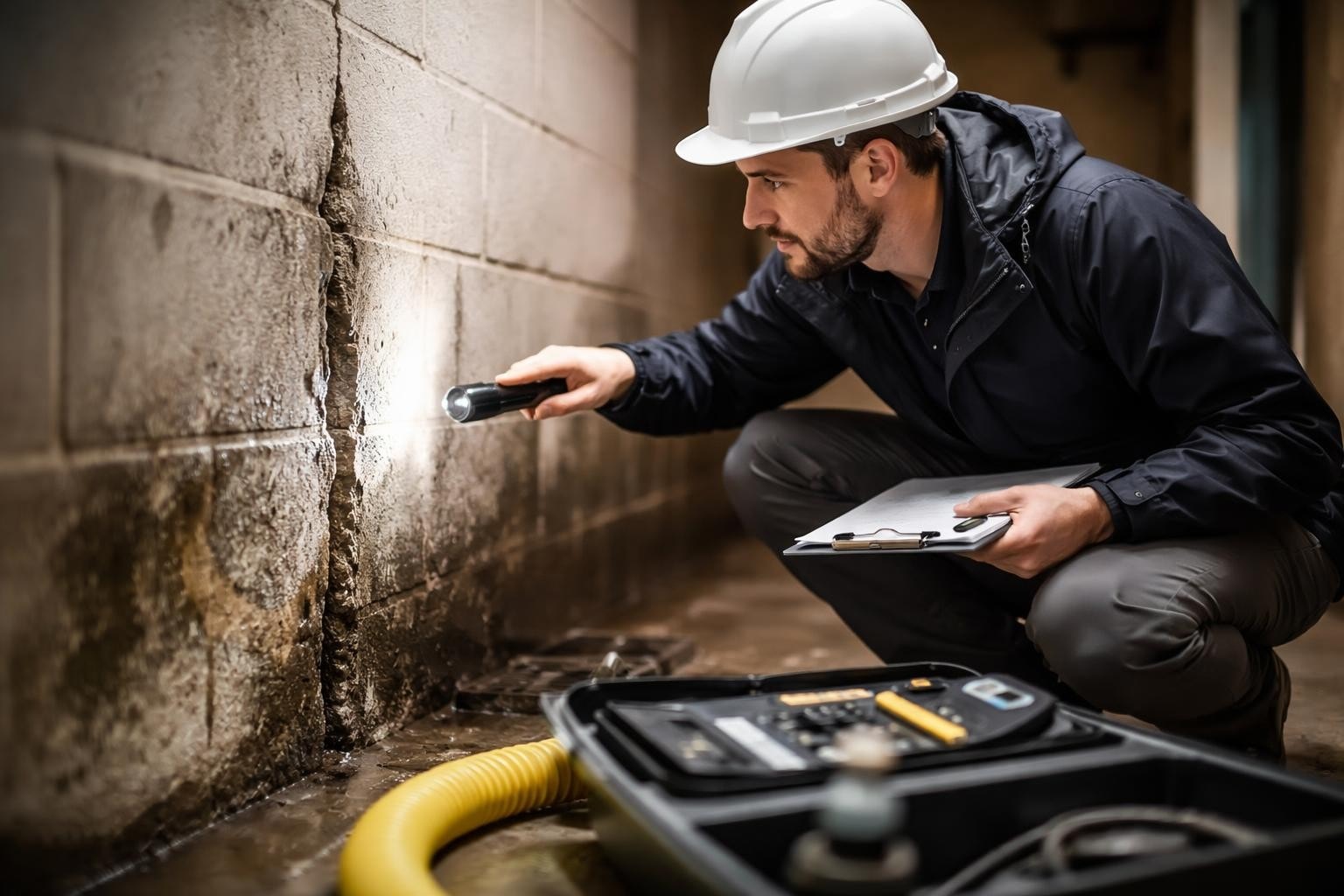
Water intrusion in basement areas represents one of the most persistent challenges facing property owners and managers in South Florida. While basements are less common in our region due to high water tables and flood zones, understanding water intrusion principles applies equally to below-grade parking structures, crawl spaces, and ground-level slabs that many commercial and residential buildings rely upon. The mechanics of moisture penetration, hydrostatic pressure, and structural vulnerability remain consistent regardless of your building's configuration. Recognizing early warning signs and implementing proper prevention strategies protects your investment and ensures compliance with building codes during milestone inspections.
Understanding the Causes of Water Intrusion in Basement Environments
Water finds its way into below-grade spaces through multiple pathways, each requiring specific diagnostic approaches. Hydrostatic pressure and foundation vulnerabilities create the primary risk factors that building owners must address systematically.
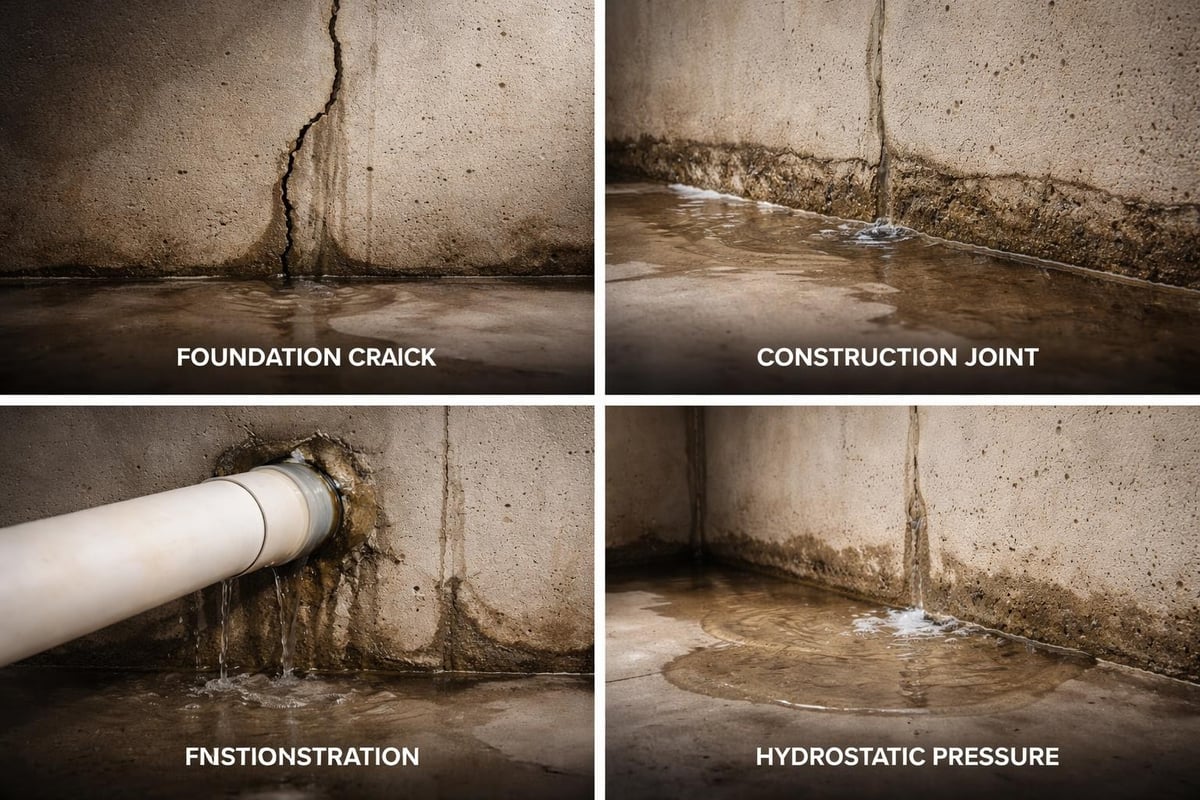
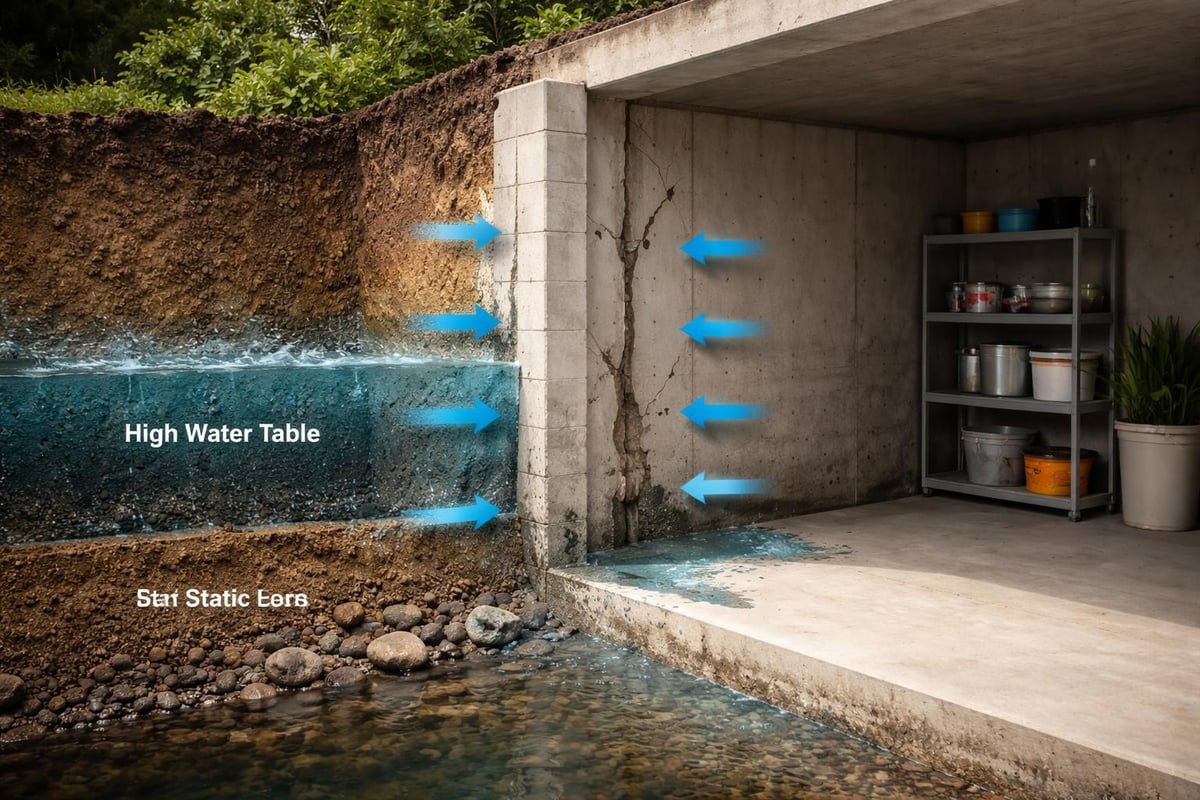
Hydrostatic pressure develops when groundwater saturates the soil surrounding your foundation, creating immense force against basement walls and floor slabs. This pressure pushes moisture through even microscopic cracks, porous concrete, and construction joints. In South Florida's high water table conditions, this pressure intensifies during rainy season, making proper drainage and waterproofing absolutely essential.
Primary Entry Points for Moisture
Foundation cracks represent the most obvious vulnerability. These develop from:
- Settling and soil movement beneath the structure
- Thermal expansion and contraction cycles
- Seismic activity or vibration from nearby construction
- Deterioration of aging concrete in older buildings
- Improper initial construction or curing processes
Construction joints where walls meet floors create natural weak points. Even properly constructed joints can develop gaps over time as materials age and shift. Window wells in basement spaces collect water during storms, and without adequate drainage, this water seeps through window frames and surrounding masonry.
| Entry Point | Risk Level | Common in South Florida |
|---|---|---|
| Foundation Cracks | High | Very Common |
| Construction Joints | Medium-High | Common |
| Window Wells | Medium | Less Common |
| Floor Slab Cracks | High | Very Common |
| Pipe Penetrations | Medium | Common |
The various points where water enters basements extend beyond obvious structural defects to include plumbing failures, HVAC condensation issues, and exterior grade problems that direct surface water toward your foundation rather than away from it.
Identifying Warning Signs Before Major Damage Occurs
Early detection of water intrusion in basement areas saves thousands in repair costs and prevents catastrophic structural failures. Professional inspectors look for specific indicators that moisture has compromised your building's integrity.
Visual evidence includes white chalky deposits called efflorescence, which appear when water carries minerals through concrete and deposits them on surfaces as it evaporates. This crystalline residue signals active moisture movement through your foundation materials.
Musty odors indicate mold growth, which thrives in damp environments. Even if you cannot see visible mold patches, persistent musty smells confirm moisture problems requiring immediate investigation. Signs that moisture intrusion inspectors identify during professional assessments include staining patterns, material deterioration, and changes in humidity levels.
Structural and Material Degradation
Water intrusion in basement structures causes progressive damage that accelerates over time:
- Concrete spalling where surface layers crack, pop off, and expose interior aggregate
- Steel reinforcement corrosion leading to expansion and further concrete cracking
- Wood rot in any structural lumber, framing, or finishing materials
- Paint blistering and peeling on walls as moisture pushes through from behind
- Floor tile lifting when water undermines adhesive bonds
Warped baseboards, buckled flooring, and stained drywall provide clear evidence of ongoing moisture problems. During milestone building recertification inspections, engineers specifically examine below-grade areas for these telltale signs of water intrusion that threaten structural integrity.
Condensation versus intrusion requires careful distinction. Condensation forms when humid air contacts cold surfaces, creating moisture without actual water penetration. True intrusion involves water physically entering through the building envelope. Professional assessments use moisture meters, thermal imaging, and material testing to differentiate between these conditions and identify root causes accurately.
The Science Behind Hydrostatic Pressure and Foundation Stress
Understanding the physics of water intrusion in basement environments helps property managers appreciate why proper engineering solutions matter. Water weighs approximately 62 pounds per cubic foot, and when saturated soil presses against foundation walls, the cumulative force can exceed structural design limits.
How water intrusion damages foundations extends beyond immediate flooding to include long-term material degradation, chemical reactions, and progressive structural weakening that compromises building safety.
Soil Conditions and Regional Factors
South Florida's unique geological conditions amplify water intrusion risks. Our porous limestone bedrock, high water tables, and seasonal flooding create challenging conditions for below-grade structures. Properties near the coast face additional complications from saltwater intrusion, which accelerates concrete deterioration and steel corrosion rates.
The sandy soils common throughout our region drain quickly but provide minimal support against lateral foundation movement. Clay soils, found in some areas, expand when wet and shrink when dry, creating cyclical pressure changes that crack foundation walls progressively over years of wet-dry cycles.
Freeze-thaw cycles rarely affect South Florida buildings, but we face equivalent challenges from thermal cycling between air-conditioned interiors and hot, humid exteriors. These temperature differentials create condensation points and stress building materials differently than northern climates, requiring regionally appropriate waterproofing approaches.
Professional Assessment and Diagnostic Methods
Accurate diagnosis of water intrusion in basement spaces requires specialized knowledge and equipment. Forensic water intrusion investigations employ systematic methodologies to identify moisture sources, assess damage extent, and develop targeted remediation strategies.
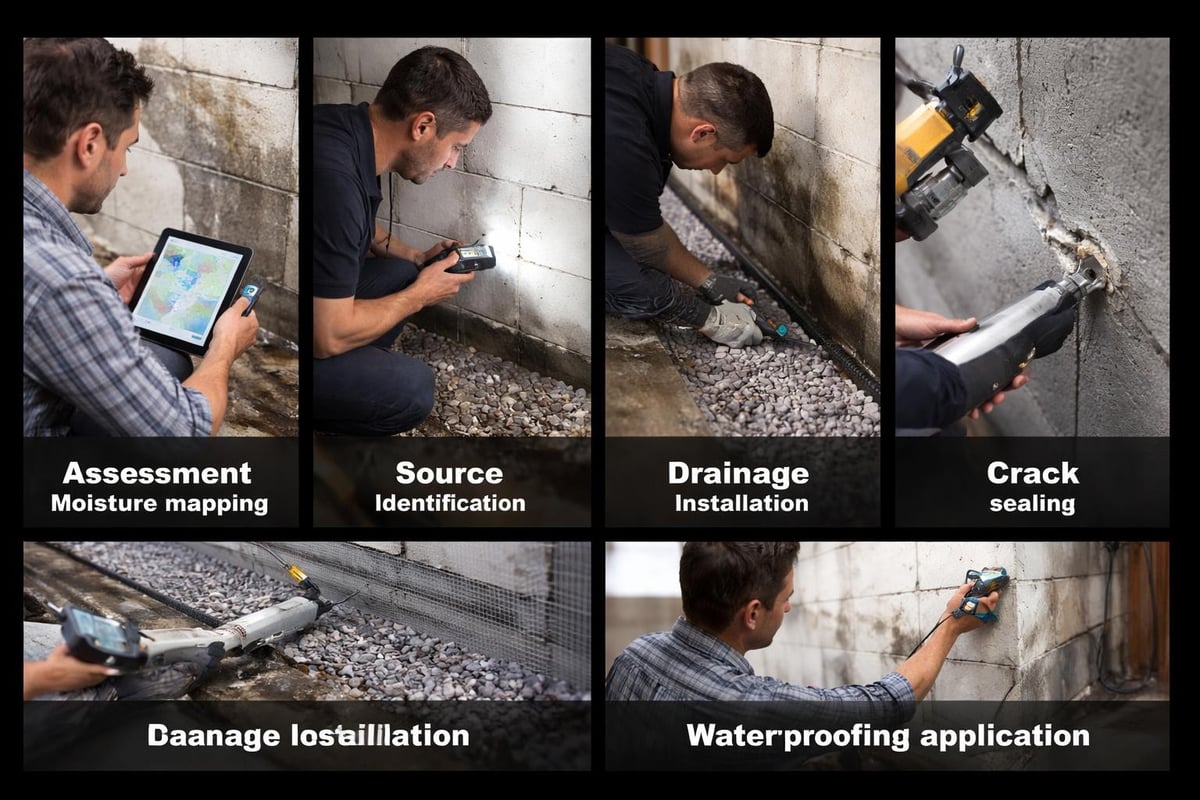
Moisture mapping creates detailed documentation of wet areas using calibrated moisture meters that measure water content in concrete, masonry, and other building materials. Engineers take readings at multiple depths and locations to establish patterns indicating whether moisture originates from groundwater, plumbing leaks, or condensation issues.
Advanced Diagnostic Technologies
Modern assessment techniques provide unprecedented insight into hidden moisture problems:
- Infrared thermal imaging reveals temperature differentials indicating wet materials and insulation voids
- Hygrometer testing measures relative humidity levels in air and materials
- Calcium chloride tests quantify moisture vapor emission rates from concrete slabs
- Pressure testing identifies specific leak points in below-grade waterproofing systems
- Video inspection examines drainage systems, pipes, and inaccessible foundation areas
These technologies enable engineers to develop comprehensive remediation plans based on actual conditions rather than assumptions. During structural engineering analysis, professionals evaluate whether water damage has compromised load-bearing capacity requiring immediate intervention.
Documentation standards for water intrusion assessments include photographic evidence, moisture reading logs, material testing results, and detailed reports suitable for insurance claims, legal proceedings, and construction planning. Proper documentation supports accurate repair budgeting and provides baseline data for monitoring remediation effectiveness.
Prevention Strategies and Waterproofing Systems
Preventing water intrusion in basement areas requires multi-layered protection addressing both exterior and interior vulnerabilities. Sources of water intrusion from a foundation perspective inform comprehensive waterproofing strategies that protect buildings long-term.
Exterior waterproofing provides the most effective protection by stopping water before it contacts foundation walls. This approach includes excavating around the foundation perimeter, applying waterproof membranes or coatings, installing drainage boards, and positioning perimeter drain systems that collect and redirect groundwater away from the structure.
Interior Protection Measures
When exterior access proves impractical or cost-prohibitive, interior systems manage water intrusion effectively:
- Interior drainage channels collect water entering at the wall-floor joint
- Sump pump systems remove collected water automatically
- Vapor barriers prevent moisture transmission through concrete
- Crystalline waterproofing penetrates concrete to seal capillaries from within
- Crack injection with polyurethane or epoxy seals active leaks
Grade management around buildings directs surface water away from foundations. Soil should slope at minimum six inches over ten feet of distance from the building. Gutters, downspouts, and surface drainage systems prevent water accumulation near foundation walls during storms.
| Prevention Method | Effectiveness | Typical Lifespan | Cost Category |
|---|---|---|---|
| Exterior Membrane | Excellent | 30-50 years | High |
| Interior Drainage | Good | 20-30 years | Medium |
| Crack Injection | Fair-Good | 5-15 years | Low-Medium |
| Sump Pump System | Good | 10-20 years | Medium |
| Grading Correction | Good | Permanent | Low |
Concrete restoration services address structural damage caused by chronic water intrusion, restoring strength and durability to compromised foundation elements before applying waterproofing systems.
Repair Solutions for Active Water Intrusion Problems
Addressing existing water intrusion in basement spaces requires systematic remediation following professional assessment. Warning signs and causes of water intrusion guide appropriate repair selection based on specific conditions affecting each property.
Emergency response for active flooding includes immediate water extraction, temporary waterproofing, and structural stabilization when necessary. Property managers should maintain relationships with qualified contractors capable of rapid response to minimize damage during crisis situations.
Permanent Remediation Approaches
Effective repairs address root causes rather than simply treating symptoms:
- Foundation crack repair using epoxy or polyurethane injection creates permanent waterproof seals
- Wall stabilization with carbon fiber reinforcement or steel tie-backs prevents further cracking
- Drainage system installation manages groundwater through French drains and sump systems
- Membrane application establishes continuous waterproof barriers on foundation surfaces
- Joint sealing with flexible sealants accommodates structural movement while preventing leaks
Identifying basement water intrusion sources using visible clues helps property owners understand whether problems stem from seepage, plumbing failures, or surface water issues requiring different repair strategies.
Permit requirements for water intrusion repairs vary based on work scope. Structural modifications, excavation, and plumbing changes typically require permits and inspections. Working with experienced contractors who understand local code requirements ensures compliant installations that pass inspection and protect property values.
The Role of Building Codes and Recertification Requirements
Florida's milestone recertification program requires comprehensive evaluation of building systems including water intrusion vulnerabilities. Properties reaching their 40-year milestone must undergo thorough inspections addressing structural integrity, electrical safety, and moisture management systems.
Code evolution reflects lessons learned from building failures and advancing construction science. Modern waterproofing standards significantly exceed requirements from decades past, and recertification provides opportunities to upgrade older buildings to contemporary performance levels.
Recertification and Water Intrusion Assessments
During building recertification inspections, engineers specifically examine:
- Foundation condition and visible cracking patterns
- Below-grade waterproofing system integrity
- Drainage system functionality and capacity
- Moisture intrusion evidence in parking structures
- Concrete deterioration from water exposure
Properties with documented water intrusion problems face additional scrutiny during recertification. Engineers must verify that repairs meet current standards and adequately protect structural elements from ongoing moisture damage. Failure to address these issues can result in citations requiring immediate remediation before certification approval.
Reserve study implications account for water intrusion prevention and repair costs in long-term financial planning. Structural Integrity Reserve Studies project future expenses for waterproofing system replacement, drainage improvements, and foundation repairs, helping associations budget appropriately for inevitable maintenance needs.
Material Selection for Moisture-Prone Environments
Choosing appropriate materials for basement and below-grade applications significantly impacts water intrusion resistance and repair longevity. Not all products perform equally in South Florida's challenging climate conditions.
Concrete specifications should address sulfate resistance, permeability, and strength requirements appropriate for below-grade applications. Higher density concrete with proper water-cement ratios resists moisture penetration better than standard mixes. Admixtures can enhance waterproofing properties during initial construction or remediation work.
Waterproofing Product Categories
Different waterproofing systems suit specific applications:
- Sheet membranes provide reliable protection for new construction and major renovations
- Liquid-applied membranes conform to complex geometries and penetration details
- Cementitious coatings bond permanently to concrete substrates for interior applications
- Crystalline treatments penetrate concrete to create self-sealing properties
- Bentonite clay panels swell when wet to create impermeable barriers
Drainage materials including filter fabrics, drainage boards, and aggregate must resist clogging from South Florida's sandy soils while maintaining flow capacity during heavy rainfall events. Proper material specification ensures long-term system performance without premature failure.
Quality control during installation determines whether waterproofing systems perform as designed. Even superior products fail when applied incorrectly, making contractor selection and oversight critical to successful outcomes.
Long-Term Maintenance and Monitoring Programs
Preventing water intrusion in basement environments requires ongoing attention rather than one-time fixes. Systematic maintenance programs identify emerging problems before they escalate into expensive emergencies.
Quarterly inspections should examine drainage systems, sump pump operation, visible foundation areas, and interior spaces for moisture evidence. During South Florida's rainy season, increased inspection frequency helps catch problems when they first develop.
Preventive Maintenance Checklist
Property managers should implement regular maintenance schedules addressing:
- Gutter and downspout cleaning to maintain proper drainage flow
- Grade verification ensuring soil slopes away from buildings
- Drain system flushing to remove sediment and debris
- Sump pump testing including backup power systems
- Foundation crack monitoring to track any progression
- Moisture meter readings at consistent locations for trend analysis
Documentation practices create historical records showing maintenance completion, inspection findings, and repair work performed. These records prove invaluable during property sales, insurance claims, and recertification inspections, demonstrating responsible property stewardship.
Environmental monitoring using data logging hygrometers tracks humidity levels continuously, alerting managers to sudden changes indicating potential water intrusion events. Modern building automation systems can integrate moisture sensors providing real-time alerts when problems develop.
Financial Implications of Water Intrusion Damage
The costs associated with water intrusion in basement areas extend far beyond immediate repair expenses. Understanding complete financial impacts helps property owners prioritize prevention and early intervention.
Direct repair costs include emergency water extraction, structural repairs, waterproofing installation, and finish restoration. These expenses range from thousands for minor seepage problems to hundreds of thousands for major foundation failures requiring extensive reconstruction.
Hidden and Indirect Expenses
Beyond obvious repair bills, water intrusion creates additional financial burdens:
| Cost Category | Impact | Typical Range |
|---|---|---|
| Property Value Reduction | 10-20% for disclosed issues | $50K-$500K+ |
| Insurance Premium Increases | 15-30% after claims | $2K-$10K annually |
| Mold Remediation | Required for health code compliance | $5K-$50K |
| Temporary Relocation | During major repairs | $5K-$25K |
| Legal Fees | Disputes with contractors or residents | $10K-$100K+ |
Liability concerns arise when water intrusion causes injury or health problems for building occupants. Mold-related illness claims, slip-and-fall accidents on wet surfaces, and structural failure injuries expose property owners to significant legal and financial risk requiring proactive moisture management.
Financial planning for recertification should account for water intrusion remediation as a likely expense category, particularly in older buildings where original waterproofing systems have exceeded their design lifespan.
Regional Considerations for South Florida Properties
Water intrusion challenges in South Florida differ significantly from other regions due to our unique climate, geology, and construction practices. Property managers must understand these regional factors to implement effective protection strategies.
Hurricane preparedness includes ensuring drainage systems can handle extreme rainfall intensities exceeding typical design standards. Storm surge in coastal areas creates temporary flooding conditions requiring elevated protection levels for vulnerable building components.
Climate-Specific Challenges
South Florida's subtropical environment creates distinct moisture management requirements:
- Year-round high humidity accelerates mold growth in damp areas
- Intense thunderstorms deliver rainfall at rates exceeding 3 inches per hour
- High water tables limit gravity drainage effectiveness in many locations
- Saltwater exposure accelerates concrete and steel corrosion near coastlines
- Aging infrastructure built before modern waterproofing standards requires upgrades
Building material considerations must account for our climate's effects on waterproofing longevity. UV exposure, high temperatures, and humidity cycles degrade some products faster than manufacturer specifications based on northern climate testing might suggest.
Understanding these regional factors helps property owners select appropriate solutions and realistic maintenance intervals suited to South Florida's demanding conditions rather than generic recommendations developed for different climates.
Water intrusion in basement and below-grade spaces demands professional expertise combining engineering knowledge, construction experience, and diagnostic technology to protect your property effectively. Whether you're facing active moisture problems or planning preventive measures during building recertification, proper assessment and quality repairs preserve structural integrity and property values. Souffront Construction and Engineering provides comprehensive water intrusion investigations, structural engineering solutions, and permit-ready repairs throughout South Florida, helping property owners and managers maintain safe, code-compliant buildings with confidence. Contact our team today to schedule a professional assessment and protect your investment from moisture damage.