Water Intrusion: Detection, Prevention & Repair Guide
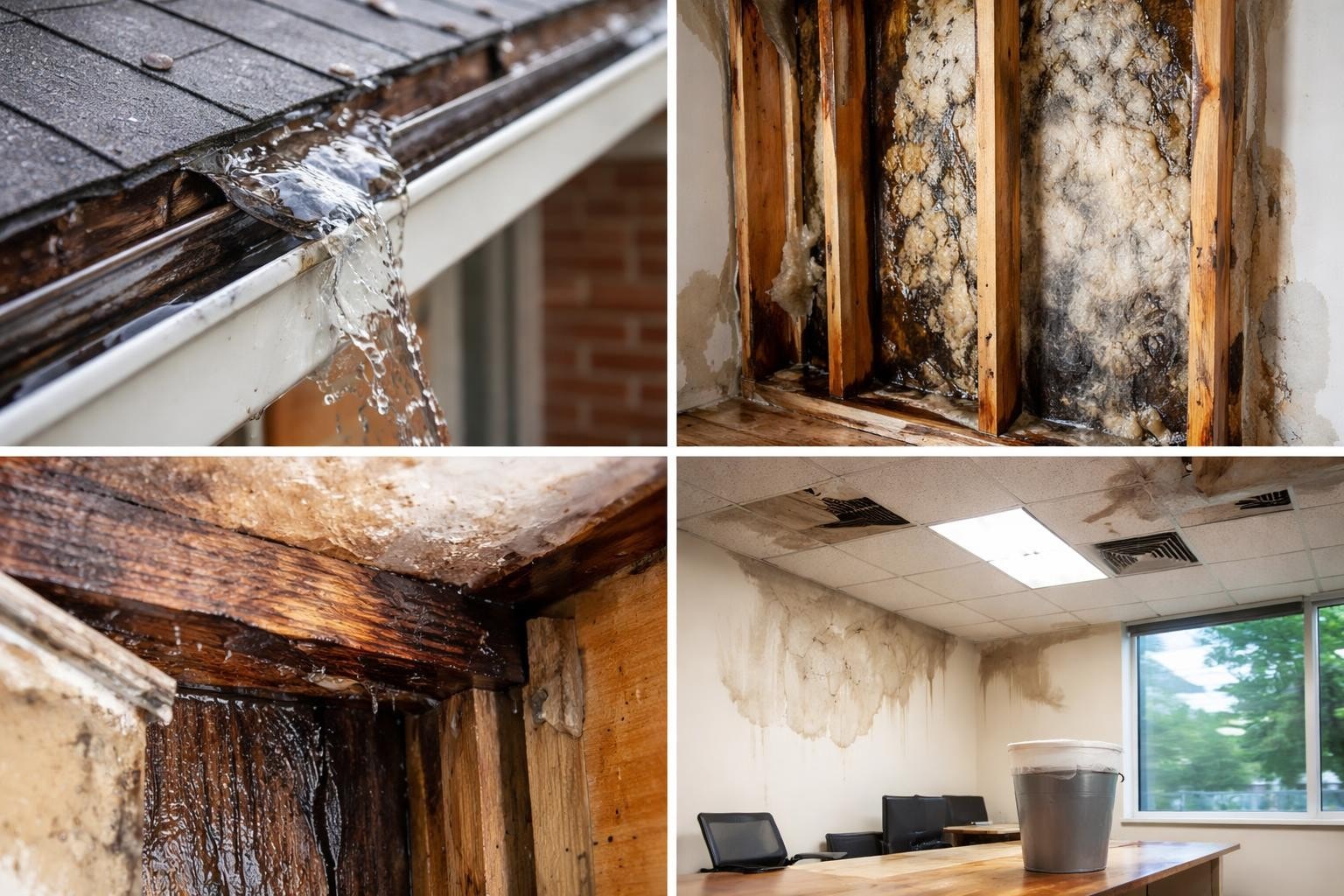
Water intrusion represents one of the most persistent and destructive challenges facing property owners, managers, and associations across South Florida. Unlike sudden catastrophic events, moisture infiltration often begins silently, progressing through building envelopes and structural components before revealing visible damage. Understanding the mechanisms, detection methods, and prevention strategies for water intrusion is essential for maintaining building integrity, meeting milestone inspection requirements, and protecting property value in coastal environments where humidity, rainfall, and saltwater exposure create constant challenges.
Understanding Water Intrusion in Building Systems
Water intrusion occurs when moisture penetrates the building envelope through various pathways, compromising structural integrity and interior finishes. The sources range from obvious breaches like failed windows and deteriorated roofing to subtle pathways such as capillary action through concrete and vapor diffusion through wall assemblies.
In South Florida's unique climate, buildings face multiple moisture challenges simultaneously. Heavy seasonal rainfall, high ambient humidity, winddriven rain during tropical storms, and saltwater exposure along coastal areas create conditions where even minor construction defects can evolve into serious problems. The combination of intense UV exposure and moisture cycling accelerates material degradation, particularly in aging concrete structures common throughout Miami-Dade and Broward counties.
Common Entry Points and Failure Mechanisms
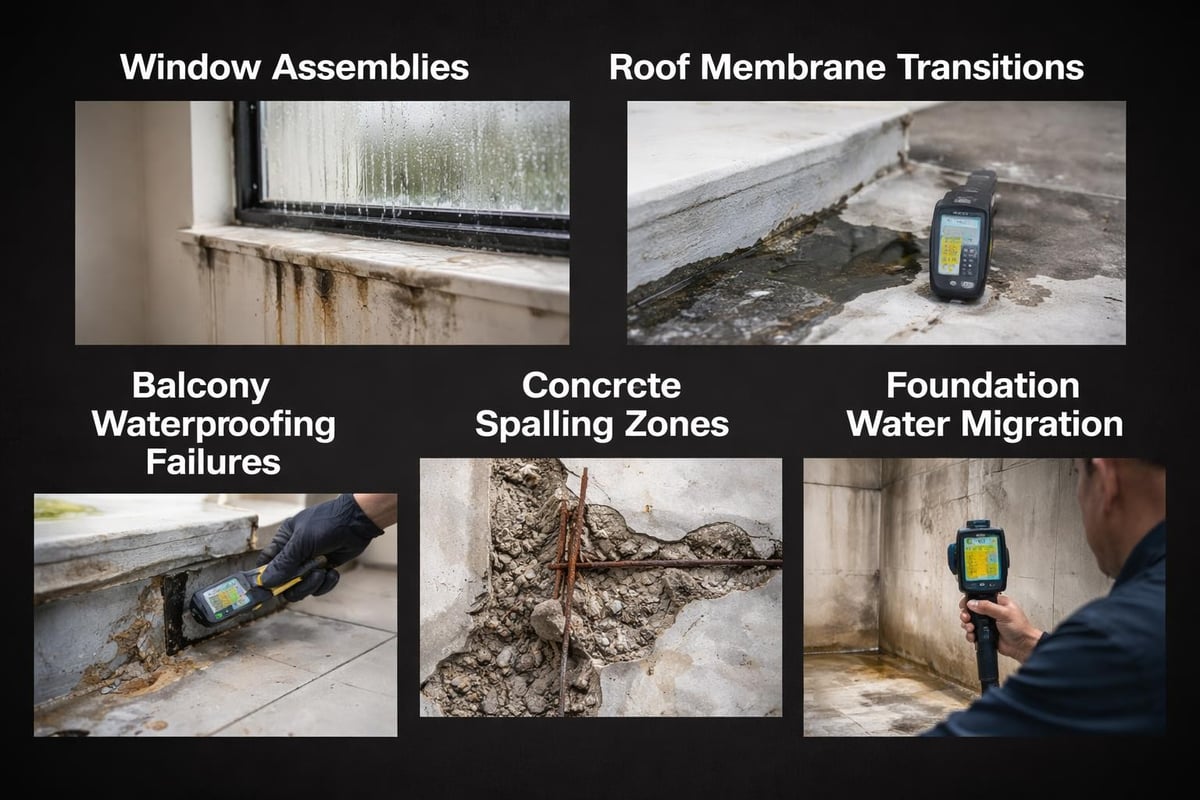
Building envelopes fail through several predictable pathways that professional forensic water intrusion investigations routinely identify:
- Window and door assemblies where sealant has deteriorated or installation details lack proper flashing
- Roof membrane failures including punctures, seam separation, and inadequate drainage
- Balcony and terrace waterproofing that has degraded or was improperly installed initially
- Concrete spalling where reinforcing steel corrosion creates pathways for moisture migration
- HVAC penetrations and mechanical system connections lacking adequate sealing
- Foundation walls subjected to hydrostatic pressure and capillary rise
The ASTM E2128 standard for evaluating water leakage in building walls provides a comprehensive framework for forensic investigations. This methodology helps identify not just where water enters but the mechanisms driving intrusion.
Detection Methods and Diagnostic Technologies
Early detection of water intrusion dramatically reduces repair costs and prevents secondary damage such as mold growth, structural deterioration, and interior finishes destruction. Modern diagnostic approaches combine visual inspection with advanced testing technologies to pinpoint moisture sources before they create visible damage.
Visual Assessment Techniques
Experienced inspectors identify water intrusion through systematic observation of telltale signs. Staining patterns on walls and ceilings, efflorescence on concrete surfaces, paint bubbling or peeling, and rust staining around fasteners all indicate active or historical moisture problems. During milestone building recertification inspections, these visual cues guide more detailed investigation.
The inspection process examines vulnerable transitions where different materials meet or where the building envelope changes plane. Parapet walls, roof penetrations, window perimeters, and expansion joints receive particular attention because these locations concentrate stress and provide potential moisture entry points.
Advanced Testing and Monitoring
Beyond visual inspection, several testing methods reveal hidden moisture:
| Testing Method | Application | Information Provided |
|---|---|---|
| Infrared thermography | Wall and roof surfaces | Temperature differentials indicating moisture |
| Moisture meters | Interior finishes and substrates | Quantitative moisture content readings |
| Water spray testing | Window and wall assemblies | Real-time leak identification |
| Electronic leak detection | Waterproof membranes | Breach location in roofing and decks |
| Hygrometer readings | Interior spaces | Relative humidity and dew point |
The AAMA 511 standard for forensic water penetration testing of fenestration products provides rigorous protocols for determining exactly how windows and doors fail under realistic weather conditions. This testing proves invaluable when recurring leaks defy simple visual diagnosis.
Professional moisture assessment often combines multiple methods. An infrared scan might identify a suspicious area, followed by invasive moisture meter testing to quantify the problem, then spray testing to confirm the entry pathway. This layered approach ensures accurate diagnosis rather than treating symptoms while missing underlying causes.
Prevention Strategies and Building Envelope Design
Preventing water intrusion begins during design and construction, continues through regular maintenance, and requires prompt attention when minor defects appear. The principle of multiple lines of defense creates redundancy so that no single component failure causes interior damage.
Design and Construction Best Practices
Proper building envelope design recognizes that perfect sealing is impossible. Instead, effective systems manage moisture through drainage planes, ventilation, and appropriate material selection. The ASTM guide for design and construction practices for low-rise frame building wall systems details how these principles translate into construction specifications.
Modern moisture management strategies include:
- Drainage planes behind exterior cladding that channel incidental water to the exterior
- Continuous air barriers that limit moisture-laden air infiltration
- Vapor retarders positioned correctly based on climate zone and assembly type
- Properly detailed flashings at all penetrations and transitions
- Adequate roof overhangs and architectural features that minimize wall wetting
Understanding the distinction between dampproofing and waterproofing proves critical for appropriate specification. Waterproofing codes and applications vary significantly based on exposure conditions, with below-grade foundations requiring true waterproofing while above-grade walls may need only weather-resistant barriers.
Material Selection for Coastal Environments
South Florida's coastal climate demands materials resistant to both moisture and saltwater exposure. Concrete structures require appropriate cover over reinforcing steel, corrosion-resistant fasteners, and sealants formulated for high UV exposure. The concrete restoration services required when these details fail often exceed the cost of proper initial construction.
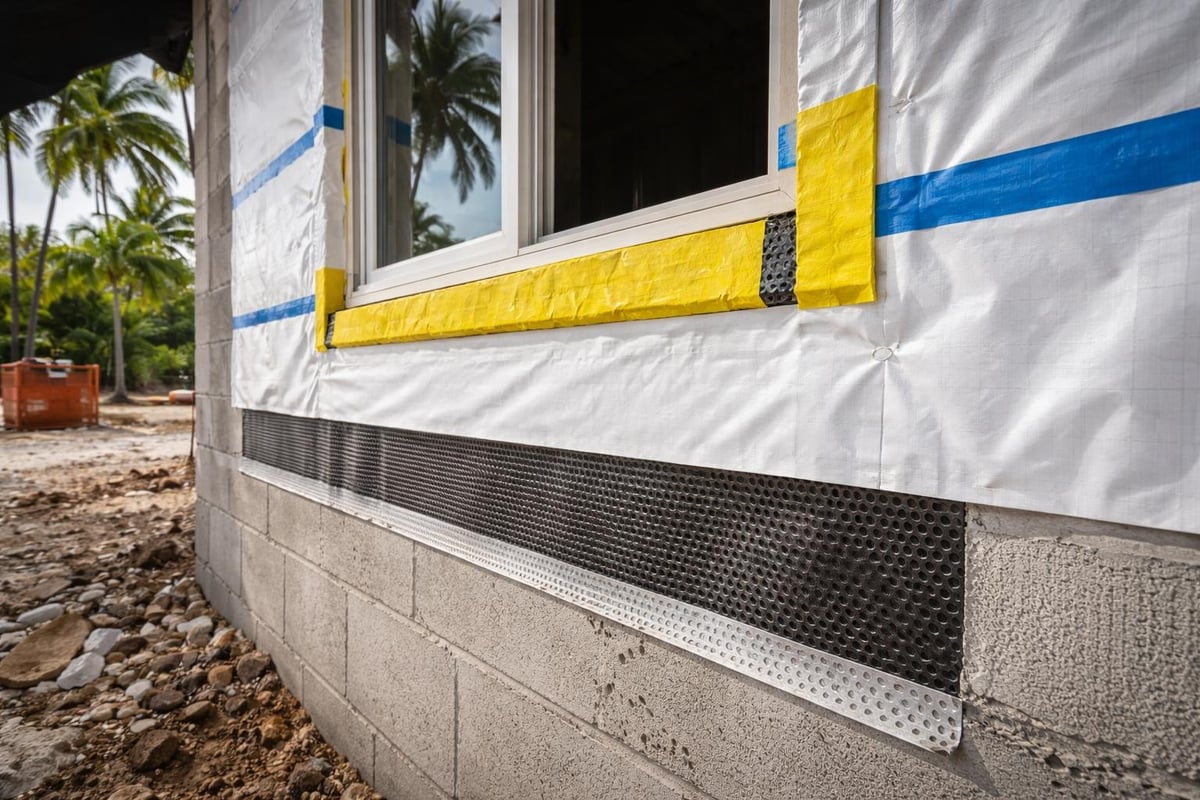
Window and door selection requires particular attention in high-wind coastal zones. Impact-resistant products meeting Miami-Dade NOA requirements also need proper installation with continuous sealant and appropriate flashing. Even premium products fail when installation shortcuts create water entry pathways.
Inspection Protocols and Milestone Requirements
Florida's building recertification program places special emphasis on water intrusion assessment as buildings age. The milestone inspection process examines how well structures have resisted moisture over decades and identifies repairs needed to restore envelope integrity.
Milestone Inspection Focus Areas
During 40-year building recertification inspections, engineers systematically evaluate components most vulnerable to water intrusion. This includes comprehensive roof assessment, balcony waterproofing examination, window and door testing, and structural concrete review for moisture-related deterioration.
The inspection identifies not just current leaks but conditions likely to fail soon. Sealants nearing the end of their service life, coating systems showing early degradation, and minor concrete spalling all represent future water intrusion pathways requiring proactive attention.
Documentation requirements for milestone inspections demand detailed reporting of moisture-related defects with repair recommendations and priority classifications. Property owners receive clear guidance on which items require immediate attention versus longer-term planning.
Repair Solutions and Restoration Approaches
Addressing water intrusion requires eliminating the source, repairing damage, and preventing recurrence. Superficial repairs that ignore underlying causes waste resources and allow continued deterioration. Effective solutions address root causes while restoring affected building components.
Source Elimination Strategies
The first priority in any water intrusion repair involves stopping moisture entry. This might require window replacement, roof membrane restoration, balcony waterproofing renewal, or concrete restoration and structural repairs addressing spalled areas that create moisture pathways.
Common repair strategies include:
- Window and door rehabilitation with sealant renewal, flashing correction, and hardware adjustment
- Roof waterproofing restoration including membrane replacement and drainage improvement
- Balcony deck waterproofing with proper sloping, drainage, and membrane systems
- Concrete spall repair using patch materials compatible with existing substrates
- Sealant joint restoration at expansion joints, control joints, and material transitions
The Chubb guide to water intrusion and mold prevention in construction emphasizes systematic approaches that address all contributing factors rather than isolated symptoms.
Structural Repair and Restoration
When water intrusion has compromised structural components, repairs must restore load-carrying capacity while preventing future moisture damage. Corroded reinforcing steel requires exposure, cleaning, treatment with corrosion inhibitors, and encapsulation in high-quality repair mortars. The structural engineering design and analysis behind these repairs ensures code compliance and long-term performance.
| Damage Type | Typical Repair Approach | Expected Service Life |
|---|---|---|
| Minor concrete spalling | Patch repair with polymer-modified mortar | 10-15 years |
| Deep spalling with rebar corrosion | Steel cleaning, inhibitor, structural patch | 15-25 years |
| Window assembly failure | Unit replacement with proper flashing | 20-30 years |
| Roof membrane deterioration | Complete membrane replacement | 15-20 years |
| Balcony waterproofing failure | Substrate preparation, new membrane system | 10-15 years |
Maintenance Programs and Long-Term Protection
Preventing water intrusion requires ongoing vigilance rather than reactive repairs after damage appears. Well-designed maintenance programs identify and address minor defects before they evolve into costly problems requiring extensive remediation.
Routine Inspection Schedules
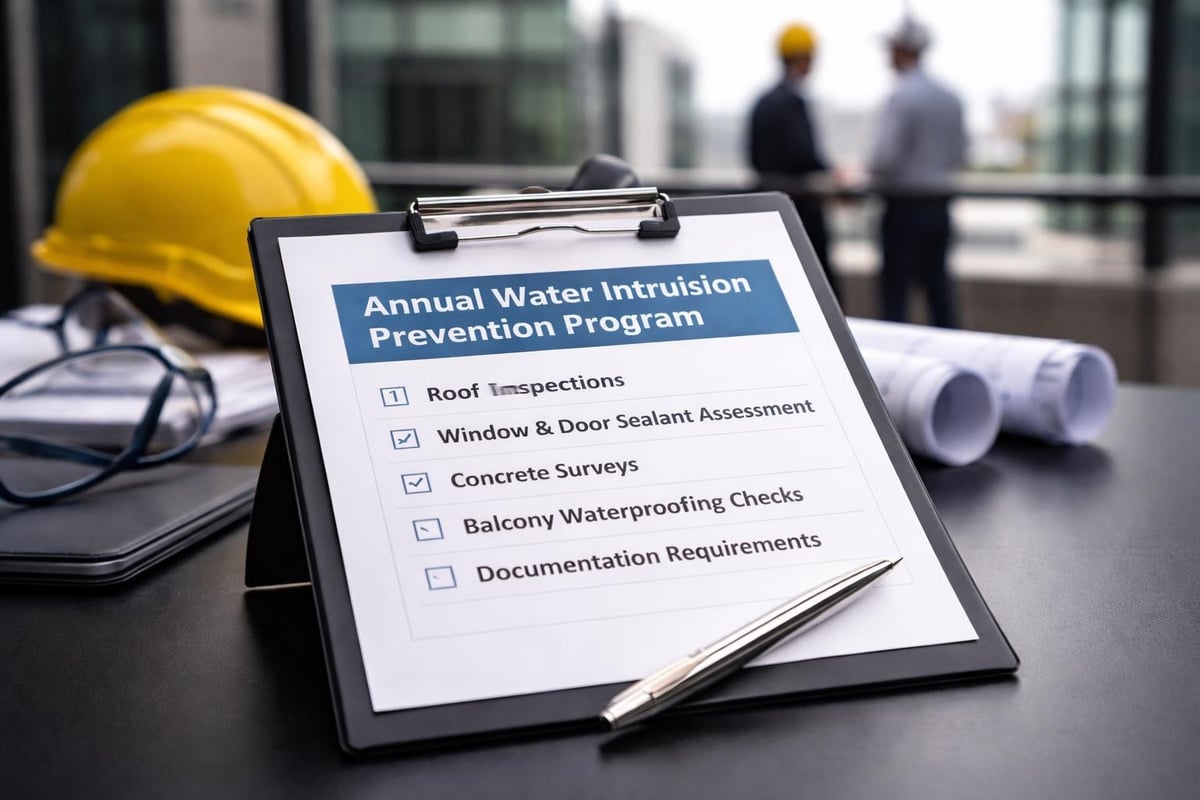
Effective maintenance includes regular inspections of vulnerable building envelope components. Annual roof inspections catch membrane problems before leaks develop. Bi-annual window and door checks identify failing sealants needing renewal. Quarterly exterior surveys note new concrete cracks or spalling requiring investigation.
Proactive sealant maintenance represents one of the highest-value activities for preventing water intrusion. Most sealants have 10-15 year service lives under South Florida's harsh conditions. Systematic renewal before failure prevents the water damage that occurs when joints open.
Documentation and Reserve Planning
Structural Integrity Reserve Studies now required under Florida law depend on accurate condition assessment and realistic projections of component service life. Water intrusion prevention and repair represent major cost elements in these reserve analyses.
Comprehensive documentation systems track repair history, inspection findings, and component age. This information guides maintenance decisions and helps prioritize capital improvements. Properties with detailed records make better decisions about repair timing and scope.
Compliance Standards and Code Requirements
Multiple standards govern water intrusion prevention, testing, and repair. Understanding these requirements ensures that building envelope work meets professional expectations and regulatory mandates.
Building Code Provisions
The Florida Building Code incorporates specific requirements for moisture control through water-resistant barriers and mandated codes. These provisions address both new construction and repairs, requiring appropriate materials and installation methods based on exposure conditions.
Code compliance becomes particularly critical during milestone building inspections when existing buildings must demonstrate adherence to current standards for life safety and structural integrity. Older buildings often need upgrades to meet contemporary waterproofing requirements.
Professional Standards and Testing Protocols
Organizations like ASTM International, AAMA, and industry associations publish standards governing water intrusion assessment and repair. Waterproofing standards and building codes create frameworks for professional practice, helping ensure consistent quality across the industry.
Testing protocols verify repair effectiveness before accepting work as complete. Spray testing of repaired window assemblies, flood testing of deck waterproofing, and electronic testing of roof membranes confirm that repairs actually stop water intrusion rather than just appearing cosmetically acceptable.
The National Inspection Authority's waterproofing inspection standards detail verification processes for moisture-control systems in various building components, providing inspectors and contractors shared expectations for quality workmanship.
Cost Considerations and Financial Planning
Water intrusion repairs range from minor sealant renewal costing hundreds of dollars to comprehensive building envelope restoration exceeding hundreds of thousands. Understanding cost drivers helps property owners plan appropriately and avoid financial surprises during 40-year recertification processes.
Factors Affecting Repair Costs
Several variables influence water intrusion repair expenses:
- Extent of damage including whether moisture has compromised structural components
- Building height and accessibility requirements for exterior work
- Material selection ranging from basic repairs to premium long-life systems
- Code compliance needs when upgrades beyond simple restoration prove necessary
- Testing and engineering required to diagnose complex or recurring problems
Early intervention dramatically reduces costs. A minor sealant joint showing early degradation might cost a few hundred dollars to address. Waiting until water penetration damages interior finishes and creates structural deterioration can increase costs a hundredfold.
Reserve Funding Strategies
Associations and commercial property owners benefit from systematic reserve funding that anticipates water intrusion prevention and repair needs. Financial planning for recertification includes realistic cost estimates for building envelope components based on condition assessment and expected service life.
Deferring maintenance to avoid short-term costs creates long-term financial burdens. Regular sealant renewal, systematic roof maintenance, and proactive concrete repair cost substantially less than emergency repairs after water intrusion causes extensive damage.
Risk Management and Insurance Considerations
Water intrusion creates risks beyond immediate repair costs. Mold growth, business interruption, liability exposure, and property value impacts multiply the consequences of moisture problems. Comprehensive risk management addresses these broader implications.
Preventing Secondary Damage
Once water penetrates building envelopes, secondary problems often exceed the cost of stopping the leak itself. Mold remediation, interior finish replacement, temporary relocation costs, and potential health liability create cascading expenses. The Mestek Instruments overview of water intrusion emphasizes regular monitoring to catch problems before secondary damage develops.
Emergency response protocols minimize damage when leaks occur. Having established relationships with qualified construction professionals enables rapid response that limits water exposure time and reduces restoration costs.
Insurance and Documentation Requirements
Insurers increasingly scrutinize building maintenance practices when evaluating coverage and claims. Properties with documented inspection programs, proactive maintenance, and prompt repair of identified defects demonstrate risk management that supports favorable insurance treatment.
Detailed documentation of water intrusion incidents, including photographs, moisture readings, and professional assessments, proves essential for insurance claims. This documentation also guides repair strategies and helps prevent recurrence.
Water intrusion represents a constant challenge for South Florida buildings, but systematic prevention, early detection, and professional repair protect property value and structural integrity. From understanding moisture pathways through building envelopes to implementing comprehensive maintenance programs, informed property owners can minimize risks and costs associated with water damage. Souffront Construction and Engineering provides the expertise South Florida property owners need for water intrusion assessments, milestone inspections, and professional repair solutions that address both immediate problems and long-term building protection.