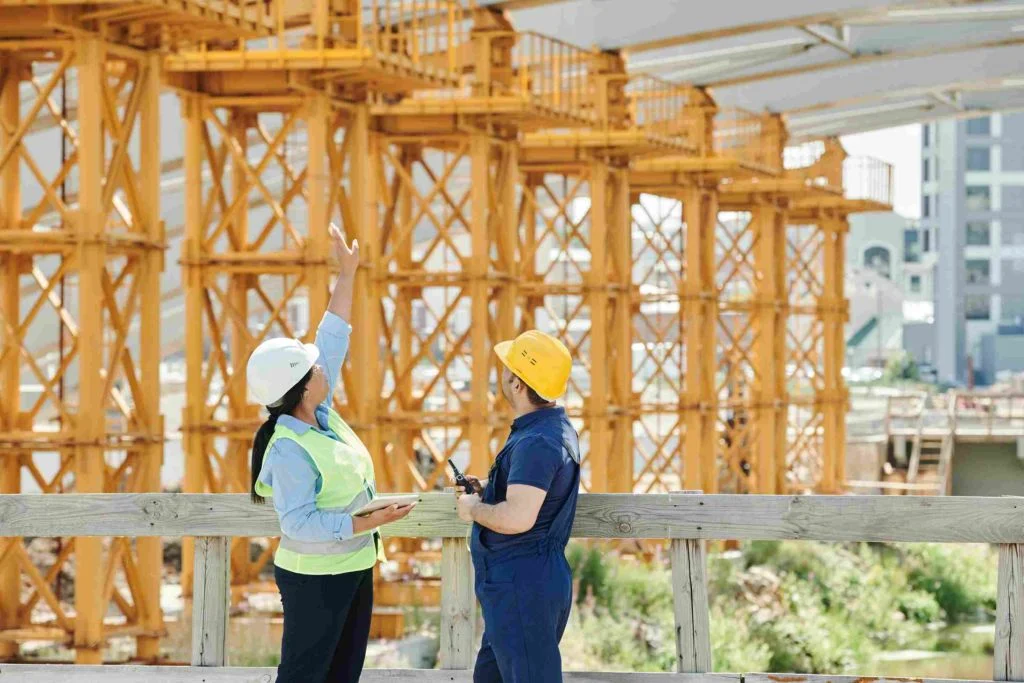
Structural Works in Construction: A Complete Guide
Structural works in construction form the backbone of every building project, encompassing the design, installation, and maintenance of load-bearing systems that keep structures safe and functional. For property owners and managers in South Florida, understanding these critical components becomes especially important when facing milestone inspections, concrete deterioration, or aging building systems. The complexity of structural works demands expertise across multiple disciplines, from engineering calculations to hands-on restoration techniques.
Understanding the Fundamentals of Structural Works
Structural works in construction represent the essential framework that supports entire buildings. These elements transfer loads from the roof and floors down through walls, columns, and beams to the foundation and ultimately to the ground below.
The core components include:
- Foundation systems (shallow footings, deep piles, mat foundations)
- Vertical load-bearing elements (columns, walls, shear walls)
- Horizontal spanning members (beams, joists, slabs)
- Lateral force-resisting systems (bracing, moment frames)
- Connection assemblies and reinforcement details
According to structural engineering principles, every element must be precisely calculated to withstand dead loads, live loads, wind forces, seismic activity, and environmental stresses specific to the location. In South Florida's coastal environment, additional considerations for hurricane resistance and moisture exposure significantly influence design decisions.
Design Phase Considerations
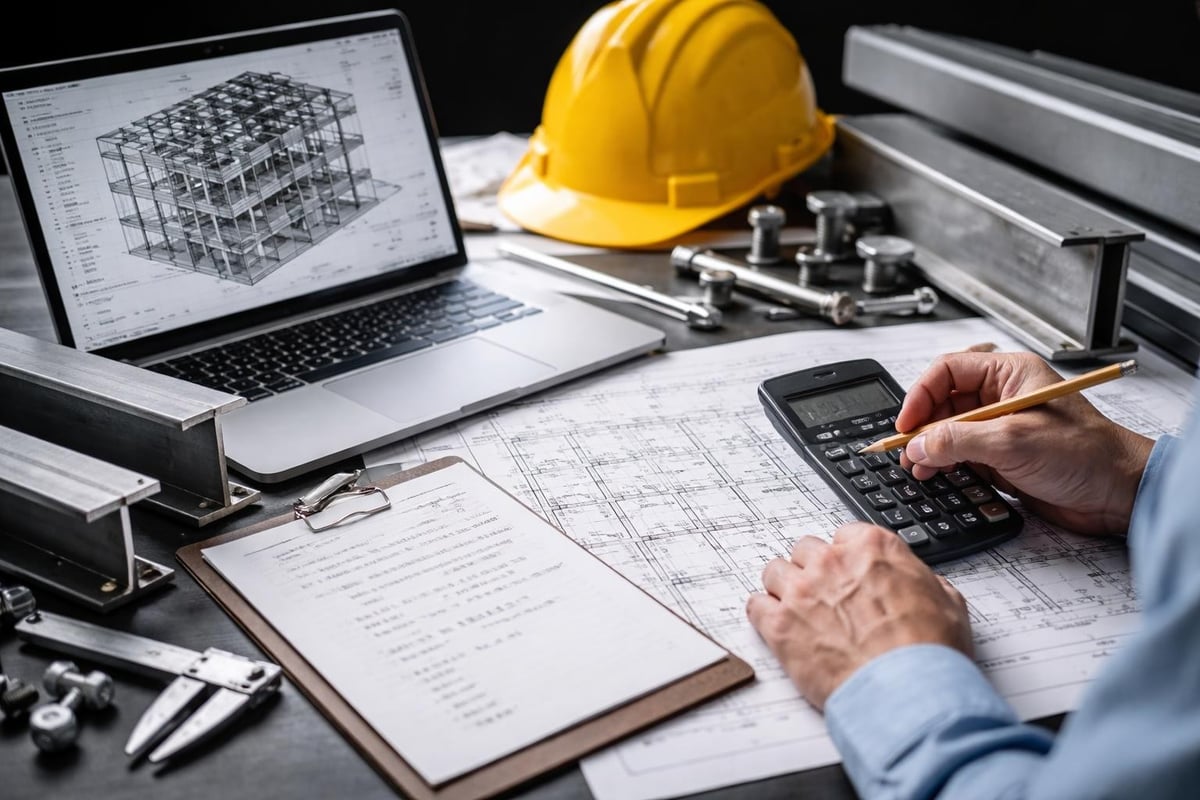
Before any construction begins, structural engineers conduct detailed analyses using advanced software and established codes. They calculate load paths, determine member sizes, and specify materials that meet both strength requirements and budget constraints.
Modern structural design relies heavily on publications from organizations like the American Society of Civil Engineers' Structural Engineering Institute, which provides updated standards reflecting current research and best practices. These resources help engineers stay current with evolving building codes and innovative construction methods.
Foundation Systems and Below-Grade Work
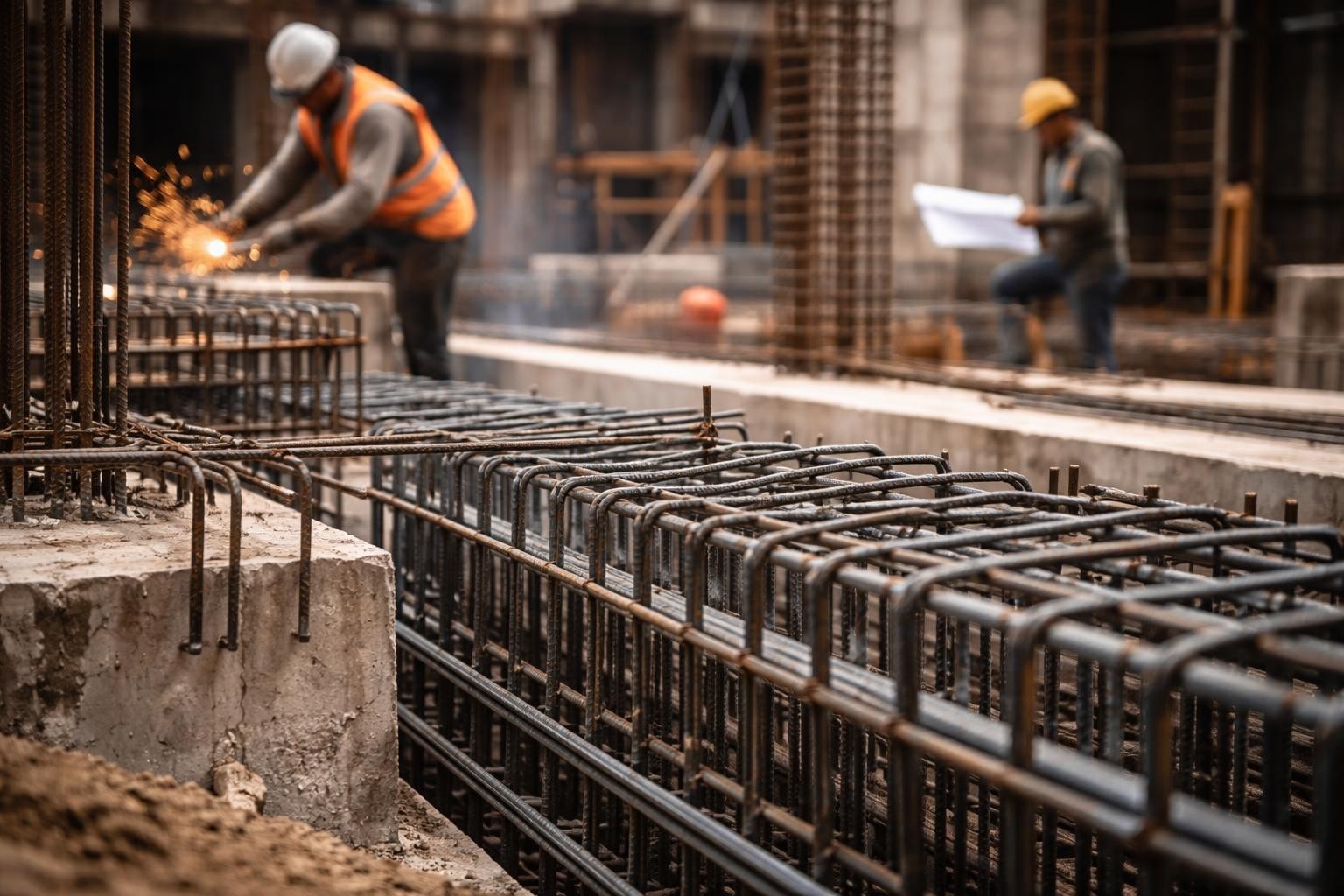
The foundation represents perhaps the most critical structural work in construction, as failures at this level compromise the entire building. South Florida's unique soil conditions, high water tables, and limestone bedrock create specific challenges that require specialized approaches.
Common Foundation Types
| Foundation Type | Best Applications | Key Advantages | Typical Depth Range |
|---|---|---|---|
| Shallow Spread Footings | Low-rise buildings, stable soils | Cost-effective, simple construction | 2-4 feet |
| Driven Piles | High-rise buildings, poor soils | Deep load transfer, hurricane resistance | 20-100+ feet |
| Auger-Cast Piles | Mid-rise buildings, variable soils | Minimal vibration, adaptable | 30-80 feet |
| Mat Foundations | Buildings with heavy uniform loads | Even load distribution | 3-6 feet |
When existing foundations show distress, structural engineering design and repair services become essential to prevent progressive failure. Signs include differential settlement, foundation cracks, or water intrusion at the building perimeter.
Geotechnical investigations precede all foundation work. Engineers analyze soil bearing capacity, groundwater levels, and potential for settlement or liquefaction. For renovation projects, geotechnical engineering services help assess existing conditions before planning structural modifications.
Concrete Structural Systems
Concrete remains the dominant material for structural works in construction across South Florida, particularly for mid-rise and high-rise buildings. Its versatility allows for complex shapes while providing excellent compressive strength and fire resistance.
Reinforced concrete systems include:
- Cast-in-place concrete slabs with embedded rebar for tension resistance
- Post-tensioned slabs using high-strength cables to reduce thickness
- Precast concrete panels manufactured off-site for faster installation
- Concrete columns and beams forming moment-resisting frames
- Shear walls providing lateral stability against wind and seismic forces
The South Florida climate accelerates concrete deterioration through chloride intrusion from salt air, particularly in coastal properties. Delamination, spalling, and rebar corrosion become significant issues requiring professional intervention.
Concrete Restoration and Repair
When concrete structural elements deteriorate, immediate action prevents catastrophic failure. The restoration process begins with thorough investigation to determine the extent of damage, typically involving destructive testing, core sampling, and corrosion mapping.
Professional concrete restoration and structural repairs follow established protocols that remove compromised material, clean and treat exposed reinforcement, and apply repair mortars engineered to match existing concrete properties. Proper surface preparation and curing procedures ensure long-term durability.
Recent research documented in structural engineering journals highlights innovative repair materials including polymer-modified mortars, fiber-reinforced composites, and cathodic protection systems that extend service life beyond traditional methods.
Steel and Metal Structural Components
Steel provides exceptional strength-to-weight ratios, making it ideal for long spans and tall buildings. Structural works in construction frequently combine steel framing with concrete floor systems to optimize both performance and economy.
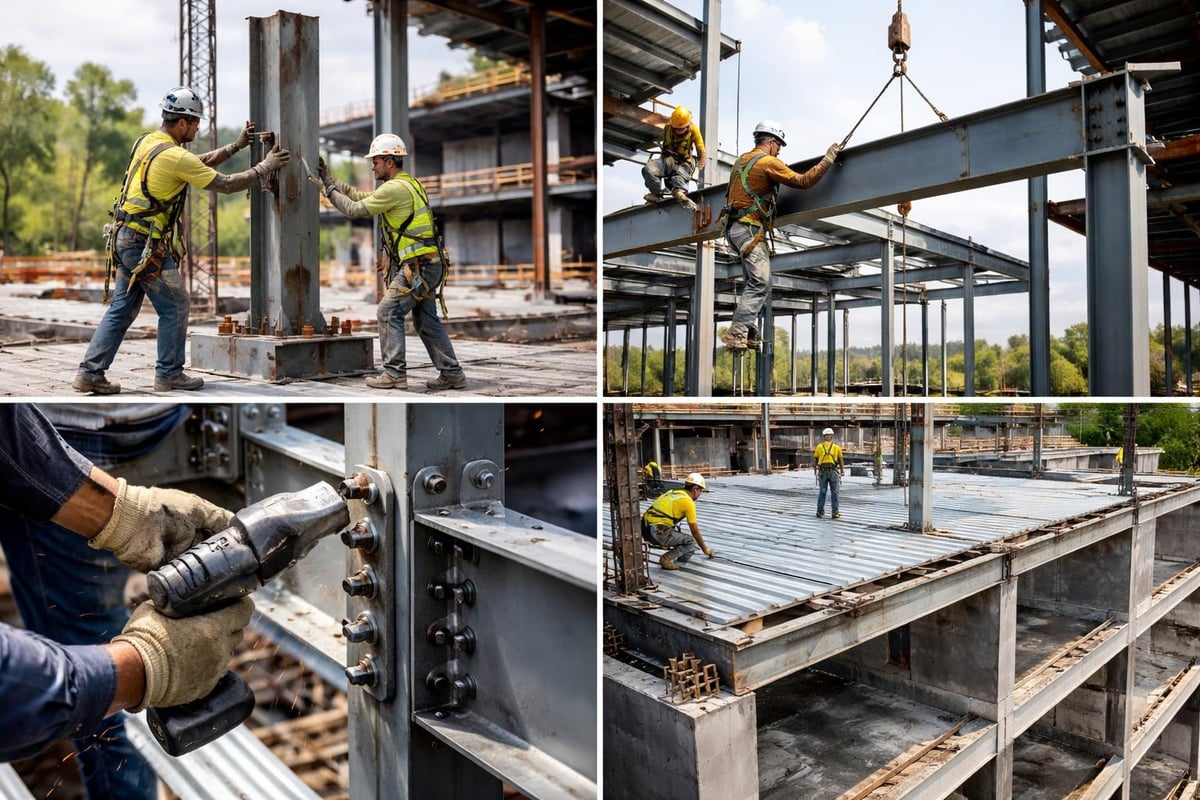
The American Institute of Steel Construction publishes comprehensive design manuals that engineers reference for connection details, member selection, and construction specifications. Proper detailing of connections represents one of the most critical aspects of steel structural design.
In coastal environments, corrosion protection becomes paramount. Hot-dip galvanizing, specialized coatings, and stainless steel alloys protect against salt spray and humidity. Balcony structures, railings, and exposed stairs require particularly robust protection strategies.
Metal Stair Systems and Railings
External stairs and railings face severe exposure conditions while serving essential life-safety functions. Code requirements specify minimum dimensions, load capacities, and guardrail heights to prevent accidents.
When these systems show corrosion, loose connections, or structural damage, replacement becomes necessary rather than continued patch repairs. Modern metal stair systems incorporate drainage details, non-slip treads, and corrosion-resistant materials designed for decades of service in harsh conditions.
Load Analysis and Structural Calculations
Every structural work in construction begins with precise load calculations. Engineers must account for multiple load cases and combination scenarios to ensure adequate safety factors throughout the building's lifespan.
Primary load categories:
- Dead loads: permanent construction elements (structure, finishes, fixed equipment)
- Live loads: occupants, furniture, movable equipment, snow
- Wind loads: pressure and suction forces based on exposure and building geometry
- Seismic loads: ground motion effects in earthquake-prone regions
- Environmental loads: temperature, moisture, soil pressure
Building codes specify minimum values for each category, but engineers often exceed these based on actual conditions or owner requirements. The Eurocode system provides an alternative framework used internationally for structural design considerations.
Computer modeling allows engineers to analyze complex three-dimensional structures under various loading combinations. Finite element analysis identifies stress concentrations, deflection patterns, and potential failure modes that inform design refinements.
Building Recertification and Structural Assessments
Florida's building recertification programs mandate periodic structural evaluations for aging buildings, ensuring continued safety for occupants. These comprehensive assessments examine all major structural works in construction to identify deficiencies requiring correction.
The Milestone Inspection Process
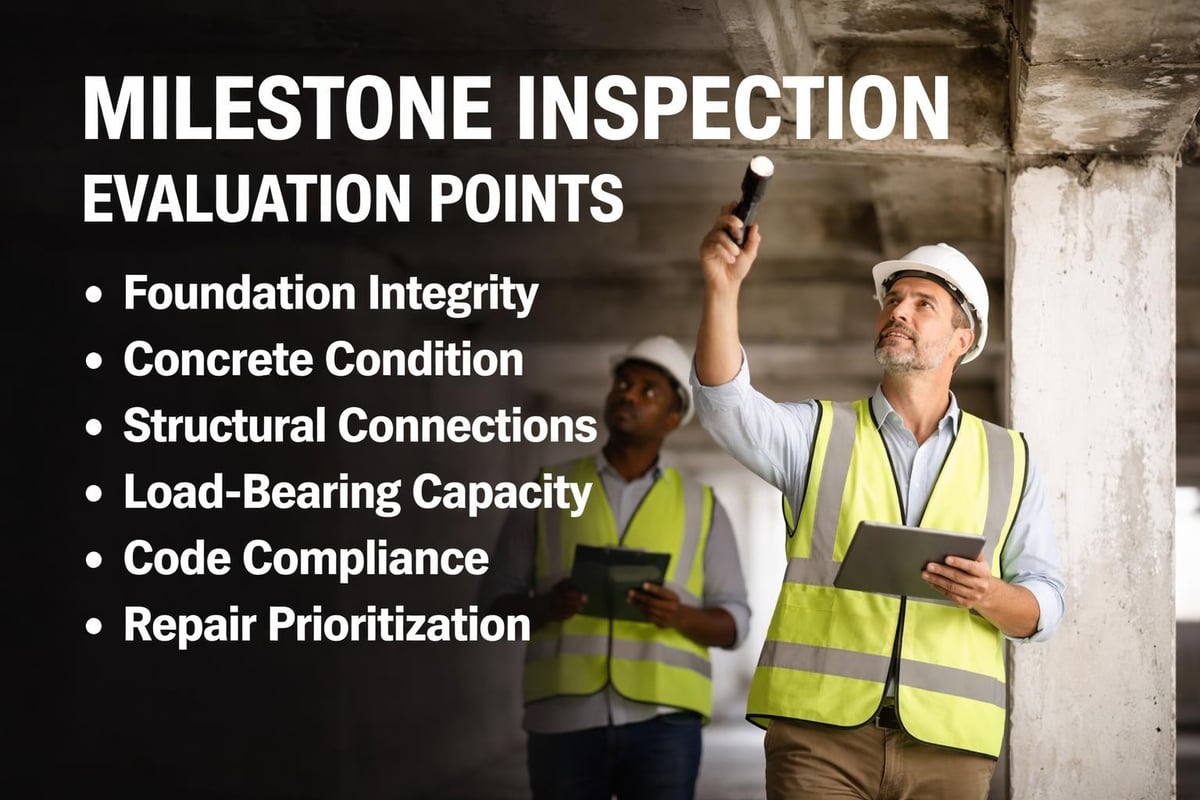
Milestone building inspections typically occur at 40 years and every 10 years thereafter for buildings in coastal zones. Licensed engineers and architects conduct detailed evaluations of structural systems, examining visible conditions and investigating hidden elements.
The inspection scope includes:
- Foundation examination for settlement, cracking, or deterioration
- Column and beam assessment for damage or overloading
- Floor slab evaluation for deflection or structural distress
- Exterior wall and balcony inspection for concrete delamination
- Roof structure review for adequacy and condition
- Connection verification for proper load transfer
Findings generate detailed reports documenting deficiencies with repair recommendations and timelines. Property owners must address identified issues to maintain certification and occupancy permits.
Structural Integrity Reserve Studies
Recent legislation requires structural integrity reserve studies for many condominium associations, mandating professional assessment of structural works in construction and establishing funding reserves for future repairs.
These studies project remaining service life for major components, estimate replacement costs, and develop funding schedules ensuring adequate reserves when work becomes necessary. The analysis considers current condition, maintenance history, environmental exposure, and anticipated deterioration rates.
Water Intrusion and Structural Damage
Water represents one of the most destructive forces affecting structural works in construction. Chronic leaks accelerate corrosion, promote concrete deterioration, and can compromise load-bearing capacity over time.
Common water intrusion sources include:
- Roof membrane failures allowing direct penetration
- Defective waterproofing at balconies, planters, and terraces
- Window and door leaks during storm events
- Plumbing system failures within walls and floors
- Groundwater infiltration through foundation cracks
Professional water intrusion investigations identify moisture sources using thermal imaging, moisture meters, and controlled water testing. Early detection prevents extensive damage requiring major structural repairs.
Permit Requirements and Code Compliance
All structural works in construction require building permits and inspections by local authorities having jurisdiction. The permitting process ensures designs meet current codes and that construction follows approved plans.
| Permit Type | Required For | Typical Review Timeline |
|---|---|---|
| Structural Permit | New construction, additions, alterations | 2-4 weeks |
| Foundation Permit | New foundations, underpinning | 1-2 weeks |
| Repair Permit | Structural repairs exceeding threshold values | 1-3 weeks |
| Emergency Permit | Life-safety repairs requiring immediate action | 1-3 days |
Design professionals prepare permit-ready drawings and calculations demonstrating code compliance. During construction, mandatory inspections verify proper installation before subsequent work proceeds. Final inspections and certificates of occupancy confirm completed work meets approved specifications.
Jurisdictions reference the Florida Building Code, which adopts International Building Code provisions with state-specific amendments addressing hurricane resistance, high winds, and flood zones. Engineers must stay current with code updates occurring every three years.
Balcony and Exterior Structural Elements
Balconies, terraces, and exterior walkways present unique challenges as structural works in construction exposed to severe environmental conditions while supporting concentrated live loads. These elements require robust waterproofing, proper drainage, and corrosion-resistant materials.
Structural failures at balconies and exterior decks have resulted in tragic collapses nationwide, prompting enhanced inspection requirements and stricter design standards. Connection details between balconies and the main structure deserve particular attention, as these locations concentrate forces and often trap moisture.
Balcony Replacement Projects
When deterioration becomes extensive, complete balcony replacement offers the most reliable long-term solution. Modern systems incorporate drainage membranes, corrosion-resistant reinforcement, and details preventing water intrusion into the building envelope.
The replacement process typically involves:
- Engineering assessment and load calculations
- Permit application with structural drawings
- Demolition of existing deteriorated elements
- Structural repair of connection points
- Installation of new waterproofing systems
- Concrete placement or prefabricated system installation
- Railing and finish work completion
Electrical and MEP Integration
While not traditionally considered structural works in construction, electrical and mechanical systems interact significantly with structural elements. Coordination during design prevents conflicts and ensures proper installation without compromising structural integrity.
Structural engineers must account for openings required for ductwork, electrical conduits, and plumbing penetrations. Large openings require additional reinforcement or framing to transfer loads around the opening. Electrical system upgrades in existing buildings often require structural evaluation when new equipment loads or penetrations affect capacity.
The Construction Institute's publications provide guidance on integrating building systems while maintaining structural performance and code compliance.
Emergency Structural Repairs
Structural emergencies demand immediate professional response to protect life safety and prevent progressive collapse. Common emergency scenarios include:
- Hurricane damage exposing buildings to weather
- Vehicle impacts compromising structural members
- Foundation settlement causing distress
- Concrete spalling creating falling debris hazards
- Overloading conditions exceeding design capacity
Emergency stabilization measures may include temporary shoring, protective barriers, or partial building evacuations while engineers assess damage and develop permanent repair strategies. Speed matters, but proper engineering ensures temporary fixes don't create additional hazards.
Quality Control and Construction Inspection
Even the best structural designs fail without proper construction execution. Quality control during structural works in construction involves continuous inspection, material testing, and verification that installation matches design intent.
Critical inspection points include:
- Soil bearing verification before foundation concrete placement
- Reinforcement positioning and cover verification
- Concrete placement procedures and curing protocols
- Connection bolt installation and torque verification
- Weld quality inspection using certified procedures
- Load testing for critical members or connections
Third-party special inspectors, independent from the contractor, provide objective verification that work meets specifications. Their reports become part of the permanent building record and support final permitting approvals.
Long-Term Maintenance Strategies
Structural works in construction require ongoing maintenance to achieve design service life. Preventive maintenance costs substantially less than emergency repairs while avoiding potential life-safety issues.
Effective maintenance programs include:
- Regular visual inspections identifying early deterioration signs
- Waterproofing renewal before membrane failures occur
- Concrete sealing protecting against chloride intrusion
- Drainage maintenance preventing water accumulation
- Coating renewal on exposed steel elements
Documentation of maintenance activities, repairs, and modifications creates valuable records supporting future assessments and engineering evaluations during recertification inspections.
Understanding structural works in construction empowers property owners to make informed decisions about building maintenance, repair priorities, and recertification requirements. From foundation systems to rooftop structures, every component plays a vital role in building safety and longevity. When your South Florida property needs expert evaluation, restoration, or recertification services, Souffront Construction and Engineering delivers comprehensive solutions backed by licensed engineers and experienced construction professionals who understand the unique challenges of coastal buildings.