Structural Analysis Services: A Complete 2026 Guide

Property owners and managers in South Florida face unique challenges when maintaining aging buildings. Between coastal environmental factors, stringent building codes, and mandatory recertification requirements, understanding the role of professional engineering becomes critical. Structural analysis services provide the foundation for safe, compliant, and long-lasting buildings, offering detailed assessments that identify vulnerabilities before they become catastrophic failures. Whether you're preparing for a milestone inspection or addressing specific concerns about your property's integrity, these specialized services deliver the technical expertise needed to protect your investment and ensure occupant safety.
Understanding Professional Structural Engineering Assessments
Structural analysis services encompass a comprehensive range of engineering evaluations designed to assess how buildings respond to various forces and loads. These professional assessments go far beyond simple visual inspections, incorporating sophisticated data analysis techniques that measure stress distribution, load paths, and material performance under different conditions.
Engineers conducting these evaluations examine every critical component of a structure. Foundation systems, load-bearing walls, columns, beams, floor slabs, and connection points all receive detailed scrutiny. The analysis considers dead loads (permanent structural elements), live loads (occupancy and furniture), environmental loads (wind and seismic forces), and special conditions like corrosion or material degradation.
Key Components of a Thorough Analysis
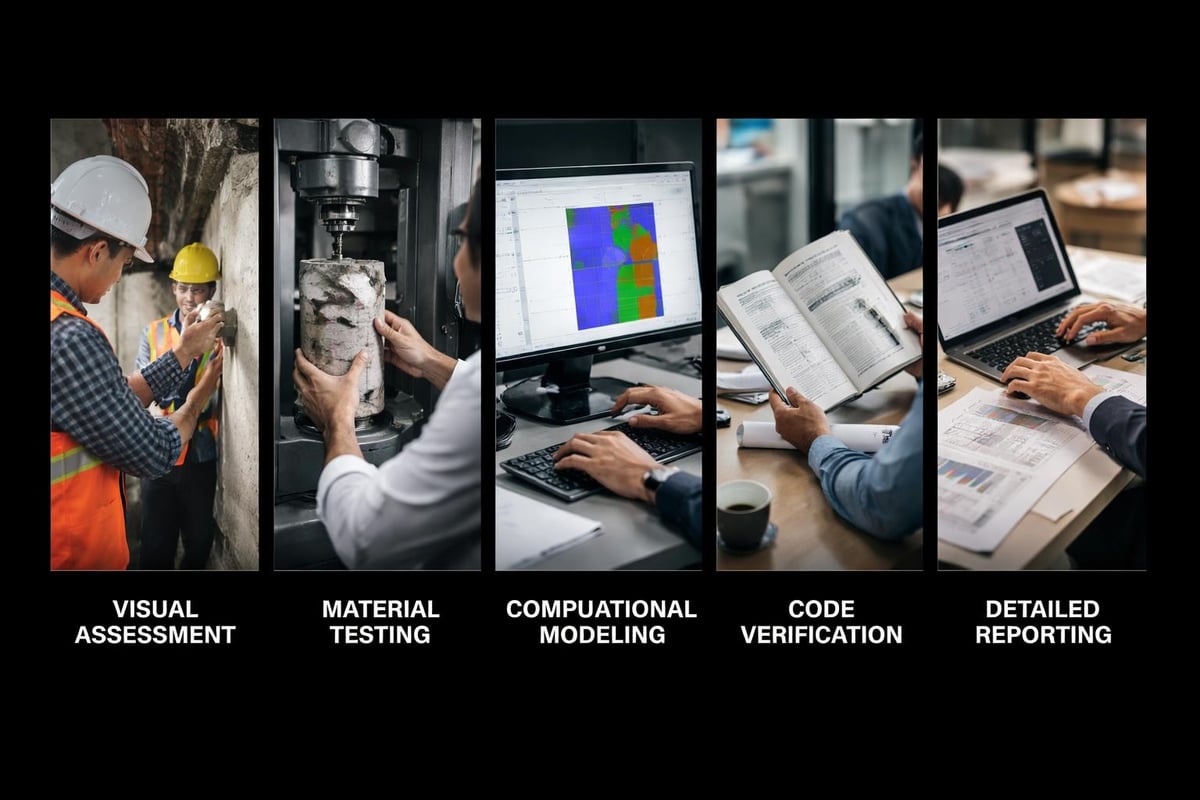
Professional structural evaluations typically include several distinct phases:
- Initial visual assessment and documentation
- Material testing and laboratory analysis
- Computational modeling and calculations
- Code compliance verification
- Detailed reporting with repair recommendations
This systematic approach ensures nothing gets overlooked. Each phase builds upon the previous one, creating a complete picture of the building's current condition and future requirements.
Why South Florida Properties Need Specialized Analysis
The coastal environment presents extraordinary challenges for buildings. Salt air accelerates corrosion in reinforced concrete and metal components. High humidity promotes moisture intrusion. Hurricane-force winds test structural connections. These factors make regular professional assessments essential, not optional.
Many property owners discover structural issues during milestone building recertification inspections required by local municipalities. These mandatory evaluations occur at 40 years for most buildings, with subsequent inspections every 10 years thereafter. The analysis required for recertification extends beyond basic safety checks, demanding detailed engineering calculations and comprehensive documentation.
Structural analysis services identify problems early when repairs remain manageable and affordable. A small section of spalled concrete detected today prevents major structural failure tomorrow. Deteriorated rebar identified through proper analysis can be addressed before it compromises load-bearing capacity.
| Environmental Factor | Impact on Structures | Required Analysis Frequency |
|---|---|---|
| Salt air exposure | Accelerated corrosion | Every 5-7 years |
| High humidity | Concrete degradation | Annual visual, detailed every 10 years |
| Wind loads | Connection stress | Per code requirements |
| Water intrusion | Foundation compromise | As-needed plus regular intervals |
Comprehensive Building Assessment Methods
Modern structural analysis services employ multiple methodologies to evaluate building conditions. Structural analysis has evolved significantly with technological advances, incorporating computer modeling, non-destructive testing, and advanced materials science.
Non-Destructive Evaluation Techniques
Engineers can assess structural conditions without causing damage to existing components:
- Ground-penetrating radar to locate rebar and identify voids
- Ultrasonic testing for concrete thickness and internal defects
- Infrared thermography to detect moisture and delamination
- Rebound hammer testing for surface concrete strength
- Pachometer surveys to measure rebar depth and spacing
These techniques provide valuable data while preserving the building's integrity. When combined with selective core sampling and laboratory testing, they create a comprehensive understanding of structural conditions.
Load Analysis and Capacity Calculations
Professional engineers evaluate whether existing structures can safely support current and anticipated loads. This proves particularly important for buildings undergoing renovations or changes in use. Adding rooftop equipment, converting residential space to commercial use, or installing heavy fixtures all require verification that the structure can handle increased demands.
The engineering team reviews original construction documents when available, performs field measurements, and creates detailed models that simulate actual loading conditions. These calculations determine if reinforcement, supplemental supports, or other modifications become necessary.
Critical Applications for Multi-Family Properties
Condominiums, apartment buildings, and mixed-use developments represent the majority of structures requiring professional analysis in South Florida. These properties face unique challenges due to their size, complexity, and shared ownership structures.
Property managers and association boards rely on structural engineering design analysis repair services to make informed decisions about capital improvements and emergency repairs. The technical documentation these services provide becomes essential for securing financing, satisfying insurance requirements, and demonstrating compliance with regulations.
Common Areas Requiring Detailed Analysis
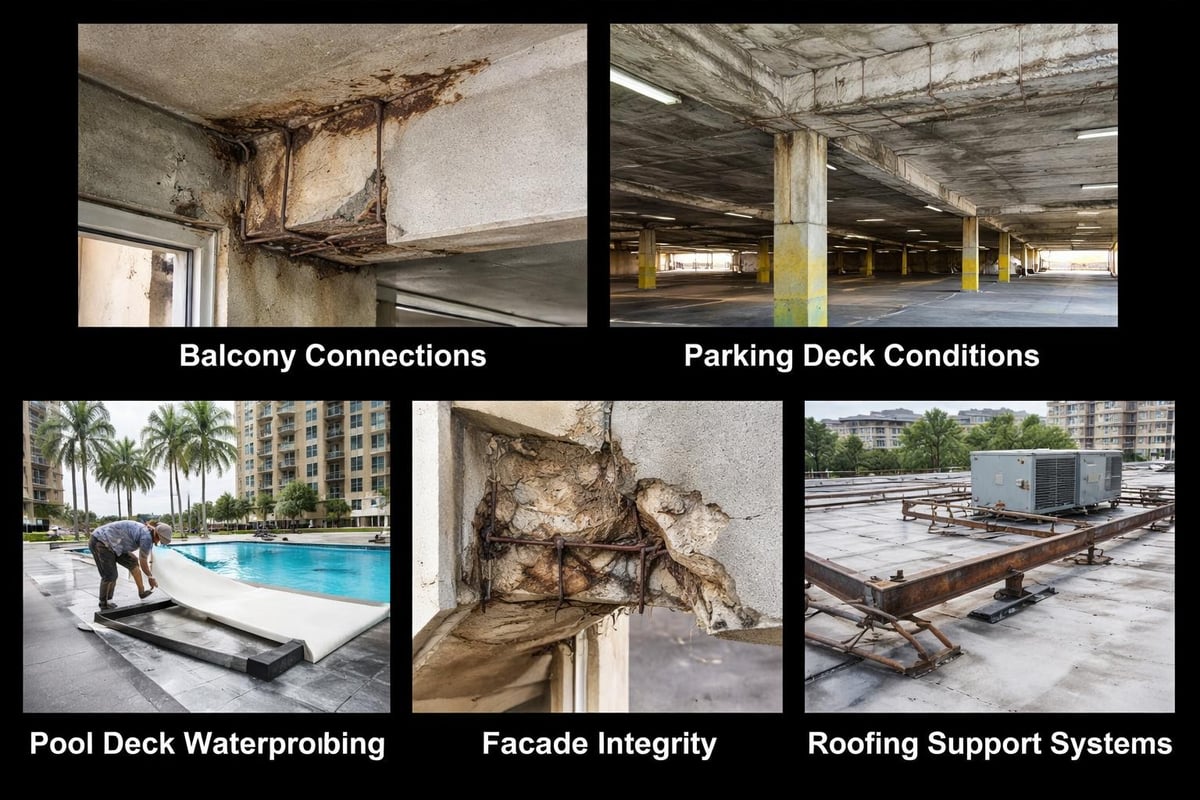
Several building components consistently need professional evaluation:
- Balconies and exterior walkways subject to weather exposure and heavy use
- Parking structures experiencing vehicle loads and environmental deterioration
- Pool decks and recreational areas with waterproofing and drainage concerns
- Exterior facades showing signs of cracking or displacement
- Roofing systems and their structural supports
Each area presents distinct engineering challenges. Balconies, for example, often cantilever from the main structure, creating significant stress at connection points. Professional analysis determines if these connections remain sound or require reinforcement.
Integration with Building Recertification Programs
Florida's building recertification requirements, particularly those implemented after the Surfside tragedy, demand comprehensive structural analysis services as a core component. Property owners can no longer rely on cursory visual inspections. Engineers must provide detailed calculations, material testing results, and specific repair recommendations.
The structural integrity reserve study (SIRS) mandated for many properties requires even deeper analysis. This assessment projects the remaining useful life of major structural components and estimates future repair costs. Accurate projections depend on thorough current-condition analysis performed by licensed professionals.
When preparing for recertification, property owners should engage structural analysis services well in advance of deadline dates. The investigation process takes time, particularly for larger or more complex buildings. Discovering significant issues weeks before a recertification deadline creates unnecessary stress and expense.
Timeline for Effective Planning
| Activity | Recommended Timeframe | Purpose |
|---|---|---|
| Initial consultation | 18-24 months before deadline | Scope definition, budgeting |
| Detailed investigation | 12-18 months before deadline | Complete assessment, testing |
| Report preparation | 9-12 months before deadline | Documentation, recommendations |
| Repair design | 6-9 months before deadline | Engineering drawings, permits |
| Construction execution | 3-6 months before deadline | Actual repair work |
Water Intrusion and Its Structural Implications
One of the most damaging conditions affecting South Florida buildings involves water penetration. While often considered a maintenance issue, water intrusion creates serious structural consequences that require professional analysis to fully understand.
Water reaching reinforced concrete initiates corrosion in steel reinforcement. As the steel rusts, it expands, causing concrete to crack and spall. This process accelerates dramatically in coastal environments where chloride ions from salt air compound the problem. Forensic water intrusion investigations identify the source of moisture problems and assess resulting structural damage.
Structural analysis services evaluate how water damage has compromised load-bearing capacity. Engineers calculate the reduction in strength caused by section loss, determine if immediate safety concerns exist, and design appropriate remediation strategies. Sometimes repairs involve simple concrete patching and waterproofing. Other situations require significant reinforcement or even component replacement.
Assessment Criteria for Water Damage
Professional evaluations consider multiple factors:
- Extent of rebar corrosion and section loss
- Depth and distribution of concrete deterioration
- Ongoing moisture sources and drainage issues
- Load redistribution to undamaged areas
- Code compliance for proposed repairs
Advanced Engineering for Complex Repairs
When analysis reveals structural deficiencies, property owners need more than just a problem description. They need engineered solutions that address the root cause, comply with current codes, and provide long-term durability. This is where structural analysis services transition from investigation to design.
Engineers create detailed repair plans that specify materials, methods, and sequencing. These documents become the basis for contractor bidding and construction execution. For major projects involving concrete restoration structural repairs, the engineering drawings must coordinate with other building systems and minimize disruption to occupants.
Permit approval depends on proper engineering documentation. Building departments review submitted calculations to verify that proposed repairs meet or exceed code requirements. Incomplete or inadequate engineering analysis results in permit denials and project delays.
Coordination with Other Building Systems
Structural repairs rarely occur in isolation. Professional analysis services consider how structural work affects:
- Electrical systems and panel locations
- Plumbing risers and drainage systems
- HVAC equipment and ductwork
- Fire protection and life safety systems
- Waterproofing and building envelope
This holistic approach prevents conflicts during construction and ensures all systems function properly after repairs complete.

Selecting Qualified Engineering Professionals
Not all structural analysis services provide the same level of expertise or thoroughness. Property owners should evaluate potential engineering firms carefully, considering qualifications, experience, and approach.
Florida-licensed professional engineers with specific experience in building recertification and concrete restoration deliver the most value. Look for firms that understand local building codes, have relationships with municipal building departments, and can reference similar completed projects.
The engineering team at Souffront Construction and Engineering exemplifies the multidisciplinary approach needed for comprehensive building assessment. Combining structural engineering, construction expertise, and inspection services under one roof streamlines the process and improves communication.
Questions to Ask Prospective Engineers
Before engaging structural analysis services, property owners should ask:
- How many similar buildings have you analyzed in the past 24 months?
- What testing equipment and methodologies do you employ?
- Who performs the actual field investigation and calculations?
- What is your typical timeline from investigation to final report?
- Do you provide construction administration services during repairs?
Comprehensive answers to these questions reveal the firm's capabilities and commitment to quality. Vague responses or reluctance to provide details should raise concerns.
Documentation and Long-Term Record Keeping
Professional structural analysis services generate extensive documentation. These reports become permanent building records that inform future assessments, property transactions, and capital planning decisions. Proper organization and storage of engineering documents proves essential.
A complete structural analysis report typically includes:
- Executive summary with key findings and recommendations
- Detailed observations from visual inspection and testing
- Calculations and modeling results supporting conclusions
- Photographic documentation of conditions observed
- Repair recommendations with cost estimates and prioritization
- Code compliance analysis addressing current requirements
Property managers should maintain both physical and digital copies of these documents. When the next recertification cycle arrives, previous reports provide baseline data that helps engineers track deterioration rates and validate predictive models.
Digital Record Management Best Practices
| Document Type | Retention Period | Storage Method |
|---|---|---|
| Structural reports | Permanent | Cloud and physical |
| Test results | Permanent | Digital database |
| Photographs | Permanent | Dated digital archive |
| Calculations | Permanent | Searchable digital files |
| Correspondence | 10+ years | Email and digital copies |
Cost Considerations and Budget Planning
Structural analysis services represent a significant investment for property owners. Understanding cost factors helps with budget planning and prevents surprises during the assessment process.
Several variables affect total costs:
- Building size and complexity directly impact investigation time
- Accessibility challenges requiring special equipment increase expenses
- Testing extent varies based on observed conditions
- Report detail level required by regulatory authorities
- Timeline urgency for expedited service
Most engineering firms provide preliminary estimates based on building characteristics and scope requirements. However, final costs may adjust after initial investigation if conditions prove more extensive than anticipated. Budget planning should include contingency amounts for unexpected findings.
For properties approaching 40-year recertification, understanding the distinction between investigation costs and repair costs proves crucial. Structural analysis services identify what needs fixing. The actual construction work to implement those fixes represents a separate, often larger expense.
Emerging Technologies in Structural Assessment
The field of structural engineering continues evolving with technological advancement. New tools and methodologies enhance the accuracy and efficiency of building assessments. Forward-thinking structural analysis services incorporate these innovations to provide better value and more reliable results.
Drone technology now enables detailed inspection of roofs, facades, and other elevated or hard-to-access areas. High-resolution cameras capture images that engineers analyze for defects without the expense and risk of scaffolding or lifts. This technology proves particularly valuable for preliminary assessments and progress monitoring during repairs.
Building Information Modeling (BIM) creates three-dimensional digital representations of structures. Engineers can visualize complex conditions, test repair scenarios virtually, and coordinate with other disciplines more effectively. Recent research even explores integrating artificial intelligence into structural analysis workflows, though practical applications remain in early stages.
Technology Impact on Service Delivery
- Faster data collection and processing
- More comprehensive condition documentation
- Enhanced visualization for stakeholders
- Improved coordination between disciplines
- Better long-term tracking of building performance
Regulatory Compliance and Code Requirements
Building codes establish minimum standards for structural safety. Structural analysis services verify compliance with current code editions, even when buildings were constructed under older requirements. This presents challenges because grandfathering provisions have limits, especially for major alterations or recertification situations.
Florida Building Code requirements reference multiple technical standards for materials, testing, and design methodologies. Professional engineers must stay current with code changes and understand how they apply to existing buildings. The analysis report should clearly identify code compliance issues and explain how proposed repairs address deficiencies.
Some municipalities impose additional requirements beyond the state building code. Miami-Dade County, for example, maintains enhanced structural provisions due to its hurricane exposure. Engineers providing services in South Florida must navigate this layered regulatory environment while serving property owner interests.
The Role of Analysis in Property Value Protection
Beyond regulatory compliance and safety concerns, professional structural analysis services protect property values. Buildings with documented structural integrity command higher market prices and attract quality tenants. Conversely, properties with unresolved engineering concerns face value depreciation and difficulty securing financing.
Prospective buyers and lenders scrutinize structural condition carefully. A current engineering report prepared by reputable professionals provides assurance that no hidden defects exist. This documentation streamlines due diligence processes and supports property marketing efforts.
For properties planning to refinance or sell within the next few years, proactive structural assessment makes financial sense. Addressing identified issues before listing the property eliminates deal complications and negotiating leverage for buyers seeking price concessions.
Investment Protection Strategies
Property owners maximize their investment by:
- Scheduling regular structural assessments before problems become visible
- Implementing recommended repairs promptly when issues are identified
- Maintaining comprehensive documentation of all engineering work
- Budgeting adequately for capital improvements and reserves
- Working with qualified professionals who understand local market conditions
Coordinating Analysis with Capital Improvement Planning
Smart property management integrates structural analysis services into long-term capital planning. Rather than treating engineering assessments as isolated events triggered by regulatory deadlines, successful owners incorporate them into ongoing building stewardship programs.
The structural integrity reserve study provides a roadmap for future capital expenditures. By projecting when major structural components will require attention, property managers can plan financially and avoid special assessments that burden residents.
This proactive approach also enables strategic timing of related work. If structural analysis reveals that balcony repairs will be necessary in three years, coordinating that project with planned waterproofing or railing replacement reduces overall costs and minimizes disruption.
Professional structural analysis services form the cornerstone of responsible building ownership in South Florida's demanding coastal environment. These specialized assessments protect lives, preserve property values, and ensure regulatory compliance while providing the technical foundation for informed decision-making. When you need comprehensive building evaluations backed by engineering expertise and construction knowledge, Souffront Construction and Engineering delivers integrated solutions that address your property's unique challenges. Our team combines thorough structural analysis with practical repair solutions, helping South Florida property owners maintain safe, compliant, and valuable buildings for decades to come.