Residential Structural Engineering Essentials Guide 2026
Understanding residential structural systems is essential for property owners, building managers, and homeowners associations throughout South Florida. From concrete foundations to roof framing, every component must work together to withstand environmental loads, meet building codes, and ensure occupant safety. As building regulations evolve and inspection requirements become more stringent, knowing the fundamentals of residential structural design and maintenance helps property owners make informed decisions about their investments.
Understanding Residential Structural Systems
The framework of any home consists of interconnected systems designed to transfer loads from the roof down through walls and columns to the foundation. Each system must be properly engineered to handle dead loads (the weight of the structure itself), live loads (occupants and furniture), and environmental loads such as wind and seismic forces.
Primary structural components include:
- Foundation systems (slabs, stem walls, piles)
- Floor framing (joists, beams, trusses)
- Wall framing (load-bearing and non-load-bearing)
- Roof structures (trusses, rafters, sheathing)
- Lateral force-resisting systems (shear walls, bracing)
South Florida's unique climate presents additional challenges. Hurricane-force winds, heavy rainfall, and high water tables require specialized engineering approaches that go beyond standard residential structural practices. The U.S. Department of Housing and Urban Development's Residential Structural Design Guide provides comprehensive frameworks for addressing these regional variations.
Foundation Design Considerations
Residential structural integrity begins below ground. Foundation selection depends on soil bearing capacity, water table levels, and local building codes. South Florida's predominantly sandy soils and high groundwater require careful analysis before construction begins.
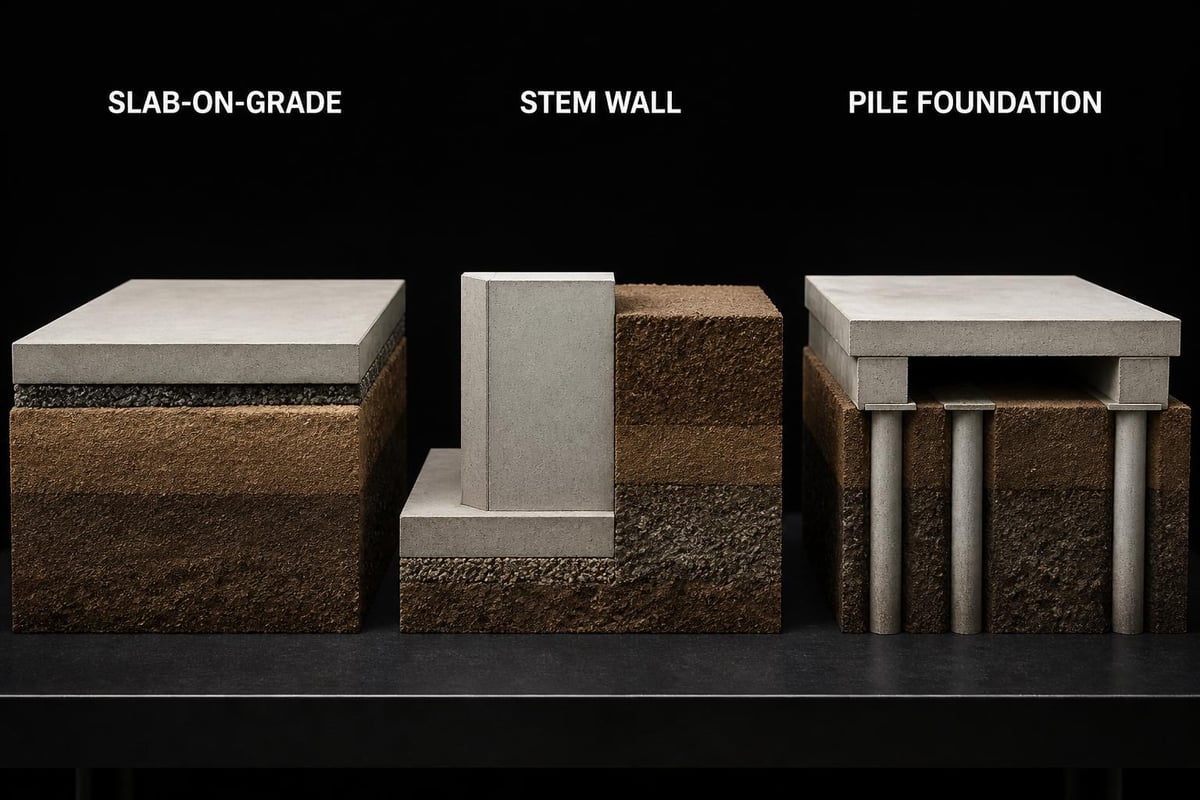
Different foundation types serve specific purposes. Slab-on-grade foundations work well for lighter structures on stable soils, while pile foundations become necessary when soil bearing capacity is insufficient or water tables are high. The National Foundation Authority discusses how environmental factors influence foundation system selection.
| Foundation Type | Best Applications | South Florida Considerations |
|---|---|---|
| Slab-on-Grade | Single-story homes, stable soil | Requires proper moisture barrier |
| Stem Wall | Moderate slopes, crawl space access | Adequate drainage essential |
| Pile Foundation | Poor soil, high water table | Common in coastal areas |
| Mat Foundation | Heavy loads, expansive soils | Used for larger residential structures |
Load Path Analysis and Design
Every residential structural system must provide a clear load path from roof to foundation. Engineers analyze how forces move through the building, ensuring each connection can handle the required loads without failure. This concept becomes particularly important during milestone building inspections when existing structures are evaluated for continued safety.
Gravity Load Considerations
Dead loads remain constant throughout a building's life. They include the weight of framing members, roof materials, wall finishes, and mechanical systems. Live loads vary based on occupancy and use patterns. Residential structures typically design for 40 pounds per square foot in living areas and 20 pounds per square foot in sleeping areas.
Professional structural engineering design and analysis ensures proper load calculations account for all anticipated conditions. Miscalculations can lead to deflection problems, cracking, or in severe cases, structural failure.
Lateral Load Resistance
Wind and seismic forces require horizontal bracing systems. In South Florida, wind loads often govern structural design due to hurricane exposure. Buildings must resist both positive pressure on windward sides and negative pressure (suction) on leeward sides.
Lateral force-resisting systems include:
- Shear walls - Solid wall sections designed to resist lateral forces
- Braced frames - Diagonal members that create triangulated support
- Moment frames - Rigid connections between beams and columns
- Diaphragms - Horizontal systems (floors, roofs) that distribute forces
Understanding these systems helps property owners recognize potential vulnerabilities during routine maintenance or when planning renovations.
Building Code Compliance and Regulations
Residential structural design must comply with adopted building codes. Florida follows the Florida Building Code, which incorporates provisions from the International Residential Code with amendments specific to regional hazards. The City of Portland's structural design requirements demonstrates how different jurisdictions adapt codes to local conditions, though South Florida faces unique challenges.
Key code areas affecting residential structures:
- Minimum member sizes for framing
- Connection requirements for high-wind zones
- Foundation depth and reinforcement
- Roof-to-wall connections
- Opening protection during hurricanes
Code compliance isn't just about passing inspections. It protects occupants, maintains property values, and reduces insurance costs. Properties built to current standards generally perform better during extreme weather events than those constructed under older codes.
Material Standards and Specifications
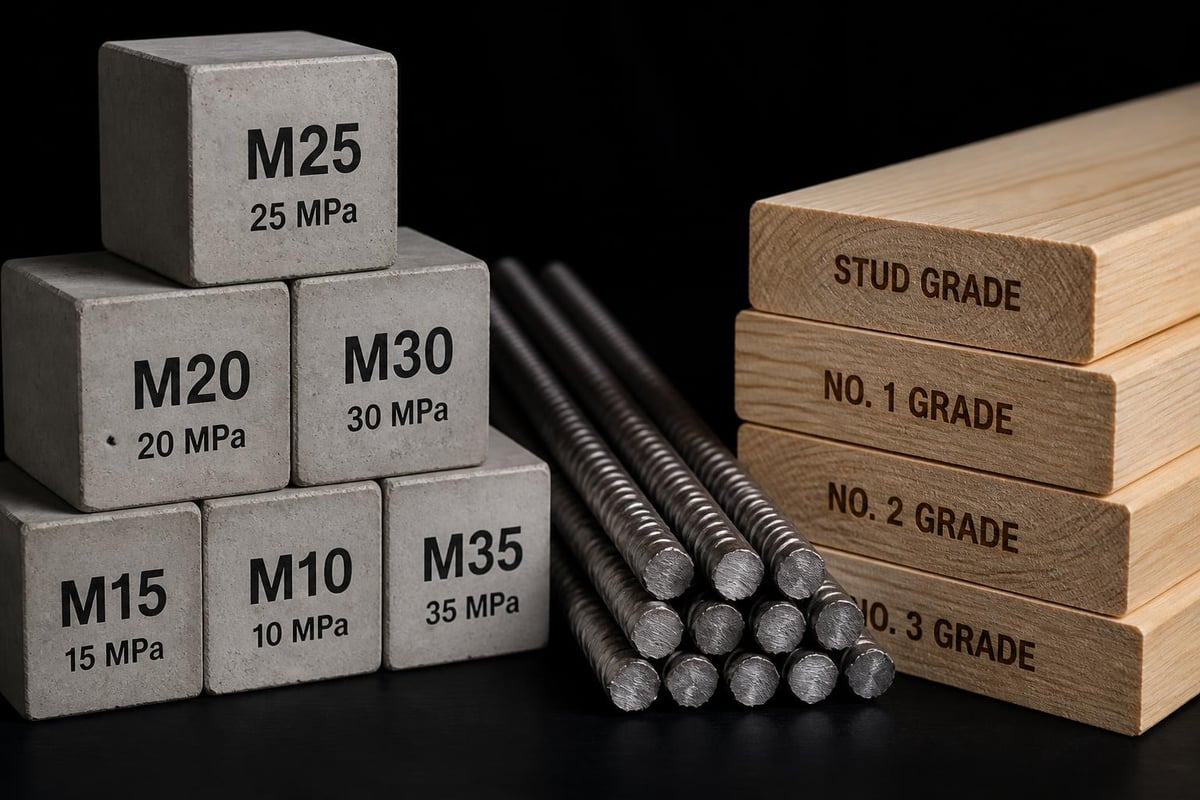
Building codes reference material standards from organizations like ASTM International, the American Concrete Institute, and the American Wood Council. These standards ensure materials meet minimum quality thresholds for strength, durability, and performance.
Concrete used in residential structural applications typically requires 3,000 to 4,000 psi compressive strength. Reinforcing steel must meet specific grade requirements. Lumber must be graded for structural use. These specifications protect building owners by establishing performance benchmarks.
Inspection and Assessment Protocols
Regular inspections identify problems before they compromise safety or require expensive repairs. Building recertification and milestone inspections have become mandatory in many South Florida jurisdictions following recent building failures.
Professional inspectors evaluate:
- Foundation settlement or movement
- Structural member deterioration
- Connection integrity
- Water intrusion damage
- Code compliance for renovations
InterNACHI's structural design concepts article provides inspectors with foundational knowledge needed to identify potential issues during routine evaluations.
Common Residential Structural Issues
South Florida's climate accelerates certain deterioration patterns. Concrete spalling from chloride intrusion, wood rot from moisture exposure, and metal corrosion from salt air commonly affect coastal properties. Early detection through professional assessment prevents minor issues from becoming major hazards.
| Issue | Typical Cause | Detection Method |
|---|---|---|
| Concrete Spalling | Rebar corrosion, water intrusion | Visual inspection, hammer testing |
| Foundation Cracks | Settlement, expansive soils | Crack monitoring, elevation survey |
| Wood Rot | Moisture exposure, poor drainage | Probe testing, moisture meters |
| Sagging Floors | Inadequate support, deteriorated joists | Level survey, structural analysis |
Forensic water intrusion investigations often reveal hidden damage that compromises residential structural components. Professional assessment identifies both visible problems and concealed issues that might not be apparent during casual observation.
Engineering Analysis Methods
Modern residential structural analysis employs sophisticated calculation methods. Engineers use computer software to model buildings, apply loads, and verify member adequacy. However, understanding fundamental principles remains essential for interpreting results and making design decisions.
Prescriptive vs. Engineered Design
Simple residential structures may use prescriptive methods outlined in building codes. These provide predetermined member sizes and spacing for common applications. More complex buildings require engineered design with detailed calculations proving structural adequacy.
Prescriptive design works for:
- Standard rectangular floor plans
- Conventional roof slopes
- Typical load conditions
- Simple foundation systems
Engineered design becomes necessary for:
- Irregular building shapes
- Large open spans
- Heavy roof systems
- Challenging site conditions
The Residential Structural Design Guide offers insights into when each approach applies and how engineers transition from prescriptive to engineered solutions.
Computer-Aided Design Tools
Software programs allow engineers to model complex geometries, apply multiple load combinations, and verify code compliance efficiently. These tools calculate deflections, stresses, and reactions that would be prohibitively time-consuming by hand.
Recent research explores using machine learning to automate structural design, potentially streamlining the engineering process while maintaining safety and code compliance. However, experienced engineering judgment remains crucial for interpreting results and ensuring practical constructability.
Renovation and Modification Considerations
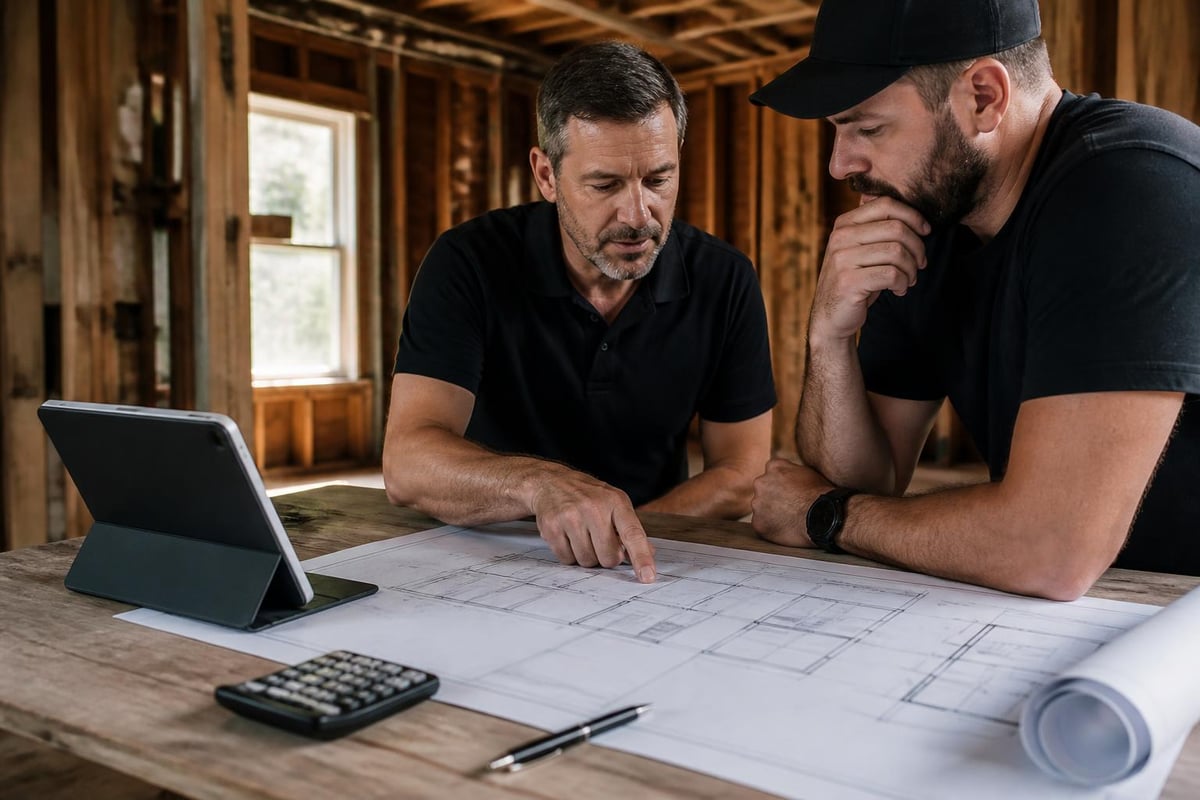
Altering existing residential structural systems requires careful planning. Removing load-bearing walls, adding second stories, or expanding floor areas changes load paths and may overstress existing components. Professional engineering analysis ensures modifications maintain structural integrity.
Common renovation challenges include:
- Identifying load-bearing elements - Not all walls support structure above
- Evaluating existing capacity - Older systems may not meet current codes
- Designing temporary support - Maintaining stability during construction
- Coordinating with other trades - Ensuring mechanical, electrical, and plumbing modifications don't compromise structure
Concrete restoration and structural repairs often accompany renovations, particularly in older buildings where deterioration has reduced load-carrying capacity.
Permit Requirements for Structural Work
Most jurisdictions require permits for work affecting residential structural systems. This includes foundation modifications, framing changes, and major repairs. The permit process ensures qualified professionals design the work and inspectors verify proper construction.
Working with experienced contractors familiar with local permit requirements streamlines approvals and prevents costly delays. Professional teams prepare permit-ready documentation that satisfies building department requirements.
Long-Term Maintenance Strategies
Preserving residential structural integrity requires proactive maintenance. Regular inspections, prompt repairs, and protective measures extend building life and prevent catastrophic failures. Property owners should develop maintenance schedules addressing key structural components.
Essential maintenance activities:
- Annual roof inspections after hurricane season
- Quarterly drainage system checks
- Bi-annual foundation monitoring
- Regular concrete sealant application
- Periodic structural component assessments
Structural Integrity Reserve Studies (SIRS) help property owners and associations plan for major repairs by identifying likely future needs and estimating costs. This forward-thinking approach prevents emergency situations and allows budgeting for necessary work.
Documentation and Record Keeping
Maintaining comprehensive records of inspections, repairs, and modifications provides valuable information for future work. Documentation should include original construction drawings, engineering reports, inspection records, and repair invoices.
These records help engineers assess building history when planning modifications or investigating problems. They also demonstrate due diligence during property transactions and insurance claims.
Professional Collaboration in Structural Projects
Successful residential structural projects require coordination among multiple professionals. Engineers, architects, contractors, and building officials each contribute specialized expertise ensuring safe, code-compliant results.
The role of structural engineers encompasses design, analysis, construction observation, and problem-solving throughout project lifecycles. Their involvement begins during early planning and continues through final inspections.
Clear communication among team members prevents conflicts and ensures everyone understands project requirements. Regular meetings, shared documentation platforms, and defined responsibilities keep projects moving efficiently.
Selecting Qualified Professionals
Property owners should verify professional credentials before hiring engineers or contractors for residential structural work. Licensed engineers must complete education requirements, pass examinations, and maintain continuing education. Contractors should carry appropriate licenses and insurance.
Checking references, reviewing past projects, and confirming current licenses protects property owners from unqualified practitioners. Professional organizations and state licensing boards provide verification resources.
Emerging Technologies and Methods
The residential structural engineering field continues evolving. New materials, analysis techniques, and construction methods improve performance while reducing costs. Staying current with industry developments helps property owners make informed decisions about their buildings.
Research into structural engineering from an inverse problems perspective explores advanced methodologies that enhance design and assessment processes. While these techniques remain primarily academic, they point toward future improvements in practical engineering.
Building information modeling (BIM) integrates structural design with architectural and MEP systems, reducing conflicts and improving coordination. As software becomes more accessible, even residential projects benefit from these sophisticated tools.
Residential structural systems form the backbone of safe, durable housing throughout South Florida. Understanding design principles, maintenance requirements, and inspection protocols empowers property owners to protect their investments and ensure occupant safety. Whether planning new construction, managing renovations, or maintaining existing buildings, working with qualified professionals makes all the difference. Souffront Construction and Engineering brings decades of experience helping South Florida property owners, associations, and managers with comprehensive structural engineering, inspection services, and permit-ready repair solutions that keep buildings safe, compliant, and protected against our region's unique challenges.