Milestone Inspection Engineer Miami: Complete Guide 2026

Miami-Dade County's building safety landscape has undergone significant transformation following the tragic Surfside collapse in 2021. Property owners across South Florida now face stricter recertification requirements, making the role of a qualified milestone inspection engineer Miami residents can trust more critical than ever. These specialized professionals don't just check boxes on compliance forms; they protect lives, preserve property values, and ensure that aging buildings meet current safety standards. Understanding what these engineers do, when you need them, and how to choose the right one can save property owners thousands of dollars while avoiding dangerous structural failures.
What Is a Milestone Inspection and Why Miami Takes It Seriously
Milestone inspections represent a comprehensive evaluation of a building's structural and electrical systems at specific age intervals. In Miami-Dade County, these inspections occur when buildings reach certain milestones, typically starting at 25 or 30 years depending on location and proximity to the coastline.
The Miami-Dade County building recertification program has evolved considerably since January 2022. Buildings within three miles of the coast now require their first inspection at 25 years, while those further inland begin at 30 years. After the initial inspection, recertification occurs every ten years.
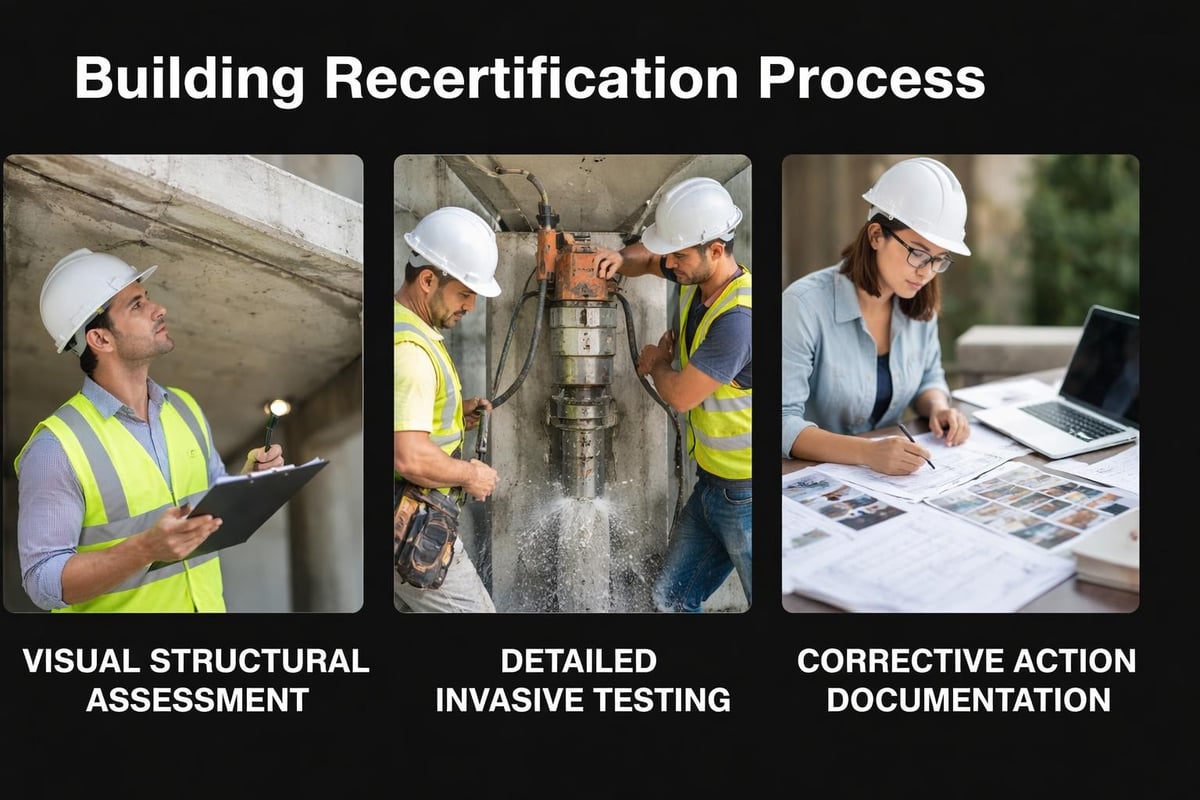
The Three-Phase Inspection Process
A milestone inspection engineer Miami property owners hire conducts evaluations in three distinct phases:
- Phase I: Visual Assessment includes examining all structural components visible without destructive testing
- Phase II: Detailed Investigation involves invasive testing when Phase I reveals potential issues
- Phase III: Corrective Action documents repairs and ensures compliance before final certification
Buildings constructed before 1992 face additional scrutiny because they were built under older building codes that didn't account for modern wind load requirements or hurricane standards.
Qualifications That Define a Competent Milestone Inspection Engineer
Not every engineer can legally perform milestone inspections in Miami. The state of Florida maintains strict licensing requirements to ensure only qualified professionals assess building safety.
| Requirement | Details | Verification |
|---|---|---|
| PE License | Active Florida Professional Engineer license | Florida DBPR database |
| Structural Specialization | Expertise in structural or civil engineering | License designation |
| Local Experience | Familiarity with South Florida construction methods | Project portfolio |
| Insurance Coverage | Professional liability and general liability | Certificate of Insurance |
| Continuing Education | Current knowledge of code updates | CEU records |
A qualified milestone inspection engineer Miami building owners select should hold an active Professional Engineer (PE) license in Florida with specific expertise in structural engineering. This specialization matters because assessing load-bearing walls, foundation integrity, and concrete deterioration requires knowledge beyond general engineering principles.
Understanding Special Certifications
Beyond basic licensing, experienced engineers often hold additional certifications that demonstrate advanced expertise. Some engineers specialize in concrete restoration assessment, while others focus on coastal construction challenges like saltwater corrosion and wind load analysis.
The City of Miami Beach building recertification requirements emphasize the importance of hiring engineers familiar with oceanfront construction challenges. Saltwater exposure accelerates concrete spalling, rebar corrosion, and coating failures that inland buildings rarely face.
Timeline Expectations for Your Milestone Inspection
Property owners often underestimate how long the milestone inspection process takes. From initial contact to final certification, expect a minimum of 60-90 days for straightforward cases without significant deficiencies.
Month-by-Month Breakdown
- Weeks 1-2: Initial consultation, document review, and site access coordination
- Weeks 3-4: Phase I visual inspection of all accessible structural components
- Weeks 5-6: Report preparation and deficiency identification
- Weeks 7-10: Phase II testing if needed, including concrete coring and rebar scanning
- Weeks 11-12: Final report submission to building department
This timeline assumes no major structural issues requiring extensive repairs. When a milestone inspection engineer Miami experts recommend discovers significant deficiencies, the process extends considerably.
Buildings requiring repairs enter a different timeline altogether. The structural engineering and repair services necessary to address code violations can add three to twelve months depending on repair complexity and permitting requirements.
Cost Factors Every Property Owner Should Know
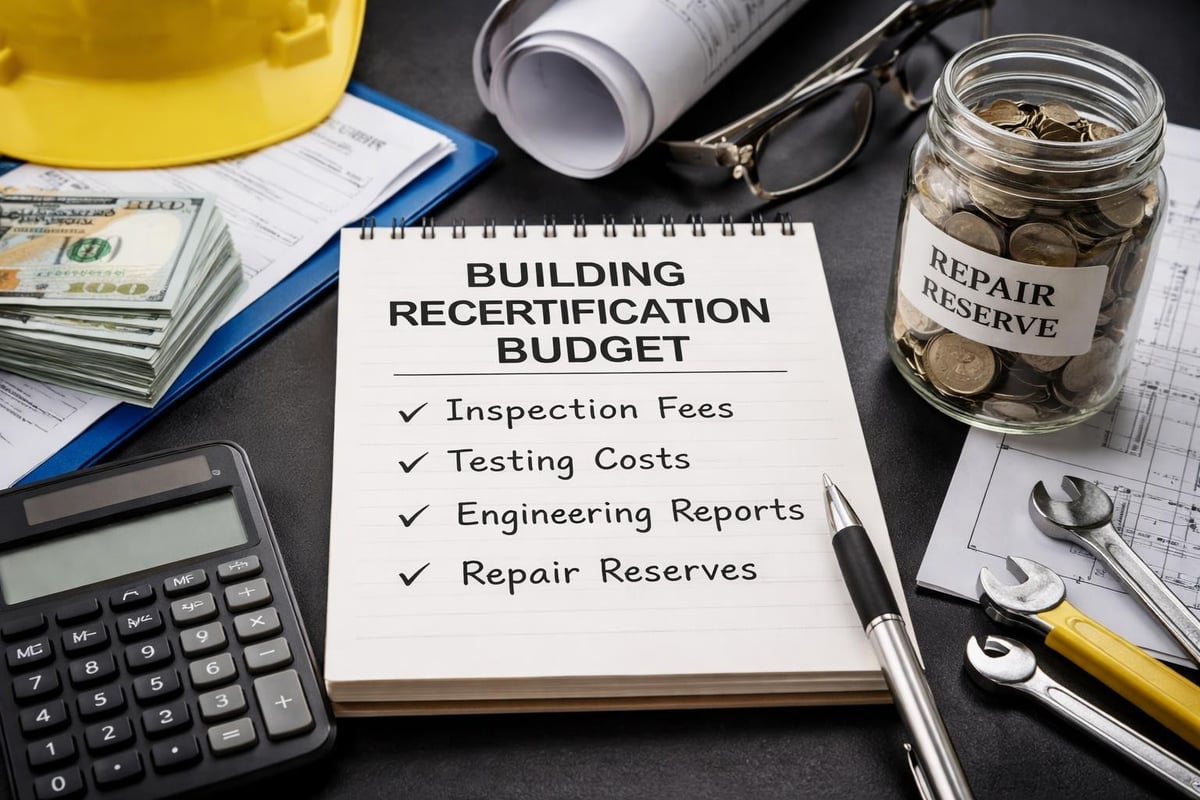
Inspection costs vary significantly based on building size, complexity, and condition. A small residential building might spend $3,000-$5,000 for a straightforward inspection, while a large condominium complex could invest $15,000-$30,000 or more.
What Drives Inspection Costs Higher
- Building square footage and number of units
- Accessibility challenges requiring lifts or scaffolding
- Previous repair history and documentation quality
- Proximity to saltwater and environmental factors
- Age-related deterioration requiring extensive testing
The actual inspection represents only part of the total cost. Many buildings discover repair needs during the inspection process. Concrete restoration and structural repairs identified during milestone inspections often cost tens or hundreds of thousands of dollars depending on severity.
Smart property managers budget for both inspection costs and a repair reserve. Setting aside funds before receiving inspection results prevents special assessments and financing delays when repairs become necessary.
Common Deficiencies a Milestone Inspection Engineer Discovers
Experienced engineers who conduct these inspections see recurring problems across South Florida buildings. Understanding these common issues helps property owners prepare for potential findings.
Structural Problems Requiring Immediate Attention
Concrete spalling tops the list of frequent discoveries. This deterioration occurs when water penetrates concrete, causing embedded rebar to rust and expand. The expansion forces concrete to crack and break away from structural members.
A milestone inspection engineer Miami property managers trust will thoroughly assess:
- Foundation integrity including cracks, settlement, and water intrusion
- Balcony and walkway connections where separation from main structures creates fall hazards
- Roof attachment systems that may have degraded below code requirements
- Parking garage columns and beams showing concrete cancer or reinforcement exposure
- Stairwell conditions including structural support and railing adequacy
The City of Coral Gables recertification requirements specifically emphasize thorough evaluation of these high-risk areas where failures could cause injuries or fatalities.
Electrical System Deficiencies
Electrical components receive equal scrutiny during milestone inspections. Buildings constructed decades ago often have outdated panel boxes, insufficient grounding, and wiring that doesn't meet current amperage demands.
Common electrical findings include:
- Obsolete panel boxes requiring complete replacement
- Aluminum wiring that poses fire hazards
- Inadequate grounding systems
- Overloaded circuits not meeting current code
- Missing GFCI protection in required locations
Choosing the Right Milestone Inspection Engineer for Your Building
Selecting an engineer shouldn't be a rushed decision based solely on price. The right professional becomes a long-term partner who understands your building's history and challenges.
| Selection Criteria | Why It Matters | Questions to Ask |
|---|---|---|
| Local Project Portfolio | Demonstrates relevant experience | Can you show similar buildings you've inspected? |
| Response Time | Affects compliance deadlines | What's your current project timeline? |
| Communication Style | Ensures clear understanding | How do you explain technical issues to non-engineers? |
| Repair Coordination | Streamlines correction process | Do you work with contractors or just inspect? |
Ask potential engineers about their inspection methodology. Some conduct cursory walkthroughs while others employ advanced technology like ground-penetrating radar, thermal imaging, and structural load testing.
The Value of Integrated Services
Engineers who also provide structural engineering design and repair services offer distinct advantages. They can seamlessly transition from inspection to repair design, eliminating the need to educate a new engineer about discovered deficiencies.
This integration particularly benefits buildings requiring extensive remediation. The inspection engineer already understands the structure, reducing design time and preventing miscommunication between inspection and repair teams.
Documentation Requirements and Report Submission
A thorough milestone inspection generates substantial documentation that building departments require for compliance. Understanding these requirements prevents submission delays and rejection.
Essential Report Components
The inspection report must include detailed descriptions of all building components examined, photographs documenting conditions, and clear statements about code compliance. The City of North Miami Beach recertification guidelines specify exact documentation standards that all reports must meet.
Professional engineers must seal and sign all reports, taking full legal responsibility for their findings. This accountability explains why experienced engineers charge appropriate fees; they're assuming significant liability.
Reports typically contain:
- Narrative description of inspection scope and methodology
- Component-by-component assessment of structural systems
- Photographic documentation of all inspected areas
- Specific identification of code violations or deficiencies
- Recommendations for repairs or further investigation
- Timeline for corrective actions if deficiencies exist
Navigating Extensions and Compliance Deadlines
Property owners sometimes struggle to complete inspections and repairs within required timeframes. Understanding extension processes prevents violations and penalties.
Miami-Dade County allows extension requests under specific circumstances, but these aren't automatic approvals. A milestone inspection engineer Miami building departments trust can help document legitimate reasons for timeline extensions.
Valid Reasons for Extension Requests
- Complex repairs requiring extensive permitting and construction time
- Material or contractor availability issues beyond owner control
- Hurricane or weather-related construction delays
- Financing challenges for large-scale repairs
- Tenant relocation complications in occupied buildings
The City of Homestead building recertification page provides detailed information about extension request procedures and required documentation.
Extensions aren't indefinite. Building departments expect reasonable progress and may impose additional inspections or restrictions on buildings with outstanding deficiencies.
The Connection Between Milestone Inspections and Reserve Studies
Smart condominium associations and property managers coordinate milestone inspections with Structural Integrity Reserve Studies (SIRS). These complementary assessments provide comprehensive understanding of building condition and future capital needs.
While a milestone inspection focuses on current code compliance, a SIRS structural integrity reserve study projects long-term maintenance and replacement costs for major building components. Together, they create a complete financial and structural planning framework.
Why Simultaneous Planning Makes Sense
Conducting both assessments simultaneously offers several advantages. The same engineer can gather data for both reports during a single site visit, reducing inspection costs and minimizing disruption to residents.
Reserve study findings often inform repair prioritization identified during milestone inspections. Understanding the projected lifespan of building systems helps property managers schedule repairs strategically rather than reactively.
Special Considerations for High-Rise and Coastal Buildings
Buildings exceeding three stories or located within the coastal high-hazard area face additional scrutiny during milestone inspections. These structures require engineers with specific expertise in complex structural systems and environmental challenges.
Unique Coastal Building Challenges
Saltwater exposure creates corrosion patterns that inland engineers might overlook. A milestone inspection engineer Miami coastal property owners select must understand how salt-laden air penetrates concrete, accelerating reinforcement deterioration even without direct water contact.
High-rise buildings present accessibility challenges requiring specialized equipment. Engineers need experience coordinating swing stage access, lift rentals, and roof anchor systems to safely inspect upper-level components.
The importance of selecting qualified professionals becomes even more critical for these complex structures. Mistakes or oversights in high-rise inspections can have catastrophic consequences affecting hundreds of residents.
How Water Intrusion Assessment Fits Into Milestone Inspections
While not technically part of the standard milestone inspection, water intrusion problems often surface during structural assessments. Forward-thinking property owners request forensic water intrusion investigations alongside milestone inspections.
Water damage accelerates nearly every structural deterioration pattern engineers look for during recertification. Identifying moisture sources and pathways allows property owners to address root causes rather than just repairing visible symptoms.
Common Water Intrusion Sources
- Failing waterproofing membranes on balconies and walkways
- Compromised building envelope at window and door penetrations
- Deteriorated expansion joints allowing water migration
- Inadequate drainage systems directing water toward foundations
- Roof membrane failures permitting water into structural systems
A comprehensive milestone inspection engineer Miami property managers hire should at minimum note visible water damage and recommend specialized investigation when patterns suggest active intrusion.
Post-Inspection: Managing Repairs and Recertification
Receiving an inspection report with deficiencies isn't the end of the process-it's the beginning of repair planning and execution. The most challenging phase often involves coordinating corrections while maintaining building operations.
Property owners must prioritize repairs based on safety risk and code compliance requirements. Life-safety issues like structural instability or egress problems require immediate attention, while cosmetic concerns can wait for scheduled maintenance cycles.
Creating an Effective Repair Timeline
- Immediate Actions: Address life-safety hazards within 30 days
- Priority Repairs: Complete code violations within 90-180 days
- Preventive Maintenance: Schedule non-critical items within one year
- Long-term Planning: Budget for projected future needs
Working with engineers who also provide construction services streamlines this process significantly. The inspection engineer understands exactly what needs correction and can design repairs that address root causes rather than applying temporary patches.
Understanding Municipal Variations in Inspection Requirements
While state law establishes baseline requirements, individual municipalities throughout Miami-Dade, Broward, and Monroe Counties maintain specific local ordinances affecting milestone inspections. A milestone inspection engineer Miami-wide experience brings familiarity with these jurisdictional variations.
Some cities require more frequent inspections, while others mandate additional electrical system evaluations beyond state minimums. Understanding these local requirements prevents compliance gaps and resubmission delays.
Key Municipal Differences
- Inspection frequency variations (10-year vs. different intervals)
- Required engineer qualifications and certifications
- Report format and submission procedures
- Extension request processes and approval criteria
- Penalty structures for non-compliance
Checking your specific municipality's requirements early in the process ensures your engineer meets all local qualifications and understands jurisdiction-specific expectations.
The Future of Building Recertification in South Florida
Legislative changes continue evolving following the 2021 Surfside collapse. Property owners should expect additional requirements and stricter enforcement as municipalities prioritize building safety.
Proposed changes under consideration include:
- Earlier initial inspection ages for certain building types
- More frequent recertification cycles especially for coastal structures
- Enhanced qualifications for engineers performing inspections
- Mandatory reserve funding for identified repairs
- Public disclosure of inspection results and building conditions
Staying informed about regulatory changes helps property owners plan proactively rather than scrambling to meet new requirements on short notice. Establishing relationships with qualified engineers before deadline pressures arrive creates smoother compliance pathways.
Technology and Modern Inspection Methods
Today's milestone inspection engineer Miami property owners hire employs technology that wasn't available even five years ago. These tools improve accuracy and identify hidden deficiencies that visual inspections might miss.
Advanced inspection technologies include:
- Ground-penetrating radar revealing rebar placement and voids
- Thermal imaging detecting moisture and insulation failures
- Ultrasonic testing measuring concrete thickness and integrity
- 3D laser scanning documenting existing conditions precisely
- Drones accessing difficult-to-reach building areas safely
While these technologies increase inspection costs moderately, they provide valuable data that prevents expensive surprises during construction. Discovering hidden deficiencies during inspection costs far less than encountering them mid-repair.
Navigating Miami's building recertification requirements demands expertise, attention to detail, and thorough understanding of both structural engineering and local compliance standards. Property owners who invest in qualified professionals protect their investments, ensure resident safety, and avoid costly violations or emergency repairs. Whether your building approaches its first milestone or faces complex deficiency corrections, partnering with experienced professionals makes the difference between smooth compliance and prolonged complications. Souffront Construction and Engineering brings decades of South Florida experience to building inspections, structural assessments, and code-compliant repairs-helping property owners navigate recertification with confidence and comprehensive support from initial inspection through final certification.