Mechanical Construction Engineering: A Complete Guide

Mechanical construction engineering represents a critical discipline that bridges the gap between engineering design and physical construction. This specialized field focuses on the installation, integration, and maintenance of mechanical systems within buildings, including HVAC, plumbing, fire protection, and related infrastructure. For property owners and managers in South Florida, understanding mechanical construction engineering becomes particularly important during building recertification processes, where aging mechanical systems must meet current code requirements and performance standards.
Understanding the Core Components of Mechanical Construction Engineering
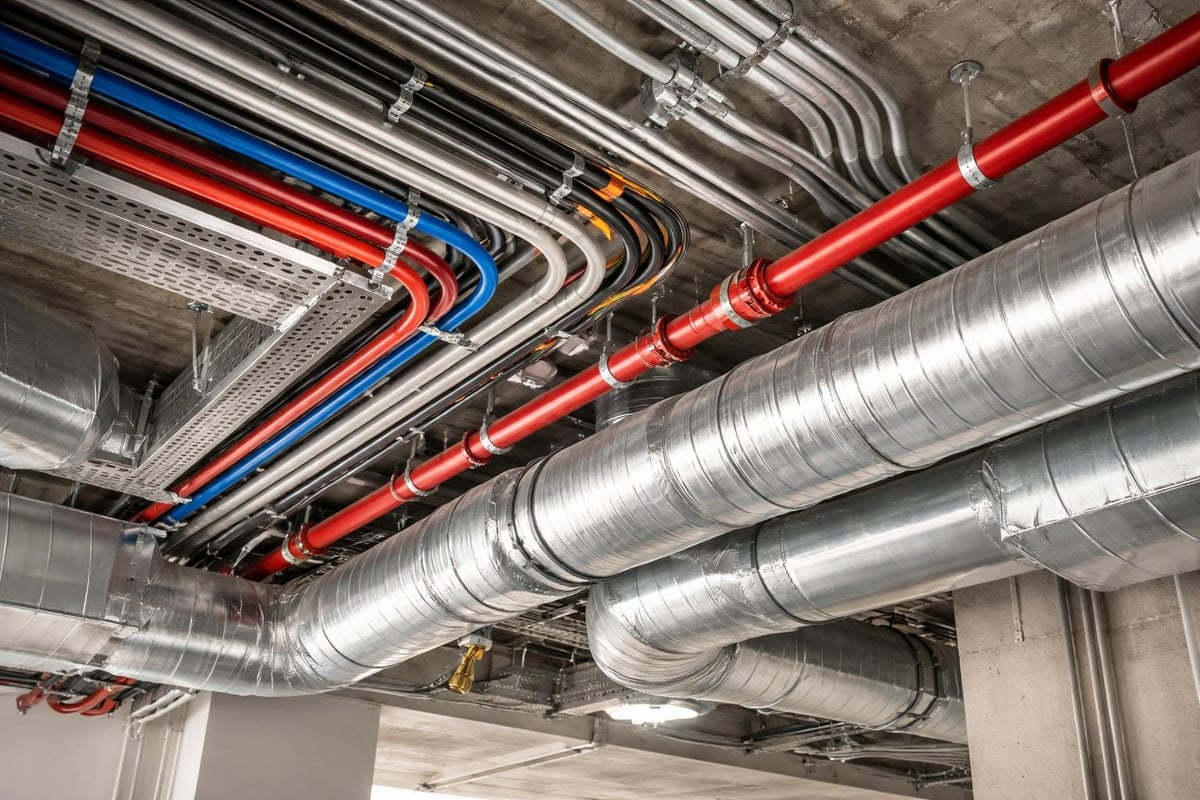
Mechanical construction engineering encompasses multiple interconnected systems that work together to create functional, safe, and efficient buildings. The discipline requires deep knowledge of thermodynamics, fluid mechanics, material science, and structural integration principles.
HVAC systems form the backbone of indoor climate control. These systems regulate temperature, humidity, and air quality while consuming significant portions of building energy budgets. In South Florida's humid subtropical climate, properly designed and maintained HVAC systems prevent moisture accumulation that leads to mold growth and structural degradation.
Plumbing infrastructure delivers potable water and removes waste safely from buildings. This includes:
- Fresh water supply lines and distribution networks
- Drainage and sewage systems
- Gas piping for appliances and equipment
- Storm water management systems
- Backflow prevention devices
Fire protection systems integrate sprinklers, standpipes, and suppression equipment throughout structures. These life safety systems require precise engineering to ensure adequate water pressure, proper coverage, and code compliance during milestone building inspections.
The Role of Engineering Documentation
Comprehensive documentation forms the foundation of successful mechanical construction engineering projects. Engineers develop detailed plans that specify equipment locations, pipe routing, duct sizing, and connection details. These construction design documents serve multiple purposes throughout the project lifecycle.
Design drawings communicate the engineer's intent to contractors, fabricators, and inspectors. They include floor plans, riser diagrams, equipment schedules, and detail sections showing critical connections. Specifications complement drawings by describing materials, installation methods, testing procedures, and performance requirements.
Shop drawings represent the contractor's interpretation of design documents. Fabricators create these detailed drawings showing exact dimensions, fabrication methods, and installation sequences for review and approval before construction begins.
System Integration Challenges in Building Construction
Mechanical construction engineering demands careful coordination with other building disciplines. Space constraints, structural limitations, and aesthetic considerations create complex challenges that require creative problem-solving and collaborative approaches.
Spatial Coordination with Structural Elements
Mechanical systems must navigate around beams, columns, and load-bearing walls while maintaining required clearances and access for maintenance. Building information modeling (BIM) technology helps identify conflicts before construction, but field conditions often reveal unforeseen obstacles requiring immediate engineering solutions.
Penetrations through structural members demand careful analysis to prevent weakening critical elements. Structural engineering review ensures that holes for pipes and ducts don't compromise building integrity or violate code requirements.
| System Type | Typical Space Requirements | Critical Clearances |
|---|---|---|
| HVAC Ducts | 18-36 inches vertical | 2 feet maintenance access |
| Plumbing Mains | 12-24 inches horizontal | 18 inches for valves |
| Fire Sprinkler Piping | 6-12 inches below ceiling | 12 inches from structural |
| Electrical Conduit | 4-8 inches routing space | 6 inches separation from water |
Code Compliance and Regulatory Requirements
Building codes establish minimum standards for mechanical system design, installation, and performance. The International Mechanical Code (IMC), International Plumbing Code (IPC), and local amendments govern most aspects of mechanical construction engineering projects.
Permit approval requires submitting detailed plans demonstrating code compliance. Inspections occur at multiple stages, verifying that installed work matches approved plans and meets quality standards. Property owners undergoing building recertification must ensure their mechanical systems satisfy current codes, even if they were originally installed under older requirements.
Energy codes impose efficiency requirements for HVAC equipment, insulation, and system controls. Florida's energy code mandates specific SEER ratings for air conditioners and establishes duct sealing requirements that reduce energy waste.
Installation Methods and Best Practices
Proper installation techniques ensure mechanical systems perform as designed and provide reliable service throughout their expected lifespan. Mechanical construction engineering professionals follow established protocols that balance efficiency, quality, and safety.
Pre-installation planning involves reviewing shop drawings, coordinating with other trades, and staging materials efficiently. Contractors verify equipment delivery schedules, confirm access routes for large components, and coordinate utility shutdowns needed for connections.
Quality control measures include:
- Material verification against specifications
- Dimensional checks using laser levels and total stations
- Welding inspections and non-destructive testing
- Pressure testing of piping systems
- Functional testing of equipment and controls
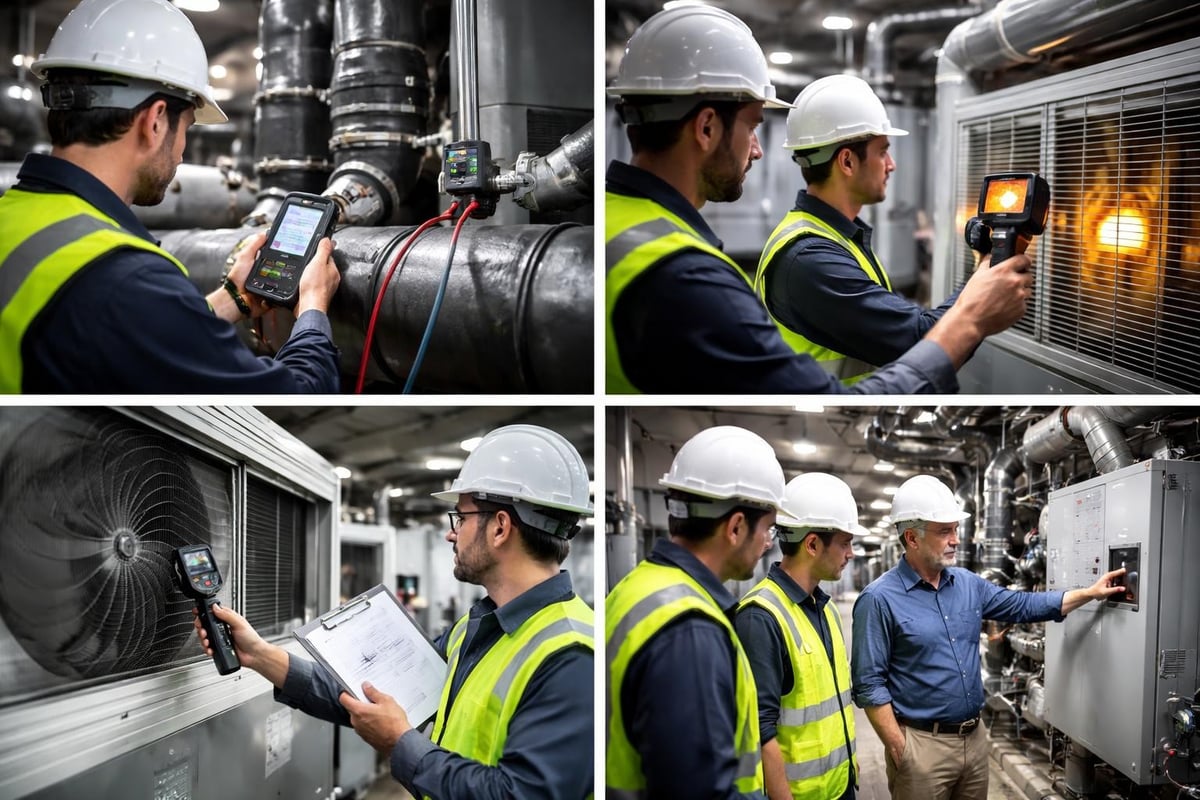
Commissioning processes verify that installed systems operate correctly and efficiently. This involves testing individual components, balancing airflow and water flow, calibrating controls, and training building operators on proper maintenance procedures.
Material Selection and Longevity Considerations
Material choices significantly impact system performance and durability, particularly in coastal environments where corrosion poses constant threats. Mechanical construction engineering professionals must consider environmental conditions, code requirements, budget constraints, and maintenance implications.
Piping materials include copper, steel, PVC, CPVC, and PEX, each offering distinct advantages. Copper provides excellent corrosion resistance and heat tolerance but costs more than plastic alternatives. Steel pipe handles high pressures but requires protective coatings in corrosive environments.
HVAC ductwork typically uses galvanized steel, aluminum, or fiberglass-reinforced plastic. Coastal installations benefit from stainless steel or specially coated materials that resist salt air deterioration.
Maintenance and Life-Cycle Management
Mechanical systems require ongoing maintenance to sustain performance and prevent premature failure. Well-maintained equipment lasts longer, operates more efficiently, and experiences fewer emergency breakdowns that disrupt building operations.
Preventive maintenance programs schedule regular inspections, cleaning, lubrication, and adjustments based on manufacturer recommendations and operating conditions. These programs identify minor issues before they escalate into major failures requiring expensive emergency repairs.
Regular tasks include:
- Filter replacement in HVAC systems
- Coil cleaning and refrigerant checks
- Bearing lubrication on motors and fans
- Belt tension adjustment and replacement
- Calibration of thermostats and sensors
- Inspection of piping for leaks and corrosion
Predictive maintenance technologies use sensors and data analysis to identify developing problems. Vibration monitoring detects bearing wear, thermal imaging reveals electrical hot spots, and ultrasonic testing finds air leaks in compressed air systems.
System Upgrades During Recertification
Building recertification often reveals mechanical systems nearing end-of-life or failing to meet current codes. Electrical system upgrades and plumbing improvements represent common requirements during these assessments.
Upgrading mechanical systems during recertification provides opportunities to improve efficiency, enhance reliability, and reduce operating costs. Replacing aging equipment with modern high-efficiency units typically generates energy savings that offset upgrade costs over time.
Code changes since original construction may mandate specific improvements. Enhanced ventilation requirements, updated fire protection standards, and accessibility provisions often necessitate mechanical system modifications during recertification projects.
| Upgrade Type | Typical Improvements | Expected Benefits |
|---|---|---|
| HVAC Replacement | High-efficiency units with smart controls | 20-40% energy reduction |
| Plumbing Modernization | Low-flow fixtures, leak detection systems | 30-50% water savings |
| Fire Protection Enhancement | Quick-response sprinklers, monitoring | Improved life safety |
| Building Automation | Integrated controls and monitoring | Optimized performance |
Professional Resources and Continuing Education
Staying current with evolving technologies, code requirements, and best practices requires ongoing education and access to quality resources. Mechanical construction engineering professionals rely on various information sources to maintain their expertise.
ASME provides comprehensive mechanical engineering resources including technical publications, standards, and learning materials. Professional organizations offer conferences, webinars, and certification programs that keep practitioners informed about industry developments.
Academic institutions maintain research guides for mechanical engineering that compile encyclopedias, handbooks, and reference materials. These resources support both foundational learning and advanced technical research.
Construction engineering article databases provide access to scholarly journals documenting research findings, case studies, and innovative techniques. Reviewing published literature helps professionals learn from others' experiences and avoid repeating documented mistakes.
Evaluating Technical Information Sources

Not all information sources provide equal value or reliability. Evaluating scholarly sources requires examining author credentials, publication peer review processes, and citation of reputable references.
Technical standards from organizations like ASHRAE, ASME, and ASTM represent consensus documents developed through rigorous review processes. These standards carry significant weight in design decisions and code interpretation.
Manufacturer technical data provides valuable equipment specifications and installation guidance, but professionals must recognize potential bias toward specific products or approaches. Independent testing laboratory reports offer more objective performance comparisons.
Forensic Investigations and Problem Resolution
When mechanical systems fail or perform poorly, forensic investigations identify root causes and recommend corrective actions. This aspect of mechanical construction engineering combines technical knowledge with investigative skills to solve complex problems.
Water intrusion issues frequently involve mechanical system failures. Condensation from poorly insulated ducts or pipes, leaking plumbing connections, and malfunctioning drainage systems create moisture problems that damage buildings and promote mold growth. Forensic water intrusion investigations trace moisture sources and develop comprehensive repair strategies.
System capacity problems occur when mechanical equipment cannot meet building demands. Undersized HVAC systems, inadequate water pressure, or insufficient drainage capacity create occupant complaints and operational difficulties. Engineers analyze original design assumptions, current loads, and equipment performance to identify deficiencies.
Vibration and noise complaints often stem from improper installation, worn equipment, or inadequate isolation. Troubleshooting these issues requires understanding vibration transmission paths, resonance phenomena, and effective mitigation strategies.
Documentation and Reporting Requirements
Professional investigations produce detailed reports documenting findings, analyzing causes, and recommending solutions. These reports must present technical information clearly for diverse audiences including property owners, attorneys, insurance adjusters, and regulatory officials.
Photographic documentation captures existing conditions, damage patterns, and evidence supporting conclusions. Thermal imaging reveals temperature differences indicating insulation problems, air leakage, or moisture intrusion invisible to visual inspection.
Testing data provides objective evidence supporting engineering conclusions. Pressure tests verify piping integrity, airflow measurements document HVAC performance, and water quality analysis identifies contamination sources.
Cost Estimation and Project Budgeting
Accurate cost estimation forms a critical component of mechanical construction engineering project planning. Underestimating costs leads to budget overruns and project delays, while overestimating may result in rejected proposals or deferred necessary work.
Quantity takeoffs measure materials needed from construction documents. Estimators count fixtures, measure pipe and duct lengths, calculate equipment quantities, and determine labor hours required for installation.
Unit pricing assigns costs to individual components based on material prices, labor rates, and equipment expenses. Experienced estimators maintain databases of historical costs adjusted for current market conditions, project complexity, and site-specific factors.
Regional variations significantly affect costs. South Florida's competitive construction market, specialized coastal requirements, and hurricane preparedness standards influence mechanical system pricing differently than other regions.
- Obtain detailed scope definition and specifications
- Perform comprehensive quantity takeoff from plans
- Apply current unit prices with local adjustments
- Include mobilization, permits, and testing costs
- Add contingencies for unforeseen conditions
- Review and validate against comparable projects
Value Engineering Opportunities
Value engineering identifies alternatives that reduce costs without sacrificing performance or quality. This process examines each system component, evaluating whether less expensive options achieve the same functional requirements.
Equipment selection presents value engineering opportunities. Choosing appropriately sized equipment avoids paying for excess capacity while ensuring adequate performance. Energy-efficient models with higher initial costs may provide better life-cycle value through reduced operating expenses.
Installation methods affect project costs substantially. Prefabrication reduces field labor, modular equipment simplifies installation, and efficient sequencing minimizes schedule duration and associated overhead costs.
Technology Integration and Smart Building Systems
Modern mechanical construction engineering increasingly incorporates digital technologies that enhance performance monitoring, predictive maintenance, and energy optimization. Building automation systems (BAS) integrate mechanical equipment with lighting, security, and fire alarm systems.
Internet of Things (IoT) sensors provide real-time data on temperature, humidity, pressure, flow rates, and equipment status. This continuous monitoring enables rapid response to developing problems and data-driven optimization of system performance.
Machine learning algorithms analyze operational data to identify patterns, predict equipment failures, and recommend efficiency improvements. These systems learn building behavior over time, adjusting operations automatically for optimal performance under varying conditions.
Remote monitoring capabilities allow facility managers to oversee multiple properties from centralized locations. Cloud-based platforms aggregate data, generate alerts, and provide dashboards showing system status and performance trends.
| Technology | Primary Applications | Benefits |
|---|---|---|
| BAS Integration | Coordinated system control | Optimized building performance |
| IoT Sensors | Real-time monitoring | Early problem detection |
| Predictive Analytics | Maintenance optimization | Reduced downtime costs |
| Energy Management | Consumption tracking | 15-30% energy savings |
Mechanical construction engineering plays an essential role in creating, maintaining, and improving the building systems that keep properties functional, safe, and efficient. From initial design through decades of operation and eventual replacement, this discipline ensures mechanical infrastructure meets the evolving needs of building occupants while complying with increasingly stringent codes and performance standards. Whether you're preparing for milestone recertification, addressing system failures, or planning facility upgrades, partnering with experienced professionals makes the difference between successful projects and costly problems. Souffront Construction and Engineering brings decades of South Florida experience in mechanical system assessment, engineering, and construction to help property owners maintain safe, code-compliant buildings that protect their investments for years to come.