Civil Technical Engineer: Roles in Building Safety
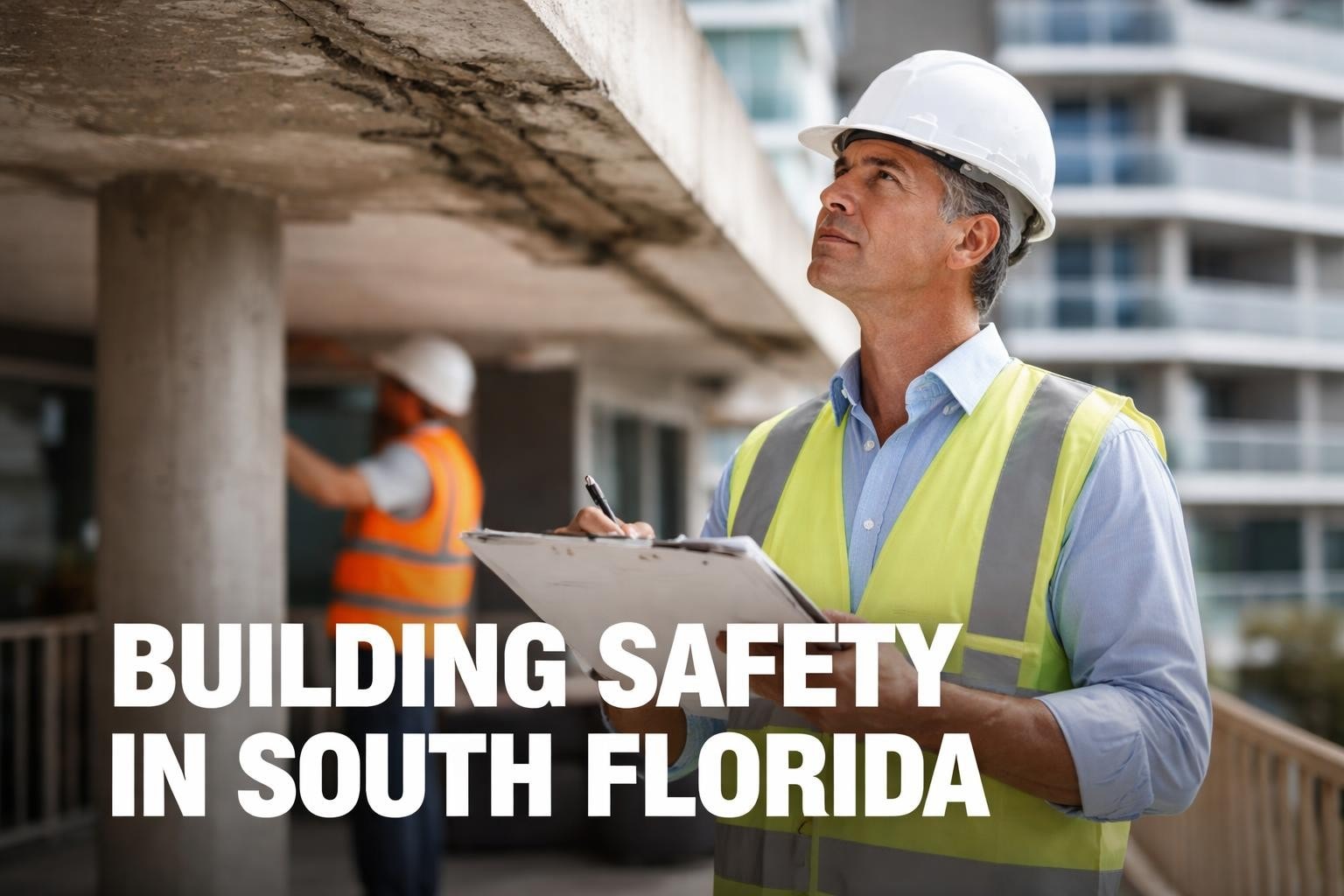
The construction and building maintenance landscape in South Florida demands specialized expertise that goes beyond traditional engineering disciplines. A civil technical engineer combines rigorous engineering principles with hands-on technical knowledge to address the unique challenges facing commercial and residential properties in coastal environments. These professionals serve as the critical link between theoretical structural design and practical building safety, especially when aging buildings require recertification, repair, and restoration to meet current code requirements.
Understanding the Civil Technical Engineer Role
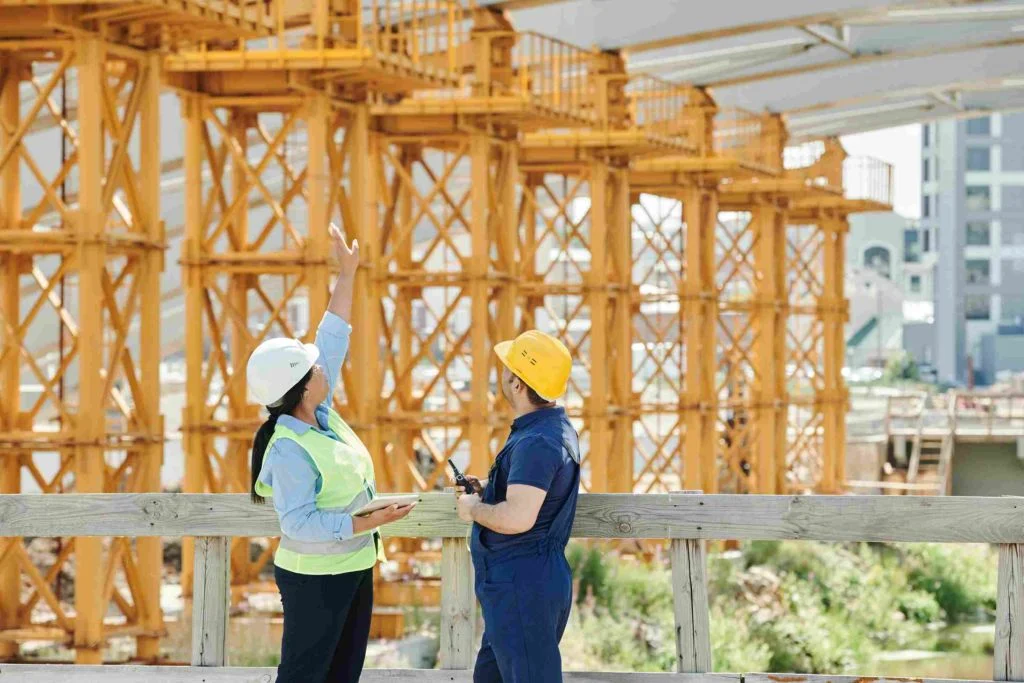
A civil technical engineer specializes in applying engineering principles to solve practical problems in existing structures and new construction projects. Unlike purely design-focused civil engineers, these professionals spend considerable time in the field, conducting inspections, assessing structural integrity, and developing repair solutions that comply with building codes.
The scope of work encompasses multiple technical domains. Structural assessment forms the foundation of the role, requiring engineers to evaluate load-bearing capacity, identify deterioration, and determine whether buildings meet safety standards. Materials analysis becomes particularly crucial in South Florida, where concrete spalling, rebar corrosion, and water intrusion create ongoing challenges for property owners.
Technical Expertise Required
Professional competency in this field demands a diverse skill set:
- Structural engineering fundamentals including load calculations, stress analysis, and material science
- Building code knowledge covering local, state, and federal regulations
- Inspection protocols for comprehensive property assessments
- Construction methods to develop practical, cost-effective repair strategies
- Documentation skills for permit applications and compliance reports
The American Society of Civil Engineers provides resources and continuing education opportunities that help civil technical engineers stay current with evolving standards and best practices.
Milestone Building Recertification Demands
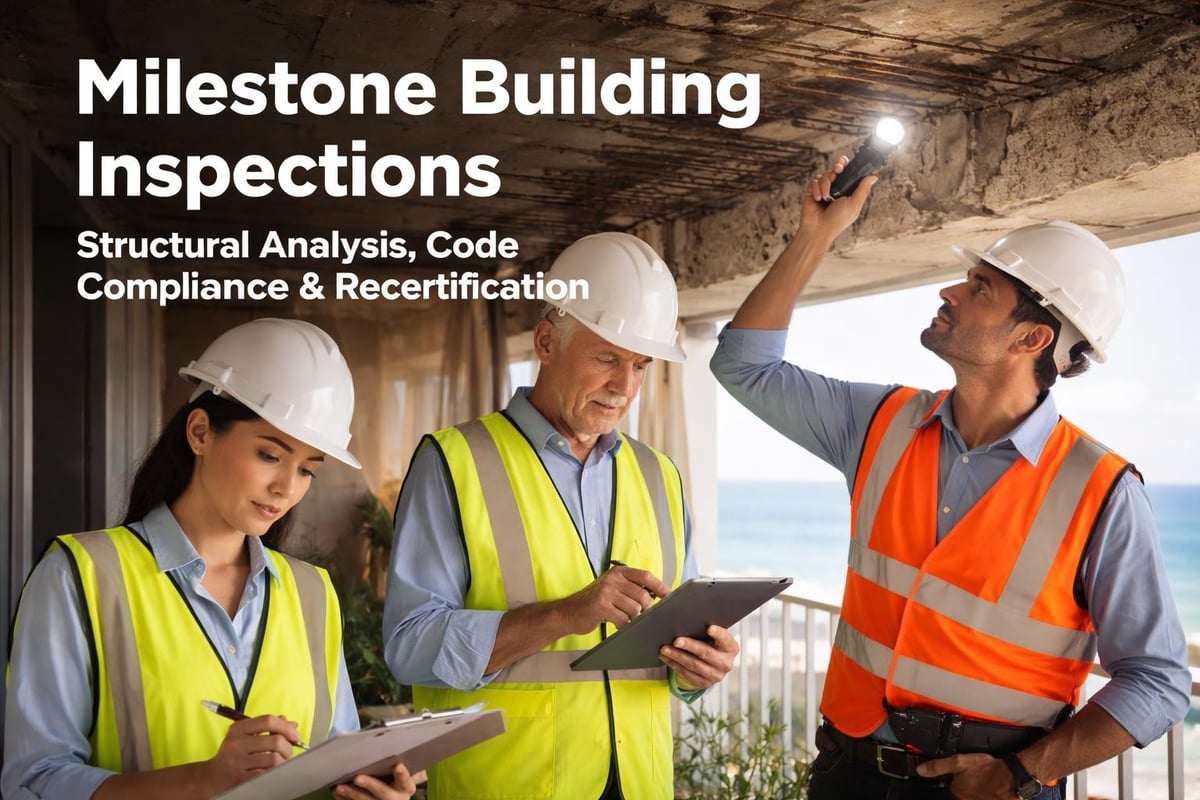
South Florida's building recertification requirements have created unprecedented demand for civil technical engineer expertise. The 40-year and 50-year recertification programs require comprehensive structural and electrical safety inspections that only licensed professionals can perform.
These milestone building inspections examine every critical building system. Engineers must evaluate foundations, load-bearing walls, columns, beams, floor and roof structures, and all life safety systems. The technical complexity increases exponentially for older buildings where original construction documentation may be incomplete or missing entirely.
| Inspection Component | Technical Requirements | Common Issues Found |
|---|---|---|
| Structural Systems | Load capacity analysis, material testing | Concrete spalling, rebar corrosion, settlement |
| Electrical Systems | Code compliance review, safety verification | Outdated panels, insufficient grounding, fire hazards |
| Building Envelope | Water intrusion assessment, facade inspection | Window leaks, roof damage, cladding deterioration |
| Life Safety | Egress analysis, fire protection review | Non-compliant exits, inadequate sprinklers |
A civil technical engineer's role extends beyond simple inspection. They must interpret findings, prioritize repairs based on safety and budget constraints, and develop permit-ready repair solutions that address deficiencies while minimizing disruption to occupants.
Water Intrusion and Envelope Assessment
Coastal properties face relentless water intrusion challenges that require specialized technical knowledge. A civil technical engineer conducting forensic water intrusion investigations must understand building science, vapor dynamics, and material behavior under humid conditions.
The investigation process follows systematic protocols. Visual inspection identifies obvious damage, but modern diagnostic tools reveal hidden problems. Infrared thermography detects moisture behind walls. Moisture meters quantify water content in concrete and drywall. Pressure testing verifies window and door installations meet performance standards.
Common Water Entry Points
Water finds countless paths into buildings, and identifying the source requires detective work:
- Window and door assemblies where sealants have deteriorated or installation was faulty
- Roof penetrations including HVAC equipment, vents, and skylights
- Expansion joints that have failed or were inadequately designed
- Balcony connections where concrete slabs meet the building structure
- Below-grade elements suffering from inadequate waterproofing
Once sources are identified, the civil technical engineer develops remediation strategies. Simple sealant replacement might solve minor issues, but extensive damage often requires concrete restoration and structural repairs that address both the symptom and underlying cause.
Structural Analysis and Repair Design
Developing effective repair solutions demands both engineering calculation and construction practicality. A civil technical engineer must design repairs that restore structural capacity while working within the constraints of occupied buildings, limited access, and budget realities.
Load path analysis forms the foundation of structural repair design. Engineers trace how forces move through the structure, identifying where deterioration has compromised load transfer. This analysis determines whether repairs can be localized or require more extensive intervention.
The choice of repair methods depends on multiple factors. Carbon fiber reinforcement offers strength without adding weight. Epoxy injection fills cracks and restores concrete integrity. Traditional concrete replacement remains necessary when deterioration is extensive. Each approach requires careful specification to ensure long-term performance.

Electrical Systems and Life Safety
Modern building codes impose stringent electrical safety requirements that many older buildings fail to meet. The civil technical engineer reviewing electrical system upgrades and repairs must balance safety requirements with the practical challenges of retrofitting existing construction.
Outdated electrical panels pose immediate safety risks. Aluminum wiring, Federal Pacific panels, and undersized service equipment create fire hazards that require prompt attention. The civil engineering profession has expanded to encompass these multidisciplinary concerns as buildings have become increasingly complex.
Arc-fault and ground-fault protection now serve as code requirements in most applications. Upgrading buildings to current standards often requires extensive rewiring, panel replacements, and careful coordination with other building systems. Engineers must develop phased approaches that maintain power to occupied spaces while systematically addressing deficiencies.
Code Compliance Challenges
Meeting current electrical codes in older buildings presents unique obstacles:
- Inadequate panel capacity requiring service upgrades that impact utility infrastructure
- Missing grounding systems necessitating installation throughout the building
- Non-compliant installations where amateur repairs created safety hazards
- Accessibility requirements for disconnect locations and panel clearances
The technical specifications prepared by a civil technical engineer must anticipate field conditions, provide clear installation guidelines, and ensure inspectors can verify compliance without ambiguity.
Concrete Restoration Expertise
South Florida's concrete structures face aggressive environmental attack. Salt air, temperature fluctuations, and water infiltration accelerate deterioration that compromises both aesthetics and structural performance. A civil technical engineer specializing in concrete restoration services must understand the chemistry of concrete degradation and the mechanics of effective repair.
Chloride contamination drives most concrete deterioration in coastal areas. Salt penetrates concrete, reaching embedded rebar and initiating corrosion. As steel corrodes, it expands, creating internal pressure that causes concrete to crack and spall. Left unaddressed, this deterioration spreads rapidly, compromising structural integrity.
| Deterioration Stage | Visual Indicators | Required Response |
|---|---|---|
| Incipient | Minor surface staining, hairline cracks | Protective coatings, sealants |
| Moderate | Visible cracks, isolated spalling | Patch repairs, corrosion inhibitors |
| Advanced | Extensive spalling, exposed rebar | Concrete removal and replacement |
| Severe | Structural deflection, safety concerns | Emergency shoring, major reconstruction |
Proper concrete restoration requires removing all deteriorated material, treating corroded rebar, and replacing concrete with compatible repair mortars. The civil technical engineer must specify materials that match existing concrete properties while providing enhanced durability. Corrosion inhibiting admixtures slow future deterioration. High-performance repair mortars resist chloride penetration better than original concrete.
Balcony and Railing Systems
Balconies represent one of the highest-risk building elements, combining structural loading, weather exposure, and life safety concerns. Recent catastrophic balcony failures have intensified regulatory scrutiny, making thorough assessment by a civil technical engineer essential for property owners.
The structural connection between balcony and building deserves particular attention. Cantilevered balconies rely entirely on their attachment to the building structure. Corrosion at this connection point can lead to sudden failure with tragic consequences. Engineers use advanced testing methods including ground-penetrating radar and concrete coring to assess hidden connection conditions.
Railing systems must resist specified loads without excessive deflection. Building codes require rails to withstand 200 pounds of horizontal force applied at the top. Many older installations fail this test, necessitating balcony and railing replacement with modern systems that meet current standards.
Modern Railing Solutions
Contemporary railing systems offer improved performance and durability:
- Aluminum railings resist corrosion in coastal environments without maintenance
- Glass panel systems provide unobstructed views while meeting code requirements
- Stainless steel cables offer modern aesthetics with exceptional strength
- Powder-coated finishes protect metal components from salt air degradation
Selection requires balancing architectural requirements, budget constraints, and long-term maintenance considerations. The civil technical engineer's specifications must ensure installations meet both aesthetic goals and structural requirements.
Permit Coordination and Documentation
Technical expertise means little without effective permit coordination. The civil technical engineer must prepare documentation that satisfies building department requirements while providing contractors with clear, constructible guidance. This dual audience demands careful attention to specification writing and drawing preparation.
Structural calculations justify proposed repairs and demonstrate code compliance. Building officials review these calculations to verify that repairs will restore adequate safety margins. The presentation must be thorough yet accessible, allowing reviewers to quickly grasp the engineering rationale.
Construction drawings translate engineering intent into buildable instructions. Detail drawings show connection configurations, reinforcement placement, and material specifications. Notes clarify installation sequences and quality control requirements. The goal is eliminating field questions that delay construction and increase costs.
Project Management and Oversight
Design responsibilities represent only part of the civil technical engineer's role. Construction oversight ensures that repairs are executed according to specifications and meet quality standards. This oversight becomes particularly critical for structural repairs where hidden conditions may require design modifications.
Site visits during construction verify compliance and address field questions. The engineer evaluates contractor submittals, reviews proposed materials, and approves requested substitutions. When unexpected conditions arise, the engineer must quickly assess implications and develop appropriate responses.
Quality control protocols vary by project scope. Simple repairs might require only periodic site visits. Complex structural work demands continuous inspection with documented testing of critical elements. The civil technical engineer establishes appropriate oversight levels that balance safety concerns with project budgets.
Professional Certification and Continuing Education
Maintaining professional competency requires ongoing education as codes evolve and new materials emerge. A civil technical engineer must hold appropriate licensure, which in Florida means Professional Engineer registration. This licensure confirms educational credentials, examination passage, and experience requirements.
Continuing education keeps engineers current with industry developments. Organizations like the American Society of Civil Engineers provide technical publications, conferences, and training programs. Topics range from new code provisions to emerging repair technologies.
Specialized certifications demonstrate expertise in specific areas. Structural engineering certification validates advanced structural knowledge. Building inspection credentials confirm competency in assessment protocols. These additional qualifications help property owners identify engineers with relevant expertise for their specific needs.
Working with Property Managers and Associations
Effective communication with non-technical audiences represents a crucial skill. Property managers and condominium boards need clear explanations of technical findings without overwhelming engineering jargon. The civil technical engineer must translate complex structural concerns into understandable terms while accurately conveying safety implications.
Prioritization frameworks help decision-makers allocate limited budgets. Not all deficiencies demand immediate attention. The engineer categorizes findings by urgency, distinguishing between immediate safety hazards requiring emergency action and maintenance items that can be scheduled for future budgets.
Budget development requires realistic cost estimating based on current market conditions. The civil technical engineer provides order-of-magnitude estimates during planning phases, refining numbers as designs develop. These estimates help associations plan capital reserves and prepare for special assessments when necessary.
A civil technical engineer serves as the essential guardian of building safety, combining technical expertise with practical problem-solving to protect South Florida properties from structural failure, water damage, and code violations. Whether conducting milestone inspections, designing concrete repairs, or coordinating complex restoration projects, these professionals ensure buildings remain safe and compliant throughout their service lives. Souffront Construction and Engineering provides comprehensive engineering and construction services backed by licensed professionals who understand South Florida's unique building challenges, helping property owners navigate recertification requirements and maintain their investments with confidence.